- Body count raises to FIFTY FIVE children at abusive Florida reform school as more remains are excavated
- Records indicated 31 burials at site but researchers estimated there would be dozens more at Arthur G Dozier School for Boys
- Former inmates at the reform school in Marianna, Florida from the 1950s and 1960s have detailed horrific beatings that took place
- At least 12 families have contacted researchers in hopes of identifying relatives that might be buried at Dozier
PUBLISHED: 28 January 2014
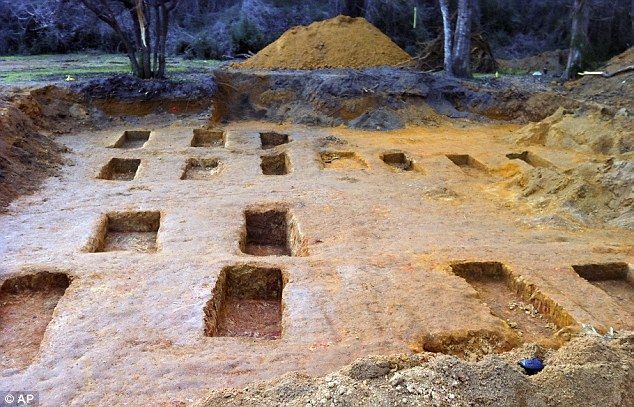
The remains of 55 people have been unearthed from a graveyard at a former reform school with a history of abuse, researchers said today.
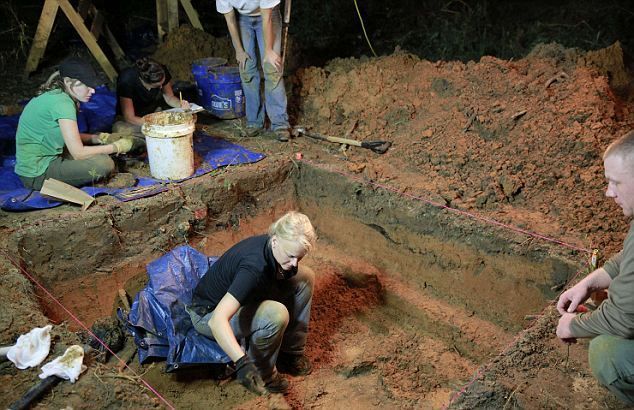
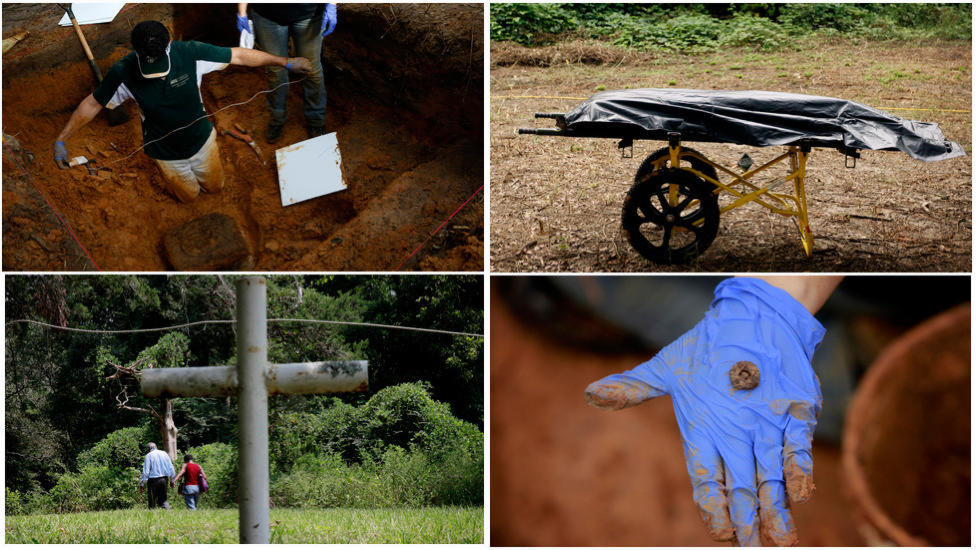
University of South Florida researchers began excavating the graveyard at the now-closed Arthur G. Dozier School for Boys in September. The dig finished in December.
Official records indicated 31 burials at the Marianna site but researchers had estimated there would be about 50 graves.
Researchers have now found some of the remains of 55 people in a graveyard at the Arthur G. Dozier School for Boys in Marianna, Florida
All the bodies found were interred in coffins either made at the school or bought from manufacturers, said Erin Kimmerle, a forensic anthropologist leading the university's investigation.
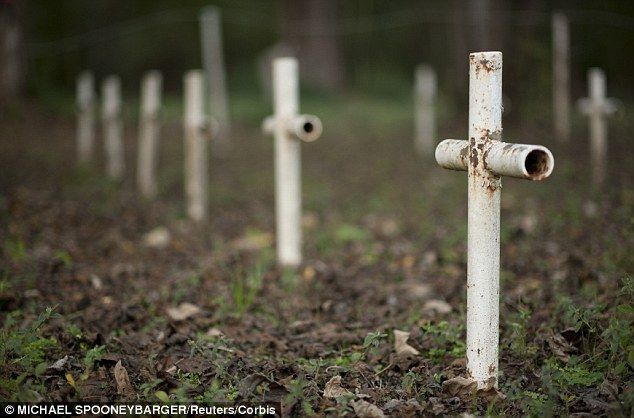
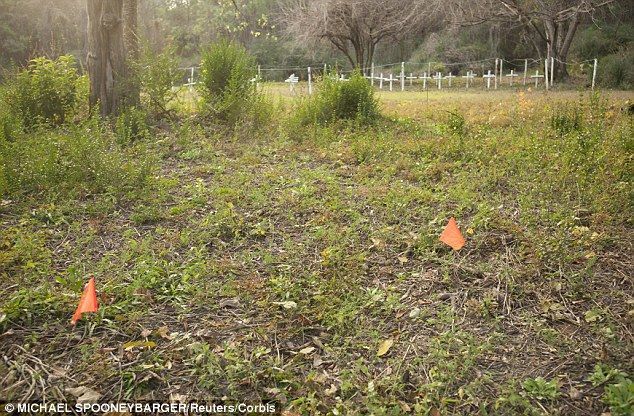
Some were found under roads or overgrown trees, well away from the white, metal crosses marking the 31 officially recorded graves.
Now, researchers will try to identify the remains and determine the causes of death. The bodies were buried sometime between the late 1920s and early 1950s, researchers said.
'We know very little about those who are buried,' Kimmerle said.
Excavations now indicate that more bodies may have been buried at the site than previously recorded
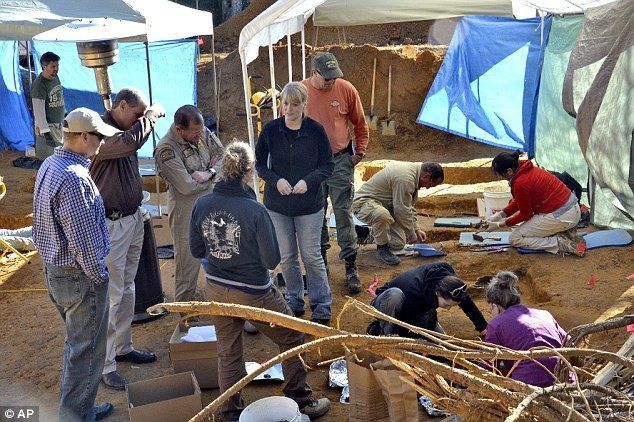
University of South Florida investigators at a research site in a graveyard at the Arthur G. Dozier School for Boys. The death count at the mass grave has now risen
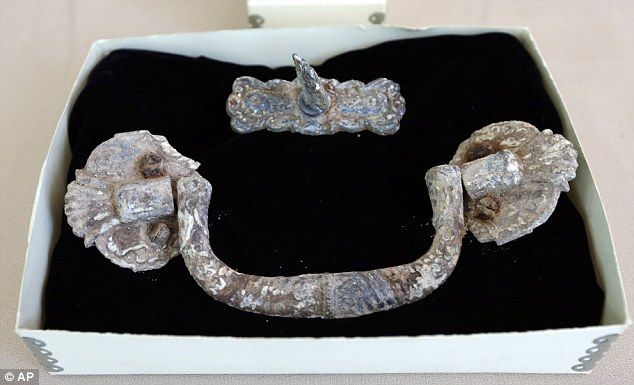
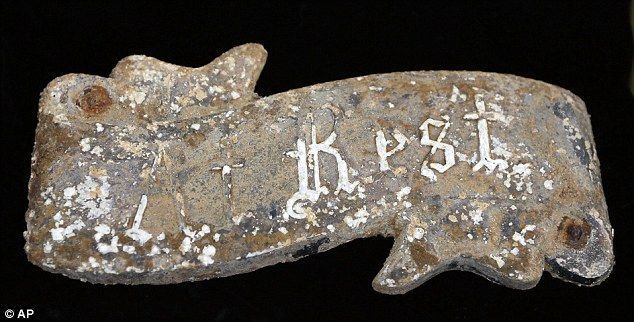
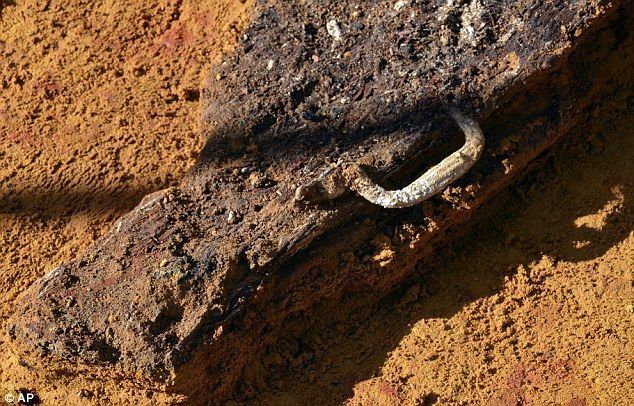
They found buttons, a stone marble in a boy's pocket and hardware from coffins. Researchers recovered thousands of nails and a brass plate that read, 'At rest' - likely from a coffin lid.
DNA from the remains will be sent to the University of North Texas Center for Human Identification for analysis.
Twelve families have contacted researchers in the hopes of identifying relatives that might have been buried at the school, and officials hope dozens of other families will come forward and provide DNA samples to compare with the remains.
Ovell Krell of Auburndale is one of the relatives who already has come forward, hoping to find out what happened to her brother.
George Owen Smith was sent to Dozier when he was 14 in 1941, and he was found dead a couple of months later.
His family never recovered his body, and Krell hopes to claim his remains and bury them with their parents at a family plot in central Florida.
'We are hoping for closure,' she said.
Another dig is scheduled next month. Nearby residents and former employees and inmates at the northwest Florida school are helping investigators determine other potential burial sites, Kimmerle said.
Dozier opened in 1900 and closed in 2011 for budgetary reasons.
Some former students from the 1950s and 1960s have accused employees and guards at the school of physical and sexual abuse, but the Florida Department of Law Enforcement concluded after an investigation that that it could not substantiate or dispute the claims.
The University of South Florida secured a permit to exhume the remains after beginning its own research and verifying more deaths and graves than documented by law enforcement.
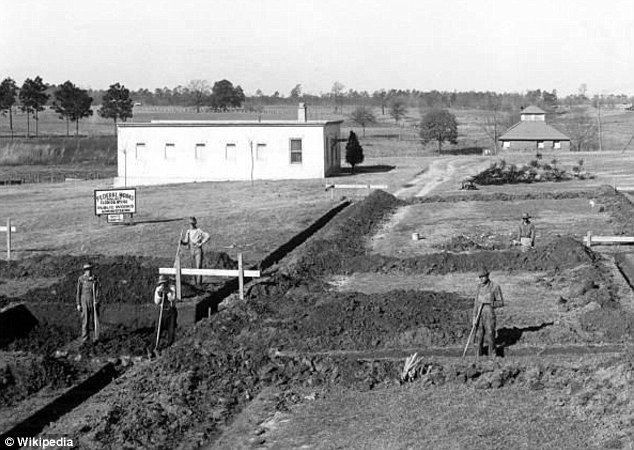
The Arthur G. Dozier School for Boys is pictured in 1936. The white building in the background is allegedly where abuse took place
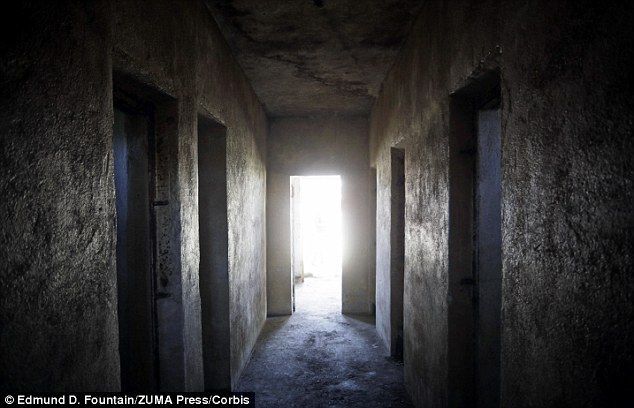
Former inmates at the reform school from the 1950s and 1960s have detailed horrific beatings that took place in a small, white concrete block building at the facility.
Ovell Krell speaks about her deceased brother George Owen Smith who was sent to Dozier when he was 14 in 1941 and died a couple of months later. His body was never recovered
A group of survivors call themselves the 'White House Boys' and five years ago called for an investigation into the graves.
In 2010, the Florida Department of Law Enforcement ended an investigation and said it could not substantiate or refute claims that boys died at the hands of staff.
USF later began its own research and discovered even more graves than the state department had identified. USF has worked for months to secure a permit to exhume the remains, finally receiving permission from Gov. Rick Scott and the state Cabinet after being rejected by Secretary of State Ken Detzner, who reports to Scott.
Robert Straley, a spokesman for the White House Boys, said the school segregated white and black inmates and that the remains are located where black inmates were held. He suspects there is another white cemetery that hasn’t been discovered.
'I think that there are at least 100 more bodies up there,' he said. 'At some point they are going to find more bodies, I’m dead certain of that. There has to be a white graveyard on the white side.'
Among those that have pushed to allow USF to conduct the research are Republican Attorney General Pam Bondi and Democratic U.S. Sen. Bill Nelson.
'My goal all along has been to help bring closure to the families who lost loved ones at Dozier. I feel great relief that the work to identify human remains is now underway,' Bondi said through a spokeswoman.
DNA obtained at the site will be sent to the University of North Texas Center for Human Identification for analysis. If matches are found, remains will be returned to the families.
'They want to bury them in family plots and next to the boys’ mothers and things like that,' Kimmerle said. 'Anyone whose remains are unidentified will be re-interned here at Boot Hill.'
Any remains that are re-interned will have a grave marker and their DNA will be recorded in case anyone other families seek to identify remains.