|
#1
●
08-09-2012, 12:52 PM
| ||||||||
 ★ ★ GENERAL ★ ★ Poster Rank:37 male Join Date: Oct 2006 Posts: 41,980
Contributions: 35
Mentioned: 2239 Post(s) Quoted: 21137 Post(s)
| ||||||||
|
Pilot Kills IRS Manager in Austin Crash
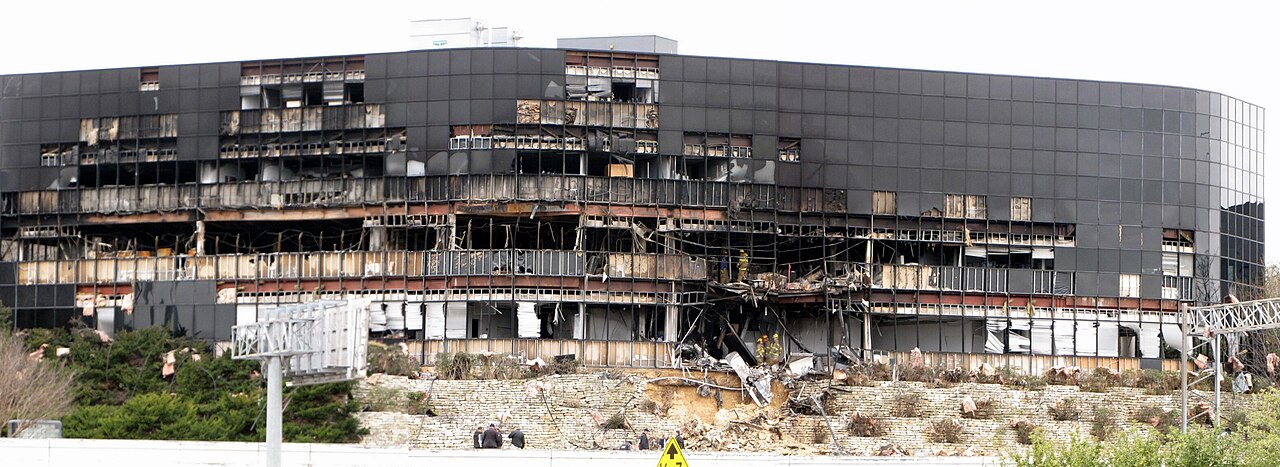
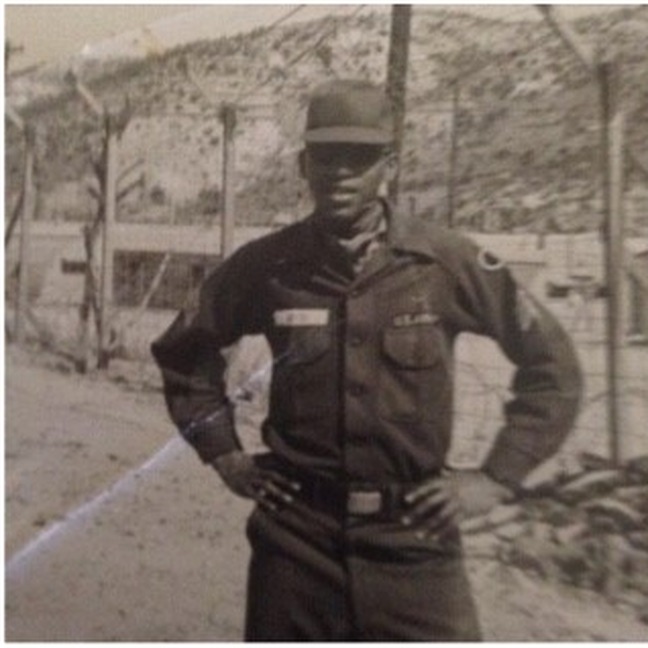
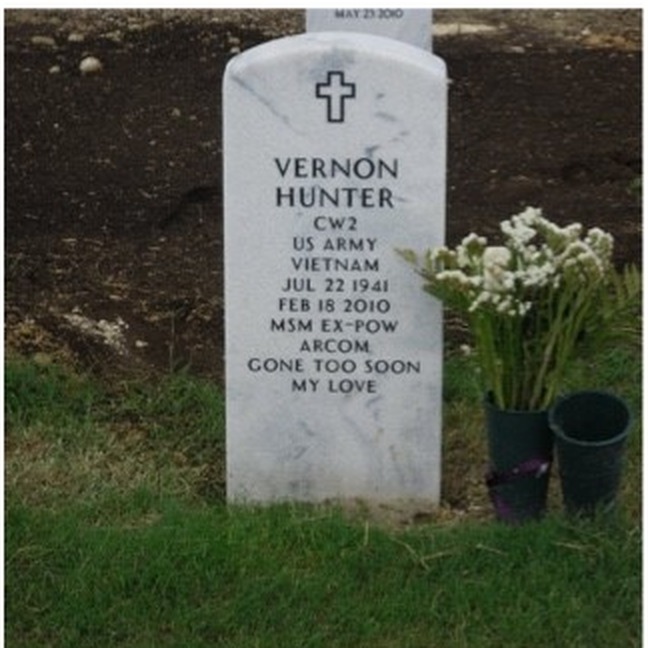
Andrew Joseph Stack III, 53, killed 68-year-old IRS manager Vernon Hunter and died when he flew a Piper Dakota into the Echelon I building on Research Boulevard in North Austin on Feb. 18, 2010, after setting fire to his North Austin house. Stack, who blamed the Internal Revenue Service for wrecking his finances, drove to Georgetown Municipal Airport and took off at 9:44 a.m., according to the National Transportation Safety Board. He climbed to 4,800 feet, received approval for a frequency change and replied, "Eight niner delta thanks for your help have a great day." Nothing further was heard from him. Radar showed the plane descending and turning west, and at 9:57 a.m. it was tracking southwest at 1,000 feet. The single engine plane struck between the first and second floors and exploded on impact, the NTSB said. About 190 IRS employees worked in the building. Thirteen people were hurt, two of them seriously. Hunter was a revenue officer group manager whose wife, Valerie, worked in the same building and was not injured. His son Ken Hunter told The Associated Press that Hunter joined the Army out of high school in 1959 and served roughly 20 years, including two tours in Vietnam. He had been talking about retiring and going back to school to teach children with learning disabilities. His headstone gives his rank as chief warrant officer 2 and lists him as a former prisoner of war. He was buried in Killeen with full military honors. Robin DeHaven, a glass installer and former Army combat engineer who was driving past, ran the extension ladder off his work truck up to the second floor and helped six people out. A Travis County hazardous materials team that had assembled for training across the freeway saw the plane go in low and fast and reached the fire within minutes. Several Austin fire units assigned to that part of the city were already tied up at Stack's burning house. The recording attached here runs about 28 minutes and carries the emergency traffic from the response. Austin fire investigators ruled a week later that the house fire had been set deliberately, department spokesman Andre de la Reza said. Stack's wife and her 12-year-old daughter had left the house the night before and stayed at a hotel, Austin police Chief Art Acevedo said, and neither was there when it burned. Stack had posted a long note on his personal website that morning attacking the IRS, the tax code, Congress and a list of large corporations. The file history on the document showed he had been working on it for at least two days. His accountant said Stack was in the middle of an IRS audit for failing to report income. The company hosting the site took it offline at the request of the FBI. The NTSB closed its file that December without issuing a probable cause, writing that because the crash was an intentional act the FBI had assumed jurisdiction and control of the investigation. The FBI said it was handling the case as an assault on a federal officer and was not treating it as terrorism, and the Department of Homeland Security said there was no sign of a link to any organized international group. Rep. Lloyd Doggett called it "a cowardly act of domestic terrorism," and Rep. Michael McCaul said it sounded like a terrorist attack to him. Bruce Hoffman, a terrorism scholar at Georgetown University, said the label did not fit because the attack carried no political demand. The building was gutted and rebuilt, and a July 2012 audit by the Treasury Inspector General for Tax Administration found the IRS spent more than $38.6 million in response, including about $6.4 million to recover documents and resume operations in Austin and roughly $32 million to review and upgrade security at IRS sites around the country. The audit concluded that the security review contract had been mismanaged and that much of the money may have been spent inefficiently.
__________________ Support the site and our continued existance by upgrading to a Green Name |