|
#1
●
04-04-2014, 11:22 AM
| ||||||||
 ★ ★ GENERAL ★ ★ Poster Rank:37 male Join Date: Oct 2006 Posts: 41,987
Contributions: 35
Mentioned: 2246 Post(s) Quoted: 21139 Post(s)
| ||||||||
|
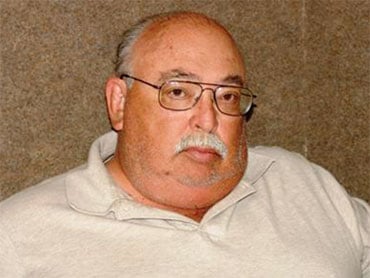
He Said He Was Too Fat to Kill
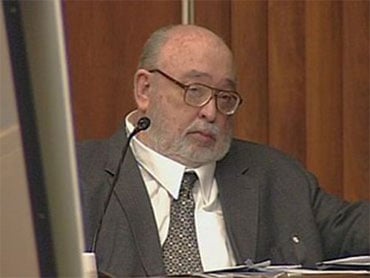
A New Jersey man was shot six times inside his own home in August 2006 while a woman he was speaking with by phone listened to the attack, according to news accounts and court records. She heard screaming and then silence on the line and called 911, but officers who reached the house within minutes found the gunman already gone. The victim, Paul Duncsak, was a 40-year-old pharmaceutical executive. He was killed on Aug. 23, 2006, as he returned home from work to his residence in Ramsey, an affluent Bergen County borough about 25 miles northwest of Manhattan, prosecutors said. Investigators concluded he had been ambushed and shot in a hallway. Suspicion fell quickly on Edward R. Ates, then 62, a Florida resident and Duncsak's former father-in-law. Duncsak had been through a bitter divorce and custody fight with Ates's daughter, Stacey. Authorities located Ates about 24 hours later at his mother's home in Sibley, Louisiana, according to court records. Prosecutors said Ates drove from Fort Pierce, Florida, to New Jersey and back. At trial they presented computer forensics and phone records showing that he had searched online for instructions on picking locks and committing "the perfect murder" and had obtained material on building a firearm silencer, according to the Bergen County Prosecutor's Office. Wiretapped calls captured Ates and relatives coordinating an account of his whereabouts. His attorney offered an unusual defense. He argued that Ates, who stood 5 feet 8 inches and weighed about 285 pounds in 2006, was in too poor a physical condition to have climbed the stairs, fired the shots, gathered the spent shell casings and made the getaway the killer did. Prosecutors countered by portraying Ates as a capable marksman. A jury of eight women and four men rejected that argument, convicting Ates of murder, felony murder and weapons offenses in November 2009 after a six-week trial. Superior Court Judge Harry G. Carroll called the killing "a cold and calculated execution" and imposed a life sentence the following month. Ates later challenged his conviction, arguing that the wiretaps, monitored from New Jersey while he and his relatives spoke in Florida and Louisiana, were unlawful. In March 2014 the New Jersey Supreme Court unanimously upheld the state's wiretap law and let the conviction stand.
__________________ Support the site and our continued existance by upgrading to a Green Name |