|
#23
●
02-17-2022, 10:48 AM
| ||||||||
 My Rank: SERGEANT Poster Rank:949 Join Date: Jun 2016 Posts: 761 Mentioned: 0 Post(s) Quoted: 202 Post(s)
| ||||||||
|
Re: 186 Dead As Landslides and Flooding Wreak Havoc in Hill Town in Brazil
Pretty comprehensive post, well done by all. Thank you!!
|
|
#25
●
02-17-2022, 11:26 AM
| ||||||||
 Für Immer Verloren Poster Rank:50 Boredom + Despair Join Date: Sep 2017 Posts: 30,253
Contributions: 666
Mentioned: 136 Post(s) Quoted: 10331 Post(s)
| ||||||||
|
Re: 186 Dead As Landslides and Flooding Wreak Havoc in Hill Town in Brazil
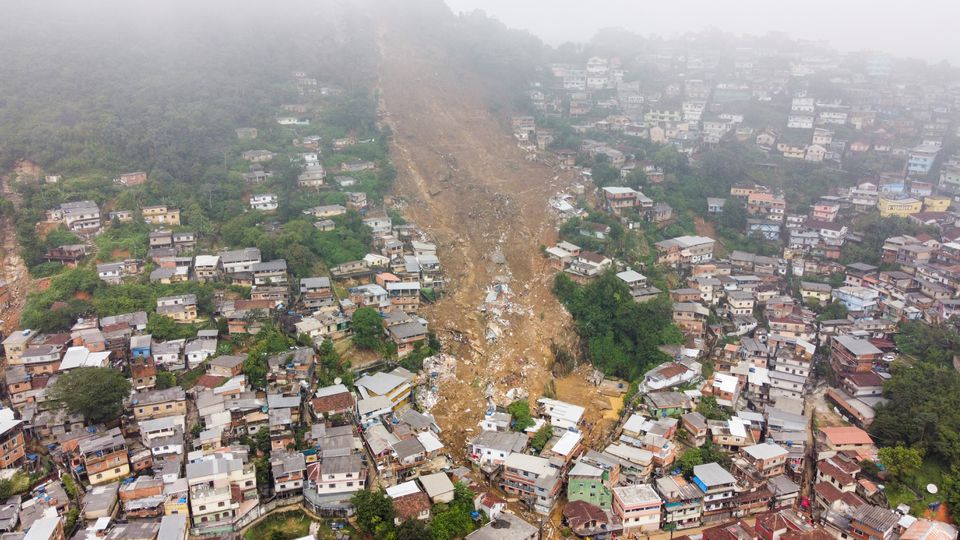 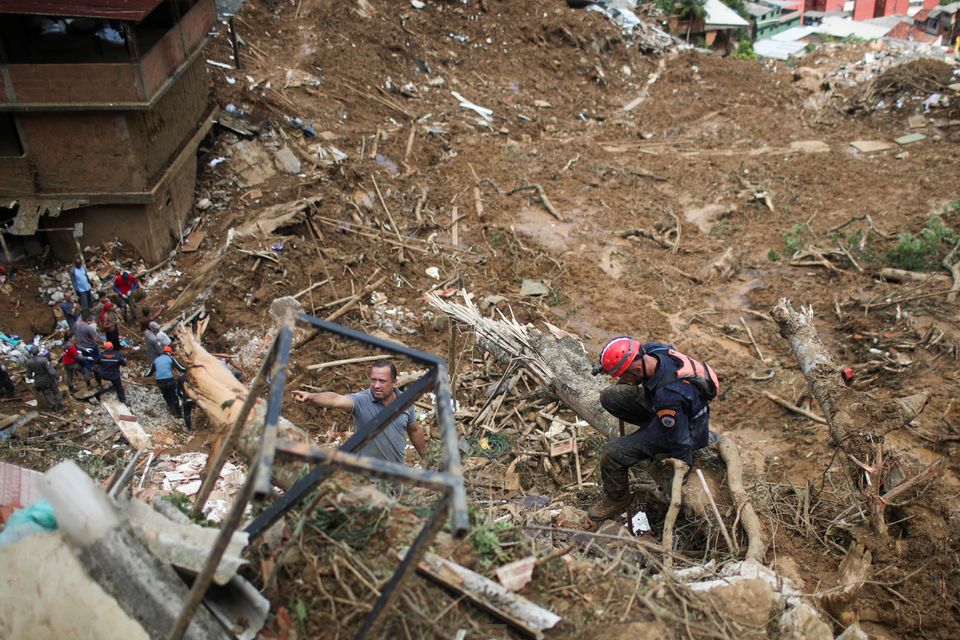 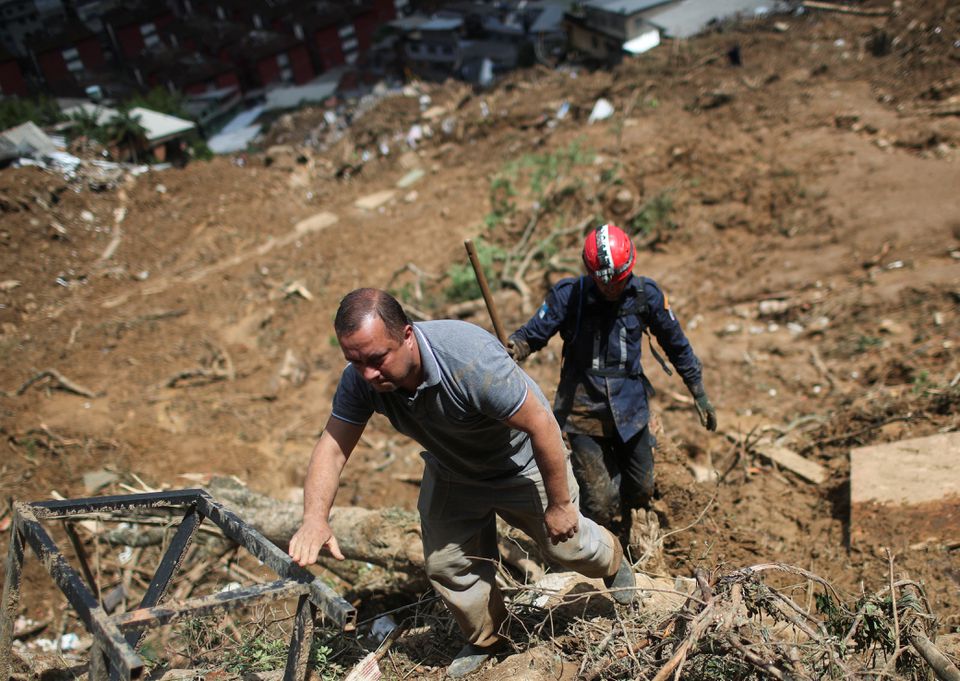 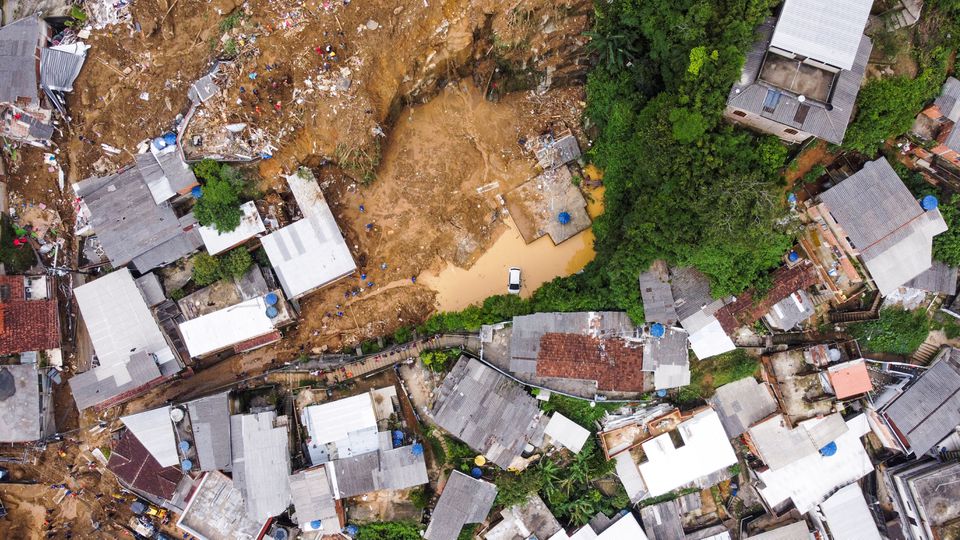
__________________ "I'd give the world for the chance just to see your face again. Still I pretend that you're still standing by." |
|
#26
●
02-18-2022, 01:24 AM
| ||||||||
 ✝Mudderator from Hell✝ Poster Rank:11 e-mail Join Date: Oct 2006 Posts: 95,152
Contributions: 817
Mentioned: 472 Post(s) Quoted: 10111 Post(s)
| ||||||||
|
Re: 186 Dead As Landslides and Flooding Wreak Havoc in Hill Town in Brazil
Until 19:30 this Thursday (17/2), 117 deaths were confirmed. The Whereabouts Discovery Police Station (DDPA) reported that 116 people remain missing. Firefighters continue to search for victims. In the city, the scene is war. In addition to the lives lost, dozens of houses were torn down. The force of the water “swept away” everything in its path, as shown in videos taken by residents. Among the dead are at least eight children. Of the 101 bodies at the Legal Medical Institute (IML), 65 are women and 36 men. |
|
#29
●
02-18-2022, 10:41 PM
| ||||||||
 My Rank: MAJOR Poster Rank:193 male Join Date: Mar 2021 Posts: 7,766 Mentioned: 2 Post(s) Quoted: 1466 Post(s)
| ||||||||
|
Re: 186 Dead As Landslides and Flooding Wreak Havoc in Hill Town in Brazil
There is something especially vulgar about a news reporter wearing a covid mask and sticking her mic in the face of a despondent disaster survivor.
|
|
#30
●
02-18-2022, 11:14 PM
| ||||||||
 ♚ Legacy Gold Member ♚ Poster Rank:948 Join Date: Apr 2012 Posts: 763 Mentioned: 0 Post(s) Quoted: 179 Post(s)
| ||||||||
|
Re: 186 Dead As Landslides and Flooding Wreak Havoc in Hill Town in Brazil
Amazing work Simone, that's some crazy footage.
|