|
#1
●
09-14-2026, 11:22 PM
| ||||||||
 ♚ Legacy Gold Member ♚ Poster Rank:274 Join Date: Aug 2022 Posts: 5,011
Contributions: 81
Mentioned: 34 Post(s) Quoted: 975 Post(s)
| ||||||||
|
Woman's Scalp Torn Off After Being Caught in Ferris Wheel Bearings
Yavatmal, Maharashtra, India A 25-year-old woman, Bali M.T., was severely injured after her hair got caught in the bearing of a Ferris wheel at a fair. The injury was so severe that a significant portion of her scalp was torn off as the ride violently pulled on her hair. The incident took place on Friday at the fair organised for the 'Tanha Pola' festival, with a large number of women and children from nearby villages attending the festival to seek blessings at the Puneshwar Mahadev temple. As the ride began spinning at a high speed, her hair got caught in the rotating bearing located behind her seat. The giant wheel continued to spin at a high speed, causing a violent and sudden tug on her hair. The woman began to scream in agony as the strong force caused her hair to pull, and tore away a large portion of her scalp. Her screams caught the immediate attention of fairgoers, but they struggled to stop the Ferris wheel. Eventually, the locals, with the help of police, stopped the ride. Bali was taken to hospital for treatment. |
|
#2
●
09-15-2026, 06:26 AM
| ||||||||
 My Rank: PRIVATE Poster Rank:16405 Join Date: Jan 2025 Posts: 5 Mentioned: 0 Post(s) Quoted: 1 Post(s)
| ||||||||
|
Re: Woman's Scalp Torn Off After Being Caught in Ferris Wheel Bearings
And she's slowly enduring it, the most suffering woman in the world  |
|
#3
●
09-15-2026, 12:29 PM
| ||||||||
 ★ Legacy Member ★ Poster Rank:181 USA haters! Keep sucking the big Orange Dick! Join Date: Mar 2010 Posts: 8,532 Mentioned: 9 Post(s) Quoted: 2764 Post(s)
| ||||||||
|
Re: Woman's Scalp Torn Off After Being Caught in Ferris Wheel Bearings
1893 Chicago World's Fair - Columbian Exibition World's first Ferris Wheel. No power tools, no trucks, only trains and horse carts. No injuries. No passenger fatalities or structural failures occurred on the original Ferris Wheel during the 1893 World's Columbian Exposition in Chicago. The ride operated without a single life lost among the over 1.4 million passengers who rode it throughout the six-month fair. Designed by civil engineer George Washington Gale Ferris Jr. as America's answer to the Eiffel Tower, the colossal 264-foot wheel was considered an extraordinary engineering triumph specifically because of its flawless safety record despite skepticism surrounding its structural integrity. Blacks were excluded from building the 1893 World's Fair. 1. Systematic Exclusion from Skilled & Dangerous Construction During the construction of the White City in Chicago (1891–1893), local trade unions held immense power over hiring. Black labor was systematically shut out of skilled mechanical, structural iron, carpentering, and high-wire assembly jobs: Union Discrimination: Construction unions prohibited Black workers from joining, effectively barring them from the specialized, high-pay, high-risk trades involved in building the iron and steel frameworks, giant roofs, and complex mechanical structures (like the Ferris Wheel). Restricted Employment: Out of the tens of thousands of tradesmen and manual laborers employed to build the exposition, African Americans were largely restricted to service work—custodians, janitors, waiters, attendants, and night watchmen. This complete exclusion from representation and labor led civil rights leaders, including Ida B. Wells and Frederick Douglass, to publish the famous pamphlet "The Reason Why the Colored American Is Not in the World's Columbian Exposition." 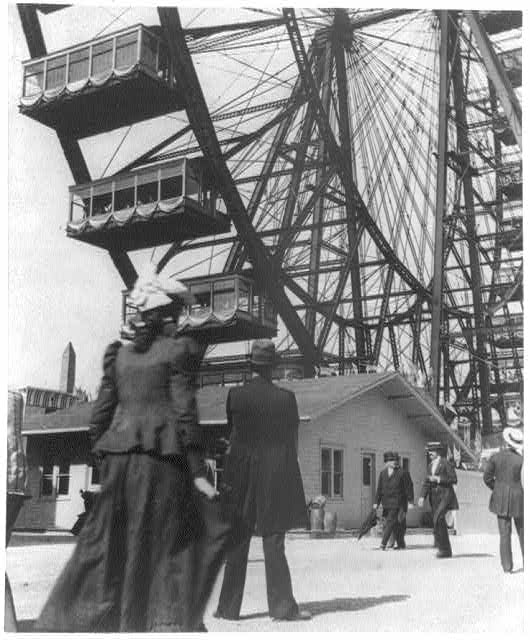 · 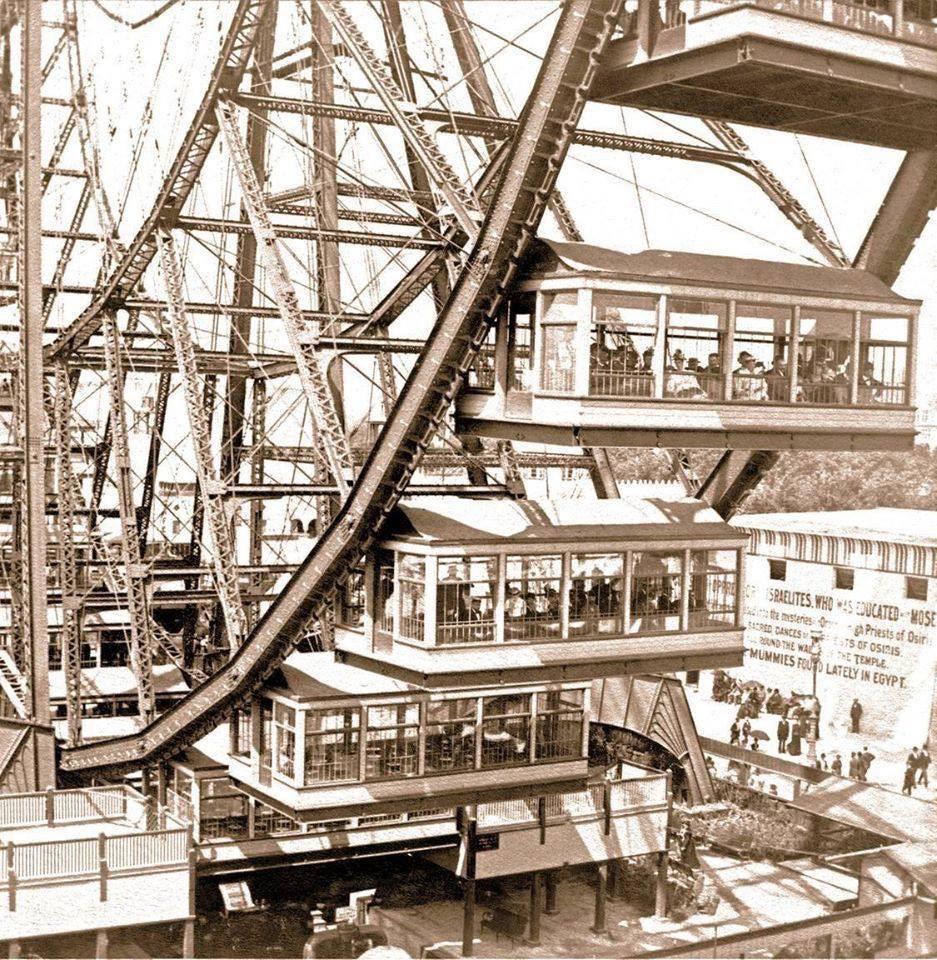 · 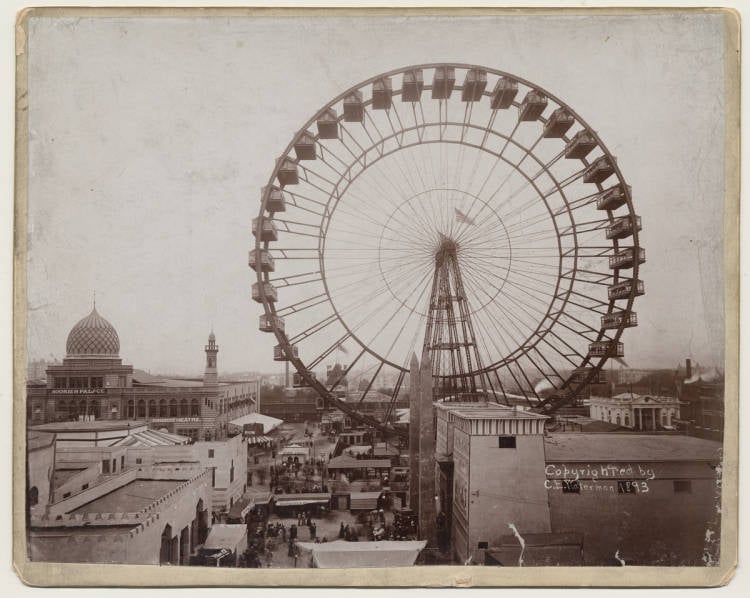 · |
|
#4
●
09-15-2026, 12:42 PM
| ||||||||
 My Rank: FIRST LIEUTENANT Poster Rank:243 Male Join Date: Jun 2009 Posts: 5,812
Contributions: 25
Mentioned: 1 Post(s) Quoted: 735 Post(s)
| ||||||||
|
Re: Woman's Scalp Torn Off After Being Caught in Ferris Wheel Bearings
what kinda ferris wheel is that, and what are they doing .. save her or shave her?   |
|
#5
●
09-15-2026, 05:20 PM
| ||||||||
 My Rank: GUNNERY SERGEANT Poster Rank:612 Join Date: Aug 2017 Posts: 1,514 Mentioned: 0 Post(s) Quoted: 272 Post(s)
| ||||||||
|
Re: Woman's Scalp Torn Off After Being Caught in Ferris Wheel Bearings
Think of how much she will save on shampoo, conditioner, hair brushes, combs? That doesn’t even include time brushing and styling it!
|
|
#7
●
09-16-2026, 11:43 PM
| ||||||||
 My Rank: PRIVATE Poster Rank:8796 female Join Date: Oct 2025 Posts: 20 Mentioned: 0 Post(s) Quoted: 3 Post(s)
| ||||||||
|
Re: Woman's Scalp Torn Off After Being Caught in Ferris Wheel Bearings
That has to be the sketchiest Ferris wheel I think I've ever seen...and I'm guessing that because it is in India, it doesn't have an e-stop button!
|