|
#1
●
11-07-2007, 05:08 AM
| ||||||||
 Super ********* Poster Rank:1039 Join Date: Oct 2006 Posts: 659 Mentioned: 0 Post(s) Quoted: 8 Post(s)
| ||||||||
|
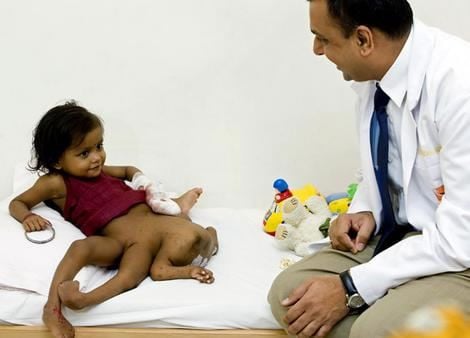
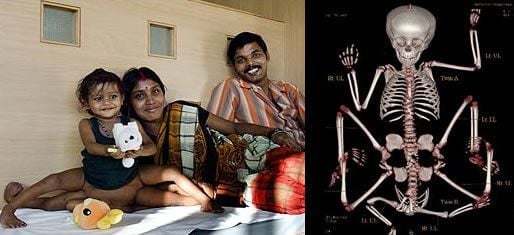
Surgery for eight-limbed girl
What the ???  |
|
#2
●
11-07-2007, 07:28 AM
| ||||||||
 idiot savant with a ban stick Poster Rank:23 Join Date: Oct 2006 Posts: 54,352
Contributions: 29
Mentioned: 63 Post(s) Quoted: 237 Post(s)
| ||||||||
|
Re: Surgery for eight-limbed girl
That's amazing.
__________________ "Knowledge is often mistaken for intelligence. This is like mistaking a cup of milk for a cow" |
|
#3
●
11-07-2007, 08:24 AM
| ||||||||
 My Rank: LANCE CORPORAL Poster Rank:1867 Join Date: Feb 2007 Posts: 274 Mentioned: 0 Post(s) Quoted: 5 Post(s)
| ||||||||
|
Re: Surgery for eight-limbed girl
Wow, hadn't seen the pic before! Hope the surgery turns out well [EDIT]: Apparently it was a success! Source |
|
#5
●
11-07-2007, 03:32 PM
| ||||||||
 ✝Mudderator from Hell✝ Poster Rank:11 e-mail Join Date: Oct 2006 Posts: 96,302
Contributions: 817
Mentioned: 476 Post(s) Quoted: 10304 Post(s)
| ||||||||
|
Re: Surgery for eight-limbed girl
A great achievement and i hope she's gonna grow up like a normal child.  |
|
#6
●
08-06-2008, 03:22 PM
| ||||||||
 ★ ★ GENERAL ★ ★ Poster Rank:36 male Join Date: Oct 2006 Posts: 41,957
Contributions: 35
Mentioned: 2237 Post(s) Quoted: 21113 Post(s)
| ||||||||
|
Re: Surgery for eight-limbed girl
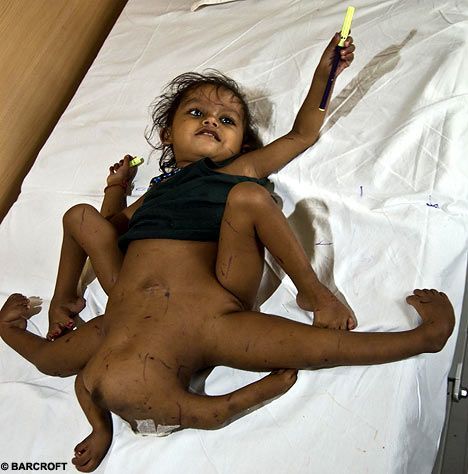
This 2 year old is not a Spider, although she has 8 limbs. 4 arms and 4 legs. Lakshmi was born joined to a “parasitic twin” and absorbed the undeveloped fetus’ limbs, kidneys and organs when it failed to fully develop still inside the mothers womb. The Hindu’s believe she is the reincarnation of the Hindu Goddess Vishnu.
 ·
__________________ Support the site and our continued existance by upgrading to a Green Name |
|
#10
●
12-12-2008, 01:17 AM
| ||||||||
 My Rank: PRIVATE Poster Rank:11489 Join Date: Dec 2008 Posts: 10 Mentioned: 0 Post(s) Quoted: 0 Post(s)
| ||||||||
|
Re: Surgery for eight-limbed girl
i'm pretty sure her anus and other cavities are just on the underside of her, but she had the extra limbs removed so i'm assuming the alignment of everything is more normal now after surgery.
|