|
#11
●
12-28-2012, 09:56 AM
| ||||||||
 My Rank: PRIVATE Poster Rank:6867 I'm not a woman. I'm not a man. I am something that you'd never understand... Join Date: Feb 2010 Posts: 30 Mentioned: 0 Post(s) Quoted: 4 Post(s)
| ||||||||
|
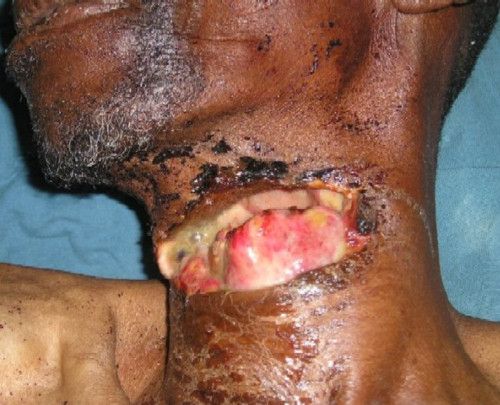
Re: Suicidal Throat Cut Attempt
Dude has 12 kids he can't take care of, so he cuts his neck... Seems like he shoulda cut a DIFFERENT part of his anatomy!  |
|
#12
●
12-28-2012, 10:21 AM
| ||||||||
 facta non verba Poster Rank:65 Join Date: Feb 2012 Posts: 23,922
Contributions: 56
Mentioned: 37 Post(s) Quoted: 8496 Post(s)
| ||||||||
|
Re: Suicidal Throat Cut Attempt
Wow he made a pretty good effort........not a method I'd choose! 
__________________ Run, rabbit run Dig that hole, forget the sun |