|
#1
●
03-12-2013, 07:10 AM
| ||||||||
 My Rank: FIRST SERGEANT Poster Rank:425 Male Join Date: Dec 2012 Posts: 2,771
Contributions: 30
Mentioned: 6 Post(s) Quoted: 387 Post(s)
| ||||||||
|
Pressure Ulcers, Aka Decubitus Ulcers
Pressure ulcers, also known as decubitus ulcers or bedsores, are localized injuries to the skin and/or underlying tissue usually over a bony prominence, as a result of pressure, or pressure in combination with shear and/or friction. Most commonly this will be the sacrum, coccyx, heels or the hips, but other sites such as the elbows, knees, ankles or the back of the cranium can be affected. The cause of pressure ulcers is pressure applied to soft tissue so that blood flow to the soft tissue is completely or partially obstructed. Shear is also a cause; shear pulls on blood vessels that feed the skin. Pressure ulcers most commonly develop in persons who are not moving about or are confined to wheelchairs. It is widely believed that other factors can influence the tolerance of skin for pressure and shear thereby increasing the risk of pressure ulcer development. These factors are protein-calorie malnutrition, microclimate (skin wetness caused by sweating or incontinence), diseases that reduce blood flow to the skin, such as arteriosclerosis or diseases that reduce the feeling in the skin, such as paralysis or neuropathy. The healing of pressure ulcers may be slowed by the age of the person, medical conditions (such as arteriosclerosis,diabetes or infection), smoking or medications such as antiinflammatory drugs. Although often prevented and treatable if found early, pressure ulcers can be very difficult to prevent in critically ill patients, frail elders, wheelchair users (especially where spinal injury is involved) and terminally ill patients. Primary prevention is to redistribute pressure by turning the patient regularly. The benefit of turning to avoid further sores is well documented since at least the 19th century. In addition to turning and re-positioning the patient in bed or wheelchair, eating a balanced diet with adequate protein and keeping the skin free from exposure to urine and stool is very important. 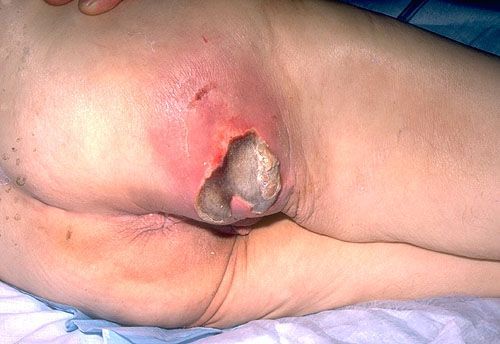 · 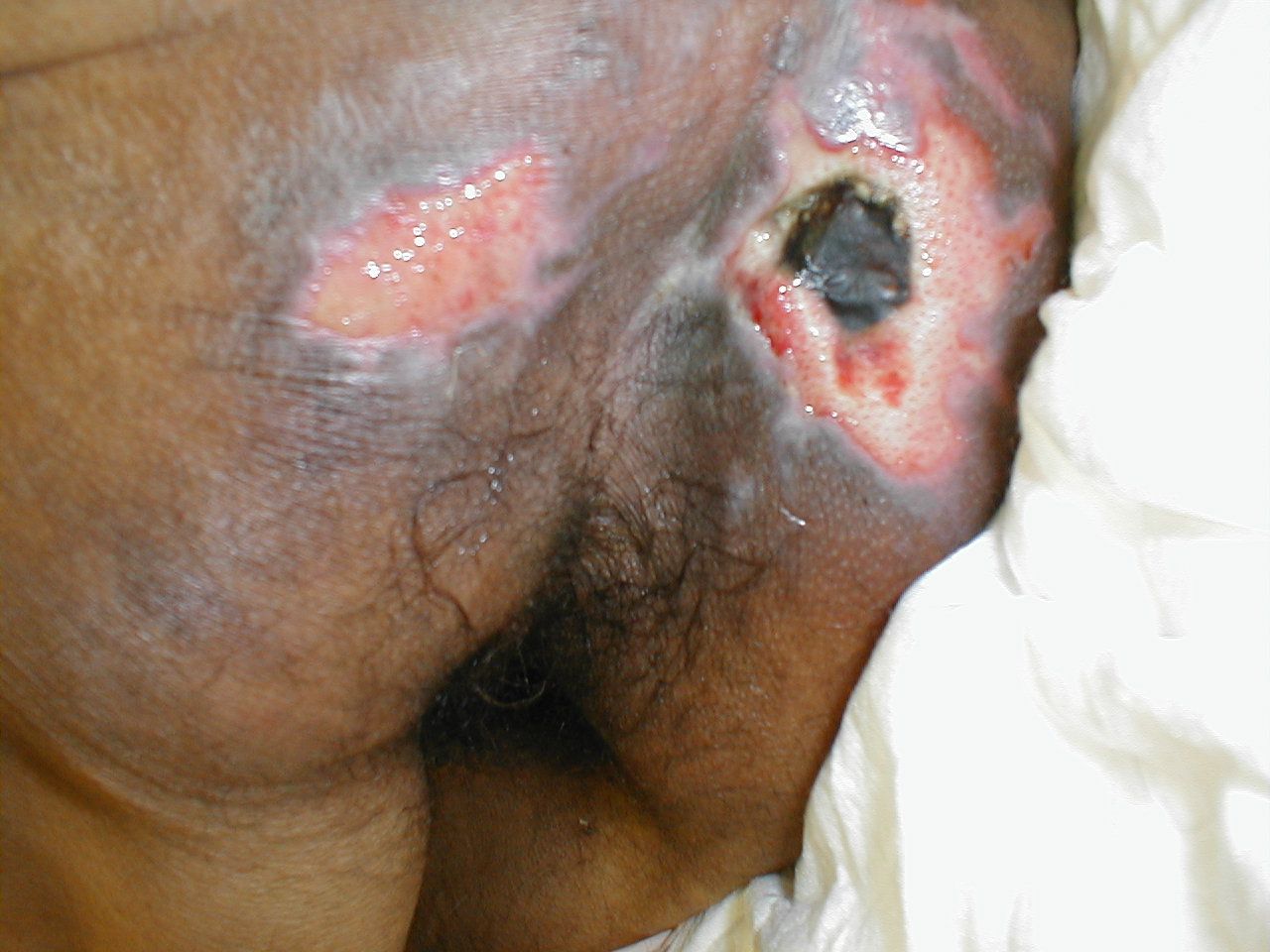 · 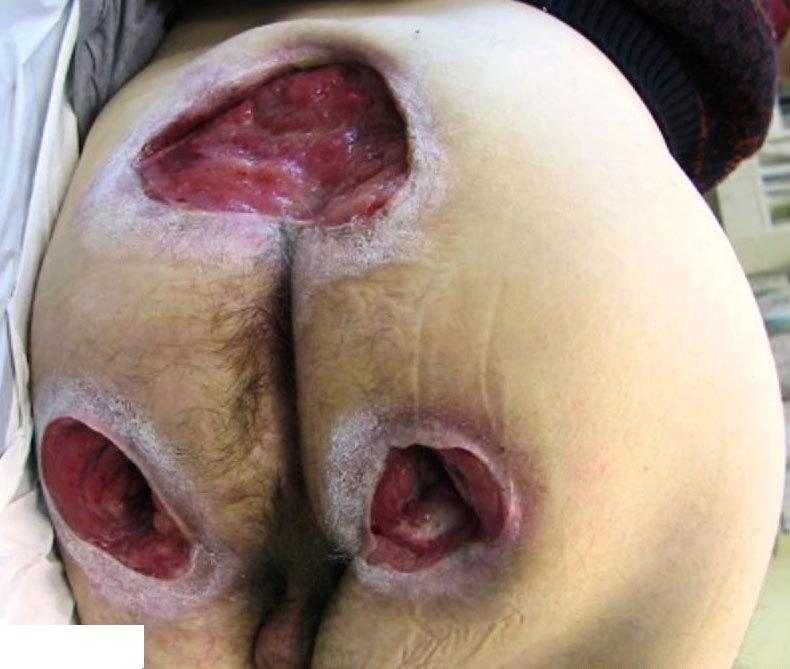 ·  · 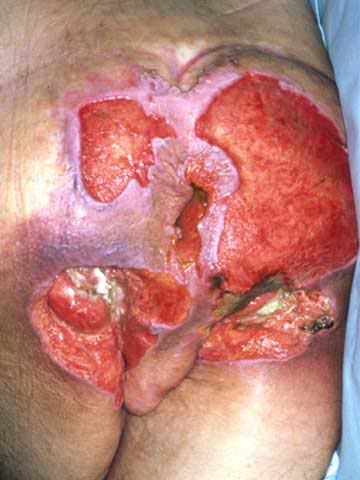 · 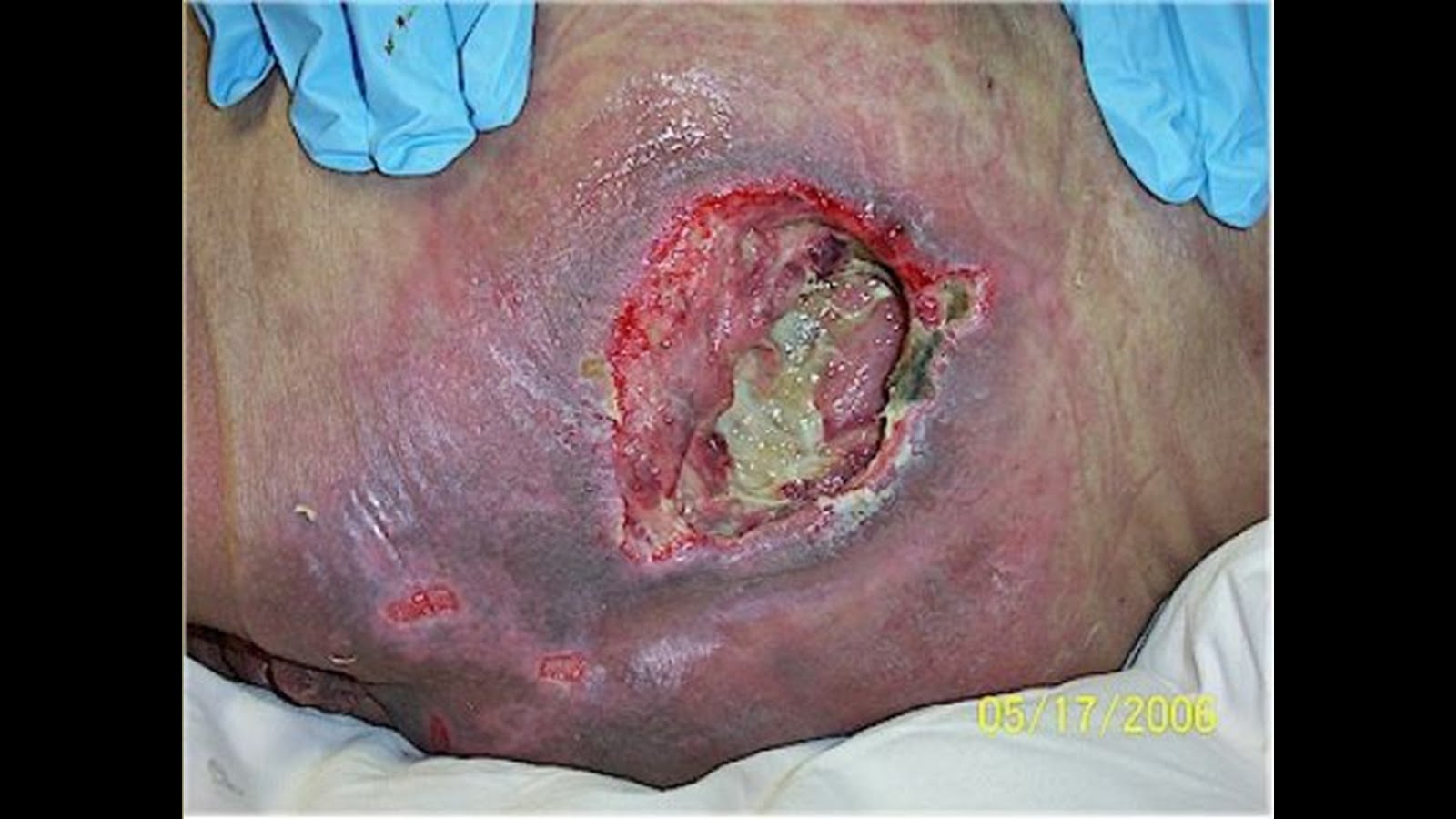 ·  · 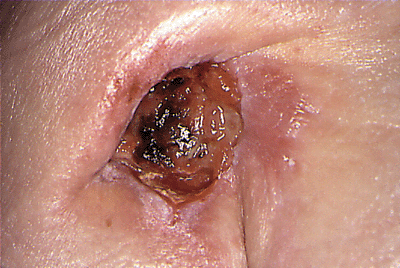 ·  · 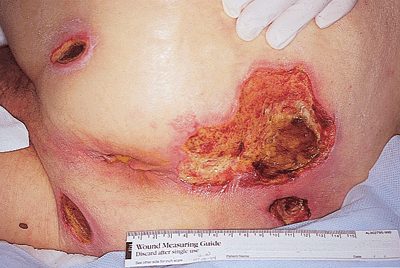 · |
|
#4
●
03-12-2013, 01:07 PM
| ||||||||
 Born in the USA Poster Rank:127 100% female Join Date: Jul 2012 Posts: 12,876
Contributions: 1
Mentioned: 81 Post(s) Quoted: 1799 Post(s)
| ||||||||
|
Re: Pressure Ulcers, Aka Decubitus Ulcers
That is terrible! And to think, all preventable by simply turning the patient every 2 hours & keeping them clean and dry.  |