|
#1
●
04-17-2013, 05:01 AM
|
 My Rank: FIRST SERGEANT Poster Rank:426 Male Join Date: Dec 2012 Posts: 2,751
Contributions: 30
2,751Posts 4,318Thanked 387Quoted 6Mentioned 30Contrib. |
|
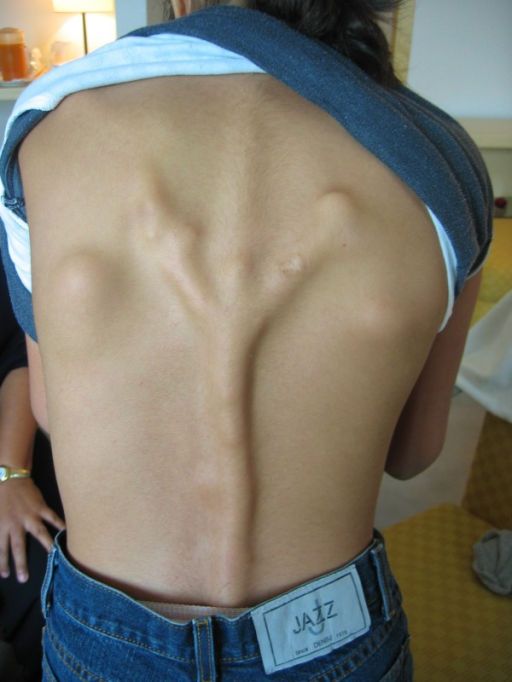
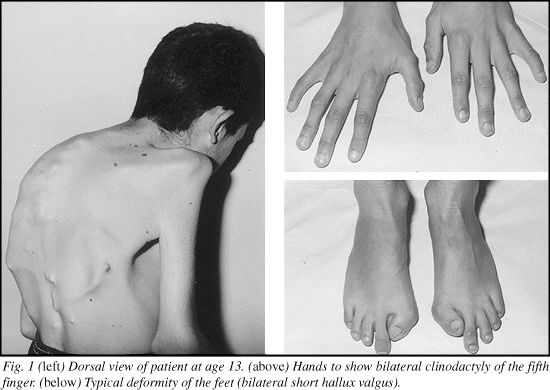
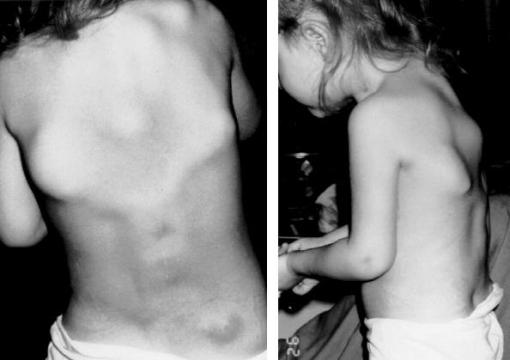
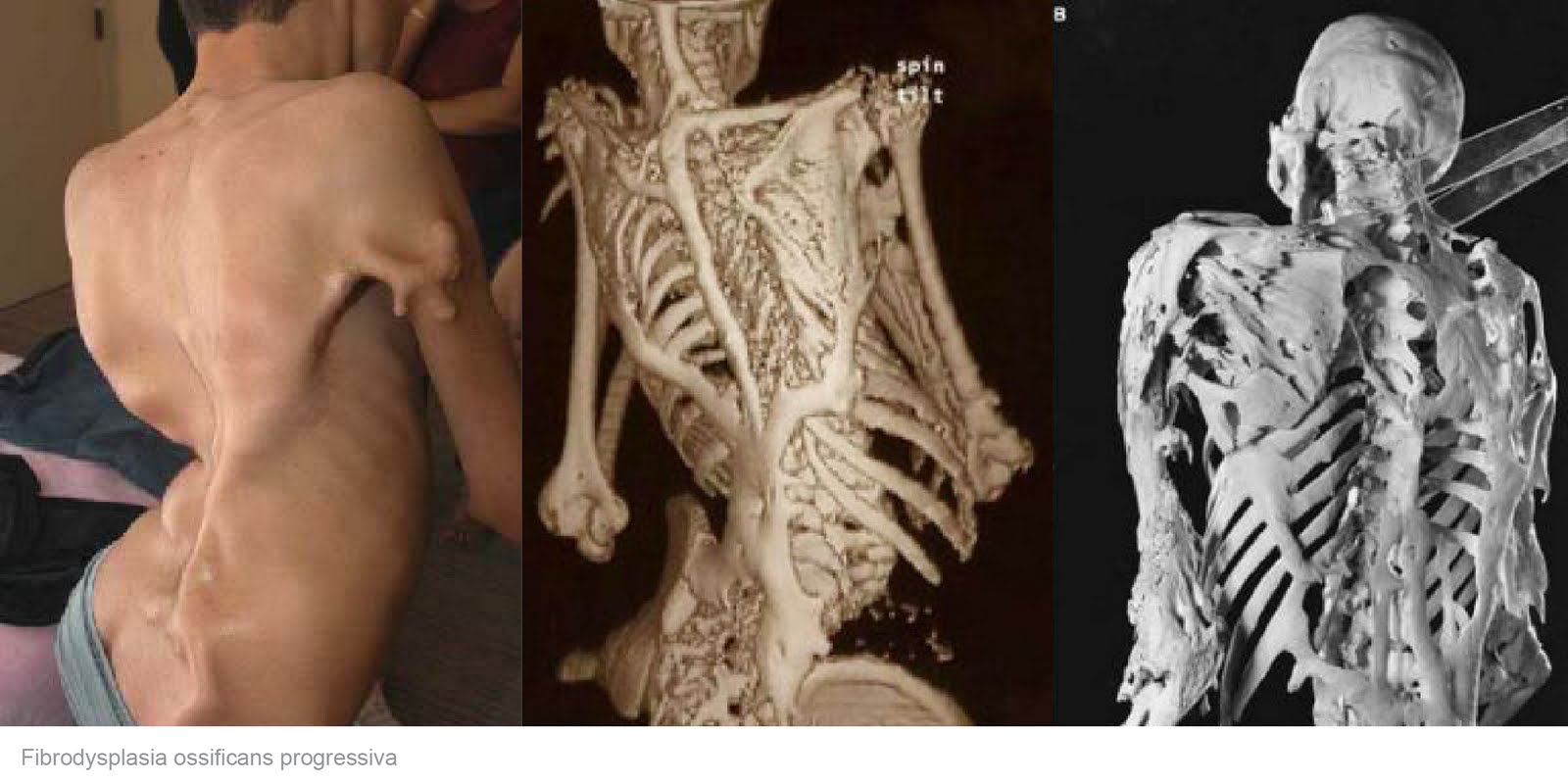
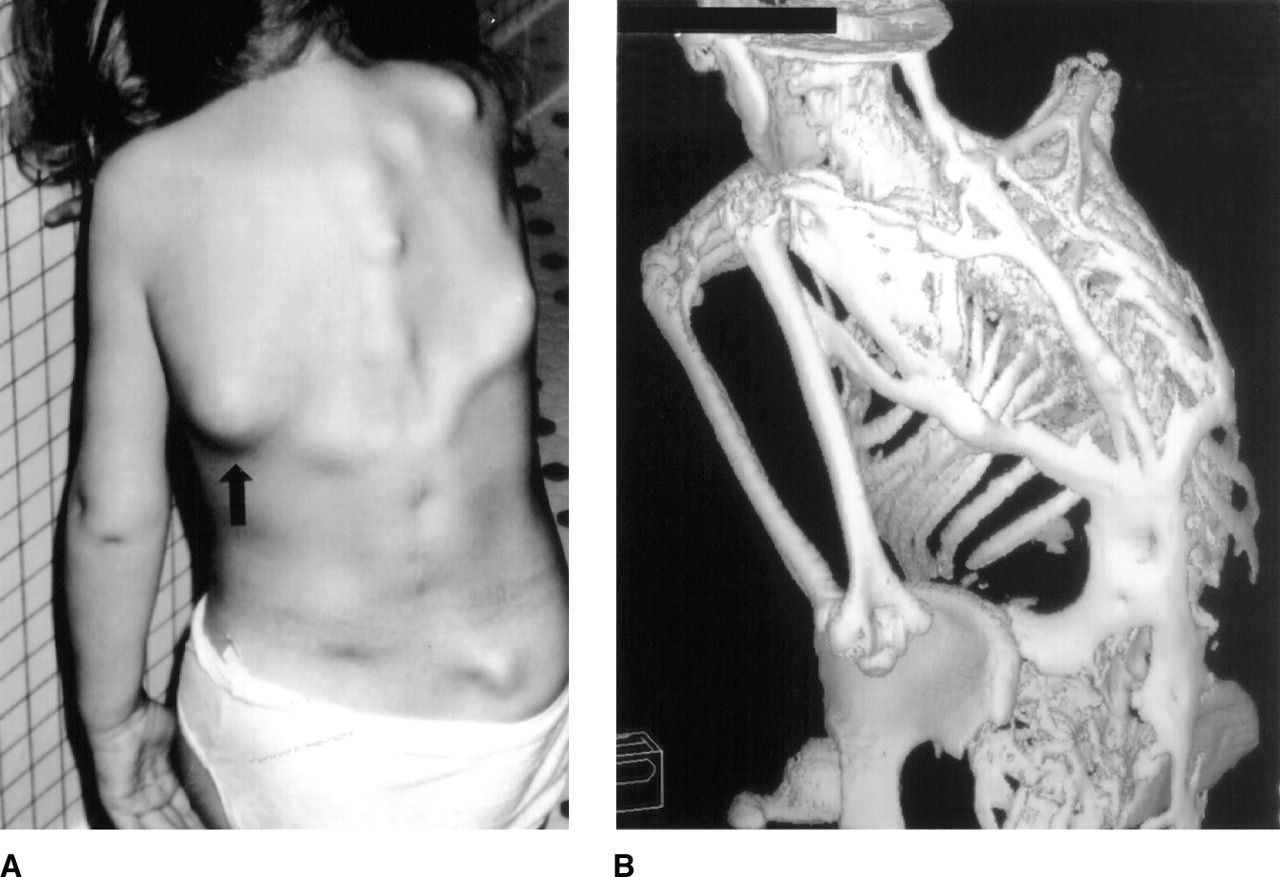
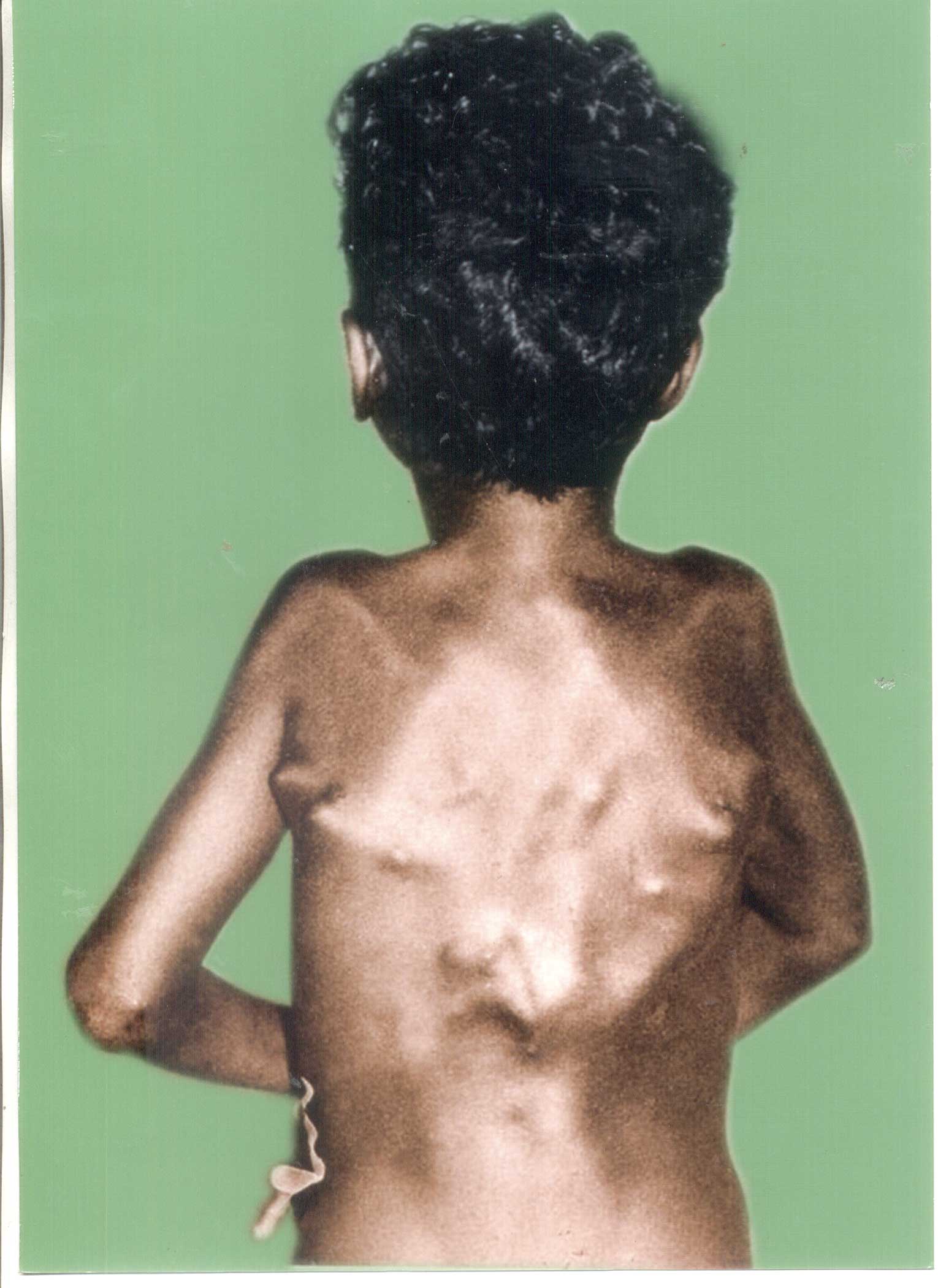
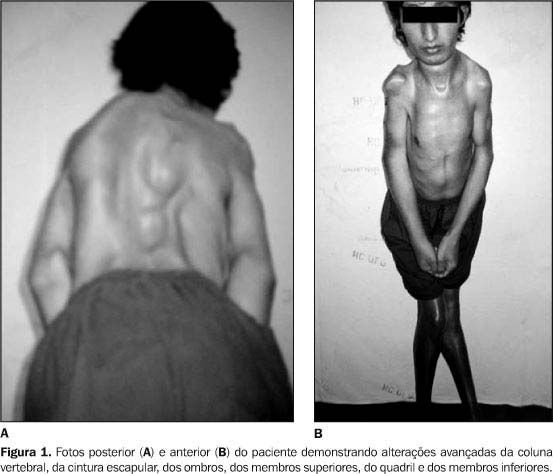
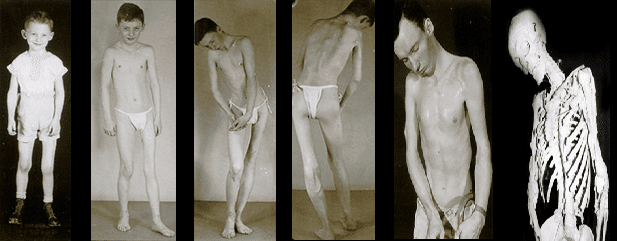
Pictures of Fibrodysplasia Ossificans Progressiva
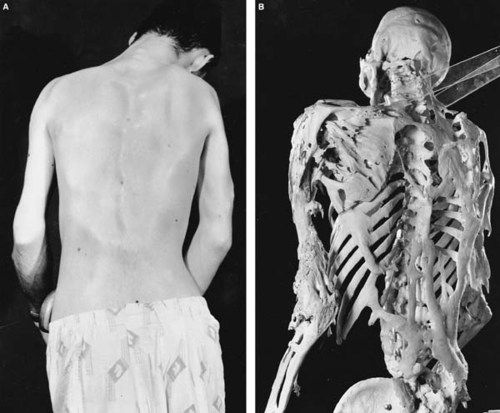 · 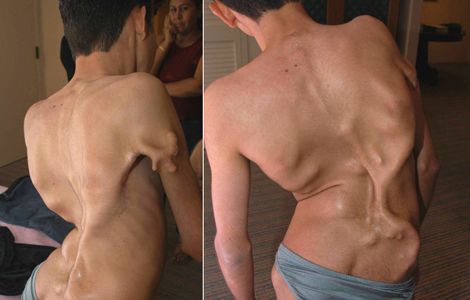 · 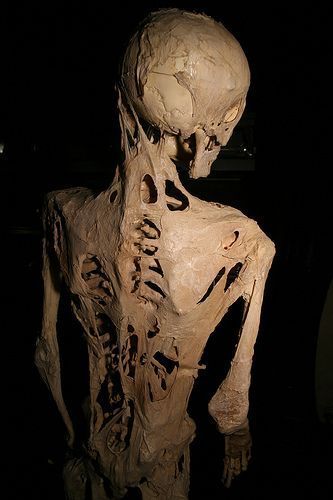 · 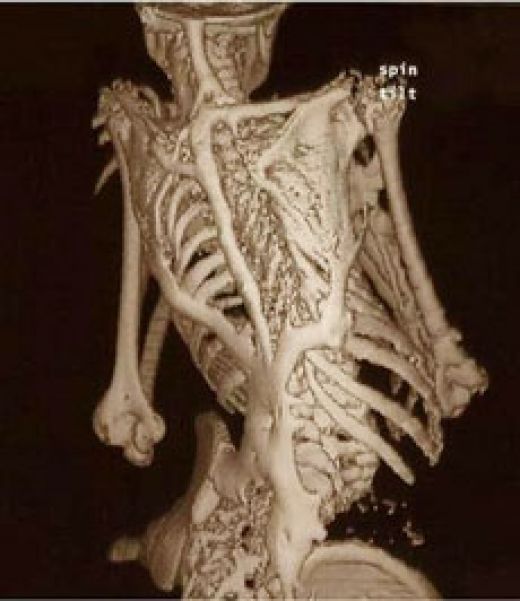 ·  ·  ·  ·  ·  ·  ·  ·  · |
|
#4
●
04-17-2013, 02:44 PM
|
| So Fucking Banned Poster Rank:672 Join Date: Dec 2009 Posts: 1,299 1,299Posts 2,098Thanked 267Quoted 14Mentioned 0Contrib. |
|
Re: Pictures of Fibrodysplasia Ossificans Progressiva
what a terrible disease. one of them is just a wee baby  |
|
#5
●
04-17-2013, 05:48 PM
|
 Yaut'ja Elite Poster Rank:549 Male Join Date: Jul 2009 Posts: 1,843
Contributions: 12
1,843Posts 1,909Thanked 107Quoted 3Mentioned 12Contrib. |
|
Re: Pictures of Fibrodysplasia Ossificans Progressiva
Oh man that is insane. Certainly one of the more fascinating disorders I've ever seen. I wonder if the formations are painful or just incredibly inconvenient?
|
|
#7
●
10-05-2018, 02:26 AM
|
 My Rank: PRIVATE Poster Rank:12430 Join Date: Apr 2012 Posts: 9 9Posts 8Thanked 0Quoted 0Mentioned 0Contrib. |
|
Re: Pictures of Fibrodysplasia Ossificans Progressiva
Imagine my surprise when I Google this because a guy I've been seeing has it, and it's on DR. I've been a lurker here for years. Haha. Sorry to necro the thread.
|