|
#1
●
04-22-2015, 03:07 PM
| ||||||||
| So Fucking Banned Poster Rank:766 ~Blut und ehre~ Join Date: Dec 2014 Posts: 1,058 Mentioned: 9 Post(s) Quoted: 588 Post(s)
| ||||||||
|
Pants Rabbits, Crotch Crickets, Body Buddies, And Other Tiny Livestock...
...PUBIC CRABS... The main symptom of infestation with crab lice is itching, usually in the pubic-hair area, resulting from hypersensitivity to louse saliva, which can become stronger over two or more weeks following initial infestation. In some infestations, a characteristic grey-blue or slate coloration appears (maculae caeruleae) at the feeding site, which may last for days. Current worldwide prevalence has been estimated at 2% of the human population, but accurate numbers are difficult to gauge because crab lice infestations are not considered a reportable condition by many governments, and many cases are self-treated or treated discreetly by primary physicians. Crab lice usually infect a new host only by close contact between individuals, usually through sexual intercourse. Adults are more frequently infested than children. Non-sexual transmissions may occur among family and roommates through the use of shared towels, clothing, beds or closets. They can only survive a short time away from the warmth and humidity of the human body. 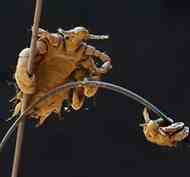 · 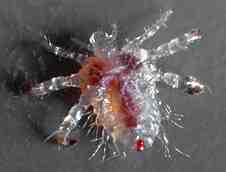 · 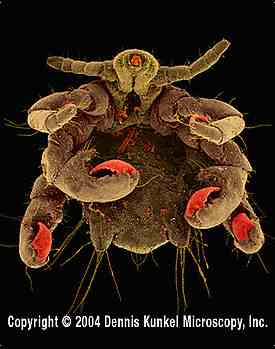 · 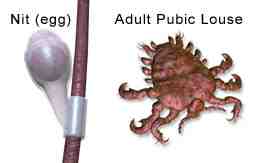 · |
|
#2
●
04-22-2015, 03:17 PM
| ||||||||
| So Fucking Banned Poster Rank:766 ~Blut und ehre~ Join Date: Dec 2014 Posts: 1,058 Mentioned: 9 Post(s) Quoted: 588 Post(s)
| ||||||||
|
Re: Pants Rabbits, Crotch Crickets, Body Buddies, And Other Tiny Livestock...
The eggs of the crab louse are laid usually on the coarse hairs of the genital and perianal regions of the human body. Crab lice may also be found on other areas of the body that have coarse and relatively sparse coverings of hair, such as the beard, moustache, eyelashes, underneath the arms. They do not generally occur on the finer hair of the scalp. The female lays about three eggs a day. The eggs take 6–8 days to hatch, and there are three nymphal stages which together take 10–17 days before the adult develops, making a total life cycle from egg to adult of 16–25 days. Adults live for up to 30 days. Crab lice feed exclusively on blood, and take a blood meal 4–5 times daily. Treatment: A lice-killing lotion containing 1% permethrin or a mousse containing pyrethrins and piperonyl butoxide can be used to treat pubic ("crab") lice. These products are available over-the-counter without a prescription at a local drug store or pharmacy. These medications are safe and effective when used exactly according to the instructions in the package or on the label. Lindane shampoo is a prescription medication that can kill lice and lice eggs. However, lindane is not recommended as a first-line therapy. Lindane can be toxic to the brain and other parts of the nervous system; its use should be restricted to patients who have failed treatment with or cannot tolerate other medications that pose less risk. Lindane should not be used to treat premature infants, persons with a seizure disorder, women who are pregnant or breast-feeding, persons who have very irritated skin or sores where the lindane will be applied, infants, children, the elderly, and persons who weigh less than 110 pounds. How to treat pubic lice infestations: (Warning: See special instructions for treatment of lice and nits on eyebrows or eyelashes. The lice medications described in this section should not be used near the eyes.) Wash the infested area; towel dry. Carefully follow the instructions in the package or on the label. Thoroughly saturate the pubic hair and other infested areas with lice medication. Leave medication on hair for the time recommended in the instructions. After waiting the recommended time, remove the medication by following carefully the instructions on the label or in the box. Following treatment, most nits will still be attached to hair shafts. Nits may be removed with fingernails or by using a fine-toothed comb. Put on clean underwear and clothing after treatment. To kill any lice or nits remaining on clothing, towels, or bedding, machine-wash and machine-dry those items that the infested person used during the 2–3 days before treatment. Use hot water (at least 130°F) and the hot dryer cycle. Items that cannot be laundered can be dry-cleaned or stored in a sealed plastic bag for 2 weeks. All sex partners from within the previous month should be informed that they are at risk for infestation and should be treated. Persons should avoid sexual contact with their sex partner(s) until both they and their partners have been successfully treated and reevaluated to rule out persistent infestation. Repeat treatment in 9–10 days if live lice are still found. Persons with pubic lice should be evaluated for other sexually transmitted diseases (STDs). Special instructions for treatment of lice and nits found on eyebrows or eyelashes: If only a few live lice and nits are present, it may be possible to remove these with fingernails or a nit comb. If additional treatment is needed for lice or nits on the eyelashes, careful application of ophthalmic-grade petrolatum ointment (only available by prescription) to the eyelid margins 2–4 times a day for 10 days is effective. Regular petrolatum (e.g., Vaseline)* should not be used because it can irritate the eyes if applied. |
|
#3
●
04-22-2015, 06:11 PM
| ||||||||
 LLKH Poster Rank:17 dong Join Date: Jun 2010 Posts: 65,871 Mentioned: 222 Post(s) Quoted: 36941 Post(s)
| ||||||||
|
Re: Pants Rabbits, Crotch Crickets, Body Buddies, And Other Tiny Livestock...
They're so cute!
|
|
#4
●
04-22-2015, 07:27 PM
| ||||||||
 My Rank: MAJOR Poster Rank:94 Male Join Date: Aug 2009 Posts: 17,002 Mentioned: 9 Post(s) Quoted: 1899 Post(s)
| ||||||||
|
Re: Pants Rabbits, Crotch Crickets, Body Buddies, And Other Tiny Livestock...
Mr. Krabs!
|
|
#5
●
04-22-2015, 11:12 PM
| ||||||||
| My Rank: STAFF SERGEANT Poster Rank:827 Join Date: Apr 2010 Posts: 942 Mentioned: 10 Post(s) Quoted: 501 Post(s)
| ||||||||
|
Re: Pants Rabbits, Crotch Crickets, Body Buddies, And Other Tiny Livestock...
Nice. There's even tinier creatures living on our skin that are of mainly two types. One has a crab like structure and the other is more elongated. Wash excessively and one becomes more predominant. Anyway, they are always on us. I'm sure someone can tell us more about this. |
|
#6
●
04-22-2015, 11:41 PM
| ||||||||
| So Fucking Banned Poster Rank:766 ~Blut und ehre~ Join Date: Dec 2014 Posts: 1,058 Mentioned: 9 Post(s) Quoted: 588 Post(s)
| ||||||||
|
Re: Pants Rabbits, Crotch Crickets, Body Buddies, And Other Tiny Livestock...
Sssh! You'll spoil all the surprises!  |
|
#7
●
04-23-2015, 12:25 AM
| ||||||||
 ★ Legacy Member ★ Poster Rank:188 female Join Date: Oct 2013 Posts: 8,135 Mentioned: 19 Post(s) Quoted: 1185 Post(s)
| ||||||||
|
Re: Pants Rabbits, Crotch Crickets, Body Buddies, And Other Tiny Livestock...
I know! I have a little stuffed "dust mite" that I had them throw in as a bonus when I bought my new mattress- so cute, lol!  |
|
#8
●
04-23-2015, 03:43 AM
| ||||||||
 ✝Mudderator from Hell✝ Poster Rank:10 e-mail Join Date: Oct 2006 Posts: 96,538
Contributions: 817
Mentioned: 476 Post(s) Quoted: 10336 Post(s)
| ||||||||
|
Re: Pants Rabbits, Crotch Crickets, Body Buddies, And Other Tiny Livestock...
i feel all itchy reading about them  |
|
#9
●
04-27-2015, 09:26 PM
| ||||||||
| So Fucking Banned Poster Rank:766 ~Blut und ehre~ Join Date: Dec 2014 Posts: 1,058 Mentioned: 9 Post(s) Quoted: 588 Post(s)
| ||||||||
|
Re: Pants Rabbits, Crotch Crickets, Body Buddies, And Other Tiny Livestock...
Hookworm is a roundworm infestation affecting the small intestine and lungs. The worms are about 1/2 inch long. Complications of Hookworm Anemia Severe protein loss with fluid build-up in the abdomen (ascites) Other nutritional deficiencies Causes of Hookworm The disorder is caused by infestation with the roundworms Necator americanus, Ancylostoma duodenale, Ancylostoma ceylanicum, or Ancylostoma braziliense. The first two occur in humans only. The last types also occur in animals. Hookworm disease is widespread in the moist tropics and subtropics, and it affects over 1 billion people worldwide. In developing nations, the disease indirectly causes the death of many children by increasing their susceptibility to other infections that could normally be tolerated. There is very little risk of contracting the disease in the U.S. because of advances in sanitation and control of wastes. The larvae (immature form of the worm) penetrate the skin, where an itchy rash called ground itch may develop. The larvae migrate to the lungs via the bloodstream, enter the airways and cause coughing. After traveling up the windpipe, the larvas are swallowed. When the larvae are swallowed, they infect the small intestine and develop into adult worms. Adult worms and larvae are excreted in the feces. Most people have no symptoms once the worms enter the intestines. However, iron deficiency anemia caused by loss of blood may result from heavy infestation. Signs & Symptoms of Hookworm Abdominal discomfort Blood in the stool Bloody sputum Cough Diarrhea Fatigue Fever Gas Itchy rash Loss of appetite Nausea, vomiting Pallor Note: There are often no symptoms. The most common way people are infected is by going barefoot. 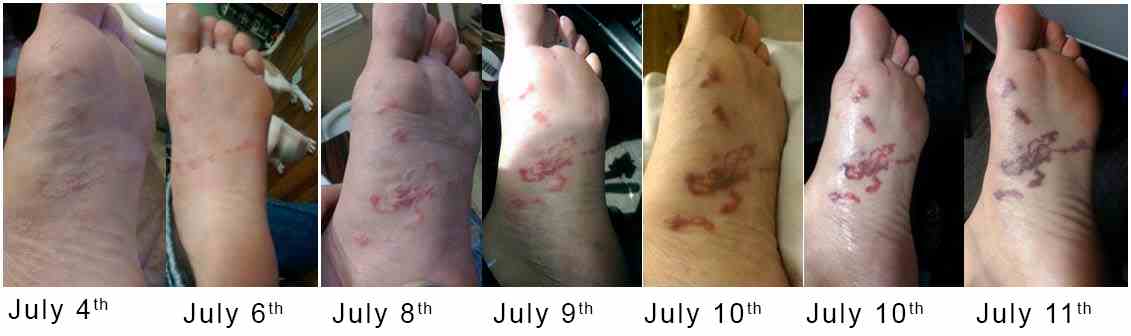 · 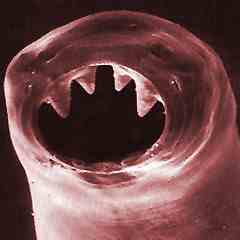 · 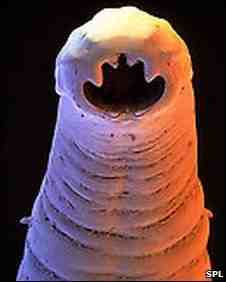 · 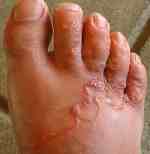 · 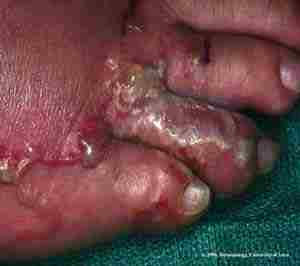 · |
|
#10
●
04-27-2015, 09:32 PM
| ||||||||
| So Fucking Banned Poster Rank:766 ~Blut und ehre~ Join Date: Dec 2014 Posts: 1,058 Mentioned: 9 Post(s) Quoted: 588 Post(s)
| ||||||||
|
Re: Pants Rabbits, Crotch Crickets, Body Buddies, And Other Tiny Livestock...
The hookworm's cycle is very efficient-it usually (but not always) enters through the feet, follows the bloodstream to the lungs. Once there, you cough and swallow-depositing the hookworm into your stomach where it then moves to your intestines. Nifty, eh?  |