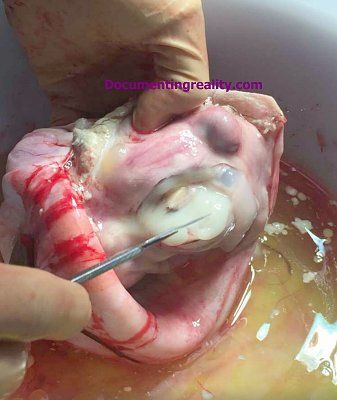
Ovarian teratoma is a type of germ cell tumour. Germ cell tumours are cancers that begin in egg cells in women or sperm cells in men. There are 2 main types of ovarian teratoma
Mature teratoma, which is benign
Immature teratoma, which is cancerous
Mature teratoma
The mature teratoma is the most common type of ovarian germ cell tumour. It is most often diagnosed in women during their reproductive years (from teens to forties).
Mature teratoma is often called a dermoid cyst. It is removed with surgery and the condition is then cured.
Immature teratomas:
Immature teratomas are usually diagnosed in girls and young women up to their early 20s. These cancers are rare. They are called immature because the cancer cells are at a very early stage of development. Most immature teratomas of the ovary are cured, even if they are diagnosed at an advanced stage.
Grading and staging ovarian teratoma
The grade and stage of your cancer is very important because they help your specialist to decide what treatment you need.
The grade describes how the cells look under a microscope. The less developed the cells look, the higher the grade. Higher grade cancers grow more quickly than low grade.
There are 3 different grades of immature teratoma. Generally, grade 1 teratomas are the slowest growing and least likely to spread.
The stage of a cancer tells you how far it has grown. In ovarian teratoma
Stage 1 means the cancer is only in the ovary (or both ovaries)
Stage 2 means the cancer has spread into the fallopian tube, womb, or elsewhere in the area circled by your hip bones (your pelvis)
Stage 3 means the cancer has spread to the lymph nodes or to the tissues lining the abdomen (called the peritoneum)
Stage 4 means the cancer has spread to another body organ some distance away, for example the lungs
Treating ovarian teratoma:
Surgery and chemotherapy are the treatments doctors most often use for immature teratoma of the ovary.
During your surgery, the surgeon (gynaecological oncologist) will remove the affected ovary but your other ovary will be left. This type of surgery is very different to surgery for the most common type of ovarian cancer, epithelial ovarian cancer.
As most women with ovarian teratoma are young, doctors are aware that they may want to have children in the future and so will remove as little tissue as possible.
During the operation, the surgeon examines the inside of your abdomen and your abdominal organs for signs of cancer. They may take biopsies and send them to the lab to look for cancer cells.
The surgeon will also wash out the inside of your abdomen and send the fluid to be checked for cancer cells. This all helps to make absolutely sure that the cancer hasn't spread.
If you have a grade 1 immature teratoma that has not spread outside the ovary (stage 1) then surgery is likely to cure it and you may not need chemotherapy.
If the cancer has spread beyond the ovary, your surgeon will remove some or all of the tumour, depending on where it is.
It is not uncommon to have tumour left behind. You then have chemotherapy once you have recovered from your surgery.
If there is any cancer left after you have had chemotherapy, you may have more surgery to remove it then. Immature teratomas of the ovary can often be cured with a combination of surgery and chemotherapy, even if they have spread when they are diagnosed.