|
#1
●
05-07-2013, 02:58 PM
| ||||||||
 My Rank: MAJOR Poster Rank:12 Join Date: Jun 2009 Posts: 93,128
Contributions: 226
Mentioned: 91 Post(s) Quoted: 2009 Post(s)
| ||||||||
|
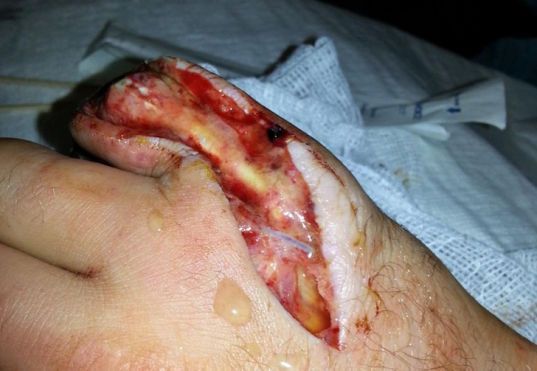
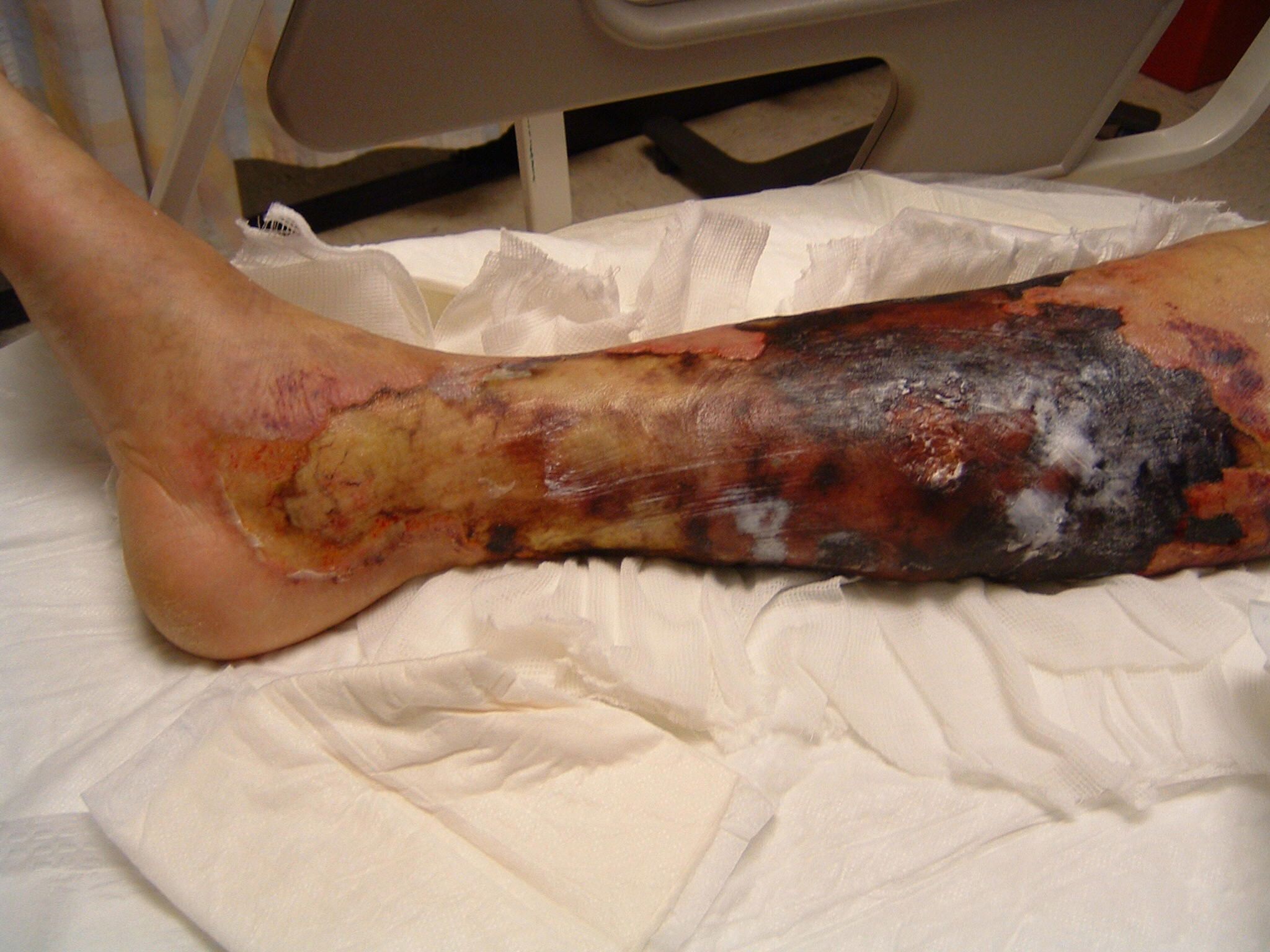
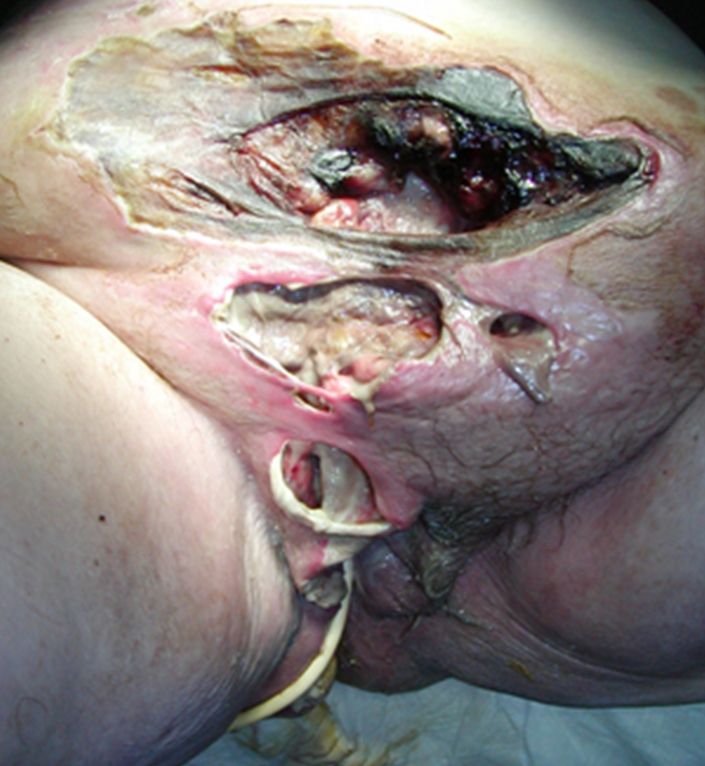
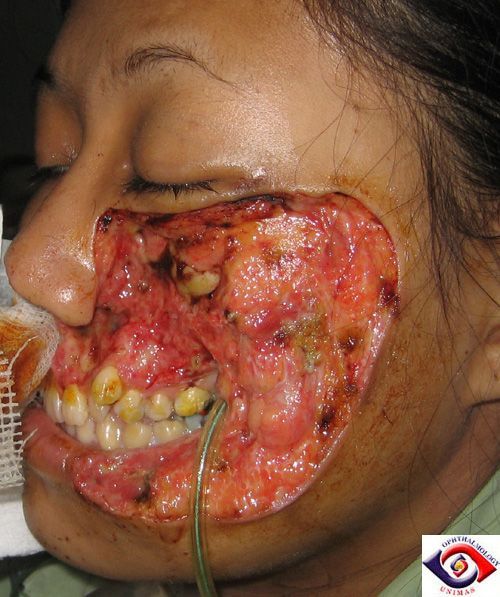
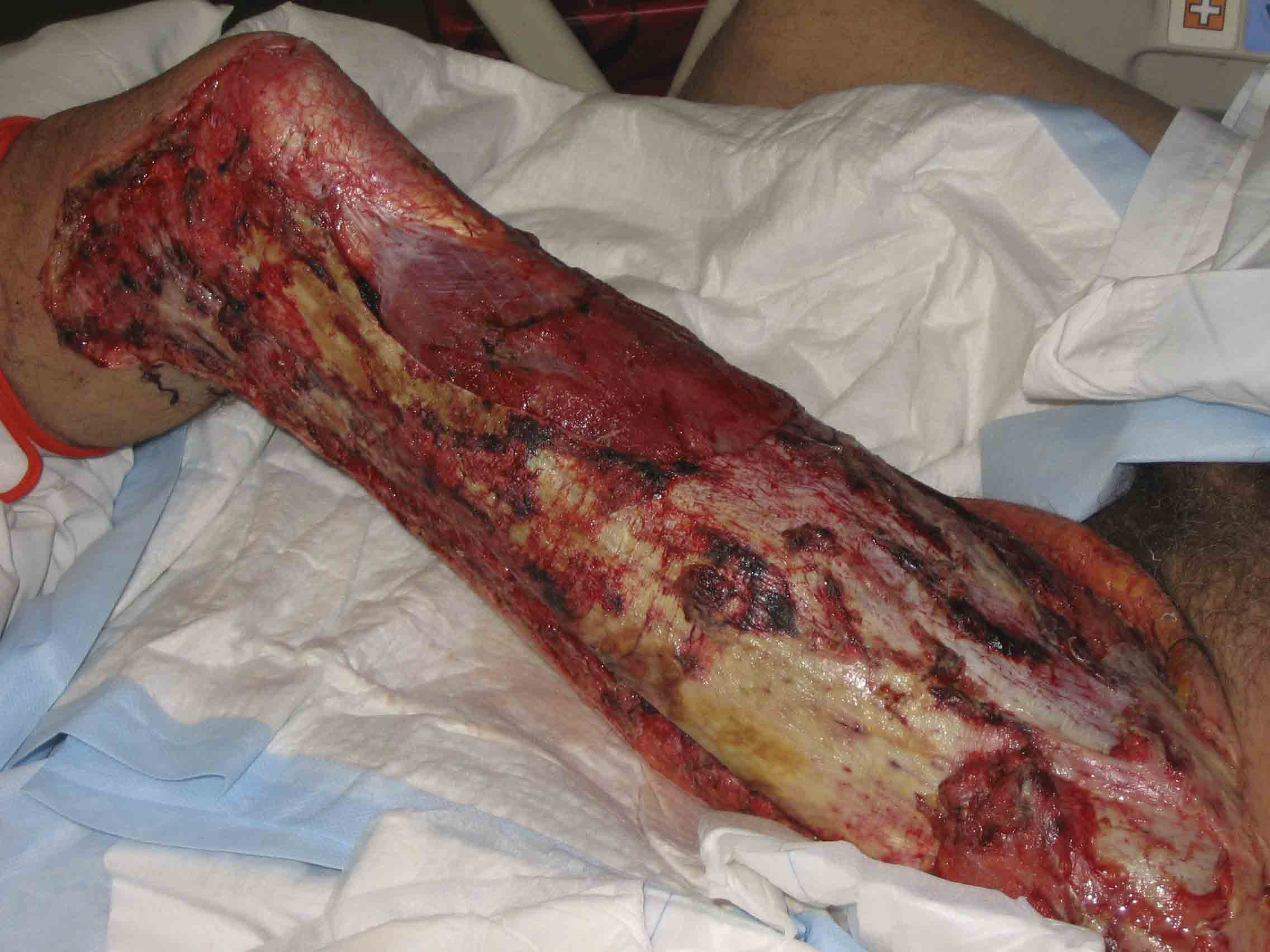
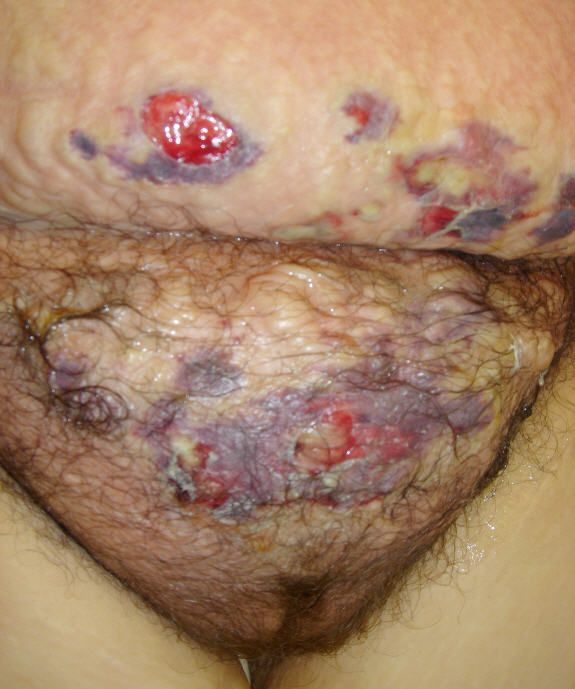
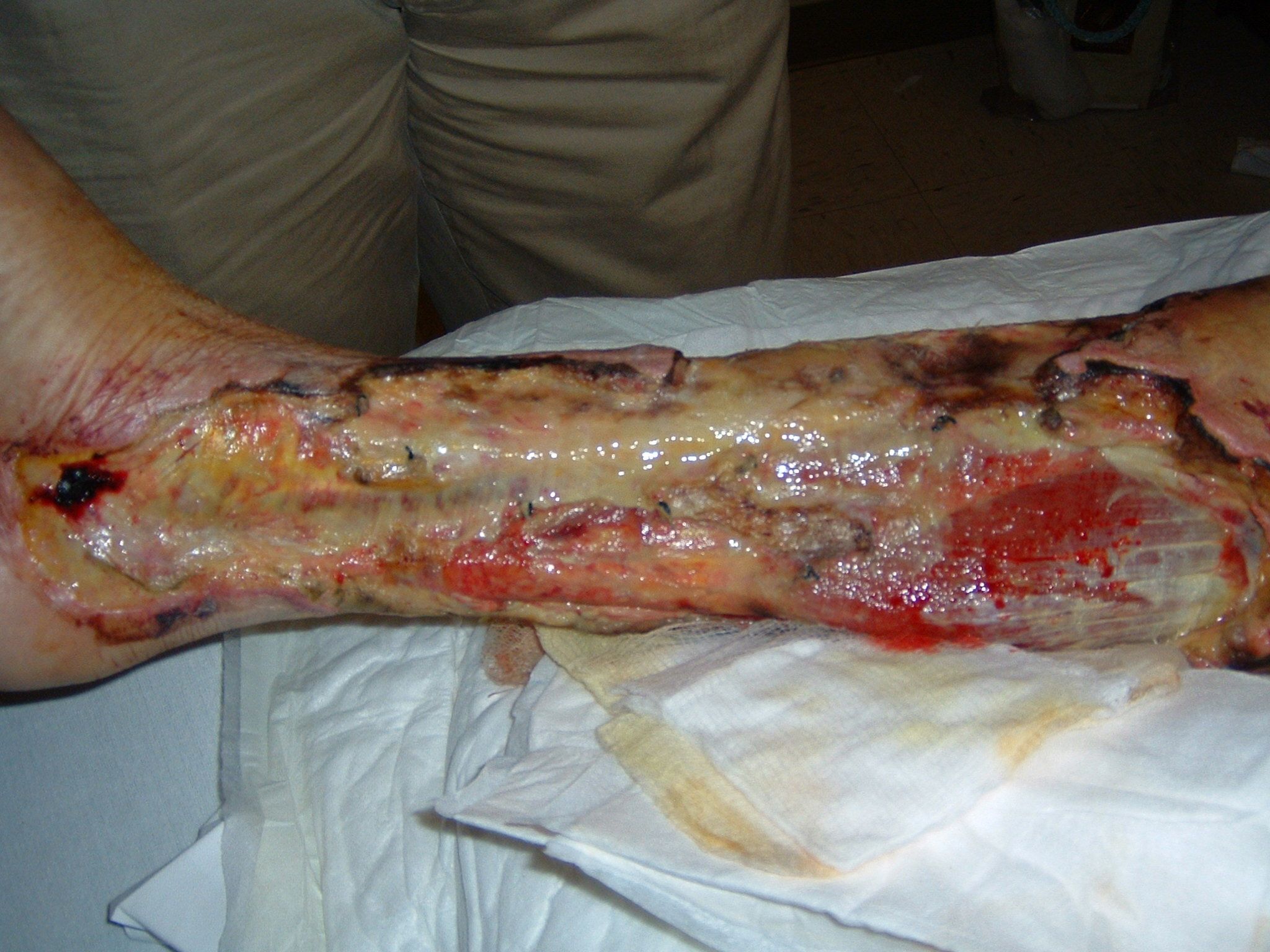
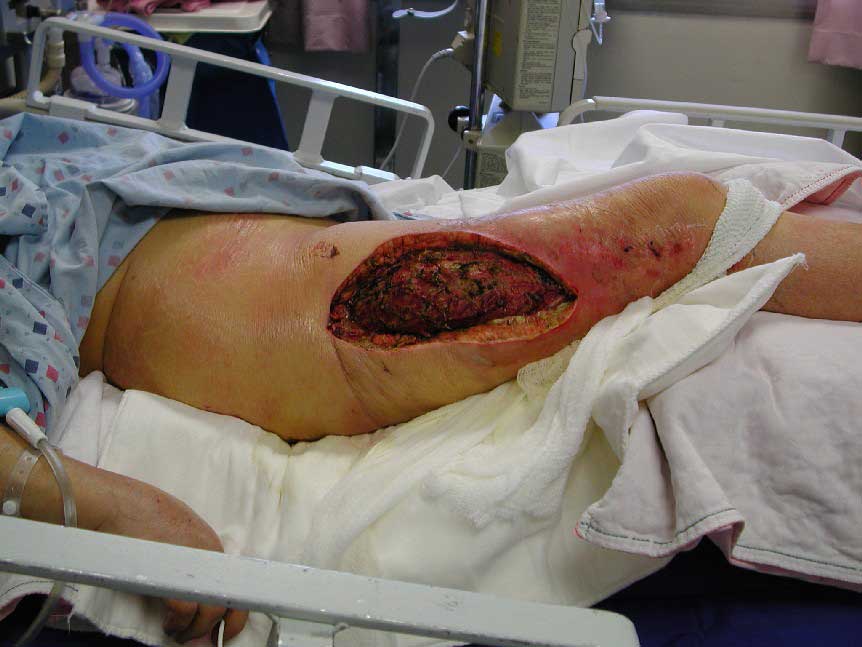
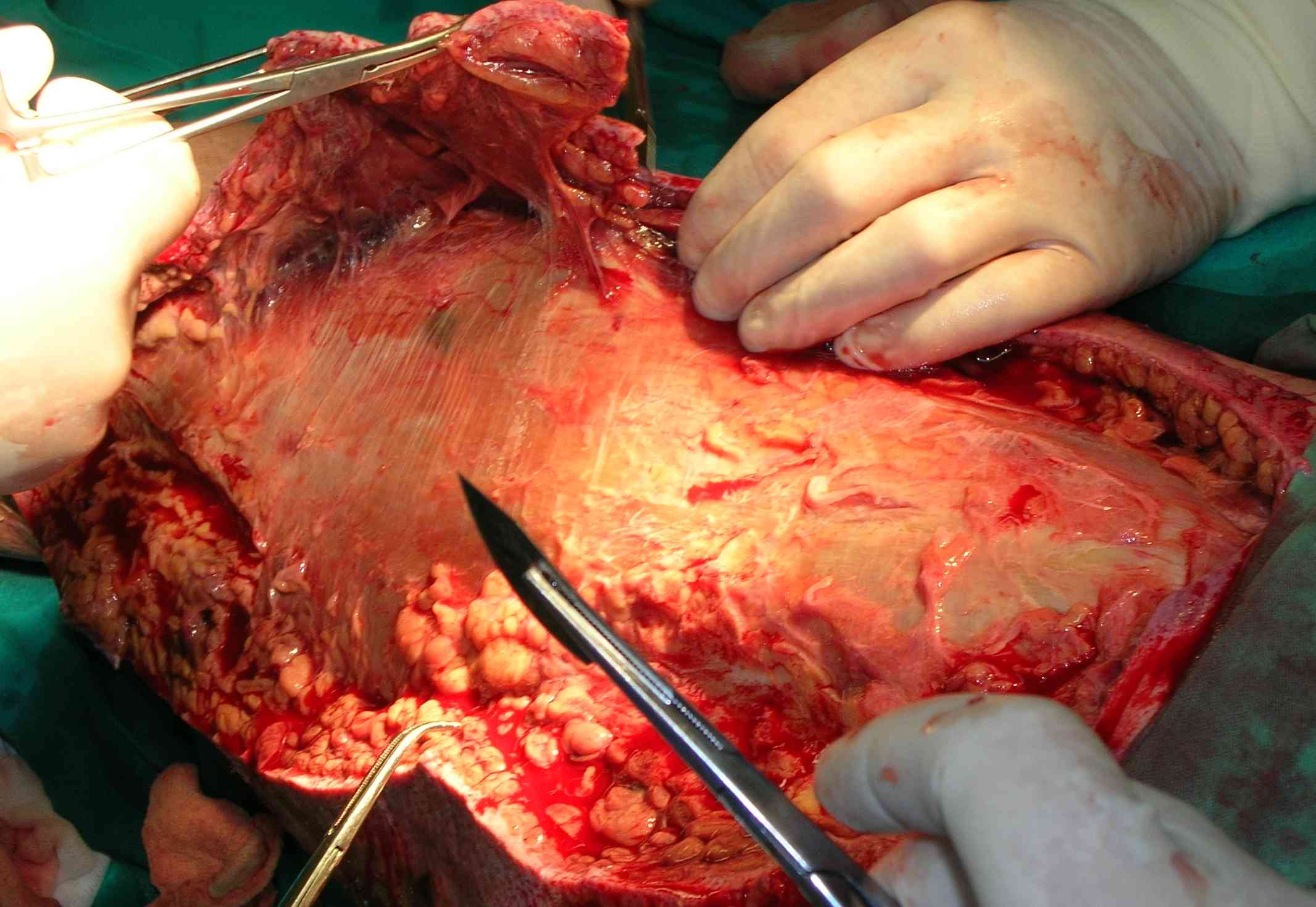
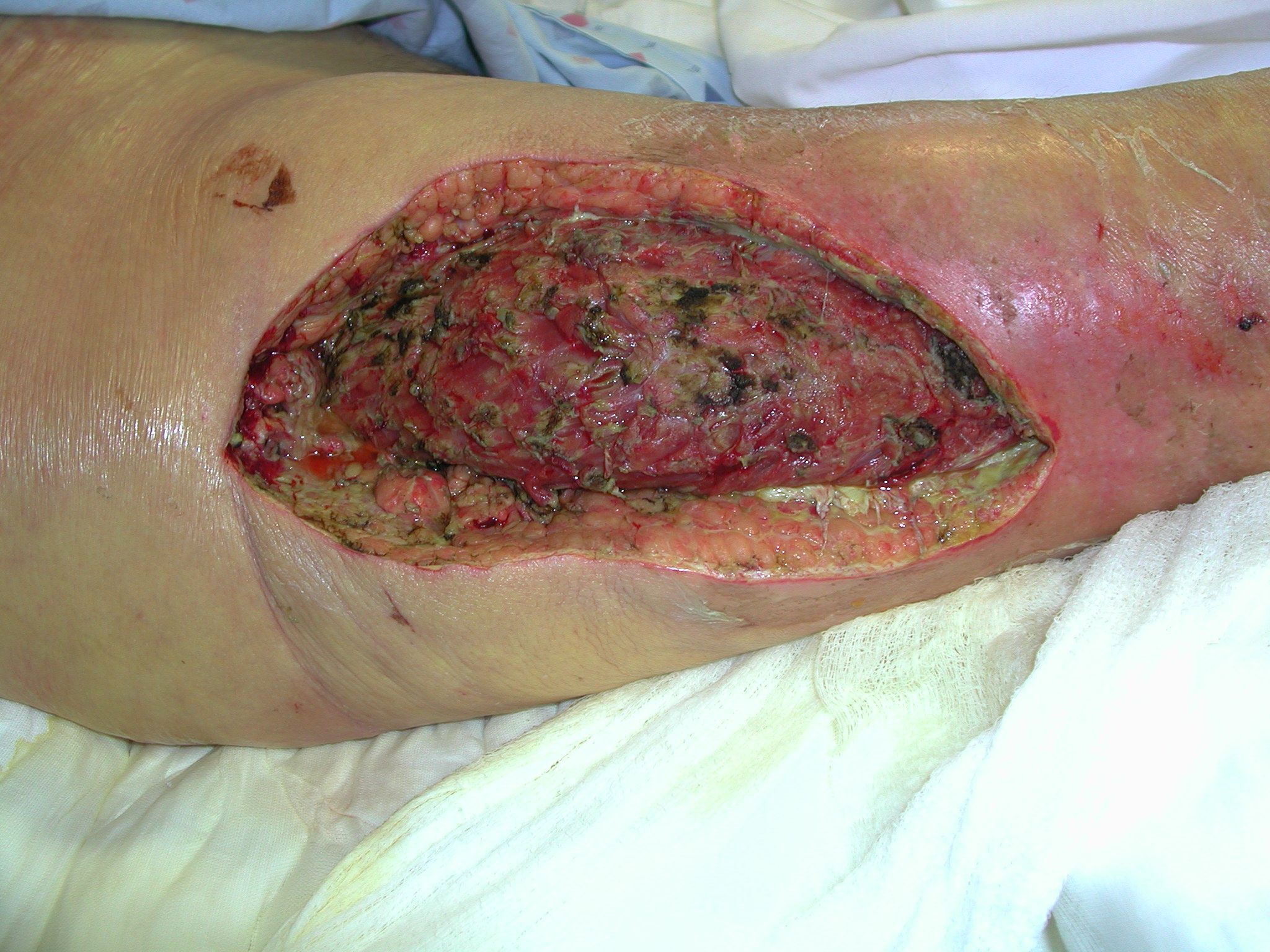
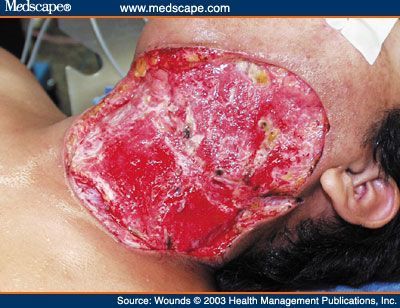
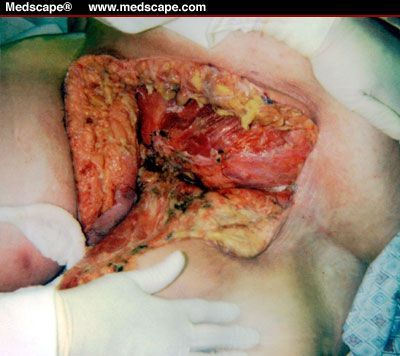
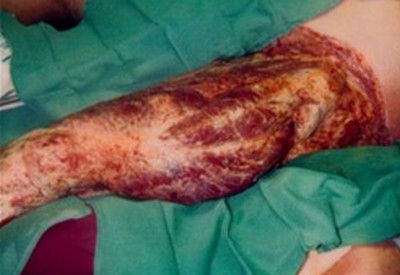
Necrotizing Fasciitis
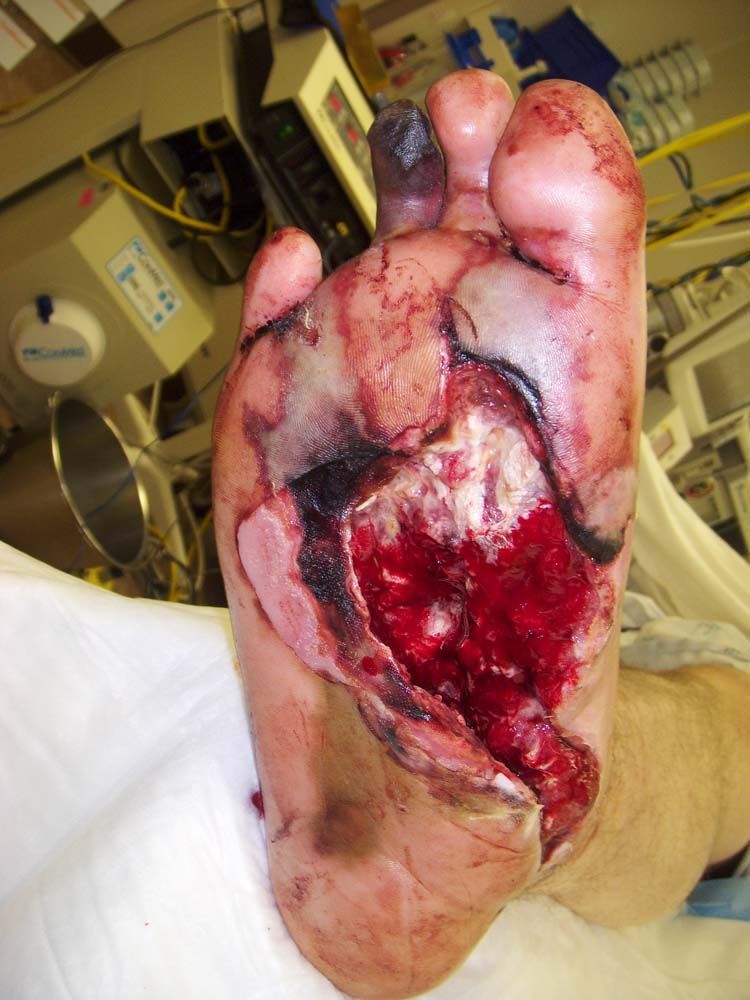 · 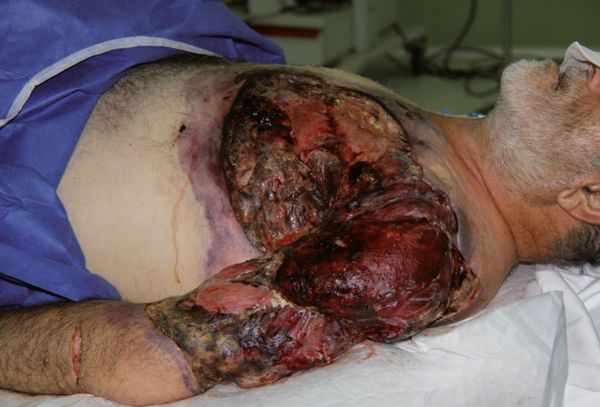 · 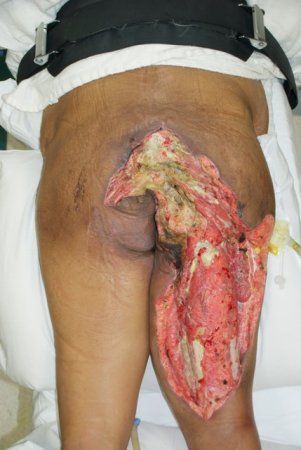 · 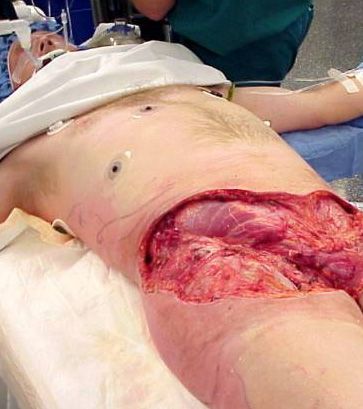 ·  ·  ·  ·  ·  ·  ·  ·  ·  ·  ·  ·  ·  ·  · |
|
#2
●
05-07-2013, 03:27 PM
| ||||||||
 My Rank: GUNNERY SERGEANT Poster Rank:606 Tenacious Bigmouth Join Date: Apr 2013 Posts: 1,533
Contributions: 3
Mentioned: 4 Post(s) Quoted: 621 Post(s)
| ||||||||
|
Re: Necrotizing Fasciitis
 yikes. Looks painful yikes. Looks painful  I think if i had it on my face like that poor girl, I would be callin Dr Kevorkian...... I think if i had it on my face like that poor girl, I would be callin Dr Kevorkian......  |
|
#3
●
05-07-2013, 03:33 PM
| ||||||||
 ★Wizard Of Gore★ Poster Rank:2 Join Date: Aug 2009 Posts: 127,904
Contributions: 1
Mentioned: 457 Post(s) Quoted: 30201 Post(s)
| ||||||||
|
Re: Necrotizing Fasciitis
One of my best friends had this in 1993. He lost half of his left leg and a good amount of flesh on his arms.   His arms/hands remained intact and he was able to go back to work a year later installing tile. His arms/hands remained intact and he was able to go back to work a year later installing tile.  |
|
#7
●
05-10-2013, 04:40 AM
| ||||||||
 My Rank: SERGEANT Poster Rank:1184 Join Date: Sep 2009 Posts: 541 Mentioned: 0 Post(s) Quoted: 50 Post(s)
| ||||||||
|
Re: Necrotizing Fasciitis
I always love a good Necrotizing Fasciitis, it's so interesting. Not for the victims of it though. I feel so sorry for them, it must be incredibly painful and probably smelly too...
|