|
#14
●
06-28-2014, 06:21 PM
|
|
Re: Nail Gun Clumsiness
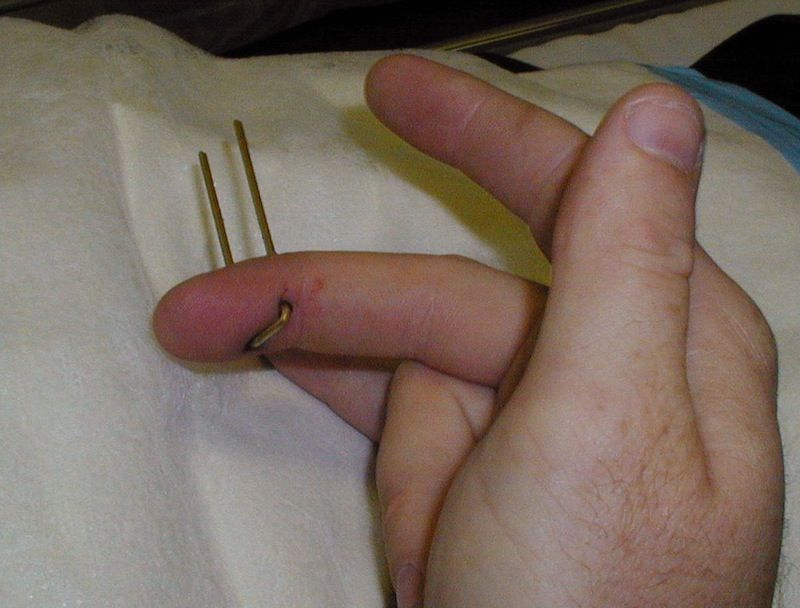
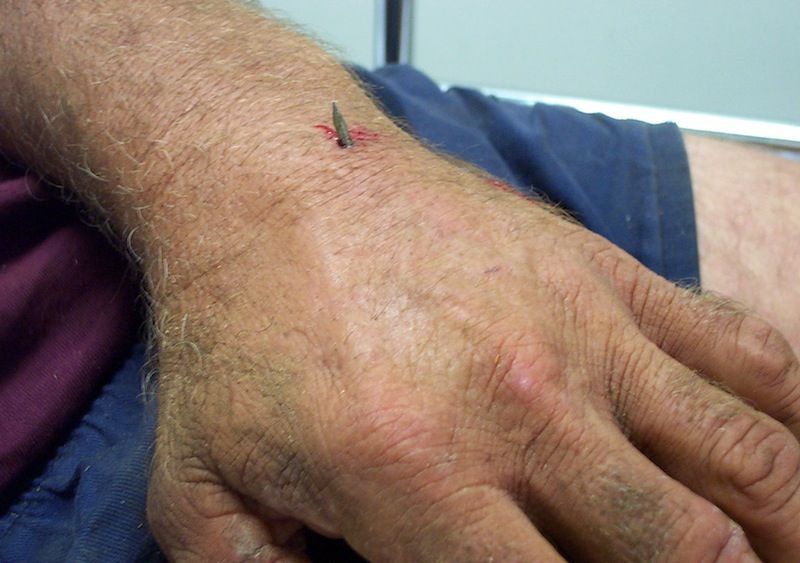
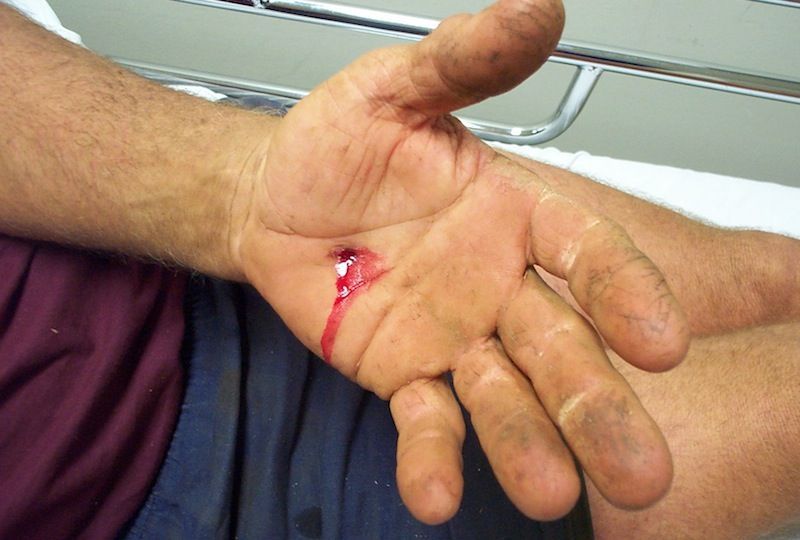
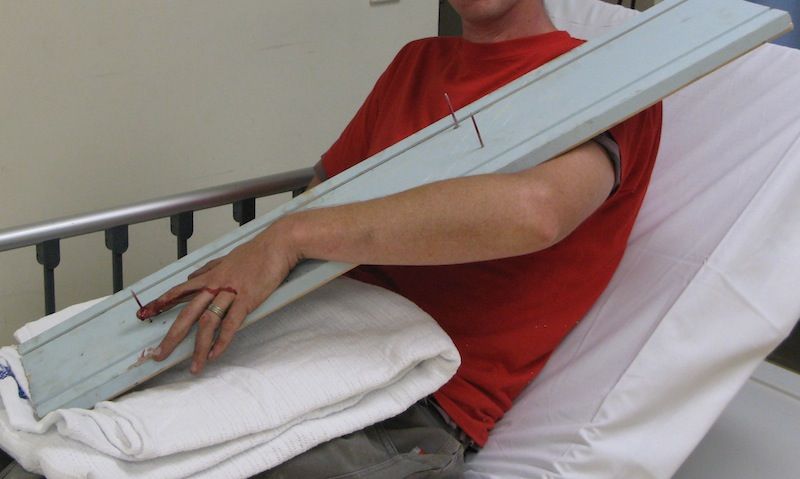
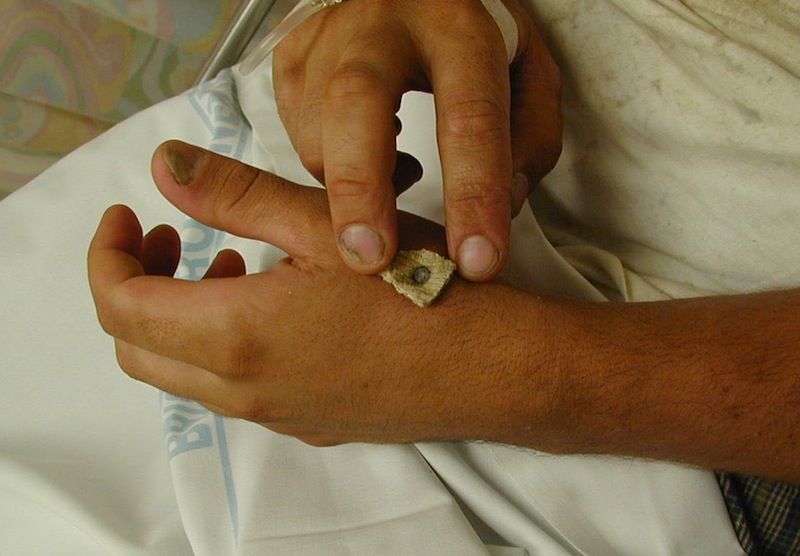
Nail Gun Injuries: Nail gun-related injuries are a serious occupational risk with potentially lethal outcomes. Nail guns were introduced in both industry and the general public back in 1959. Nail guns have also been describe as cartridge compression guns, or powered-actuated tools, and are used to fire nails into wood, steel, and masonry. •75% of nail gun injuries involve the soft tissues the other 25% involves structural damage •Fractures, longitudinal tendon split or puncture, joint capsule penetration and neuropraxia •65% of nail gun injuries occur in the hand (the majority of injuries caused by nail guns occur on the non-dominant side of the body) •Other common sites include the head, neck, chest, abdomen, vertebral column, spinal cord, and extremities, have been documented in the literature, with case reports of fatalities being report sporadically. •Nail gun injuries commonly occur related to improper use by the operator, and not following occupational health and safety requirements for operating a nail gun. •An Australian study in Victoria looked at emergency department presentations for nail gun injuries showed in a 5 year period (1997-2002) •604 case presentations •98.5% were male •67% involved injuries to the hand •Admission rate was 23%. •Bump -firing occurs when the operator holds down the trigger on the nail gun, the gun is then fired by bumping the safety bracket along the workpiece, workers use this methods to speed up delivery, however by following this practice has lead to an increase in the number of nail gun injuries. Mechanism of injury caused by Nail Guns: •The nail gun can produce velocities as high as 1,400 feet per second, at which speed a nail can penetrate stressed concrete up to 10cm. •The amount of energy required to cause serious injury is fairly low: penetration of the skin occurs with projectile velocities of 150 feet per second, whereas bony fractures may occur with projectile velocities of 195 feet per second. •Mechanisms of nail gun injury include direct penetration , shrapnel wounds from exploding cartridges, and high-pressure injection injuries from the compressed air used to activate the gun. When nail projectiles penetrate human tissues, the kinetic energy transfers from the object to surrounding tissues, resulting in shock waves that form temporary and permanent cavity spaces. As these shock waves expand, the temporary cavity created causes crush and stretch damage to the tissues. If the projectile shatters bones, these fragments act as secondary missiles, further increasing tissue trauma. Pierpont, Y. et.al. (2008) Mr. Ivor Plank attended the Emergency Department on the weekend having developed a painfully strong bond with an expensive piece of skirting board… |