|
#48
●
05-01-2010, 05:15 PM
|
|
Re: Men Eating Sardinian Rotten Cheese
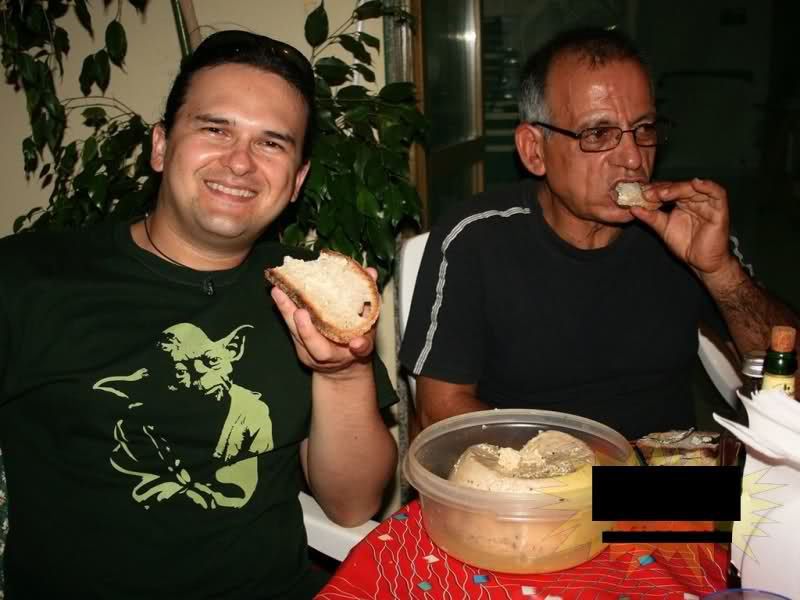
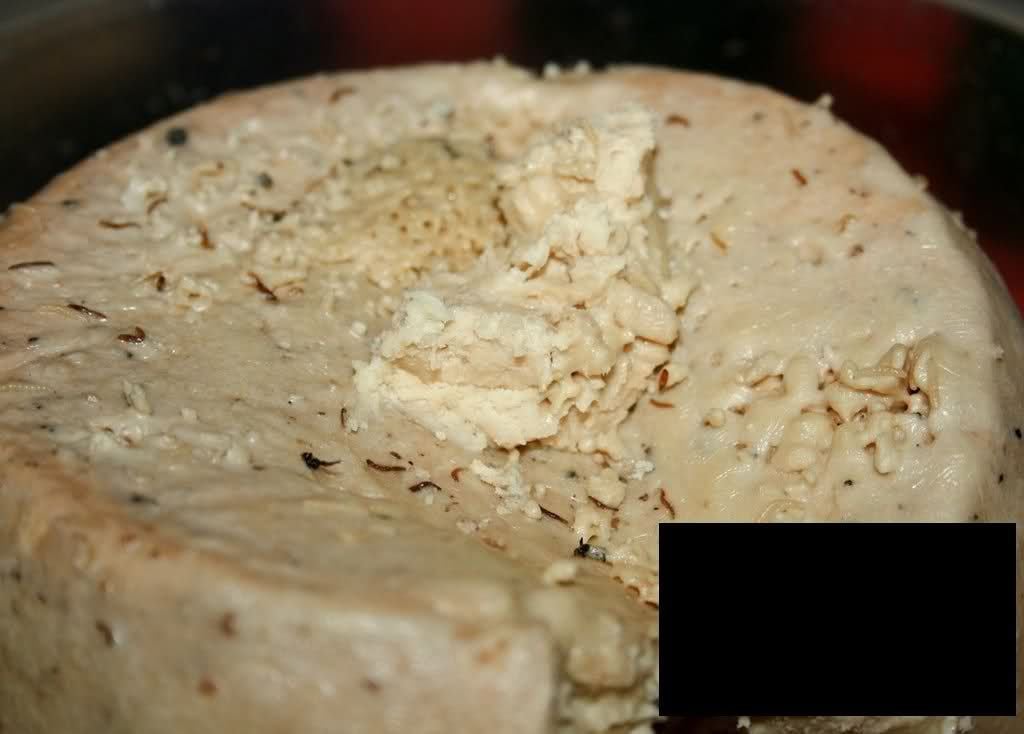
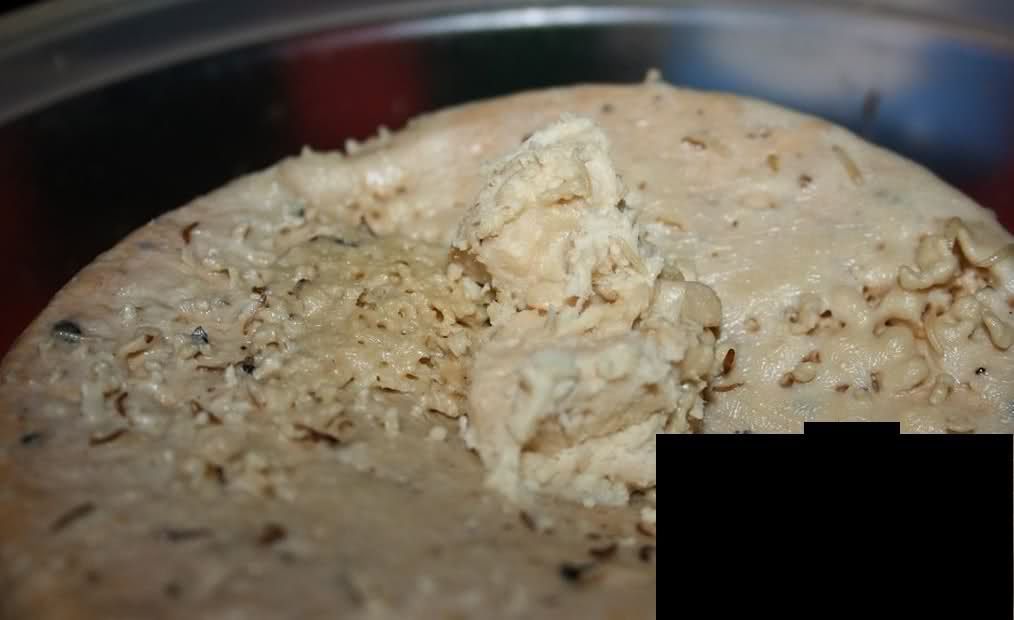
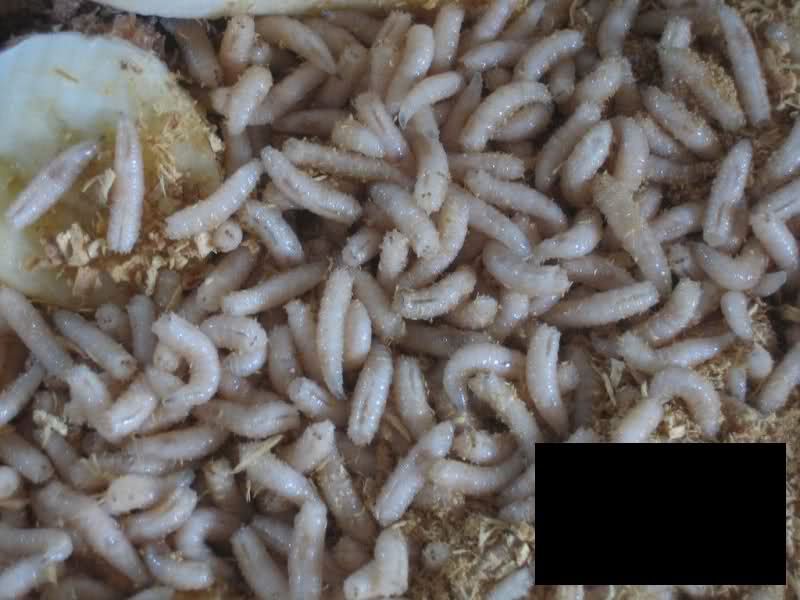
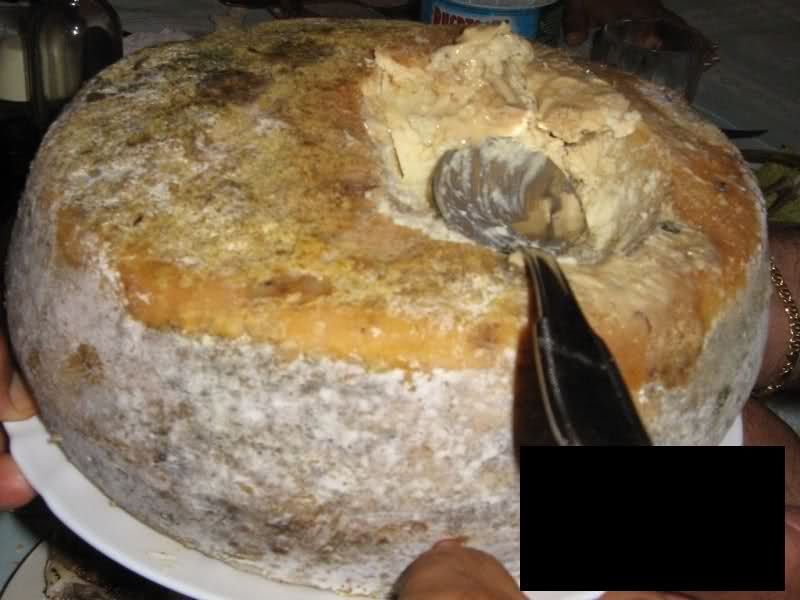
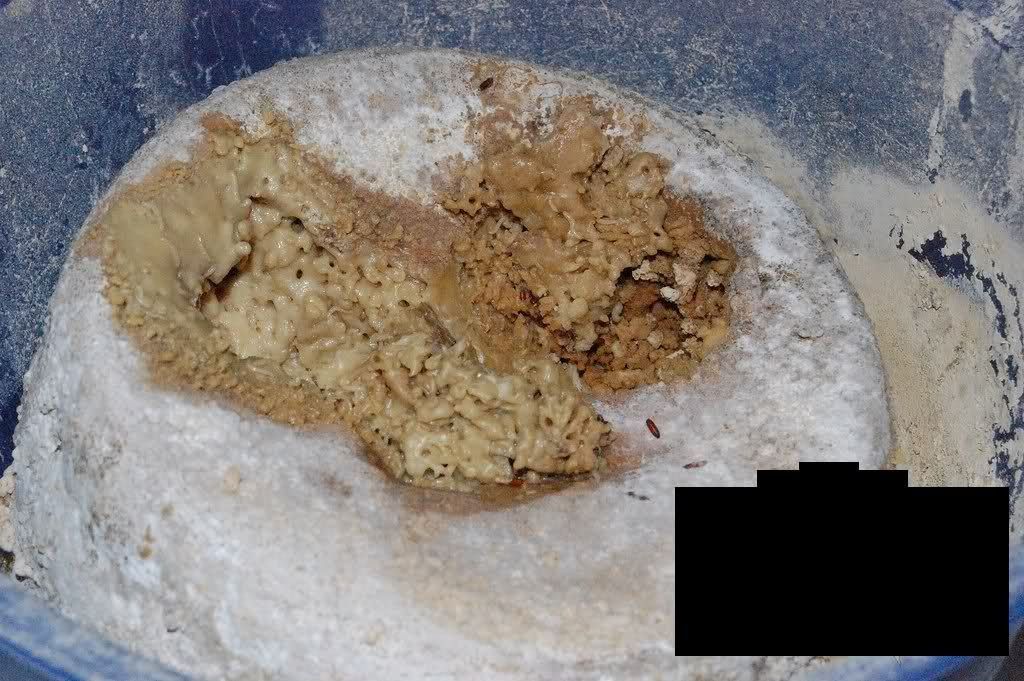
grossest fucking shit I have ever seen in my entire life (save that lady who died in the bathtub on here and her leg completely slughed off onto the floor but still) they fucking EAT THIS SHIT??? r read on: this is from the ''wonderful'' wikipedia but fuck it. Still made my tummy hurl. Casu marzu is considered toxic when the maggots in the cheese have died. Because of this, only cheese in which the maggots are still alive is eaten. When the cheese has fermented enough, it is cut into thin strips and spread on moistened Sardinian flatbread (pane carasau), to be served with a strong red wine.[4][5] Casu marzu is believed to be an aphrodisiac by local Sardinians.[6] Because the larvae in the cheese can launch themselves for distances up to 15 centimetres (6 in) when disturbed,[1][7] diners hold their hands above the sandwich to prevent the maggots from leaping. Those who do not wish to eat live maggots place the cheese in a sealed paper bag. The maggots, starved for oxygen, writhe and jump in the bag, creating a "pitter-patter" sound. When the sounds subside, the maggots are dead and the cheese can be eaten.[8] [edit] Dangers Several food safety issues have been raised in relation to Casu marzu, including anecdotal reports of allergic reactions and the danger of consuming cheese that has advanced to a toxic state. In addition, there is some risk of enteric myiasis, or intestinal larval infection. Symptoms include nausea, vomiting, abdominal pain, and bloody diarrhea.[9] Piophila casei larvae are very resistant to human stomach acid and can pass through the stomach alive, taking up residency for some period of time in the intestines and causing stomach lesions and other gastrointestinal problems.[10][11] The larvae have powerful mouthhooks which can lacerate stomach linings or intestinal walls as the maggots attempt to bore through internal organs.[1] Because of EU food hygiene-health regulations, the cheese was outlawed for a while, and offenders used to face heavy fines.[8] However, it was always possible to get Casu marzu on the black market, where it can sell for double the price of a regular block of Pecorino.[6]. Nowadays, the EU ban has been circumvented by using another EU regulation, and having the casu marzu declared "traditional" food (made by the same recipe for more than 25 years), and as the recipe is thousands of years old, it is therefore allowed to deviate from ordinary food hygiene regulations. The traditional method is even explained by an official paper of the local government[1]. [edit] Other regional variations There are several other regional varieties of cheese with fly larvae in Europe. The most similar is found in Piemonte, Italy, where the fermentation procedure is not always analogous to that of the Casu marzu. For example, goat-milk cheese is left to the open air until Piophila casei larvae are naturally laid in the cheese.[4] Then it is aged in white wine, with grapes and honey, preventing the larvae from emerging, giving the cheese a strong flavour. In addition, other regions in Europe have traditional cheeses that rely on live arthropods for ageing and flavouring, such as the German Milbenkäse and French mimolette, both of which rely on cheese mites. |