|
#1
●
11-25-2022, 03:45 PM
| ||||||||
 These are the rooms Poster Rank:26 of ruin. Join Date: Sep 2014 Posts: 54,011 Mentioned: 145 Post(s) Quoted: 30403 Post(s)
| ||||||||
|
Malignant Melanoma In an Albino.
Albinism is an autosomal recessive disorder of hypopigmentation of the skin, hair, and eyes due to lack of tyrosinase enzyme.There are two main types, i.e.,oculocutaneous albinism and ocular albinism. Oculocutaneous albinism is a genetically heterogeneous group of disorders in which there is generalized decrease or absence of melanin pigment in the eyes, hair, and the skin.There are, at least, ten forms of this condition identified, each presumably resulting from a different biochemical mechanism blocking the synthesis of melanin. Consequently, albinos lack the protective effect of melanin against ultraviolet radiation damage. The Nigerian albino is particularly predisposed to skin cancers because of the proximity to the equator. The skin disorders associated with albinism include accelerated photo-aging and increased the incidence of solar keratosis, squamous cell carcinoma, and basal cell carcinoma. Though rarely, there is also malignant melanoma. The malignant melanoma occurrence is very rare in oculocutaneous albinism though the low incidence is unexplained. Only about thirty cases of malignant melanoma associated with oculocutaneous albinism have been reported in the English literature.This had also been documented once in a Nigerian albino.Most of the documented cases are small lesions but the index patient presented with an extensive lesion due to late presentation. Most of the cancers in the albinos are located on the head and neck, just as in our index patient. These cancers are mainly squamous cell carcinoma, less commonly basal cell carcinoma, and rarely malignant melanoma. Our patient's lesion was malignant melanoma. There is also problem of late presentation in this patient due to financial constraint and ignorance, which had also been highlighted by Asuquo et al. Surgical removal of this lesion remains the mainstay of treatment as indicated in our patient. There may be a need for adjuvant radiotherapy, chemotherapy, and immunotherapy as additional treatment options, especially in late presentation. There is a need for high index of suspicion in these patients, especially when presenting with fleshy ulcerated skin cancers. Conclusion We conclude that malignant melanoma though rare in albino can sometimes present as observed in this case. All patients with albinism should be treated like individuals with Fitzpatrick typeI skin. This means they must practice strict sun avoidance and year round broad-spectrum sunscreen use, wear protective clothing, and receive skin cancer screening every 6 months.Education of the patients, the public and nondermatologist regarding prevention, and early detection and excision of these lesions will lead to a possible cure. 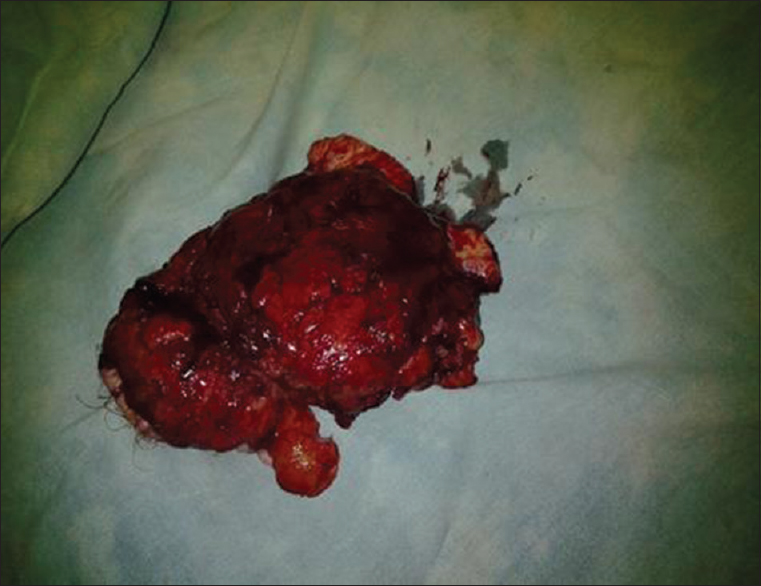 · 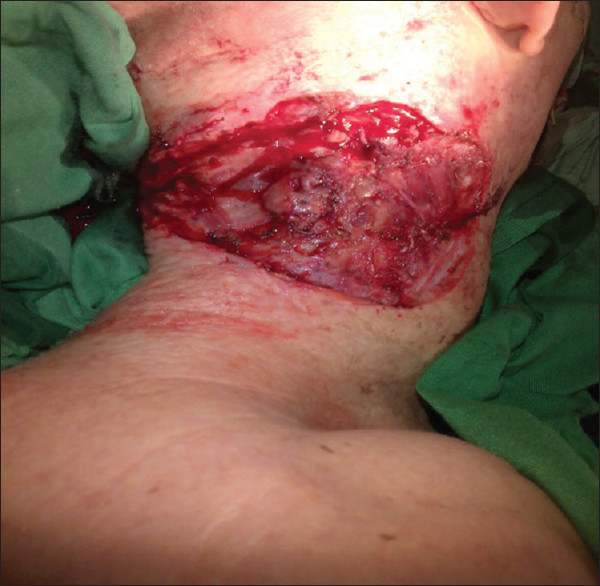 · 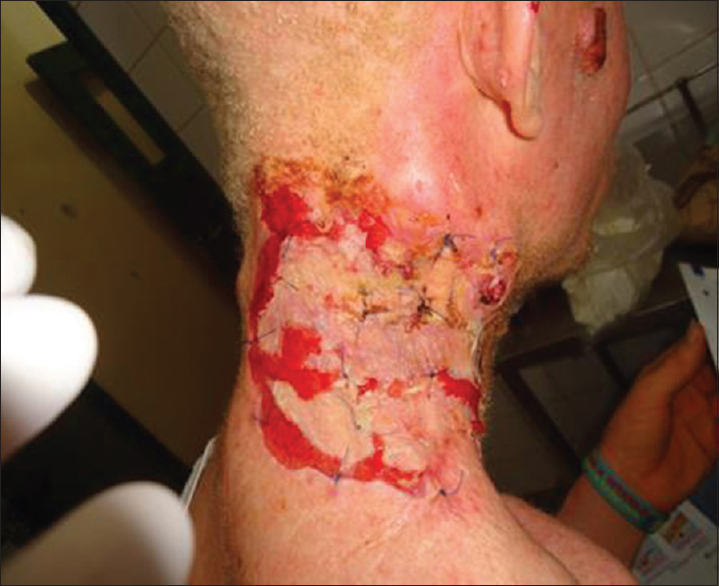 · 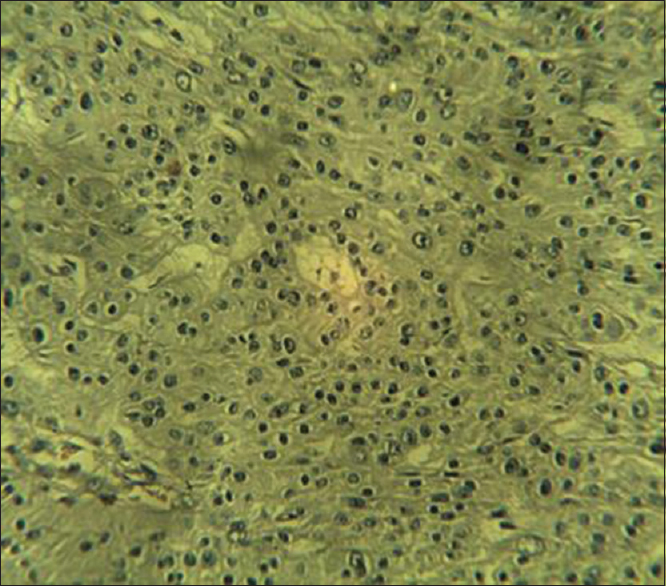 · |