|
#1
●
10-23-2026, 02:55 PM
|
 My Rank: PRIVATE Poster Rank:7801 Queer female Join Date: Sep 2026 Posts: 24 24Posts 88Thanked 6Quoted 4Mentioned 0Contrib. |
|
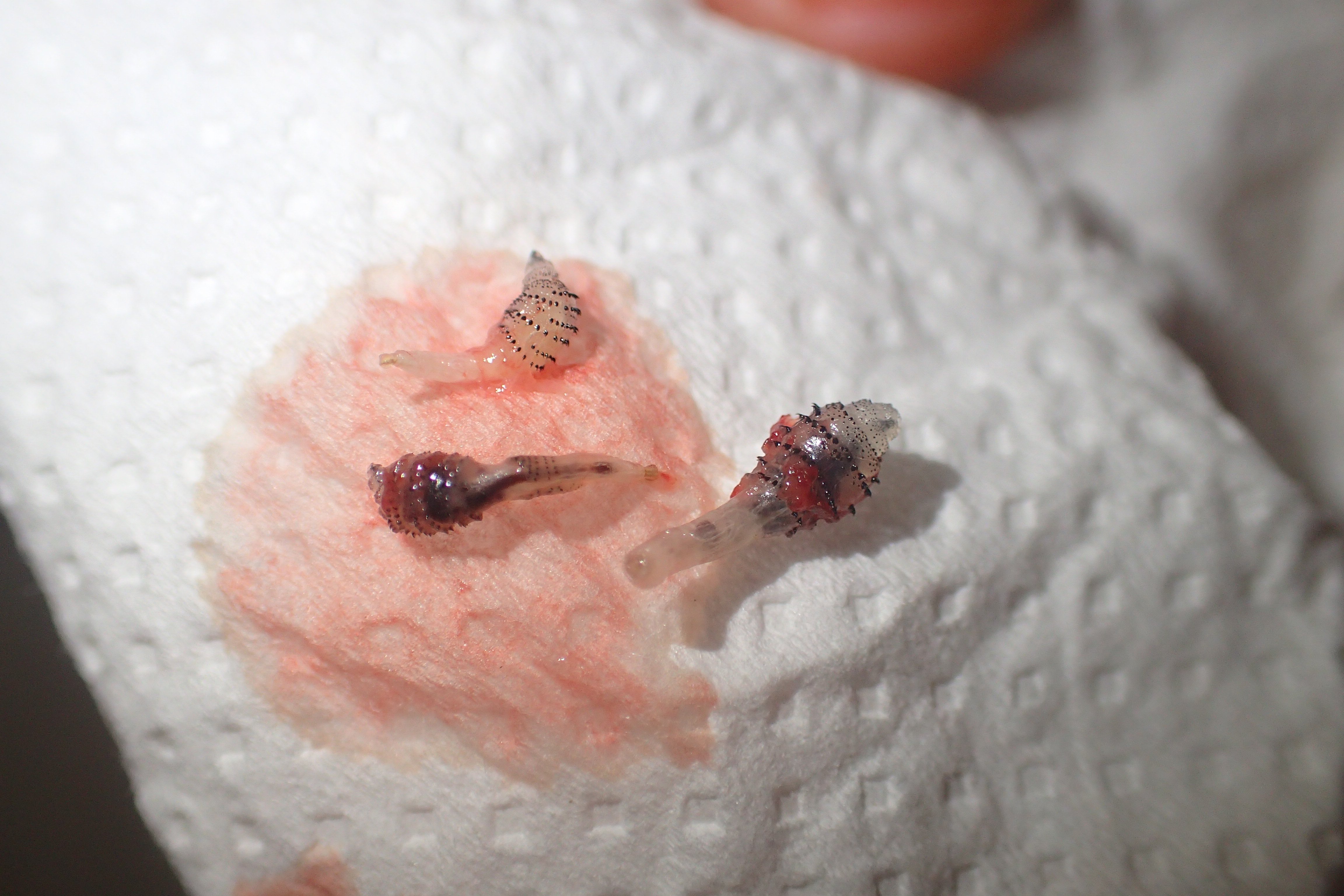
Jigger Flea and Botfly Larvae Removal (proudly Mine)
Hey guys and chicks, I thought you might like these videos I filmed about ten years ago, featuring two types of parasites typical of the Amazon. Harmless but gruesome. I took some pride in removing botfly larvae from my future husband, and a jigger flea from my roommate’s foot. 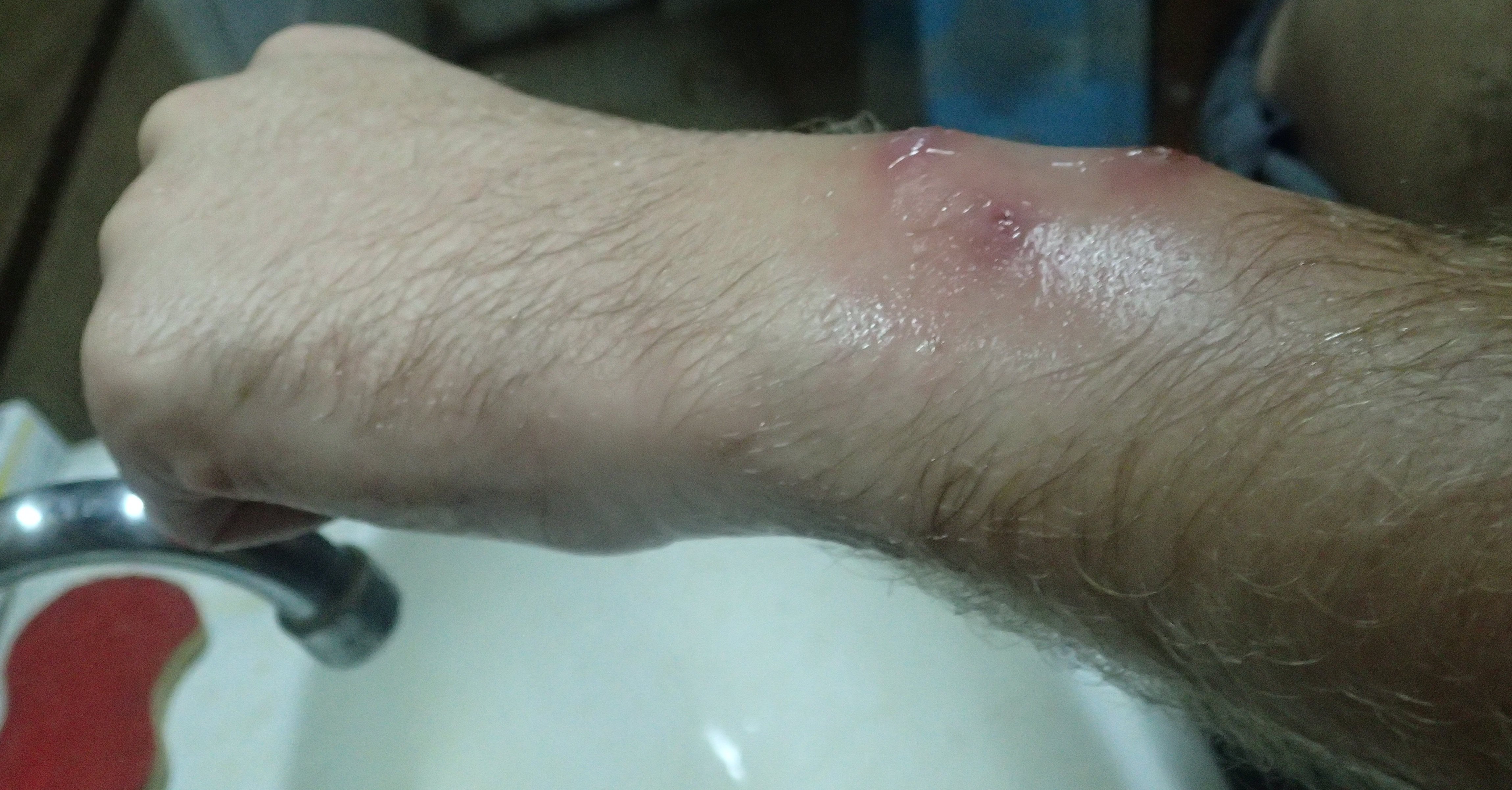 The itching and hatching arm  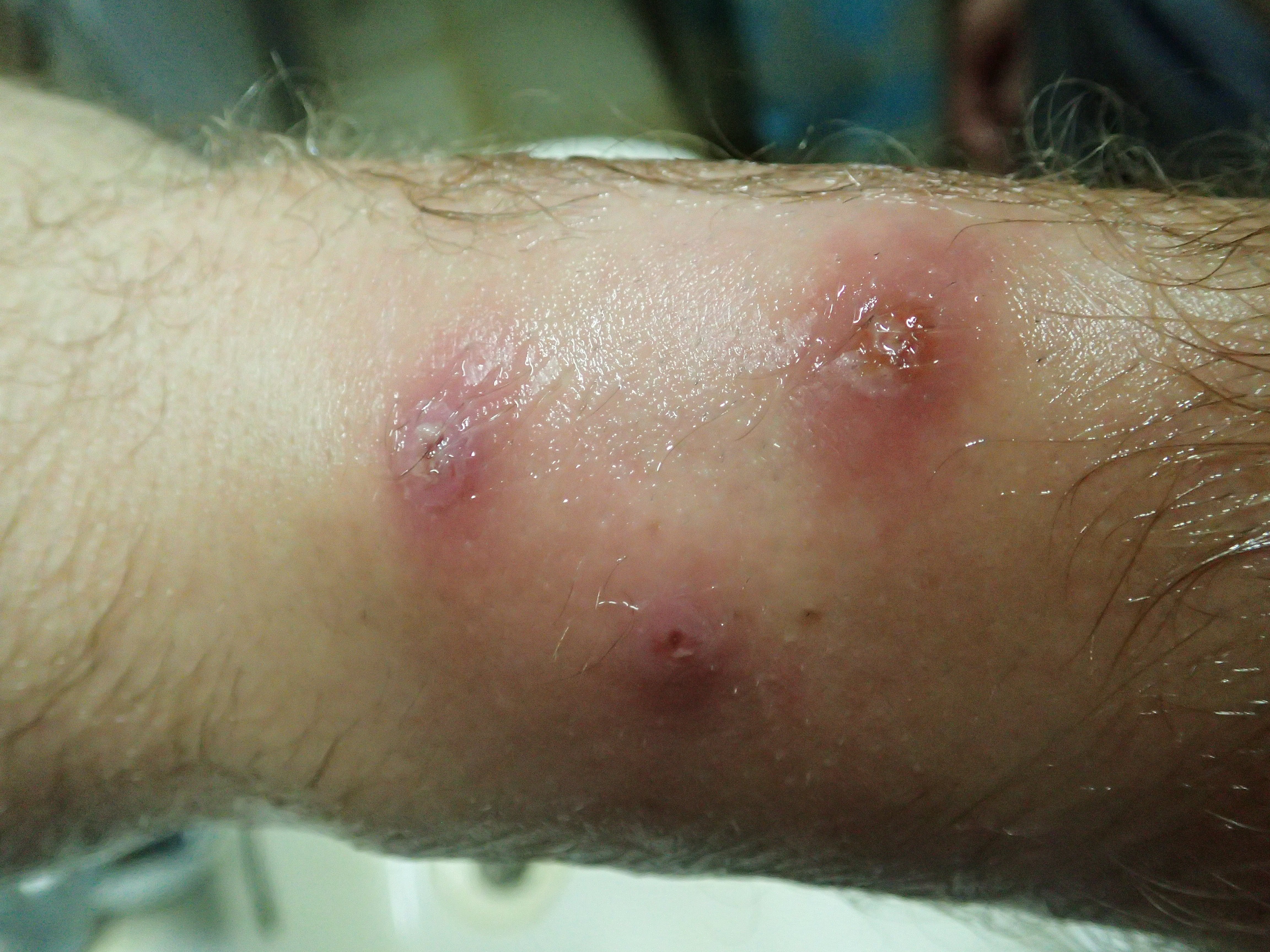 To avoid alarming you from the danger of the beautiful Amazonian forest, let me explain: you can pick up this sort of creature when spending several days in the forest, especially if hygiene isn't perfectly maintained. In this case, simply "forgetting" to wash underneath a wristwatch while showering was enough for the larvae to hatch. For those who aren't aware, this type of fly lays its eggs on a mosquito; when the mosquito bites you, it deposits the eggs, which then hatch thanks to your body heat and burrow into your skin, feeding on it. As a result, you feel movement and intense itching, and it triggers an inflammatory reaction (though the larvae also secrete a natural antibiotic that helps prevent infection). If you don't remove them, they leave a large hole behind once the adult fly emerges and flies away. It’s absolutely gross, but not dangerous, and, most importantly, it’s entirely avoidable. Up here, you can see the worm’s respiratory organ, which fans out like a corolla. My man says "Actually, you know, he’s breathing...I don’t know...he’s coming out with all sorts of things. It’s pretty wild." And there you go ! Our first tree newborn babies  As I can hear, we say : "I’m not sure if it’s moving. Oh, wait. Yes, yes, yes, look. You can see it’s moving! But there isn’t much light. Oh, look at the head, right there, that black part : that’s the bit that eats things. And it's breathing with the ass. Damn, the one on the right is really big. It just...squirted out… [blablabla, Hi, Hello...] You can see, right next to my finger, just how big they actually are." A few years later, our housemate asked me to remove a jigger flea from between his toes. 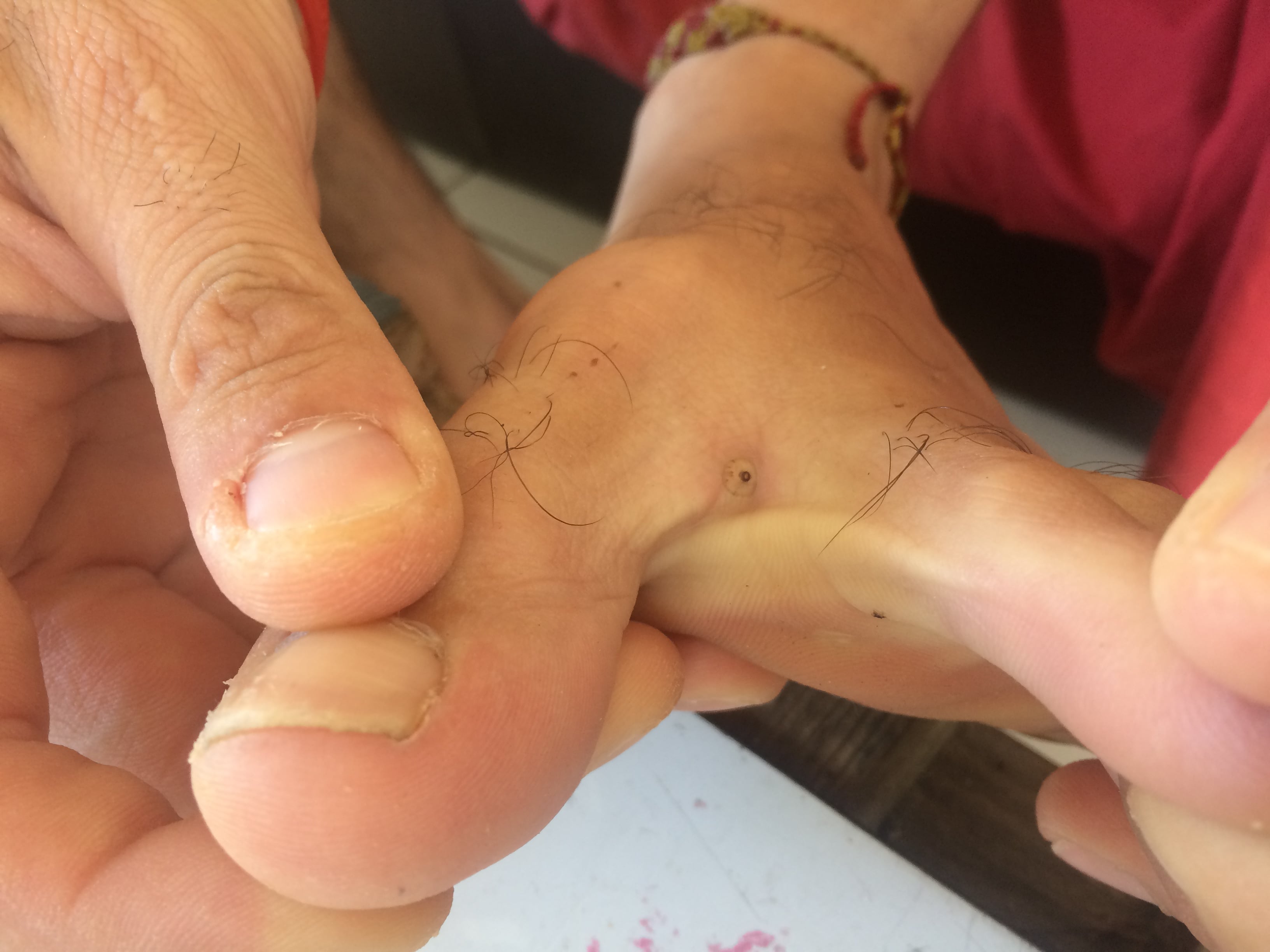 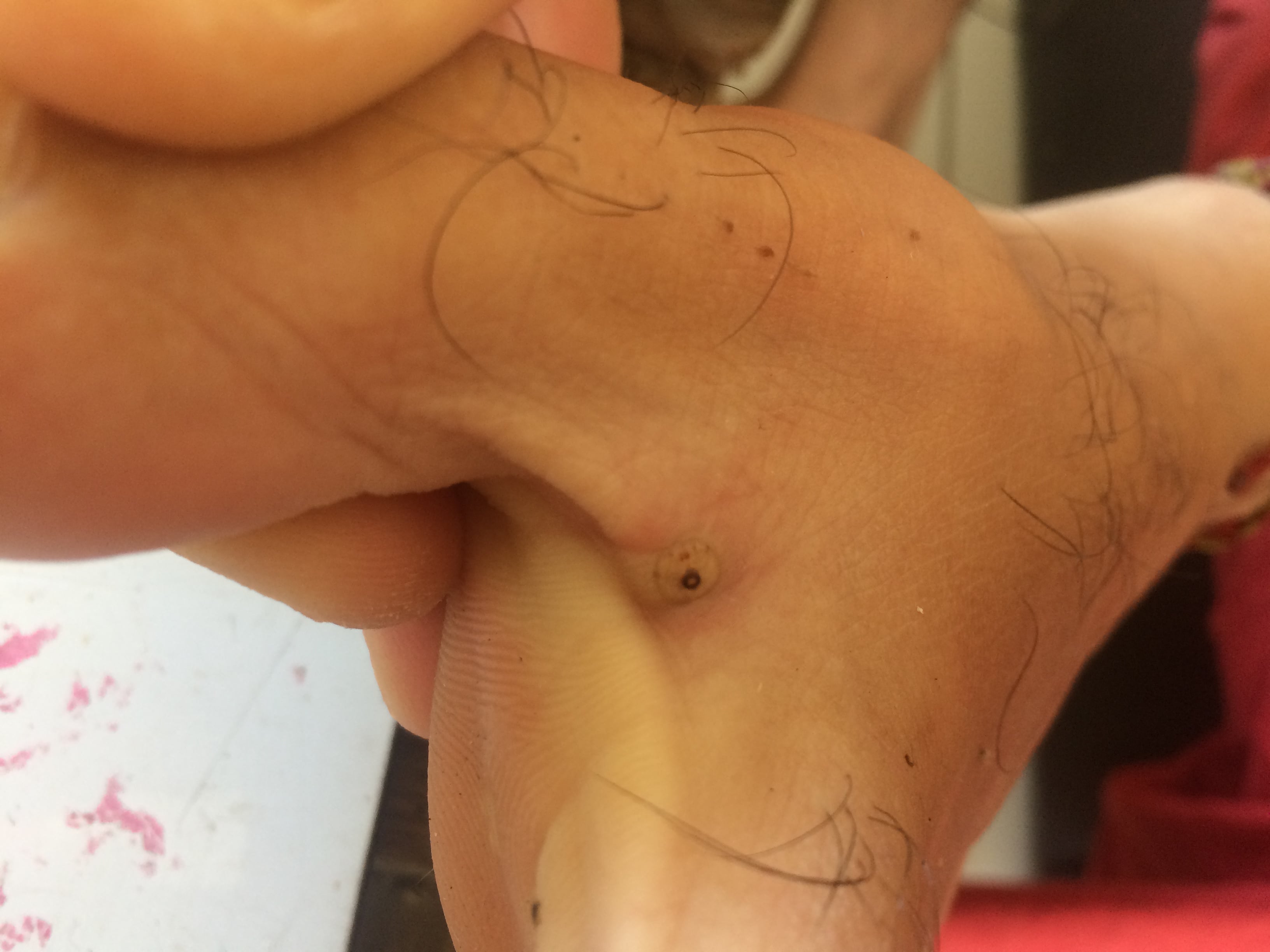 This insect lays its eggs in the sand, where the larvae then live. Consequently, one simply needs to avoid walking barefoot in areas known to be infested, especially where stray dogs are present. When the fleas encounter an animal, they attach themselves much like a tick, though they burrow in far more deeply. The female’s body swells, but it doesn't protrude; all that’s visible is her egg-laying opening and the outline of her abdomen beneath the stretched skin of the foot. At the time, I had heard that you shouldn't puncture the egg-filled sac, so I had to carefully work around the creature to extract it. In the conversation heard in the video, we are talking: "- What if you make an incision here? It’s a shame we don’t have a scalpel. - Yeah, actually, we really should have used a scalpel. Because now it’s tearing, and some bits might get left behind. You see what I mean? - No, usually the edges come away clean." Thank you for watching !  |