|
#1
●
11-16-2014, 07:09 AM
| ||||||||
 ✝Mudderator from Hell✝ Poster Rank:10 e-mail Join Date: Oct 2006 Posts: 96,365
Contributions: 817
Mentioned: 476 Post(s) Quoted: 10316 Post(s)
| ||||||||
|
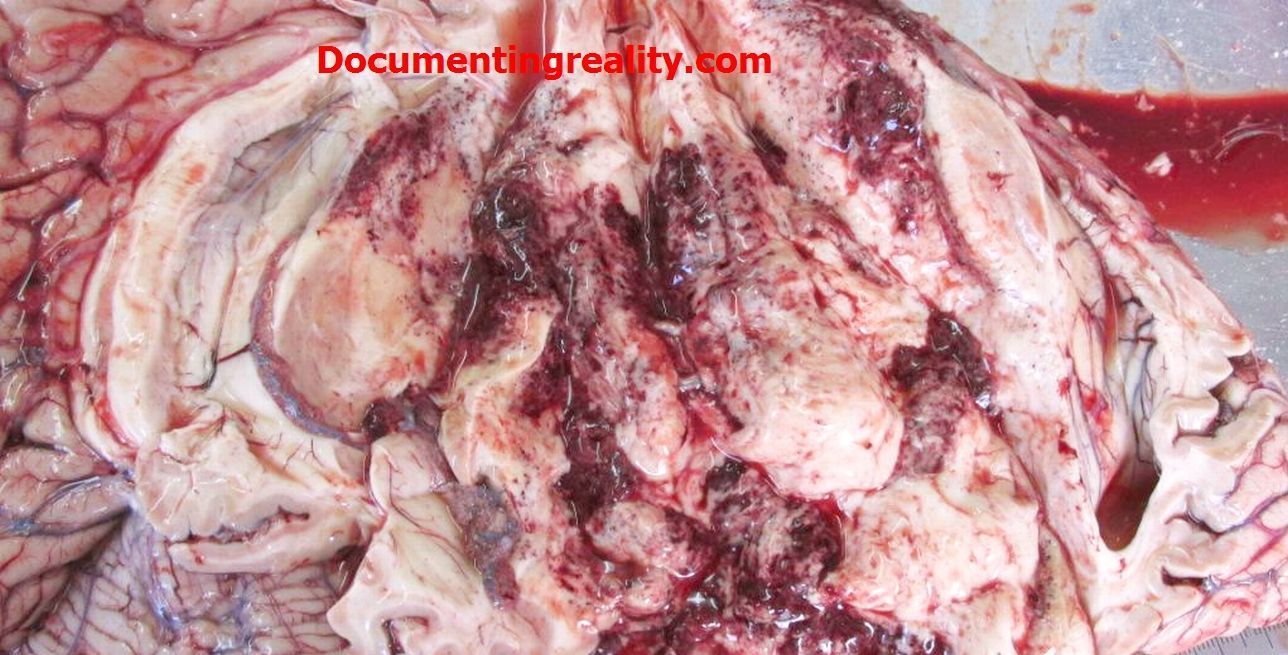
Infarction of the Brain
 ·  · |
|
#2
●
11-16-2014, 07:52 AM
| ||||||||
 ♚ Legacy Gold Member ♚ Poster Rank:35 Female Join Date: Nov 2008 Posts: 43,396
Contributions: 204
Mentioned: 95 Post(s) Quoted: 2282 Post(s)
| ||||||||
|
Re: Infarction of the Brain
That's what I had but survived. I now have a wee crater in my brain on the upper right lobe. My left lower leg is now ruined but I can still walk.
|
|
#3
●
11-16-2014, 08:20 AM
| ||||||||
 ★ Legacy Member ★ Poster Rank:21 MAN Join Date: Nov 2009 Posts: 61,094 Mentioned: 825 Post(s) Quoted: 37482 Post(s)
| ||||||||
|
Re: Infarction of the Brain
I'm glad you're still here.
|
|
#5
●
11-16-2014, 05:04 PM
| ||||||||
 My Rank: STAFF SERGEANT Poster Rank:736 Male Join Date: Nov 2011 Posts: 1,125 Mentioned: 0 Post(s) Quoted: 243 Post(s)
| ||||||||
|
Re: Infarction of the Brain
I hate to sound uneducated; but that description and the number of technical terms gave me a friggin headache.  |
|
#8
●
11-16-2014, 08:10 PM
| ||||||||
 facta non verba Poster Rank:66 Join Date: Feb 2012 Posts: 23,927
Contributions: 56
Mentioned: 37 Post(s) Quoted: 8498 Post(s)
| ||||||||
|
Re: Infarction of the Brain
Thank goodness Sharon! You're a strong lady 
__________________ Run, rabbit run Dig that hole, forget the sun |