|
#1
●
02-13-2013, 11:04 PM
| ||||||||
 ★The Queen★ Poster Rank:68 Female Join Date: Jun 2011 Posts: 23,496
Contributions: 120
Mentioned: 95 Post(s) Quoted: 3083 Post(s)
| ||||||||
|
Has Anyone Heard of Pellagra?
*I was watching a show called, "Dark Matters: Extra Twisted", expecting a new crime show. A Dr. Joseph Goldberger noticed it began with a case in Georgia in the US and spread, and set out to prove it wasn't contagious or hereditary. He referred to it as, "The Four D's - diarrhea, dermatitis, dementia and death", since people were dying. He came up with a theory that diets lacking in protein were the cause and set out to prove his theory. All of my late brothers had skin conditions, which I later found were probably as a result of their alcoholism. Episodes are available online, but, this one isn't up yet. Tonight was the first showing* What is Pellagra? Pellagra is a disease that affects your digestive system, skin, and nerves, resulting in dermatitis, diarrhea, and mental disorders. The most common cause of pellagra is not having enough niacin, (primary pellagra). Other causes of pellagra are associated with digestive disorders that reduce the absorption of niacin in your body. Digestive Problems Spotlight Niacin is also known as nicotinic acid, or vitamin B3. In the United States, individuals most at risk for developing pellagra are alcoholics, as a result of malnutrition. Both alcoholism and not consuming enough green vegetables, seafood, meat, and eggs commonly cause primary pellagra. Secondary pellagra occurs when sufficient niacin is consumed but not taken up and used by the body. Secondary pellagra is often caused by gastrointestinal diseases that prevent absorption of niacin. Because tryptophan is needed to make niacin, low levels of tryptophan may also lead to pellagra. The signs and symptoms of pellagra can be constant or occur periodically. Pellagra varies among individuals. Some people with pellagra have mild symptoms, such as fatigue, while others may develop severe depression and anxiety. Fortunately, pellagra can be treated with nutritional supplementation to resolve deficiencies in niacin. Lifestyle changes can reduce your risk for pellagra and include limiting alcohol intake, eating a well-balanced diet, not smoking, and always taking all medications and supplements as prescribed. In some cases, if left untreated, pellagra can lead to dementia, anxiety or depression that should be immediately evaluated in an emergency setting. Seek immediate medical care, (call 911), if you, or someone you are with, have any of these serious symptoms, including altered mental status, alcohol withdrawal, or severe depression with suicidal thoughts. Seek prompt medical care if you are being treated for pellagra but mild symptoms recur or are persistent. What Are The Symptoms of Pellagra? Pellagra is a condition of having too little niacin in the body and affects the normal function of the nerves, digestive system, and skin. Pellagra may result in a number of symptoms. The symptoms can vary in intensity from person to person. Common Symptoms of Pellagra You may experience pellagra symptoms daily or just once in a while. At times any of these common symptoms can be severe: •Abdominal cramping •Confused or delusional thinking •Depression •Diarrhea •Difficulty with memory, thinking, talking, comprehension, writing or reading •Headache •Loss of appetite •Malaise or lethargy •Mucus membrane inflammation •Nausea with or without vomiting •Skin lesions that are scaly and sore •Weakness, (loss of strength) Symptoms that might indicate a serious condition In some cases, if left untreated, pellagra can lead to serious emotional and psychological conditions that should be immediately evaluated in an emergency setting. Seek immediate medical care, (call 911), if you, or someone you are with, have any of these serious symptoms including: •Alcohol withdrawal •Suicidal thoughts What causes pellagra? The most common cause of pellagra is inadequate intake of the B vitamin known as niacin (primary pellagra). The most typical cause of primary pellagra is not consuming enough green vegetables, seafood, meat, and eggs. Alcoholism is commonly associated with pellagra as the result of malnutrition. Secondary pellagra occurs when sufficient niacin is consumed but not taken up and used by the body. Secondary pellagra is usually caused by gastrointestinal diseases that prevent absorption of niacin. Because tryptophan is needed to make niacin, low levels of tryptophan may also lead to pellagra. What Are The Risk Factors for Pellagra? A number of factors increase the risk of developing pellagra. Not all people with risk factors will get pellagra. Risk factors for pellagra include: •Alcoholism •Anorexia nervosa •Diets high in corn •Digestive disease •Low dietary intake of tryptophan, (needed to produce niacin in the body) Reducing your risk of pellagra You May be Able to Lower Your Risk of Pellagra By: •Eating foods rich in tryptophan, which plays a role in making niacin, such as seafood, meat, and green vegetables •Ensuring your diet is rich in foods that contain niacin, such as cereal grains, eggs, green vegetables, fish, milk and yeast •Following a healthy food plan that includes a variety of foods from each of the food groups •Practicing moderation if you drink alcohol How is Pellagra Treated? Treatment for pellagra begins with seeking medical care from your health care provider. To determine whether you have pellagra, your health care provider will ask you questions, request a blood sample, and possibly prescribe diagnostic testing. It is important to follow your treatment plan for pellagra precisely and to take all medications as instructed. The treatment approach for pellagra depends on treating the underlying cause for pellagra. Treatment will include returning niacin and tryptophan, (if needed), to normal levels. Administering supplements will help to replenish these substances until balance is restored. Specific recommendations for your specific niacin requirements will be provided by your healthcare provided based on your age, gender, and health. What are the Potential Complications of Pellagra? You can help minimize your risk of serious complications by following the treatment plan you and your health care professional design specifically for you. Complications of pellagra include: •Dementia •Depression *Photos* The dermatologic features of this disorder include desquamation, erythema, scaling, and keratosis of sun-exposed areas, all of which these patients had. The black and white shot reminded me of, "Nosferatu", the way his hands are positioned and appear long. Dr. Joseph Goldberger, in the last photo. 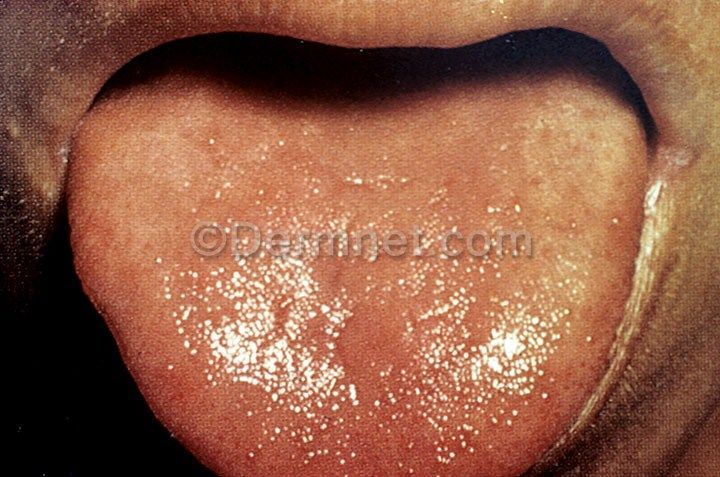 · 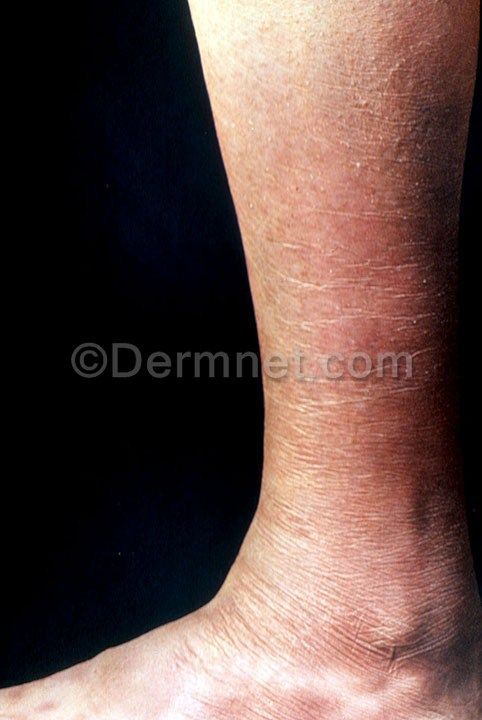 · 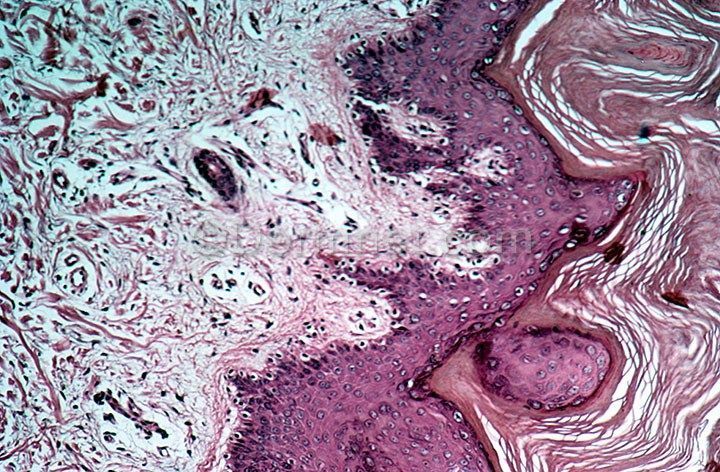 · 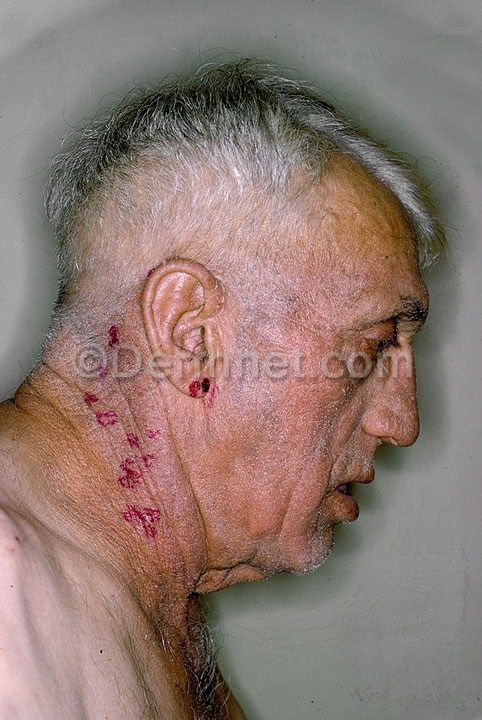 · 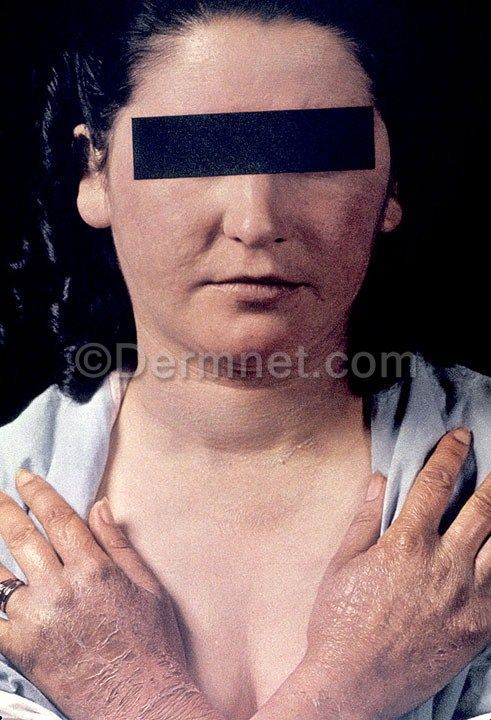 · 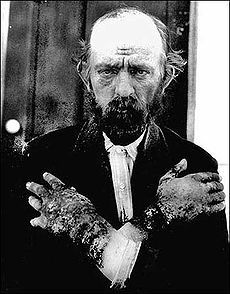 · 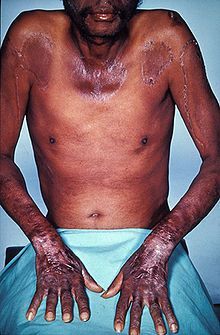 ·  · |
|
#4
●
02-14-2013, 03:27 AM
| ||||||||
 ★ Legacy Member ★ Poster Rank:463 Join Date: Jan 2010 Posts: 2,408 Mentioned: 13 Post(s) Quoted: 765 Post(s)
| ||||||||
|
Re: Has Anyone Heard of Pellagra?
I love that show, I've watched every episode including the Pellagra one. Here is some more fun facts about Doctor Goldberger (My favorite is the part about the Filth Parties): Goldberger and the "Pellagra Germ" Joseph Goldberger's theory on pellagra contradicted commonly-held medical opinions. The work of Italian investigators as well as Goldberger's own observations in mental hospitals, orphanages, and cotton mill towns, convinced him that germs did not cause the disease. In such institutions, inmates contracted the disease, but staff never did. Goldberger knew from his years of experience working on infectious diseases that germs did not distinguish between inmates and employees. Lombroso had speculated that spoiled maize caused pellagra. Goldberger found no evidence for that hypothesis, but diet certainly seemed the crucial factor. Shipments of food which Goldberger had requested from Washington were provided to children in two Mississippi orphanages and to inmates at the Georgia State Asylum. Results were dramatic; those fed a diet of fresh meat, milk and vegetables instead of a com-based diet recovered from pellagra. Those without the disease who ate the new diet did not contract pellagra. Experimenting on Mississippi Prisoners Critics, many unable to part from the germ theory of pellagra, raised doubts. Goldberger hoped to squelch those reservations by demonstrating the existence of a particular substance that when removed from the diet of healthy individuals resulted in pellagra. With the cooperation of Mississippi's progressive governor, Earl Brewer, Goldberger experimented on eleven healthy volunteer prisoners at the Rankin State Prison Farm in 1915. Offered pardons in return for their participation, the volunteers ate a corn-based diet. Six of the eleven showed pellagra rashes after five months. Expert dermatologists made the actual diagnosis of pellagra to avoid the appearance of a conflict of interest on Goldberger's part. Although many scientific colleagues sang Goldberger's praises, even mentioning a Nobel nomination, others still doubted. In the pages of the Journal of the American Medical Association, critic W.J. MacNeal challenged the results. One Birmingham physician referred to the experiment as "half-baked." Still others thought the whole experiment a fraud. Goldberger's Filth Parties Angry and frustrated, Goldberger would not give up trying to persuade his critics that pellagra was a dietary disorder, not an infectious disease. He hoped that one final dramatic experiment would convince his critics. On April 26, 1916 he injected five cubic centimeters of a pellagrin's blood into the arm of his assistant, Dr. George Wheeler. Wheeler shot six centimeters of such blood into Goldberger. Then they swabbed out the secretions of a pellagrin's nose and throat and rubbed them into their own noses and throats. They swallowed capsules containing scabs of pellagrins' rashes. Others joined what Goldberger called his "filth parties," including Mary Goldberger. None of the volunteers got pellagra. Despite Goldberger's heroic efforts, a few physicians remained staunch opponents of the dietary theory of pellagra. |
|
#5
●
02-14-2013, 03:43 AM
| ||||||||
 My Rank: FIRST SERGEANT Poster Rank:410 Male Join Date: Nov 2009 Posts: 2,968 Mentioned: 18 Post(s) Quoted: 448 Post(s)
| ||||||||
|
Re: Has Anyone Heard of Pellagra?
I seen this episode...Think it was on or around Thanksgiving Day..was at the in-laws house... The people from the south were trying to say that Goldberger was racist/against the south etc Because he was blaming their eating habits...but after he died he was proven correct and that it was their diets. |
|
#6
●
02-14-2013, 04:29 AM
| ||||||||
 My Rank: FIRST SERGEANT Poster Rank:425 Male Join Date: Dec 2012 Posts: 2,771
Contributions: 30
Mentioned: 6 Post(s) Quoted: 387 Post(s)
| ||||||||
|
Re: Has Anyone Heard of Pellagra?
Yes, I have heard about it, I have a few audio books that talk all about it and the doctor and his experiments at the prison. Another disease that was hard to figure out and had to do with diet was scurvy. Lack of vitamin C would cause scurvy. Scurvy was at one time common among sailors, pirates and others aboard ships at sea longer than perishable fruits and vegetables could be stored (subsisting instead only on cured and salted meats and dried grains) and by soldiers similarly deprived of these foods for extended periods. Early symptoms are malaise and lethargy. After 1–3 months, patients develop shortness of breath and bone pain. Myalgias may occur because of reduced carnitine production. Other symptoms include skin changes with roughness, easy bruising and petechiae, gum disease, loosening of teeth, poor wound healing, and emotional changes. Dry mouth and dry eyes similar to Sjögren's syndrome may occur. In the late stages, jaundice, generalized edema, oliguria, neuropathy, fever, and convulsions, and eventual death are frequently seen 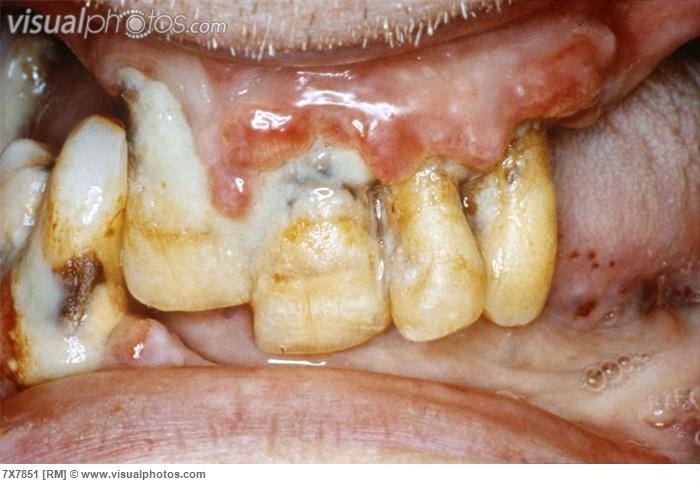 · 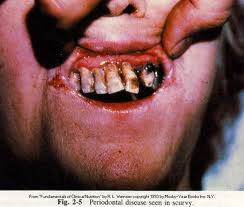 · 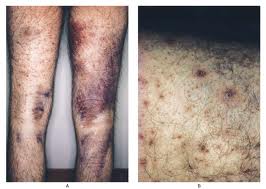 · 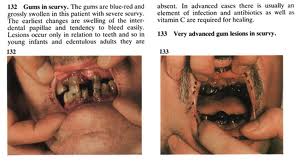 · |
|
#8
●
02-14-2013, 06:33 PM
| ||||||||
| ★The Queen★ Poster Rank:68 Female Join Date: Jun 2011 Posts: 23,496
Contributions: 120
Mentioned: 95 Post(s) Quoted: 3083 Post(s)
| ||||||||
|
Re: Has Anyone Heard of Pellagra?
Thank you for the add and photos  I would have thought, "meth mouth!", if I had only seen the pictures of the mouths. |