|
#2
●
01-01-2014, 10:30 AM
| ||||||||
 My Rank: FIRST SERGEANT Poster Rank:426 Male Join Date: Dec 2012 Posts: 2,751
Contributions: 30
Mentioned: 6 Post(s) Quoted: 387 Post(s)
| ||||||||
|
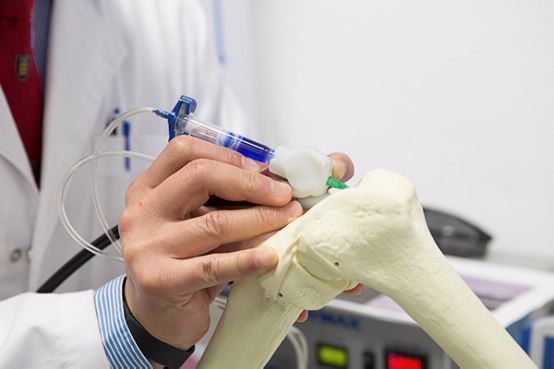
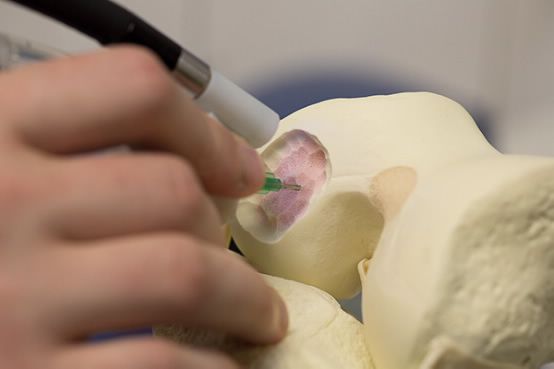
Re: A Handheld ‘bio Pen’
Bondo for the human body, works for me. I could use a kit myself.
|
|
#5
●
01-01-2014, 05:48 PM
| ||||||||
 Devient Poster Rank:266 Join Date: Feb 2010 Posts: 5,270
Contributions: 1
Mentioned: 1 Post(s) Quoted: 591 Post(s)
| ||||||||
|
Re: A Handheld ‘bio Pen’
Hopefully someone with illegible handwriting skills won't determine skill of professional work.
|
|
#6
●
01-02-2014, 01:18 PM
| ||||||||
 My Rank: FIRST SERGEANT Poster Rank:410 Male Join Date: Nov 2009 Posts: 2,963 Mentioned: 18 Post(s) Quoted: 448 Post(s)
| ||||||||
|
Re: A Handheld ‘bio Pen’
Oh cool, I need one of these..would draw bone implants into my skull.. some horns or a bone Mohawk... Nevermind..no more body mods for me.  |
|
#9
●
01-02-2014, 10:48 PM
| ||||||||
 My Rank: GUNNERY SERGEANT Poster Rank:677 Join Date: Dec 2010 Posts: 1,287
Contributions: 9
Mentioned: 1 Post(s) Quoted: 157 Post(s)
| ||||||||
|
Re: A Handheld ‘bio Pen’
Just like a 3D printer constructs an image layer by layer, "they are built up layer-by-layer to construct a 3D scaffold in the wound site."
|