|
#1
●
03-19-2013, 09:55 AM
| ||||||||
 My Rank: MAJOR Poster Rank:12 Join Date: Jun 2009 Posts: 93,128
Contributions: 226
Mentioned: 91 Post(s) Quoted: 2009 Post(s)
| ||||||||
|
Developmental Fetal Anomaly: Craniorachischisis Totalis
Neural tube defects are fairly uncommon, mild to severe congenital malformations resulting from complete or partial failure of the neural tube to close in the developing embryo. Neural tube defects include anencephaly and different degrees of spina bifida. Craniorachischisis totalis is the most extreme form of a neural tube defect with anencephaly and spina bifida. The fetus shows complete absence of the brain and calvaria and incomplete closure of the entire neural tube. Click images to enlarge 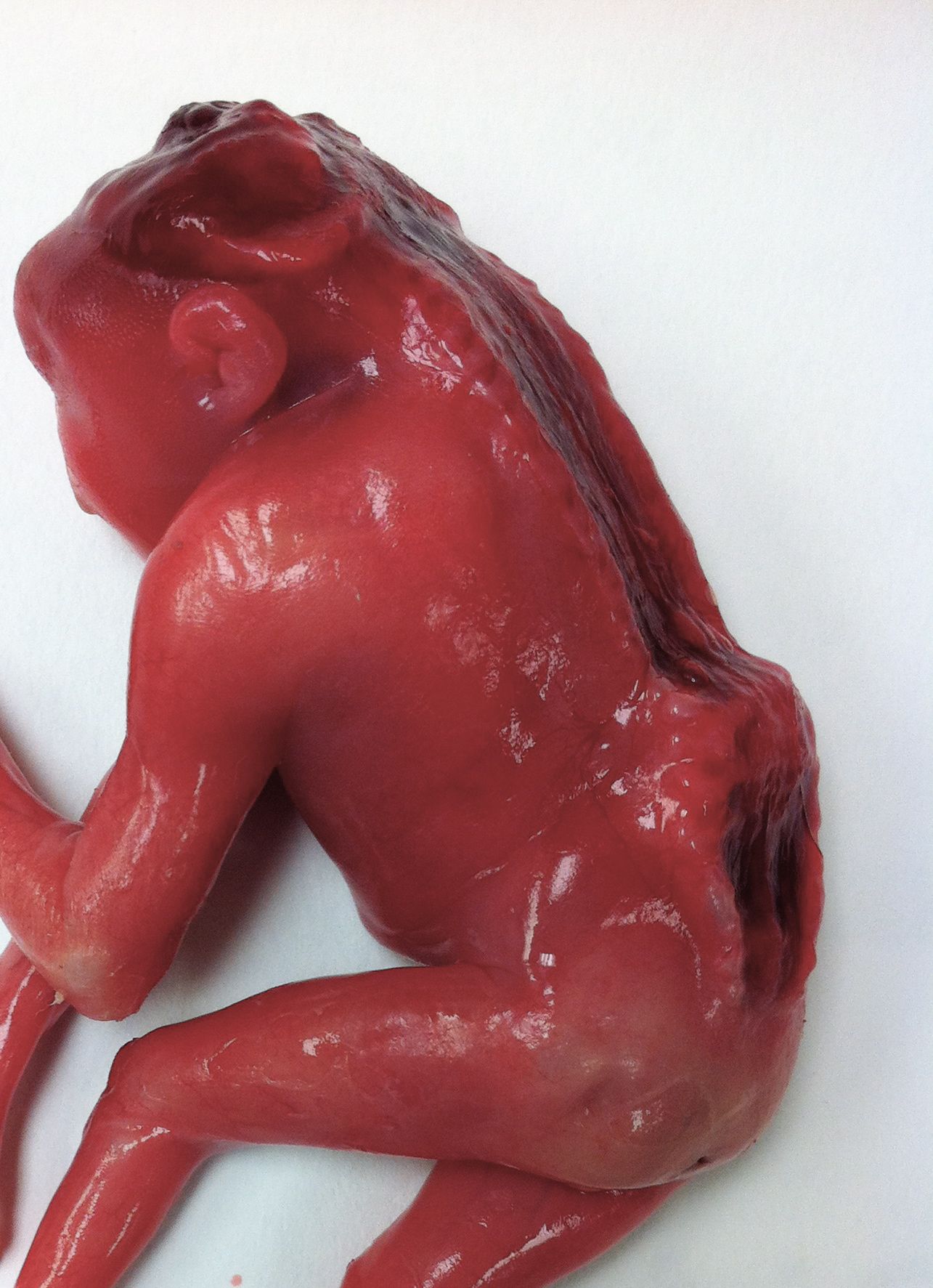 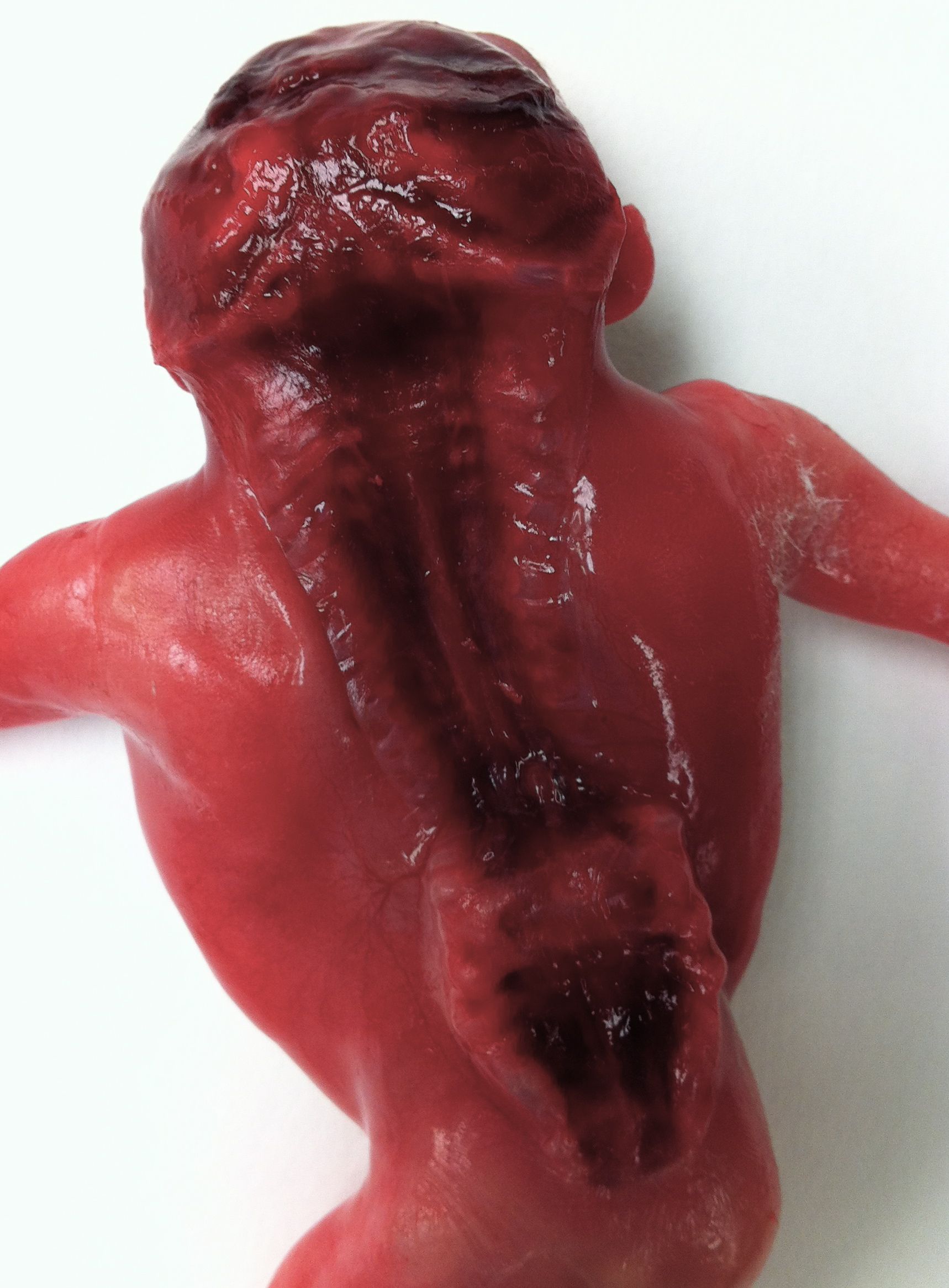 Approximately 4000 fetuses are affected yearly with a neural tube defect. 1/3 of them are lost during pregnancy because of spontaneous or elective abortion. All infants with anencephaly are stillborn or die shortly after birth. There is strong evidence that links these birth defects to a folate deficiency in the mother. The incidence of anencephaly and spina bifida is usually higher in groups with lower socioeconomic status and at least half the cases of neural-tube defects can be prevented if women consumed sufficient amounts of the folic acid before conception and during early pregnancy. Few specific causes of neural tube defects have been recognized aside from folic acid deficiency, except for relatively rare sources of exposure such as maternal diabetes and maternal use of some antiepileptic drugs, such as valproic acid. Though a fetus may have such a malformation that they’re unable to sustain life independently, the cells in other parts of the body do not know that and the rest of the fetus continues to grow normally. That is why such a catastrophic defect can be present in older fetuses and babies at term. |