|
#1
●
01-16-2010, 09:07 PM
| ||||||||
 My Rank: CORPORAL Poster Rank:1308 .....chick Join Date: Jan 2010 Posts: 465 Mentioned: 0 Post(s) Quoted: 1 Post(s)
| ||||||||
|
Depleted Uranium Victims
The first is a baby born with anencephaly caused by depleted uranium. The second is Fadel, 7 years old, came from Basra, South of Iraq. Depleted uranium, with it metal toxicity and radiation, has damaged her liver and kidneys. A needle was injected into her body to draw out the abdominal dropsy. She died soon after the painful injection.Depleted uranium (DU) is uranium primarily composed of the isotope uranium-238 (U-238). Natural uranium is about 99.27 percent U-238, 0.72 percent U-235, and 0.0055 percent U-234. U-235 is used for fission in nuclear reactors and nuclear weapons. Uranium is enriched in U-235 by separating the isotopes by mass. The byproduct of enrichment, called depleted uranium or DU, contains less than one third as much U-235 and U-234 as natural uranium. The external radiation dose from DU is about 60 percent of that from the same mass of natural uranium. DU is also found in reprocessed spent nuclear reactor fuel, but that kind can be distinguished from DU produced as a byproduct of uranium enrichment by the presence of U-236.[3] In the past, DU has been called Q-metal, depletalloy, and D-38. DU is useful because of its very high density of 19.1 g/cm3. Civilian uses include counterweights in aircraft, radiation shielding in medical radiation therapy and industrial radiography equipment, and containers used to transport radioactive materials. Military uses include defensive armor plating and armor-piercing projectiles. The use of DU in munitions is controversial because of questions about potential long-term health effects Normal functioning of the kidney, brain, liver, heart, and numerous other systems can be affected by uranium exposure, because in addition to being weakly radioactive, uranium is a toxic metal. It is weakly radioactive and remains so because of its long half-life. The aerosol produced during impact and combustion of depleted uranium munitions can potentially contaminate wide areas around the impact sites or can be inhaled by civilians and military personnel. During a three week period of conflict in 2003 in Iraq, 1,000 to 2,000 tonnes of DU munitions were used, mostly in cities. The actual acute and chronic toxicity of DU is also a point of medical controversy. Multiple studies using cultured cells and laboratory rodents suggest the possibility of leukemogenic, genetic, reproductive, and neurological effects from chronic exposure. A 2005 epidemiology review concluded: "In aggregate the human epidemiological evidence is consistent with increased risk of birth defects in offspring of persons exposed to DU. The World Health Organization states that no consistent risk of reproductive, developmental, or carcinogenic effects have been reported in humans. However, the objectivity of this report has been called into question  · 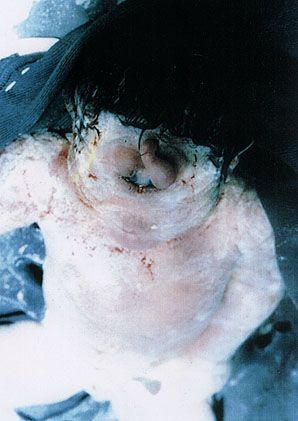 · 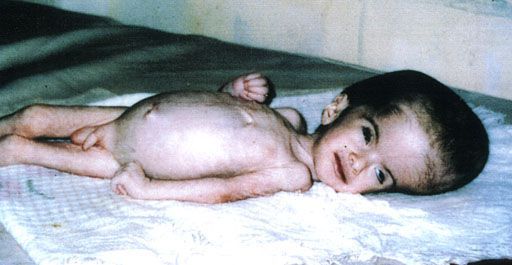 · 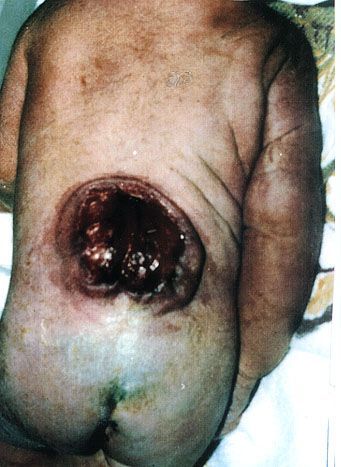 · 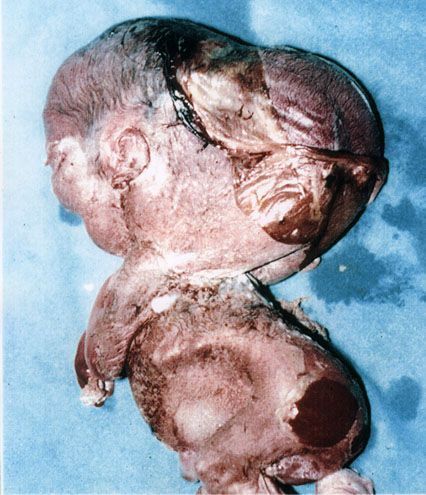 · 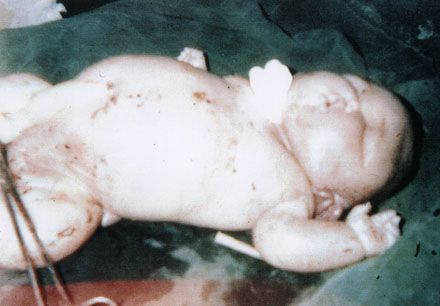 · 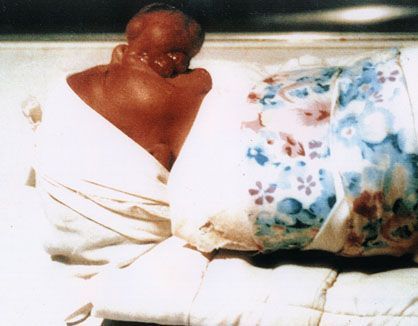 ·  ·  ·  · 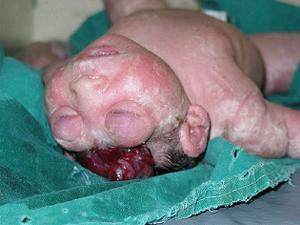 ·  ·  ·  ·  · |
|
#4
●
01-26-2010, 01:40 AM
| ||||||||
 My Rank: PRIVATE Poster Rank:8650 Join Date: Jan 2010 Posts: 19 Mentioned: 0 Post(s) Quoted: 0 Post(s)
| ||||||||
|
Re: Depleted Uranium Victims
i like the US poster. It makes no fucking sense. One day, other countries will stay off our nuts. Until then, go fuck yourselves.  |
|
#9
●
06-22-2010, 03:31 PM
| ||||||||
 Der übliche Verdächtige Poster Rank:965 Peckerwood Join Date: Jul 2009 Posts: 735 Mentioned: 0 Post(s) Quoted: 4 Post(s)
| ||||||||
|
Re: Depleted Uranium Victims
Antitank rounds have a core of depleted uranium. Uranium is extremely dense, so it is a perfect penetrator. But I don't buy the argument that the use of some of these rounds on the battlefield has led to widespread birth defects in Iraq. It's just more anti-US propaganda.
 · |
|
#10
●
06-22-2010, 08:29 PM
| ||||||||
 My Rank: CORPORAL Poster Rank:1486 Join Date: Jan 2010 Posts: 386 Mentioned: 0 Post(s) Quoted: 0 Post(s)
| ||||||||
|
Re: Depleted Uranium Victims
Hills have Eyes were inbred fucks right? I really have no idea where the US is dumping these DU or any other country for that matter but they need proper waste disposal... |