|
#1
●
02-17-2013, 10:43 AM
| ||||||||
 My Rank: MAJOR Poster Rank:12 Join Date: Jun 2009 Posts: 93,128
Contributions: 226
Mentioned: 91 Post(s) Quoted: 2009 Post(s)
| ||||||||
|
Crest Syndrome
Limited Systemic Sclerosis (CREST syndrome) - A subtype of Scleroderma; mainly affects hands, arms and face. It literally means hardened skin — much like being a statue. 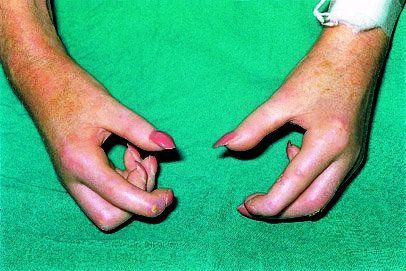  |
|
#2
●
02-17-2013, 06:06 PM
| ||||||||
 My Rank: CORPORAL Poster Rank:1387 Male Join Date: Jun 2009 Posts: 430 Mentioned: 0 Post(s) Quoted: 18 Post(s)
| ||||||||
|
Re: Crest Syndrome
At least in the first photo the woman does the best to keep her nails in order. I bet she keeps her kooch nice and clean too.
|
|
#3
●
02-17-2013, 09:25 PM
| ||||||||
 ★ Legacy Member ★ Poster Rank:197 All woman Join Date: Jun 2012 Posts: 7,773 Mentioned: 22 Post(s) Quoted: 1420 Post(s)
| ||||||||
|
Re: Crest Syndrome
It almost looks like scleroderma mixed with some aspects of leprosy mixed with some aspects of rheumatism......
|