|
#1
●
02-26-2019, 11:57 PM
| ||||||||
 My Rank: CORPORAL Poster Rank:1409 Join Date: Feb 2010 Posts: 418 Mentioned: 0 Post(s) Quoted: 26 Post(s)
| ||||||||
|
Colon Cancer
I recently came across this info on colon cancer. Hope is no a repeat. =============================== Colon cancer is a common malignancy in the United States. The treatment of patients with colon cancer can be complicated and may require a team of surgical and medical specialists. This review provides general information for patients and their families, covering colon cancer, its risk factors and symptoms, cancer evaluation and staging, and the most common methods of treatment. This review provides general information for patients and their families regarding risk factors, symptoms, cancer evaluation and staging and the most common methods of treatment. Because the treatment and prognosis for rectal cancer often differ from colon cancer, rectal cancer is addressed in a separate review. WHAT IS THE COLON? The colon and rectum are parts of the digestive system. They form a long, muscular tube called the large intestine (also called the large bowel). The colon is the first 4 to 5 feet of the large intestine, and the rectum is the last six inches. Partially digested food enters the colon from the small intestine. The colon removes water and nutrients from the food and turns the rest into waste (stool). The waste passes from the colon into the rectum and then out of the body through the anus (opening). WHAT IS COLON CANCER? Cancer begins in cells, the building blocks that make up tissues. Tissues make up the organs of the body. Normally, cells grow and divide to form new cells as the body needs them. When cells grow old, they die, and new cells take their place. Sometimes, this orderly process goes wrong. In patients with colon cancer, new cells form when the body does not need them, and old cells do not die when they should. Cancer that begins in the colon is called colon cancer, and cancer that begins in the rectum is called rectal cancer. Cancer that starts in either of these organs may also be called colorectal cancer. These cancer cells have the ability to invade into the wall of the colon or spread to lymph nodes or other organs. Surgical treatment for colon cancer is usually directed at removal of the cancer and lymph nodes near the cancer. Medical treatment of colon cancer is usually an adjunct to the surgical treatment.[IMG]c:[/IMG] 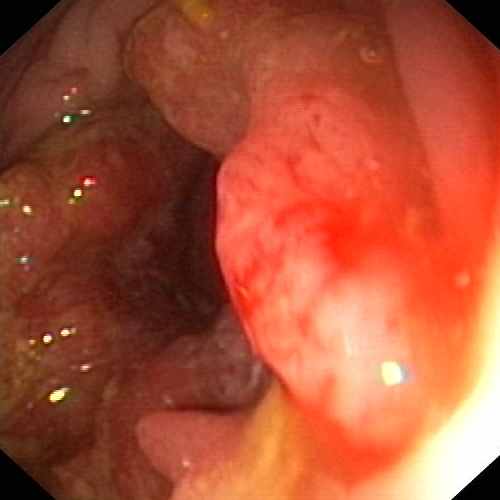 · 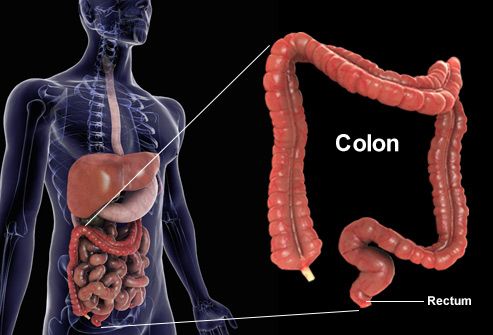 · 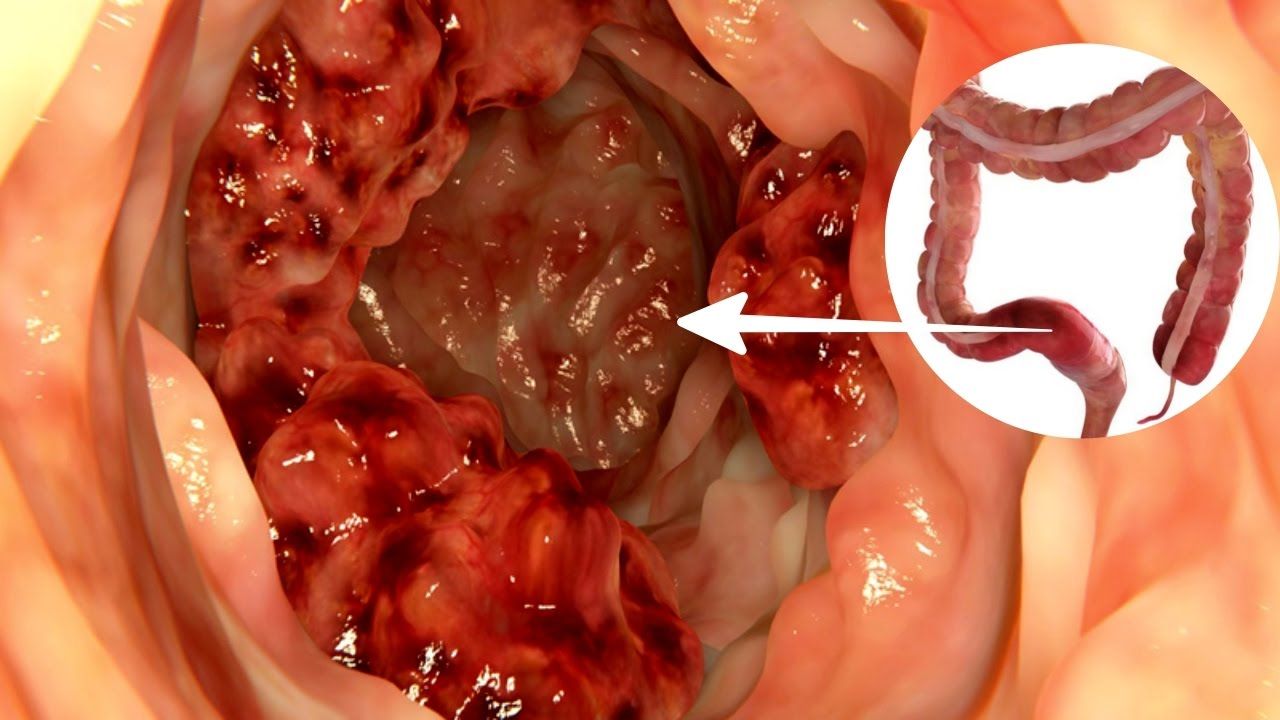 · 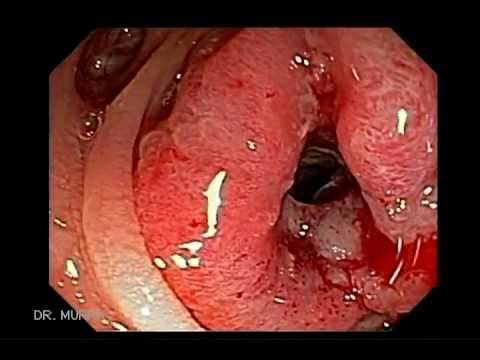 · 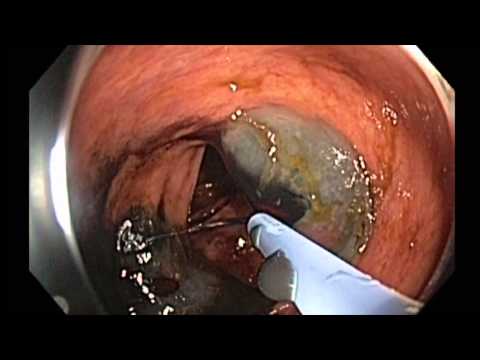 · 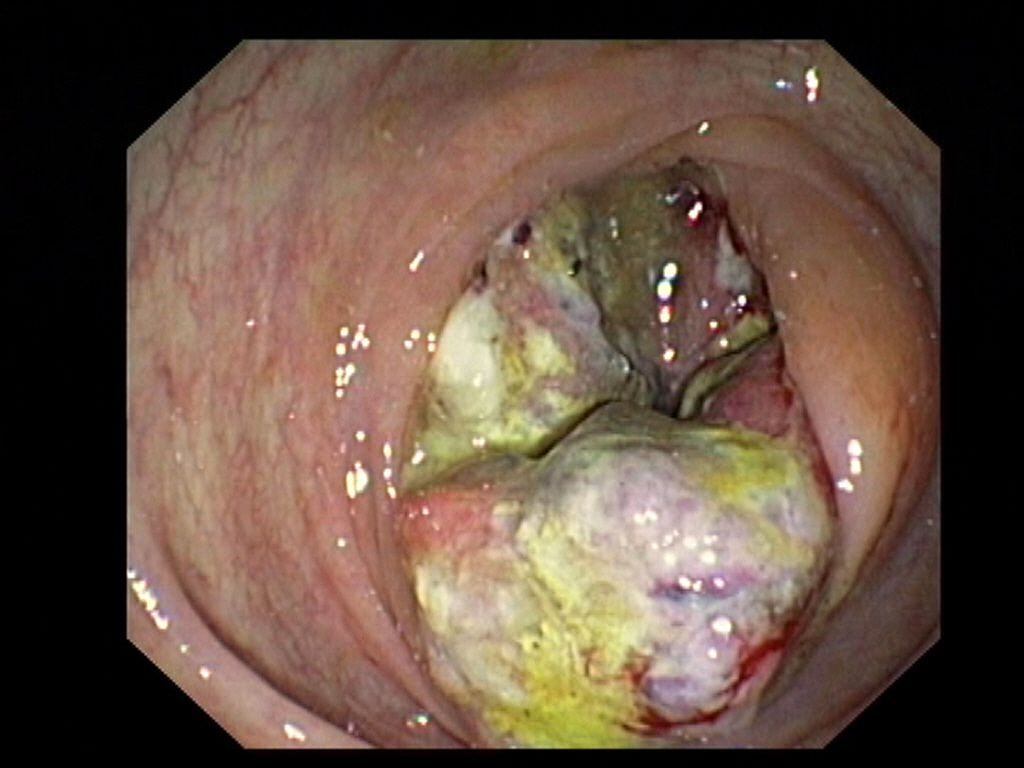 · 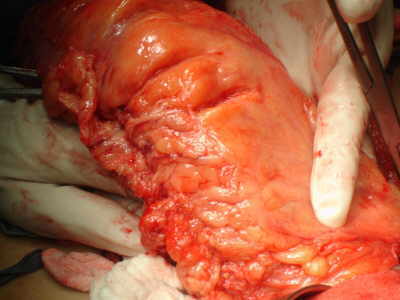 · |
|
#2
●
02-27-2019, 02:41 AM
| ||||||||
 ✝Mudderator from Hell✝ Poster Rank:11 e-mail Join Date: Oct 2006 Posts: 96,183
Contributions: 817
Mentioned: 475 Post(s) Quoted: 10286 Post(s)
| ||||||||
|
Re: Colon Cancer
I know at least two that had this. Both survived after surgery.
|
|
#3
●
02-27-2019, 08:17 AM
| ||||||||
| My Rank: PRIVATE Poster Rank:6171 Join Date: Oct 2013 Posts: 37 Mentioned: 0 Post(s) Quoted: 10 Post(s)
| ||||||||
|
Re: Colon Cancer
My mom was diagnosed with colon cancer in 1978. The surgery was kind of rough, but she survived with a colostomy until her death in 2005. She was the same age as I am now. Diagnosis and treatment has advanced light years since then.
|
|
#4
●
02-28-2019, 09:32 PM
| ||||||||
| My Rank: CORPORAL Poster Rank:1409 Join Date: Feb 2010 Posts: 418 Mentioned: 0 Post(s) Quoted: 26 Post(s)
| ||||||||
|
Re: Colon Cancer
I'm sorry to hear this. One can never fully overcome the loss of a parent, even more so when they are diagnosed with cancer and go through all the pain it entails. I've learned recently that colostomy is performed even in babies. I can only imagine. Thanks for sharing your story.
|
|
#5
●
03-27-2019, 12:24 AM
| ||||||||
 My Rank: PRIVATE FIRST CLASS Poster Rank:4415 Join Date: Apr 2014 Posts: 67 Mentioned: 1 Post(s) Quoted: 4 Post(s)
| ||||||||
|
Re: Colon Cancer
I had to have my colon removed about 10 yrs ago after finding out I carry a defective gene which causes my risk of getting colon cancer (and a few other cancers) to skyrocket. The condition is called Lynch Syndrome. Or more technically - HNPPCC ( hereditary non polyposis colon cancer). After finding out I have Lynch Syndrome I immediately had a colonoscopy and was found to have some suspicious polyps and pre-cancerous cells - that I’m very greatful to have sidestepped getting full blown cancer but functioning day to day without a colon sucks! It’s not the same for everyone but I suffer with chronic diarrhea which makes leaving the house for even a little while nearly impossible. No fun, but I’m still alive and able to enjoy my family & friends. :-)
|