|
#1
●
11-17-2010, 01:09 PM
| ||||||||
 My Rank: GUNNERY SERGEANT Poster Rank:652 Join Date: Mar 2010 Posts: 1,346 Mentioned: 1 Post(s) Quoted: 4 Post(s)
| ||||||||
|
Cholera in Haiti
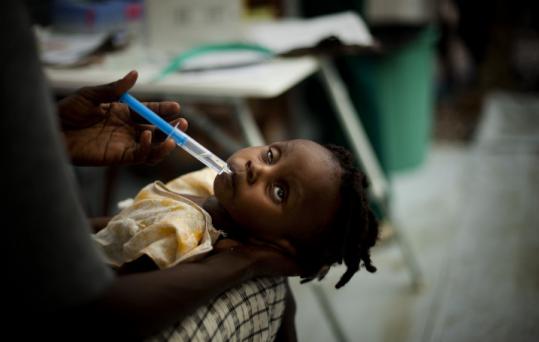
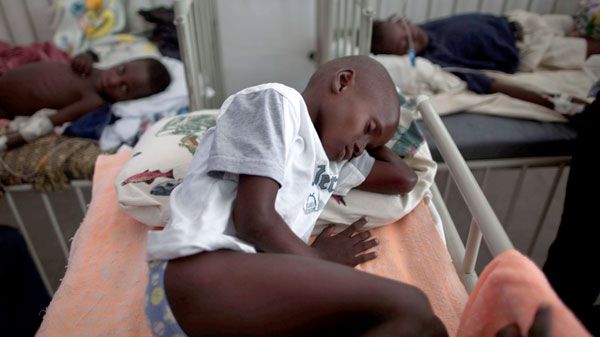
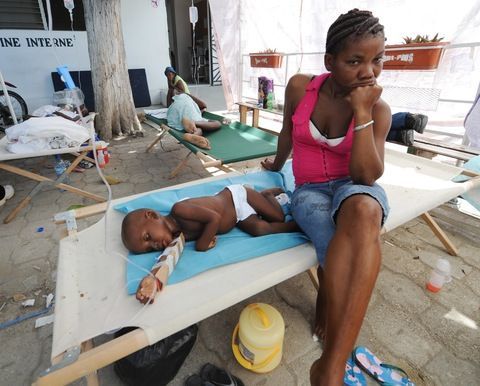
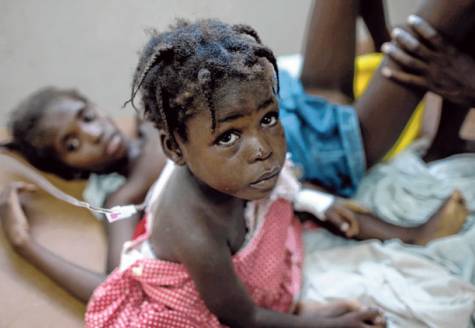
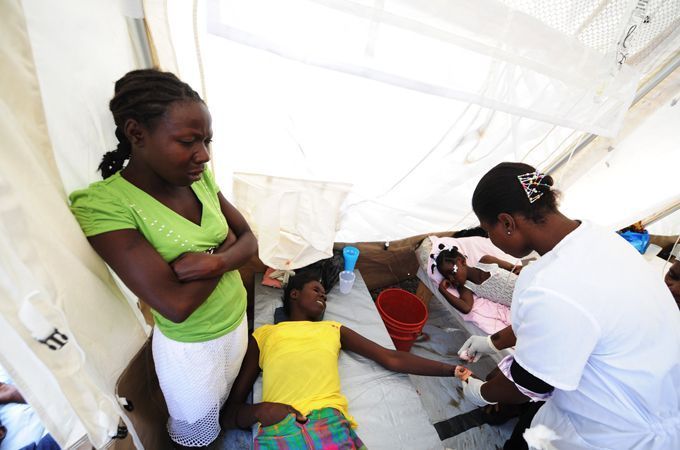
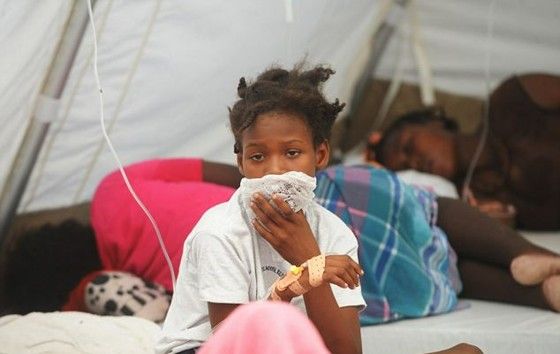
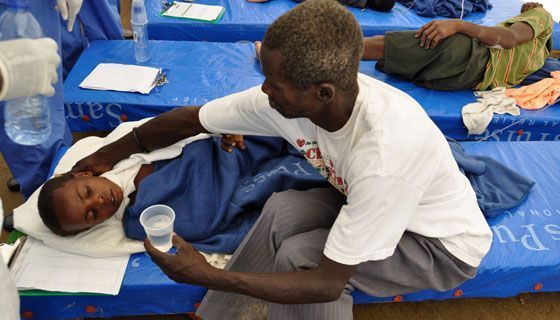
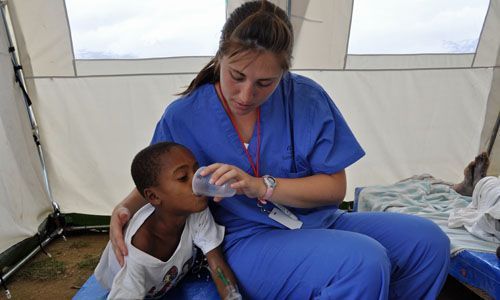
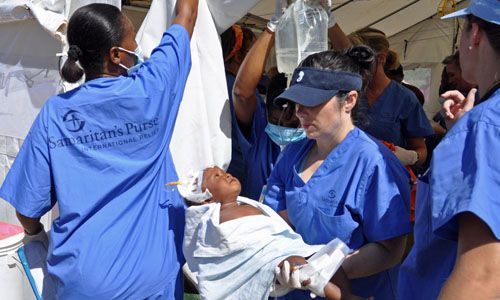
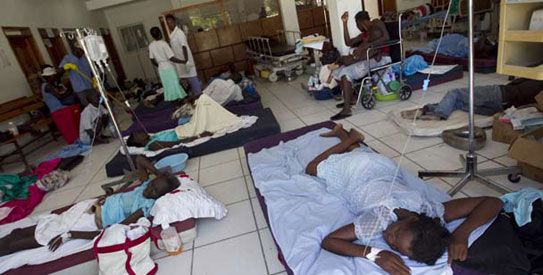
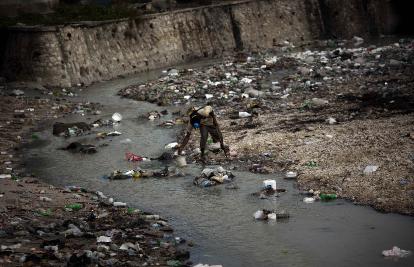
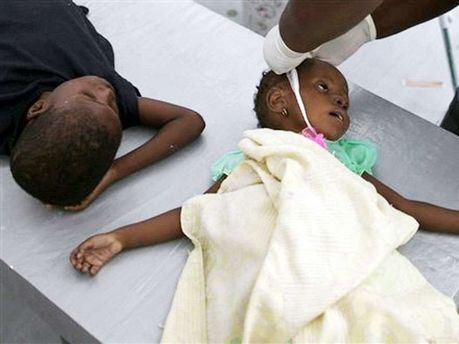
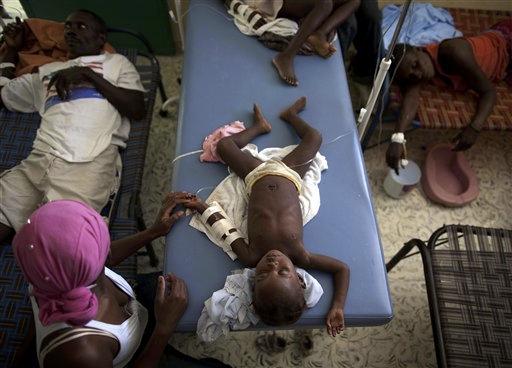
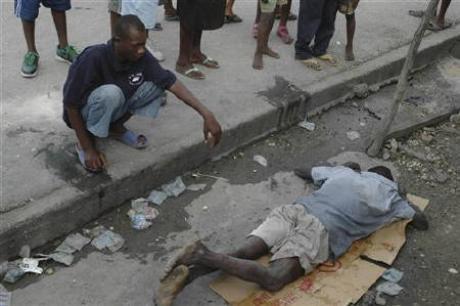
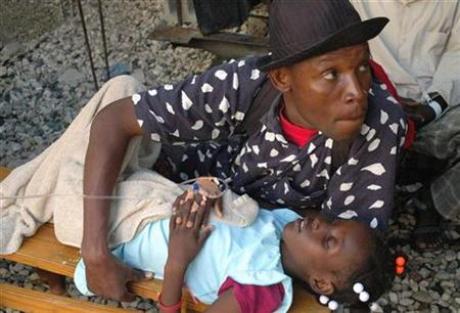
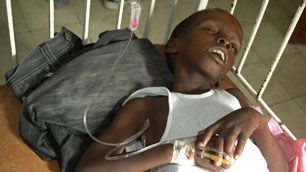
Mirebalais: UN investigators took samples of foul-smelling waste trickling behind a Nepalese peacekeeping base toward an infected river system on Wednesday, following persistent accusations that excrement from the newly arrived unit caused the cholera epidemic that has sickened more than 4,000 people in the earthquake-ravaged nation. Journalists who were visiting the base unannounced happened upon the investigators. Mission spokesman Vincenzo Pugliese confirmed after the visit that the military team was testing for cholera — the first public acknowledgment that the 12,000-member force is directly investigating allegations its base played a role in the outbreak. Meanwhile, the epidemic continued to spread, with cases confirmed in two new departments in Haiti's north and northeast, said UN Office for the Coordination of Humanitarian Affairs spokeswoman Imogen Wall. At least 303 people have died and 4,722 been hospitalised. International aid workers and the United Nations are focusing their efforts on stemming the spread of the outbreak, which was first noted on October 20. But Haitians are increasingly turning their attention to its origins: How did a disease which has not been seen in Haiti since the early 20th century suddenly erupt in the countryside? The mission strongly denies its base was a cause of the infection. Pugliese said civilian engineers collected samples from the base last week which tested negative for cholera and the mission's military force commander ordered the additional tests to confirm. No threat yet He said no members of the Nepalese battalion, whose current members arrived in early October for a six-month rotation, have the disease. The unit's commander declined to comment. Local politicians including a powerful senator and the mayor of Mirebalais are pointing the finger at the Nepalese peacekeeping base, which is perched above a source of the Meille River, a tributary to the Artibonite River on Haiti's central plateau. 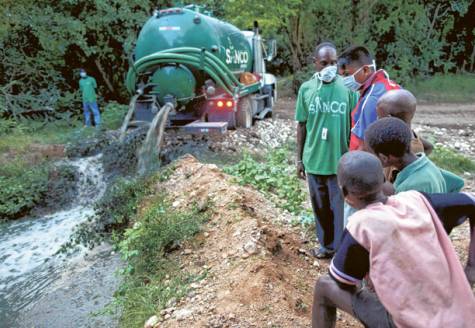 · |
|
#8
●
11-18-2010, 02:53 PM
| ||||||||
 My Rank: STAFF SERGEANT Poster Rank:756 male Join Date: Apr 2009 Posts: 1,079 Mentioned: 0 Post(s) Quoted: 7 Post(s)
| ||||||||
|
Re: Cholera in Haiti
makes me wonder, how the fuck can the people of India bathe and drink with corpses, and these poor bastards get cholera from the people who are there to help them? talk about fucked up.
|