
|
#1
●
11-13-2022, 12:37 AM
| ||||||||
 These are the rooms Poster Rank:26 of ruin. Join Date: Sep 2014 Posts: 54,011 Mentioned: 145 Post(s) Quoted: 30403 Post(s)
| ||||||||
|
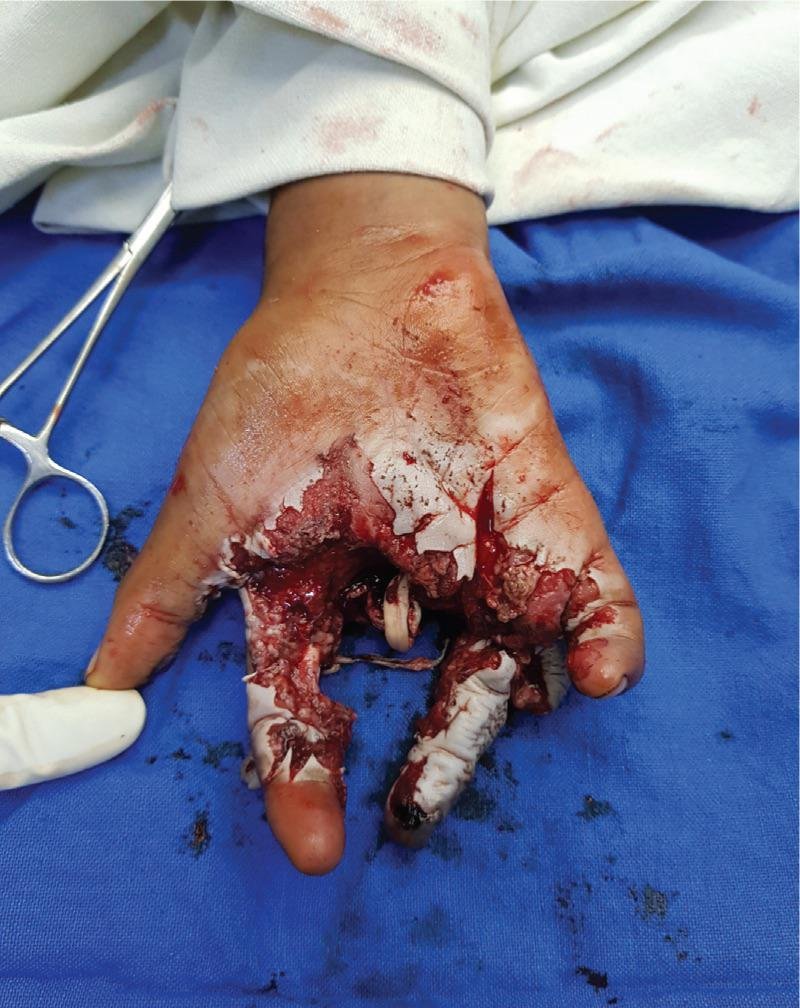
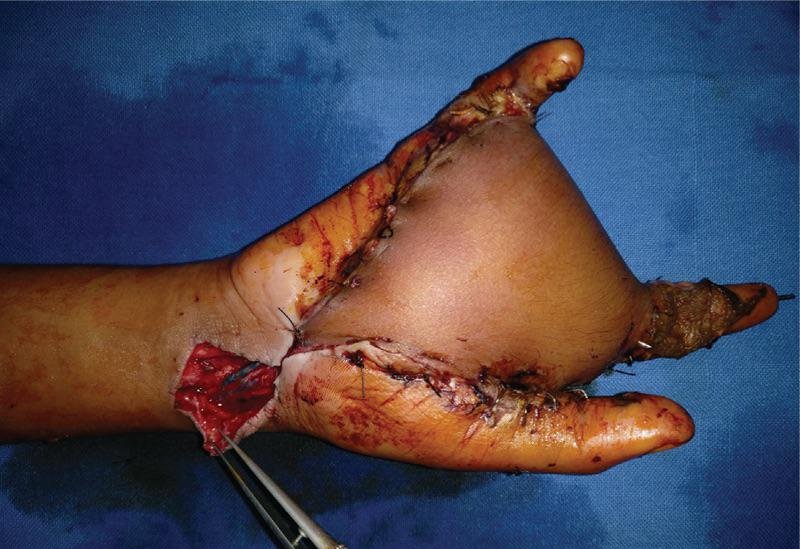
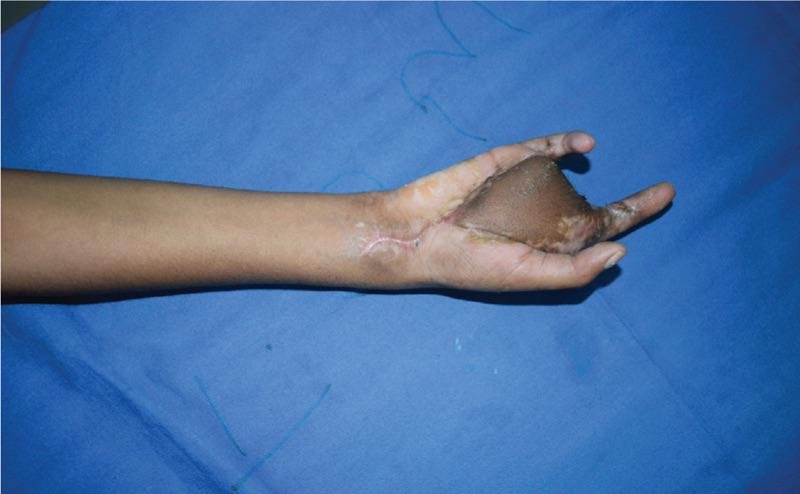
Cell Phone Explosion
Welp.
 ·  ·  · |
|
#3
●
11-13-2022, 03:53 AM
| ||||||||
 ★ Legacy Member ★ Poster Rank:110 Secret Agent Join Date: Dec 2009 Posts: 14,666 Mentioned: 6 Post(s) Quoted: 3023 Post(s)
| ||||||||
|
Re: Cell Phone Explosion
Nice scorching around the edges. Nice middle finger too.  What the hell did they sew onto the palm of his hand? Part of somebody’s butt cheek?  It’s just this random smooth fat piece of human meat that doesn’t look at all like the neighboring skin. He’s got a balloon palm thing happening like some strange experimental shit going on there..  I have so many questions ~  |
|
#4
●
11-13-2022, 05:34 AM
| ||||||||
 ✝Mudderator from Hell✝ Poster Rank:10 e-mail Join Date: Oct 2006 Posts: 96,644
Contributions: 817
Mentioned: 476 Post(s) Quoted: 10344 Post(s)
| ||||||||
|
Re: Cell Phone Explosion
fucking hell bet that was because of a cheap (chinese crap) battery
|
|
#5
●
11-13-2022, 05:55 AM
| ||||||||
| ✝Mudderator from Hell✝ Poster Rank:10 e-mail Join Date: Oct 2006 Posts: 96,644
Contributions: 817
Mentioned: 476 Post(s) Quoted: 10344 Post(s)
| ||||||||
|
Re: Cell Phone Explosion
knew it. Cell phone blast injuries are increasing rapidly in India. Most cheap models, such as those of Chinese make, use hardware and components that are not branded and often substandard. The quality of vital accessories such as battery and earphones are compromised, which can have disastrous outcome. A 10-year-old boy in India met with an accident when playing with a mobile in his right hand while the mobile was on charge. The mobile phone had exploded in the right hand of the patient. The patient was presented in the casualty department 4 h after the injury. On examination, the patient was conscious, and his vitals were stable. On local examination of his hand, there was partial amputation of the right middle finger and near total amputation of the right ring finger. The injury extended to the palmar and dorsal areas. The patient had minimal injury on the chest and face. Initial laboratory and radiological investigations were performed. The patient was shifted to an operation theatre for initial debridement and the fixation of the second and fourth rays with K-wire. The ring finger was amputated. There was raw area over the dorsal and volar aspects of the hand and index finger. After 48 h, wide redebridement and the coverage of soft tissue defect was performed with a right free anterolateral flap. The flap was harvested from the left thigh. Flap donor artery was anastomosed with the right radial artery in an end-to-side fashion. Two vena commitants of the flap were anastomosed with the right radial artery vena commitants. The patient developed venous congestion of the flap on the 4th postoperative day, which was managed with a revision of anastomosis in the vein. The remaining postoperative period was uneventful. The patient was discharged on the 10th postoperative day. K-wire was removed after 3 weeks. The small raw area over the index finger was managed with dressing. Physiotherapy was started after 3 weeks. The usage of mobile phones has increased many folds in India. Consequently, the explosion of mobiles is emerging as a new mode of hand injury. The most common reasons for a cell phone to explode are using it while the phone is being charged and “call bombing.” Charging puts pressure on the motherboard of the phone; using it during charging increases this pressure manifold. This causes cheap electronic components in some mobiles to explode. Call bombing refers to calls or missed calls received from international numbers. If one receives or returns the call and the call exceeds a certain amount of time, the phone will blast. Because cell phone batteries are becoming thinner, there is less room available to keep the positive and negative plates in the battery apart, which is the most probable reason for the explosion of mobile battery. The mechanism of injury on mobile phone explosion combines blast wave injury, penetrating blunt injury by the components of mobile, and burn mechanisms.The holding of mobile in the hand involves the primary action of gripping by the thumb and ulnar fingers (the ring and little fingers), whereas the index and middle fingers stabilize the grip. Therefore, when an explosion occurs with a mobile in hand, the centrifugal force of blast wave transfers primarily to the palm and supporting finger (the middle and ring fingers). Secondarily, it transfers to the thenar eminences. |
|
#7
●
11-13-2022, 12:21 PM
| ||||||||
| ✝Mudderator from Hell✝ Poster Rank:10 e-mail Join Date: Oct 2006 Posts: 96,644
Contributions: 817
Mentioned: 476 Post(s) Quoted: 10344 Post(s)
| ||||||||
|
Re: Cell Phone Explosion
Nothing wrong with Korean phones or tech. |





 rock on sign forever
