|
#1
●
07-14-2026, 03:51 AM
|
 My Rank: CORPORAL Poster Rank:1577 Join Date: Nov 2014 Posts: 359 359Posts 372Thanked 36Quoted 2Mentioned 0Contrib. |
|
Cat Bite
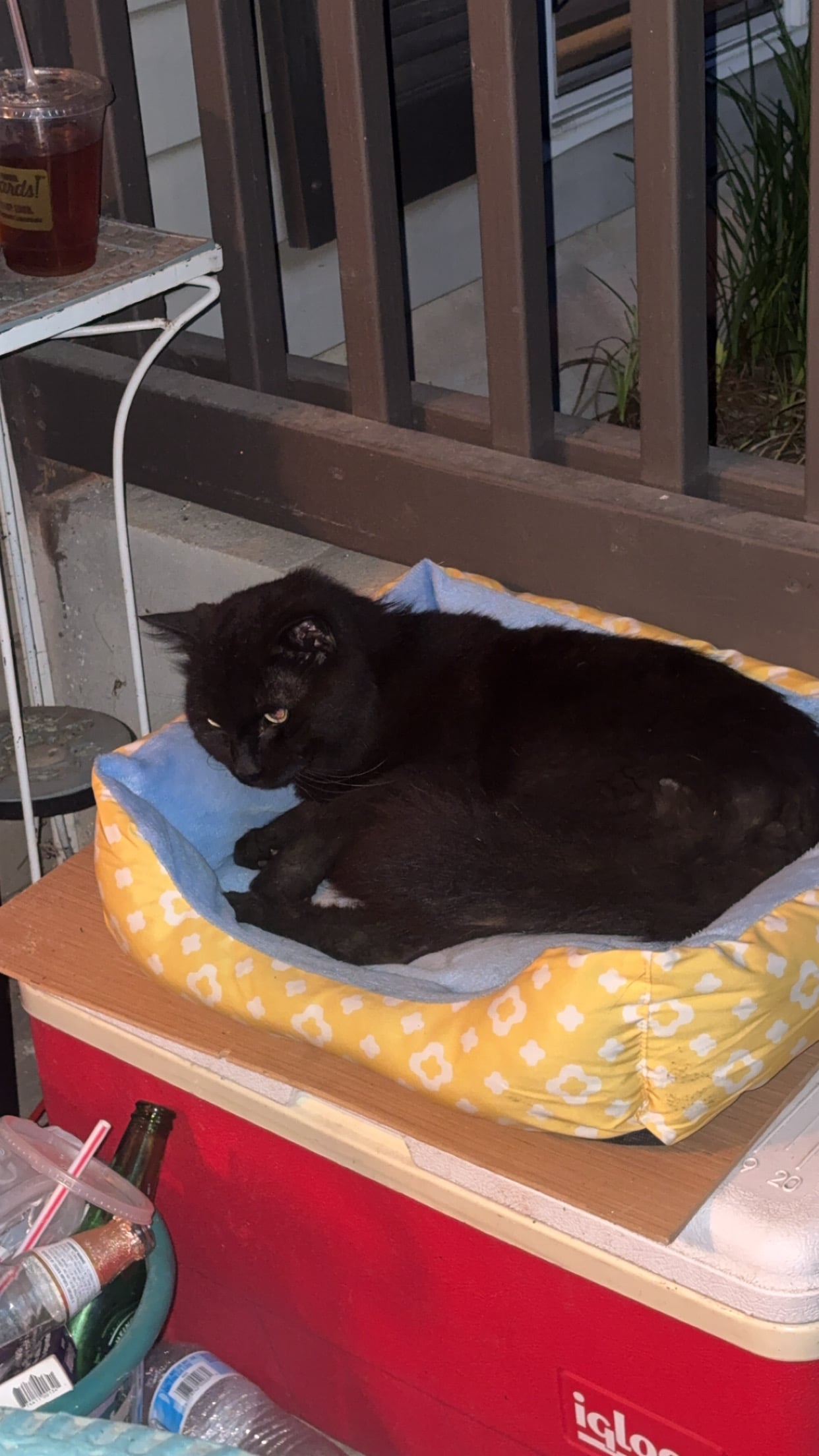
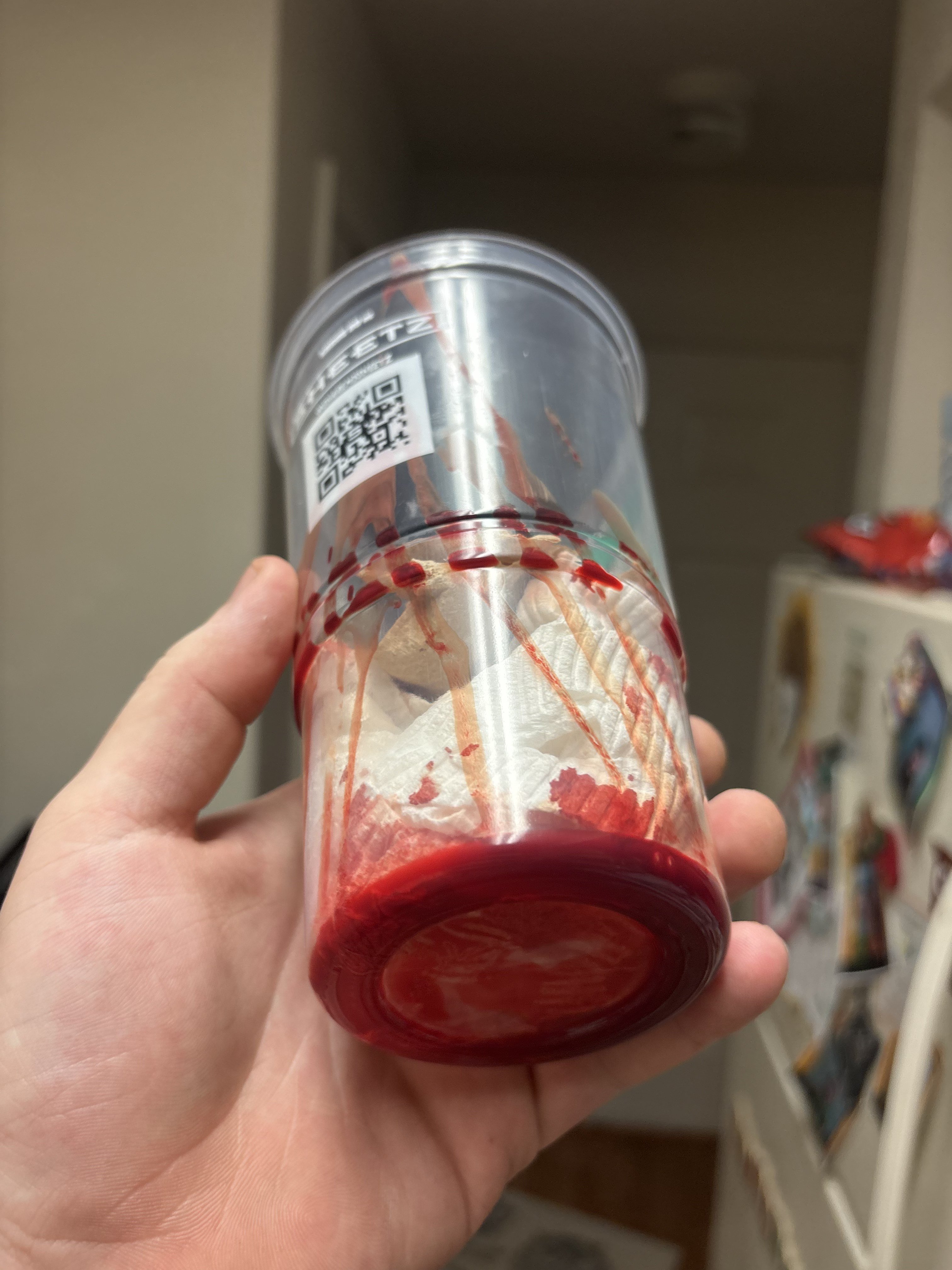
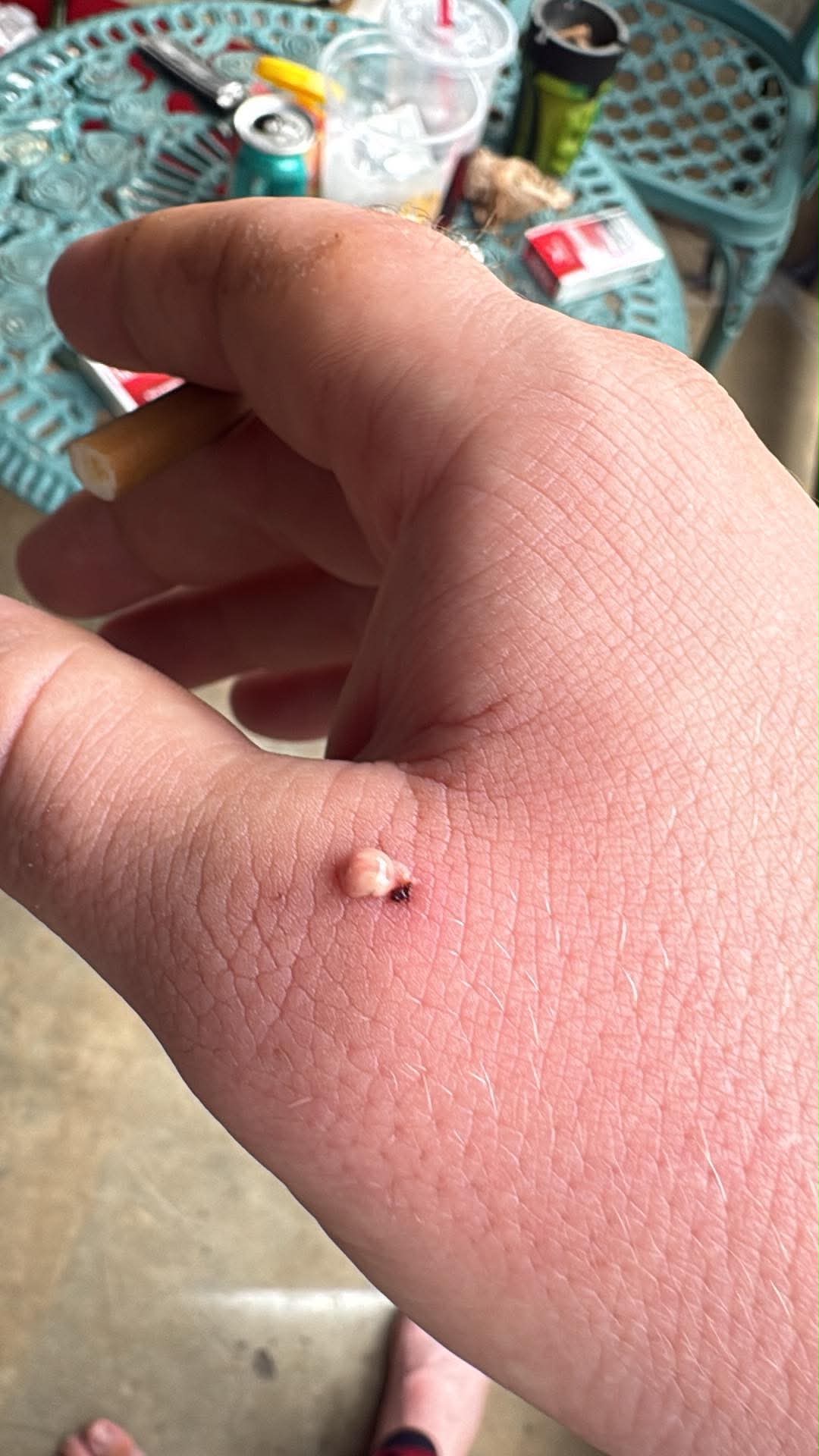
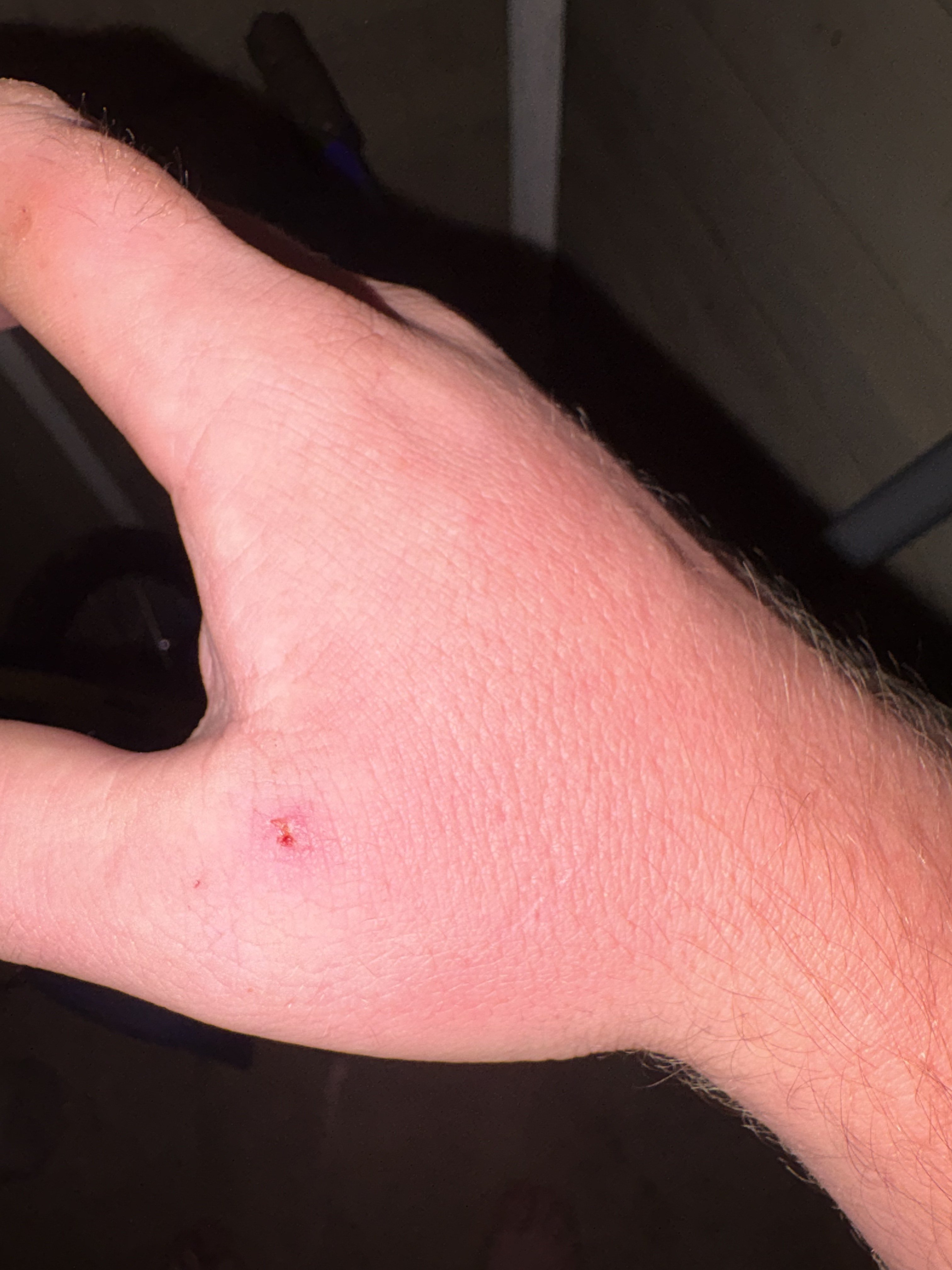
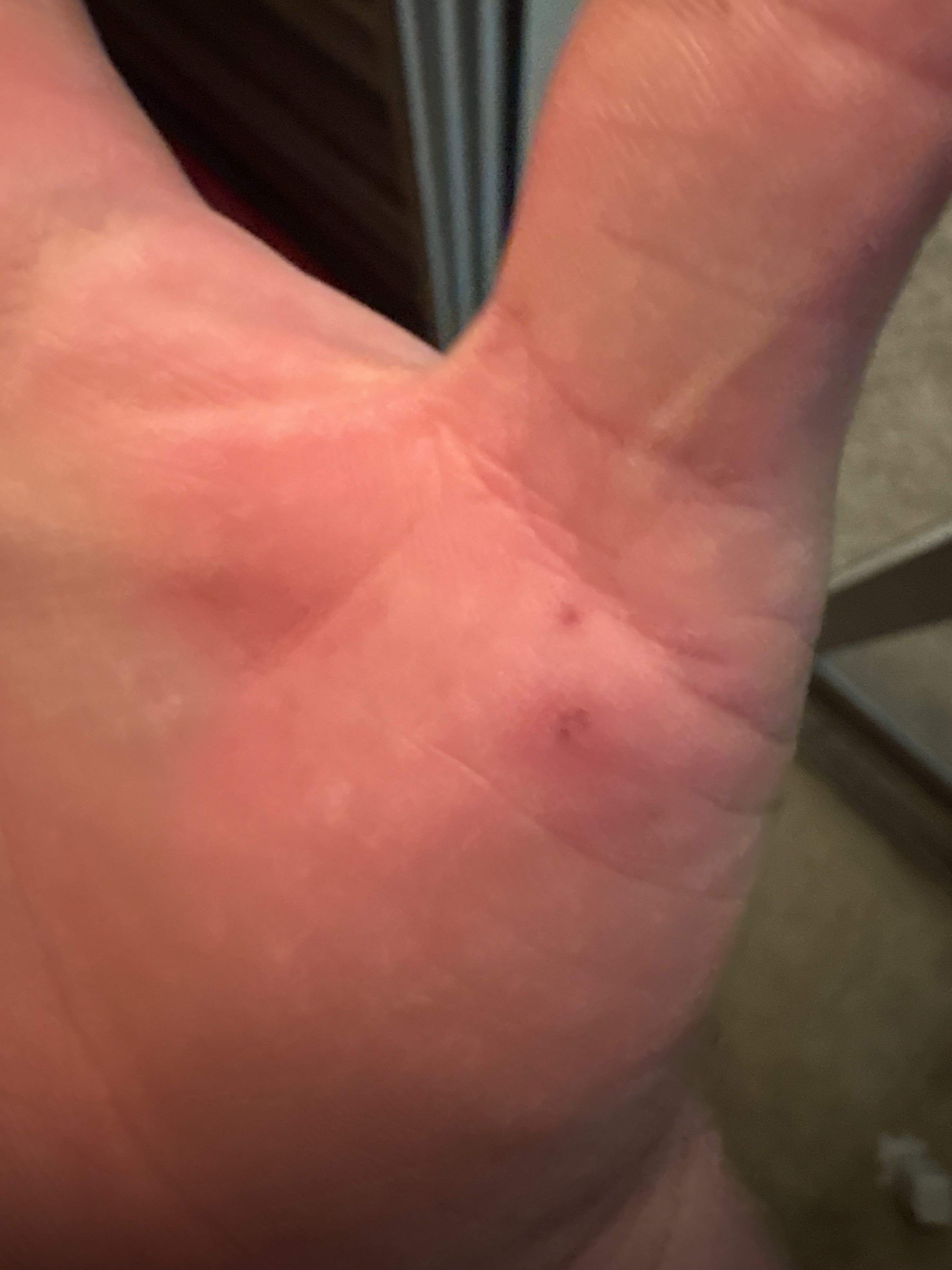
Friend bitten on the hand by a stray cat. The cat had an injured paw and was just reacting to him picking him up and bit him. Quite a bit of bleeding at first. Friend is getting rabies shots and antibiotics just in case. Had some swelling and pus but he's ok. The cat is fine and he's still visiting my friend.
 ·  ·  ·  ·  · |
|
#2
●
07-14-2026, 11:40 AM
|
 ★ Legacy Member ★ Poster Rank:110 Secret Agent Join Date: Dec 2009 Posts: 14,772 14,772Posts 49,063Thanked 3,048Quoted 6Mentioned 0Contrib. |
|
Re: Cat Bite
Glad everyone is doing okay. Has the cat been tested for rabies? It would save your friend the trouble of being vaccinated. Cat bites can be very serious as far as infection goes. I know “first hand” what can happen. Been there, done that and got the t-shirt to prove it!  |
|
#3
●
07-14-2026, 12:47 PM
|
 My Rank: FIRST SERGEANT Poster Rank:458 Join Date: Apr 2013 Posts: 2,458
Contributions: 2
2,458Posts 7,916Thanked 600Quoted 1Mentioned 2Contrib. |
|
Re: Cat Bite
Testing a cat for rabies involves euthanizing it and then examining the brain tissue. There is no approved test for rabies in a living animal  |
|
#4
●
07-14-2026, 04:07 PM
|
 ✝Mudderator from Hell✝ Poster Rank:10 e-mail Join Date: Oct 2006 Posts: 96,624
Contributions: 901
96,624Posts 542,993Thanked 10,364Quoted 479Mentioned 901Contrib. |
|
Re: Cat Bite
Rabies shots are always done just in case as it's very rare a (stray) cat has rabies in the U.S. It will show symptoms within 10 days and die in that period. No drooling etc so the cat is fine. hope they become best friends.  |
|
#5
●
07-14-2026, 07:35 PM
|
 ★ Legacy Member ★ Poster Rank:575 Female last I looked Join Date: May 2015 Posts: 1,708 1,708Posts 5,152Thanked 832Quoted 14Mentioned 0Contrib. |
|
Re: Cat Bite
You’re more likely to get bit by a bat and get rabies. They bite is so little, they don’t realize they’ve been bitten. Also opossums do NOT carry rabies. The drooling you see, is one of their defense tactics, they get semi paralyzed and fall over, the drool gets thicker & the smell is atrocious. But they hope the predator ain’t gonna eat something like that. So instead a person comes out & shoots it. Whoever does this I hope you step on a Lego. |
|
#6
●
07-15-2026, 05:47 PM
|
 My Rank: GUNNERY SERGEANT Poster Rank:606 Join Date: Aug 2017 Posts: 1,536 1,536Posts 2,753Thanked 274Quoted 0Mentioned 0Contrib. |
|
Re: Cat Bite
I got bitten on my leg by a dog and got MRSA. The dog had his vaccinations up to date.
|
|
#7
●
07-16-2026, 07:30 PM
|
| ✝Mudderator from Hell✝ Poster Rank:10 e-mail Join Date: Oct 2006 Posts: 96,624
Contributions: 901
96,624Posts 542,993Thanked 10,364Quoted 479Mentioned 901Contrib. |
|
Re: Cat Bite
There is no vaccine available for dogs or humans that prevents staph or MRSA bacterial colonization. 1 in 3 people are carrying standard staph (not MRSA) at any single moment on their skin/arm pits or inside nose. Of those 33 % around 20% (1 in 5 people) never loses it and they are called persistent carriers. They carry staph every single day because their skin chemistry perfectly suits it but they don't cause illness. This 20% are mostly people with Diabetes, Eczema or Atopic Dermatitis. Because their skin barrier is constantly cracked, dry, and inflamed, it provides a highly favorable texture for staph to permanently anchor itself. Also Dialysis patients, healthcare workers and athletes in contact sports, young children and people with a protein called cytokeratin 10 inside their nose are more vulnerable to be persistent carrier. about 13% of the population are intermittent carriers who just caught staph from a doorknob or a handshake but pass this through as their skin and/nose environment is not suitable for normal staph. When you do get sick from it because of a wound skin puncture like a bite or even a paper cut usally antibiotics will help to stop the infection. However MRSA bacteria naturally live harmlessly on the skin or inside the noses of about 2% of healthy humans. Dogs can also be passive carriers of MRSA without showing any outward signs of illness. Actually they carry it on their fur or inside their mouth. Staphylococcus aureus is not naturally adapted to live on canine skin, a dog's immune system will typically eliminate the bacteria spontaneously within a few weeks to months if the source of exposure is removed, so not if the owner is a persistent carrier. Pet vaccines are targetting viruses not Staph bacteria. In the early 1940's, doctors started using penicillin to easily cure regular staph infections. However, bacteria reproduce and mutate at great speeds. So a few years later during the second World War a strain of these regular staph accidentally bumped into a completely different, harmless species of animal-related bacteria. Through a process called horizontal gene transfer, the staph stole a specific chunk of DNA called the mecA gene. The mecA gene tells the bacteria how to build a modified cell wall and when doctors introduced a stronger penicillin derivative called methicillin in 1959, this upgraded staph used its new genetic shield to completely bounce the drug away. Because humans flooded the world with antibiotics over the next few decades, the regular staph died off locally inside most (so not all) person's bodies when they take an antibiotic or inside specific, highly sanitized areas like hospital rooms while this newly mutated version survived, multiplied and spread. They called it Methicillin-Resistant Staphylococcus Aureus (MRSA). The 2% of healthy people who carry MRSA are not born with a special gene. They are simply people who accidentally picked up this evolved superbug strain from their environment instead of the regular staph strain. These 2% are divided into 2 groups namely people who spend time in places where antibiotics are used heavily (like hospitals, nursing homes or dialysis clinics). Because regular staph gets wiped out in clean hospitals, MRSA dominates the surfaces, curtains and medical equipment. Patients and staff in these environments pick it up and carry it home. The other group are people that spend time in gyms and sports teams (due to shared gear, turf burns and sweat). Inside military barracks and prisons (due to tight, crowded living quarters) and daycares and schools (where kids constantly touch each other and toys). So other family members will be colonized. Actually clinical studies show that once MRSA is introduced by an active infection, up to 25% to 67% of household members will end up testing positive for MRSA colonization and in household pets like dogs and cats around 12.5%. Even if the first person clears the bacteria with antibiotics, they can easily catch it right back from their spouse, roommate or child a few weeks later. [i]Most families[/u] who catch MRSA from an infected family member will naturally shed the bacteria and clear it from their skin over a few weeks or months once the original wound heals. They do not stay colonized forever. Because people are constantly catching it and losing it, the total number of carriers across the entire globe always balances out to that 1% to 2% baseline. This is why healthcare providers tell you to bandage your dog bite wound tightly and wash your sheets on high heat. Your leg wound is a concentrated source of MRSA. If you leave it uncovered, your household jumps up to that high transmission risk category. So in short, either the dog was carrying MRSA on its fur or in its saliva or you already had MRSA sitting harmlessly on your own skin and the puncture bite physically forced those bacteria deep inside. especifically the subcutaneous fat and muscle layers inside your leg are the right environment for this bacteria. when deeper and it goes into your bloodstream real shit can hit the fan aka sepsis. While MRSA is resistant to standard first-line antibiotics (like penicillin, amoxicillin and cephalexin), it is completely vulnerable to a specific group of specialized antibiotics and usally, if possible, they perform a fluid swab test from the dogs mouth the pinpoint the exact antibiotics to use. MRSA produces specialized toxins that actively destroy your own invading white blood cells from your immune system. It essentially creates a shield that paralyzes your local immune response. It can handle when it sits on your skin but once inside the battlefield changed. The MRSA-targeted antibiotics you take do not completely replace your immune system. Instead, they weaken or poke holes in the bacteria's protective cellular shields. This slows down their reproduction, allowing your white blood cells, from your bone marrow, specifically neutrophils, to easily move in and finish clearing the infection. Your bone marrow manufactures roughly 100 billion neutrophils every single day. Because neutrophils live for less than a day, your marrow acts like a factory that completely runs out of raw materials if you go too long without eating. Your bone marrow uses amino acids as physical bricks to build white blood cells. It specifically requires essential amino acids like lysine and leucine to construct them. Your body cannot store extra amino acids for later, so you must eat small amounts throughout the day. Incorporate skinless chicken breast, turkey, eggs, wild fish (salmon or tuna), Greek yogurt, or tofu into your meals. Animal and soy are complete proteins, meaning they provide every single amino acid your bone marrow needs in one shot. Clinical data shows that a shortage of Folate (Vitamin B9) and Vitamin B12 instantly slows down this replication process, halting white blood cell production so eating dark leafy greens (spinach or kale), broccoli, lentils and chickpeas and for B12 eat eggs, beef liver, shellfish or dairy products to have a healty neutrophils level. Once your marrow physically builds the neutrophils, they need to be programmed to attack the MRSA as Zinc acts as the direct operational trigger for your white blood cells. Get zinc from pumpkin seeds, nuts, and lean meats and Vitamin C protects your stem cells from damage while they divide at high speeds. Eat bell peppers, citrus fruits and strawberries. It's not a cure but a support system. i read the other day people under 65 need 0.55 to 0.7 grams of protein per pound of body weight each day but not in one go but across diff meals. Clinical research consistently shows that your muscles and your bone marrow (where those white blood cells are made) can only process about 25 to 35 grams of protein at one time for tissue repair and immune production. If you eat a massive steak containing 90 grams of protein in a single sitting, your body will use the first 30 grams to repair your dog bite wound and build new neutrophils and the remaining 60 grams cannot sit around waiting for later as your liver immediately strips away the nitrogen, converts the excess into sugar or fat for storage and you flush the waste products out through your urine. |
|
#9
●
07-20-2026, 11:20 PM
|
 My Rank: SERGEANT Poster Rank:1160 Join Date: Jul 2017 Posts: 557 557Posts 972Thanked 153Quoted 0Mentioned 0Contrib. |
|
Re: Cat Bite
The MRSA was most likely on your skin. It can be on inanimate objects such as a fence gate. That's where I got mine into my elbow with plates and screws.
|
|
#10
●
08-16-2026, 11:39 AM
|
| My Rank: PRIVATE Poster Rank:12014 Join Date: May 2024 Posts: 10 10Posts 7Thanked 0Quoted 0Mentioned 0Contrib. |
|
Re: Cat Bite
This happened to me in the exact same spot on my hand. Found the cat dead the next day. Rabies and antibiotics course after that. Human immunoglobulin shot was like liquid fire! Worst pain I ever felt. May have been made worse by the active infection, but whatever. I never want that again. Rabies shot was nothing. |