|
#1
●
05-25-2023, 03:54 PM
| ||||||||
 ✖ The Antique Christ ✖ Poster Rank:105 Gonzo Punk Join Date: Jan 2009 Posts: 15,488
Contributions: 58
Mentioned: 23 Post(s) Quoted: 2046 Post(s)
| ||||||||
|
Camel Bite to the Face
A 25-year-old male camel caregiver presented to the Emergency Department of Al-Ain Hospital 1 h after being bitten several times in the left side of his head and neck by a 15-year-old male camel. The injury occurred in the farm while the patient was trying to feed the camel. The camel turned aggressive and strongly and repeatedly gripped the patient's face between its jaws, lifting the patient up in the air while shaking and throwing him forcefully to the ground. These bites were repeated four times to the patient's face and neck. The patient was able to rescue himself only after putting his headscarf inside the camel's mouth. On clinical examination, the patient was fully conscious, alert, but in severe distress. His blood pressure was 159/91 mm Hg. Pulse rate was 47 beats per minute, and body temperature was 36.5 °C. There were multiple puncture and laceration wounds on the left side of his face and neck (Fig. 1). Inspection of the facial wounds showed a swollen left eye with lacerations on the eyelid and eyebrow with extensive subconjunctival hemorrhage. An approximately 13 cm lacerated wound on the left side of the face extended from the temporal region to the left chin with surrounding skin erythema. There was bleeding from the left ear with a laceration of the crus of the left helix. Neck inspection showed a 7 cm laceration in the left submandibular area with no obvious injury to the adjacent great vessels (Fig. 1). The patient was given 0.5 ml of tetanus toxoid vaccine intramuscularly and was admitted to the hospital. A trauma computed tomography (CT) was performed to detect other injuries. Maxillofacial CT without contrast showed a comminuted fracture of the left nasal bone, a fracture of the medial orbital wall with sagging of medial rectus muscle into the fracture space, medial rectus muscle hematoma, fracture of lacrimal bone and displacement of piece of it into the orbit, left preseptal hematoma, complete opacification of left intraocular content, crystalline lens was not identified, and the eye appeared as one chamber with loss of the eyewall integrity (Fig. 2). Although the left optic nerve appeared stretched, there were no obvious CT findings for its injury. CT angiographic study of the neck arteries showed no evidence of active extravasation, dissection or thrombosis. Prophylactic antibiotic using intravenous ceftriaxone and metronidazole was commenced. The patient was taken to the operation room, and the wounds were explored and debrided under general anesthesia. Upper lid (2 cm) full thickness laceration, eyebrow (3.5 cm), lateral to lateral canthal area laceration and inferior bulbar conjunctiva were repaired. There was a massive corneal laceration with expulsion of the eye content. Salvaging the left eye was not possible, and evisceration of the eye was performed. Intraoperative examination of the left cheek wound site (Fig. 3) revealed macerated muscle with a deep wound penetrating the underlying superficial musculoaponeurotic system. The left Parotid duct was partially transected over the masseter muscle (Fig. 3). This was approximated and primarily repaired using Nylon 8/0 sutures, and the parotid gland capsule was also sutured. The buccal branch of the facial nerve could not be identified. The nasal bone fracture was managed with closed reduction. The lacerations of the left auricle and the left submandibular region were closed in layers. On a postoperative day 6, the patient developed a small left-sided sialocele which has rapidly progressed into a fistula. This was managed with Hyoscine tablets, transdermal scopolamine, and pressure dressing. A favorable response was observed after three days. The patient was discharged home on day 9 in a good general condition and was placed on Clindamycin 600 mg 4 times a day, Hyoscine 20 mg 3 times a day, and Erythromycin 0.5% ophthalmic ointment. A follow up at one month showed a satisfactory scar, completely healed salivary fistula, and a residual weak upper lip function. The patient gave written informed consent for publication of his clinical images in this manuscript. 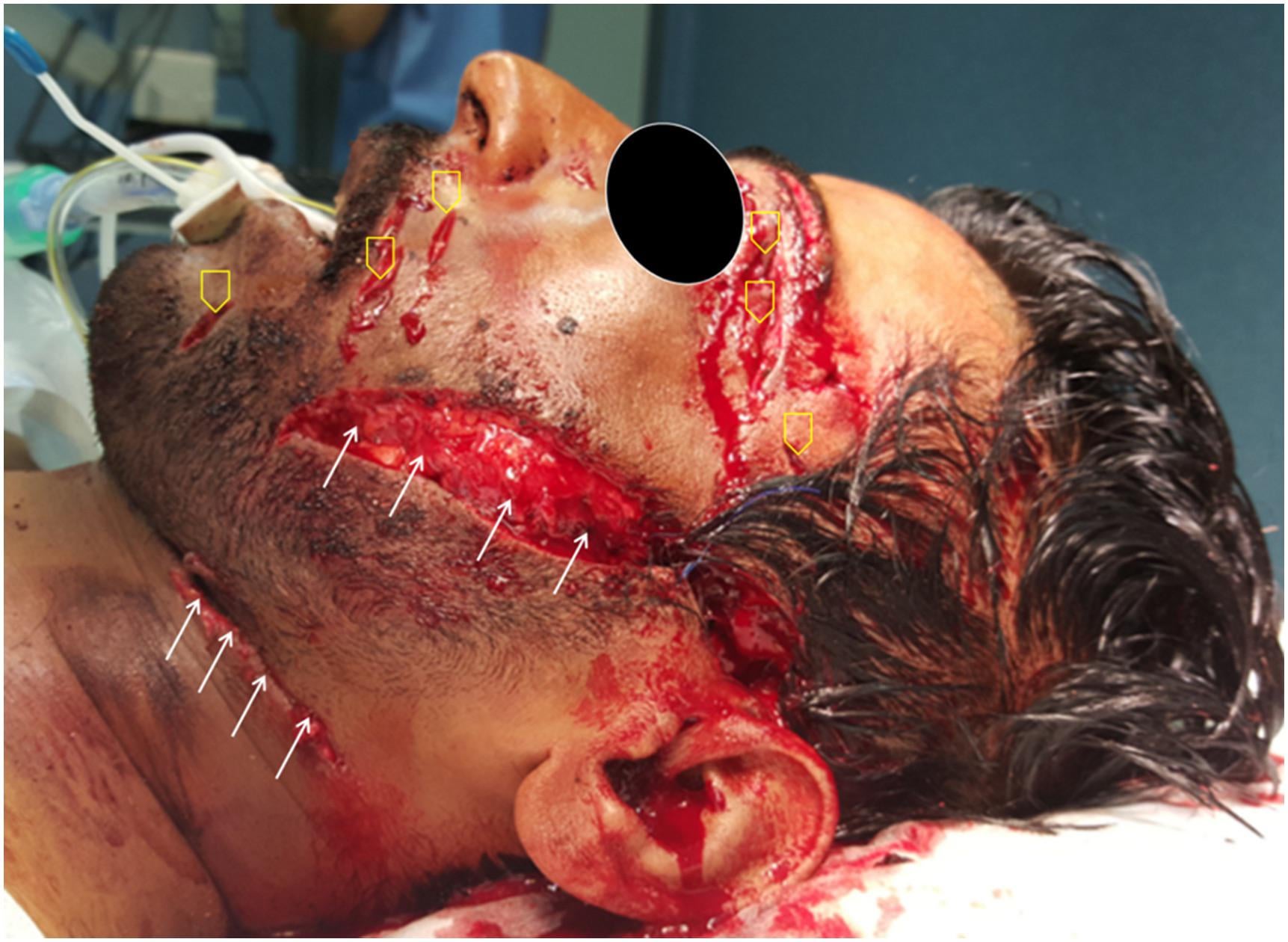 · 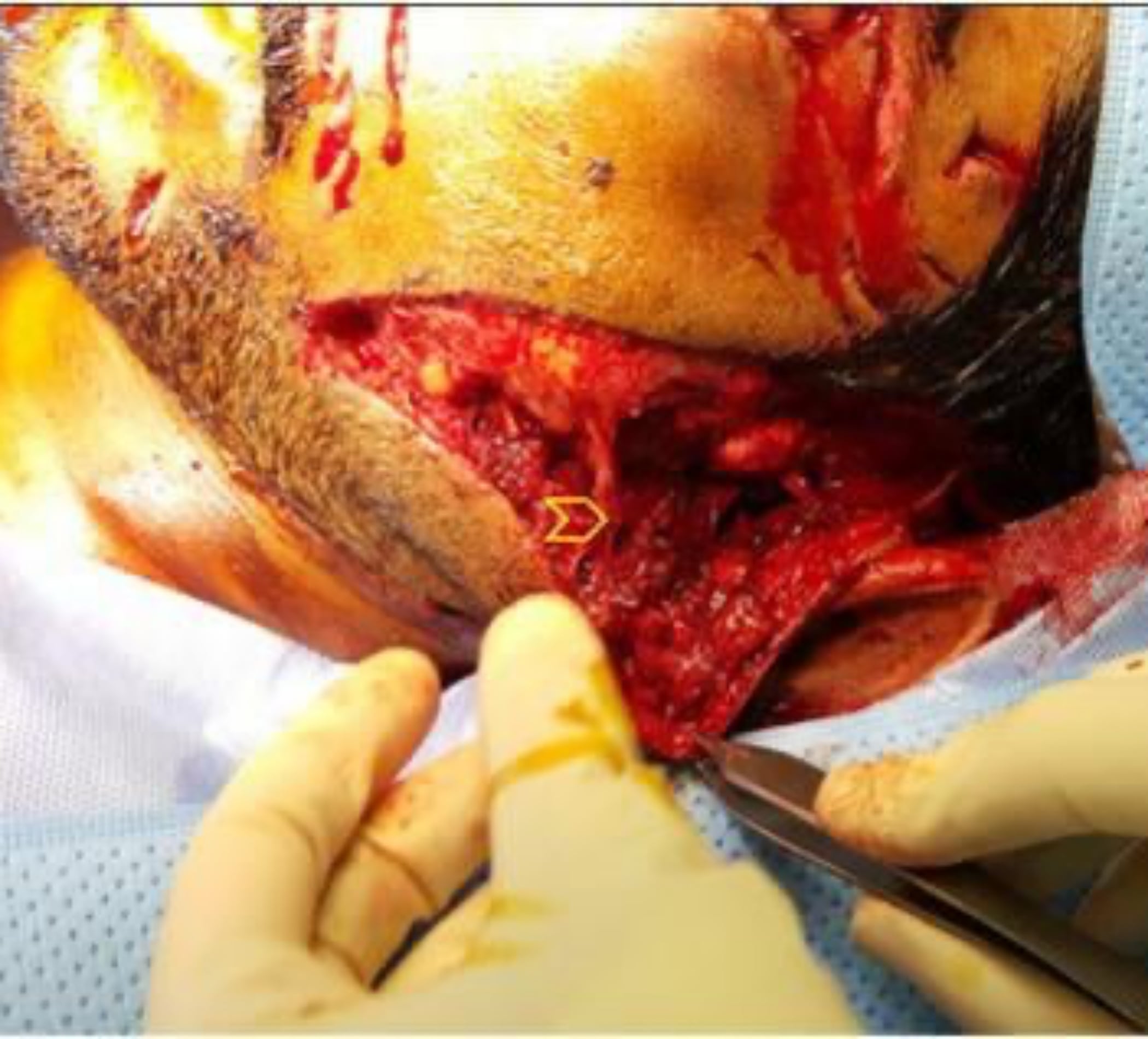 · 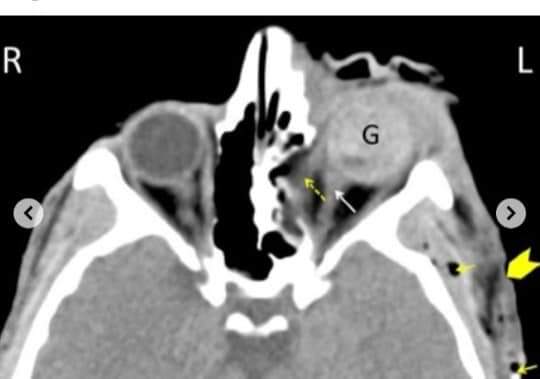 · |
|
#4
●
05-25-2023, 05:14 PM
| ||||||||
 ★ Legacy Member ★ Poster Rank:247 So many choices now Join Date: Jul 2015 Posts: 5,548 Mentioned: 15 Post(s) Quoted: 2120 Post(s)
| ||||||||
|
Re: Camel Bite to the Face
Imagine if the Camel Toe had gotten involved somehow. That's not even a funny comment, I just felt it needed to be said. |
|
#5
●
05-25-2023, 11:32 PM
| ||||||||
 ♚ Legacy Gold Member ♚ Poster Rank:202 Iceman Join Date: Aug 2017 Posts: 7,505 Mentioned: 19 Post(s) Quoted: 3629 Post(s)
| ||||||||
|
Re: Camel Bite to the Face
Why do they call camels the "ships of the desert"? Cuz they're filled with Arab semen. |
|
#6
●
05-26-2023, 11:07 AM
| ||||||||
 My Rank: MAJOR Poster Rank:92 Male Join Date: Aug 2009 Posts: 16,925 Mentioned: 9 Post(s) Quoted: 1885 Post(s)
| ||||||||
|
Re: Camel Bite to the Face
I've seen how camels are treated in those farms. Not completely sure but this was likely deserved.
|
|
#9
●
05-29-2023, 07:10 PM
| ||||||||
 ★ Legacy Member ★ Poster Rank:770 I'm not A bitch.... I'm THE bitch. Join Date: Jul 2012 Posts: 1,033 Mentioned: 4 Post(s) Quoted: 174 Post(s)
| ||||||||
|
Re: Camel Bite to the Face
I was thinking the same fucking thing when I was halfway through the op report. Shit, when I was pre-med, my specialty would have been trauma surgery…… the shit I have seen and this is bad shit.
|
|
#10
●
05-30-2023, 03:20 PM
| ||||||||
 ♚ Legacy Gold Member ♚ Poster Rank:644 Woman Join Date: Apr 2011 Posts: 1,349 Mentioned: 2 Post(s) Quoted: 139 Post(s)
| ||||||||
|
Re: Camel Bite to the Face
Retired cop here, and yeah, I have seen some shit as well! Let me get this straight, you are a law student who is also a Doctor?? Is there anything you don't do? 
__________________ You can not imagine the immensity of the Fuck I do not give. |