|
#1
●
08-04-2024, 06:24 PM
|
 These are the rooms Poster Rank:26 of ruin. Join Date: Sep 2014 Posts: 54,008 54,008Posts 87,658Thanked 30,403Quoted 145Mentioned 0Contrib. |
|
Bull Attack
Aim: Describe the epidemiological, clinical and therapeutic particularities of craniofacial trauma by encornment. Type of study: This was a retrospective and descriptive study. Material and methods: It took place in the surgical emergency departments of Bouaké (Côte d’Ivoire) University Hospital from January 2013 to December 2017, for a period of 5 years. It focused on patients of 0 to 5 years old admitted for craniofacial trauma involving the horn of a bovine. Results: Of the 26 cases of traumatic encornment, 11 were craniofacial location (42%). There were 9 male and 2 female victims. The average age was 10.54 years with extremes of 6 months and 24 years. Patients came from rural areas of Côte d’Ivoire. Bovids were responsible for all causal encornements. The lesions involved the scalp (3 cases) and the face (8 cases). The lesions were cutaneous-musculo skeletal in 7 cases. The surgical treatment included debridement associated to a suture in all cases and associated with maxillo mandibular blockage in 3 cases and duro-cranioplasty in one case. Conclusion: In the local context, facial cranio traumatism by encornement is rare and seems to be essentially infantile, masculine and rural problem. 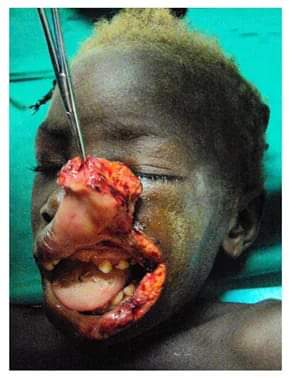 · |
|
#2
●
08-05-2024, 12:24 AM
|
 ★ Legacy Member ★ Poster Rank:110 Secret Agent Join Date: Dec 2009 Posts: 14,838 14,838Posts 49,311Thanked 3,059Quoted 6Mentioned 0Contrib. |
|
Re: Bull Attack
Yep! Just grab the bull by the horns and live a long and prosperous life!  |
|
#3
●
08-05-2024, 03:31 PM
|
 ✝Mudderator from Hell✝ Poster Rank:10 e-mail Join Date: Oct 2006 Posts: 96,698
Contributions: 902
96,698Posts 543,733Thanked 10,372Quoted 479Mentioned 902Contrib. |
|
Re: Bull Attack
More pics. Of the 26 patients admitted for the period, 11 were traumatized craniofacial (42%). There were 9 boys and 2 girls. Ten of the patients (90.9%) had an age whose extremes were 6 months and 14 years. One patient was 24 years old and the mean age of the entire study population was 10.54 years. The animals causing the trauma were all oxen. Patients came from a rural area in the central region of Côte d’Ivoire in 4 cases and in the northern region in 7 cases. Horning occurred in the context of domestic accidents (4 cases), field work (4 cases) and pastoral activities (3 cases). During trauma, the patients were standing (7 cases) or in supine position (4 cases). Examination of consciousness was normal in 9 patients and impaired in 2 patients. 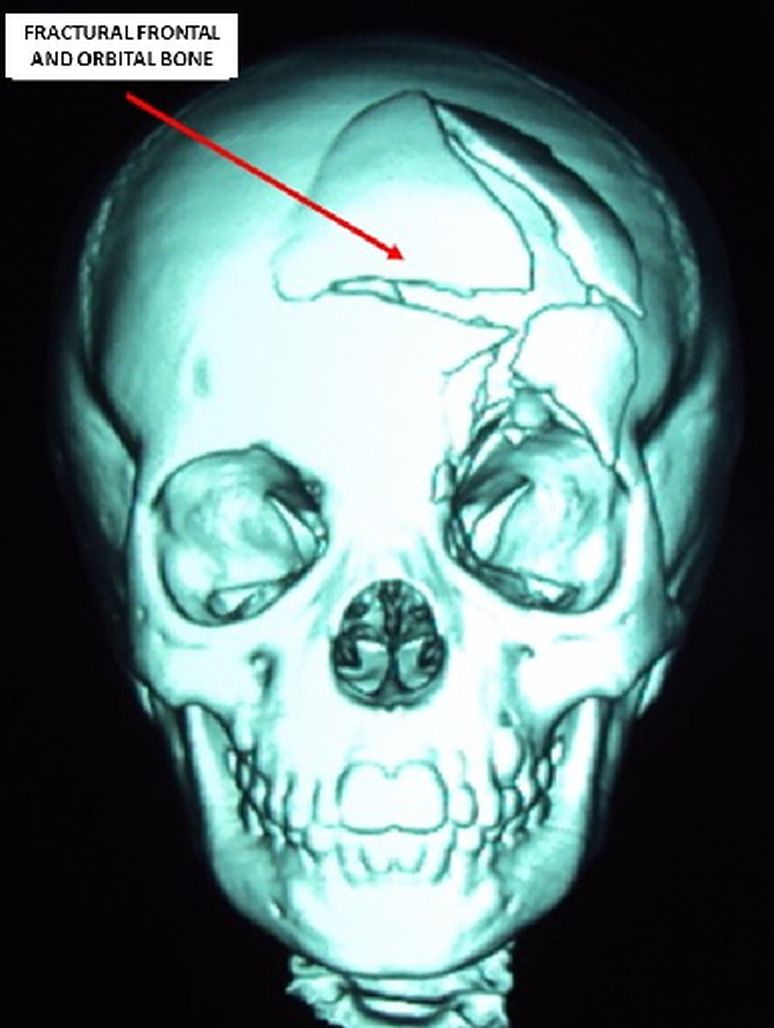 · 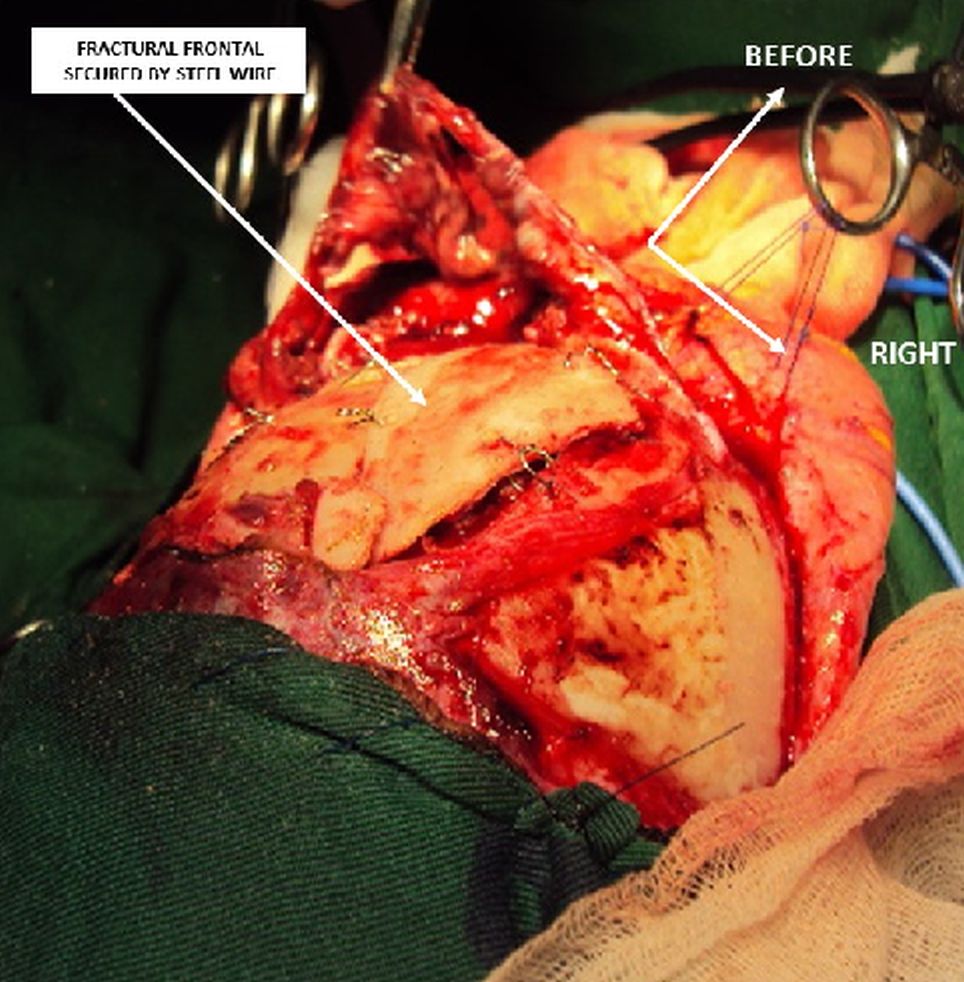 · |