
|
#1
●
08-11-2011, 12:23 PM
| ||||||||
 My Rank: MAJOR Poster Rank:12 Join Date: Jun 2009 Posts: 93,128
Contributions: 226
Mentioned: 91 Post(s) Quoted: 2009 Post(s)
| ||||||||
|
Birth Defects As A Result Of Thalidomide
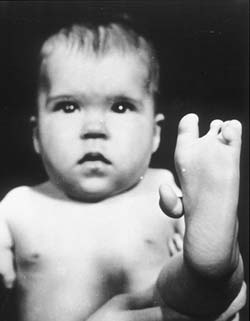 · 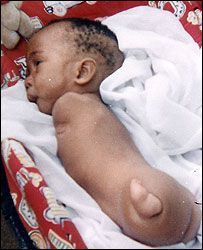 · 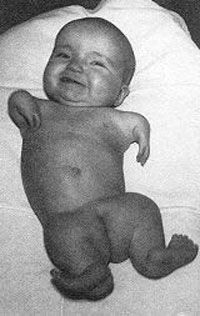 ·  · |
|
#2
●
08-11-2011, 12:26 PM
| ||||||||
 My Rank: PRIVATE FIRST CLASS Poster Rank:4691 Join Date: Feb 2010 Posts: 60 Mentioned: 0 Post(s) Quoted: 0 Post(s)
| ||||||||
|
Re: Birth Defects As A Result Of Thalidomide
 |
|
#3
●
08-11-2011, 12:28 PM
| ||||||||
 ★Wizard Of Gore★ Poster Rank:2 Join Date: Aug 2009 Posts: 127,799
Contributions: 1
Mentioned: 457 Post(s) Quoted: 30201 Post(s)
| ||||||||
|
Re: Birth Defects As A Result Of Thalidomide
 |
|
#6
●
08-11-2011, 01:23 PM
| ||||||||
 ♚ Legacy Gold Member ♚ Poster Rank:199 Female Join Date: Nov 2009 Posts: 7,765 Mentioned: 5 Post(s) Quoted: 709 Post(s)
| ||||||||
|
Re: Birth Defects As A Result Of Thalidomide
I remember seeing pics of thalidomide kids before. What an awful thing to happen. Those poor kids. AND the poor parents who must've felt incredibly guilty for taking the anti sickness pills.  |





 bub in pic two is soooo cute
