|
#1
●
09-28-2015, 06:05 AM
| ||||||||
| So Fucking Banned Poster Rank:10547 Join Date: Feb 2013 Posts: 13 Mentioned: 0 Post(s) Quoted: 4 Post(s)
| ||||||||
|
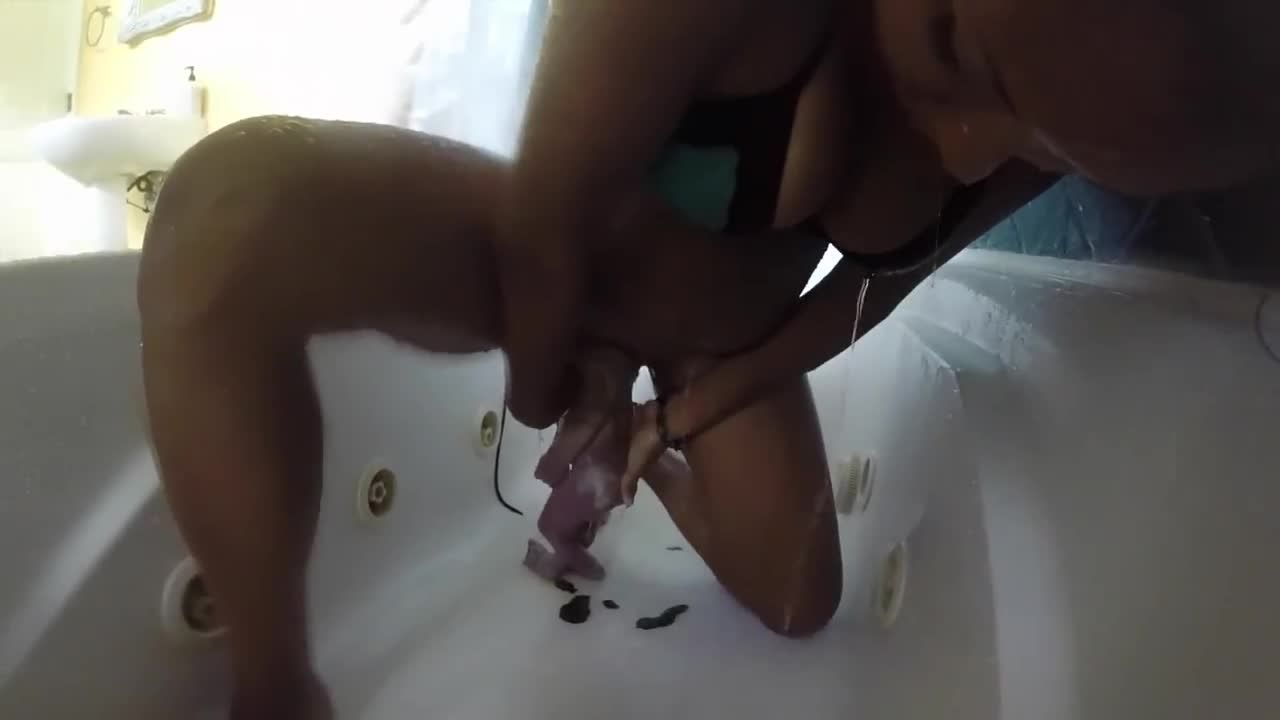
Attempting to Pull Out a Breech Baby
Woman having an unassisted breech birth in a bath tub!
 ·  ·  · |
|
#2
●
09-28-2015, 07:52 AM
| ||||||||
 ★ Legacy Member ★ Poster Rank:437 male Join Date: Jun 2014 Posts: 2,667
Contributions: 19
Mentioned: 6 Post(s) Quoted: 732 Post(s)
| ||||||||
|
Re: Attempting to Pull Out a Breech Baby
I think that's fake. I hope it is!   |
|
#5
●
09-28-2015, 11:19 PM
| ||||||||
| So Fucking Banned Poster Rank:10547 Join Date: Feb 2013 Posts: 13 Mentioned: 0 Post(s) Quoted: 4 Post(s)
| ||||||||
|
Re: Attempting to Pull Out a Breech Baby
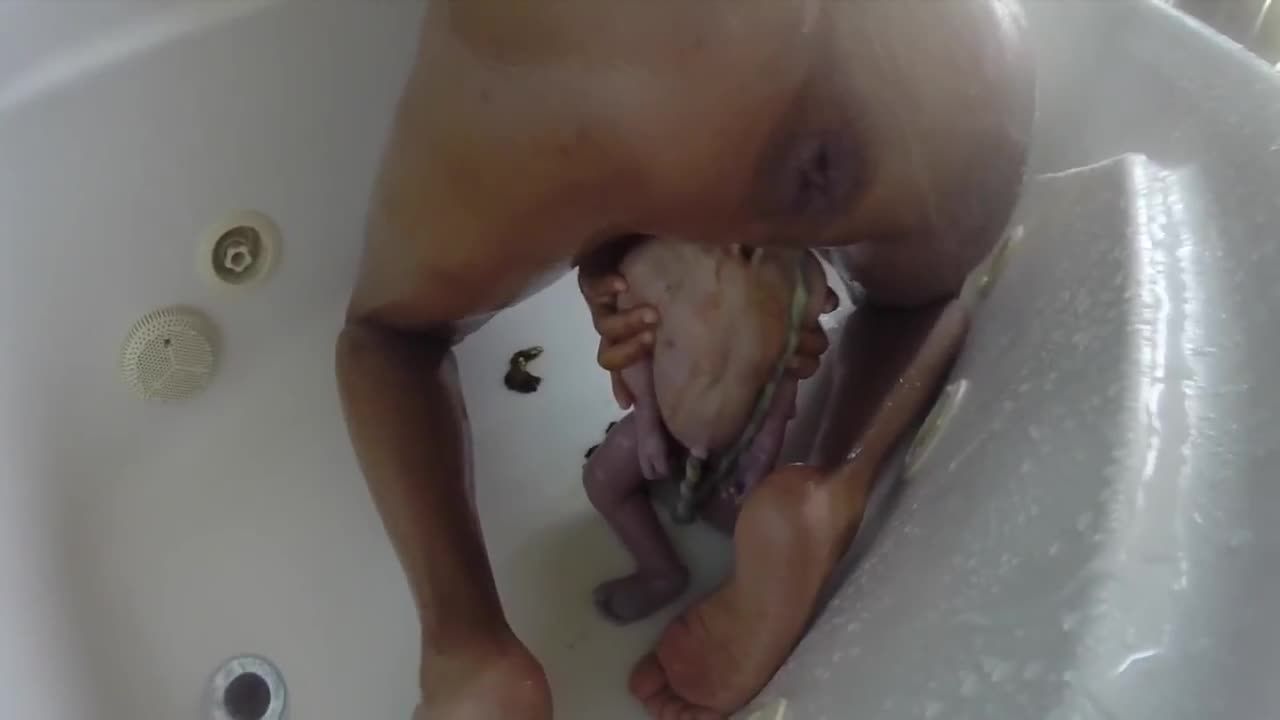
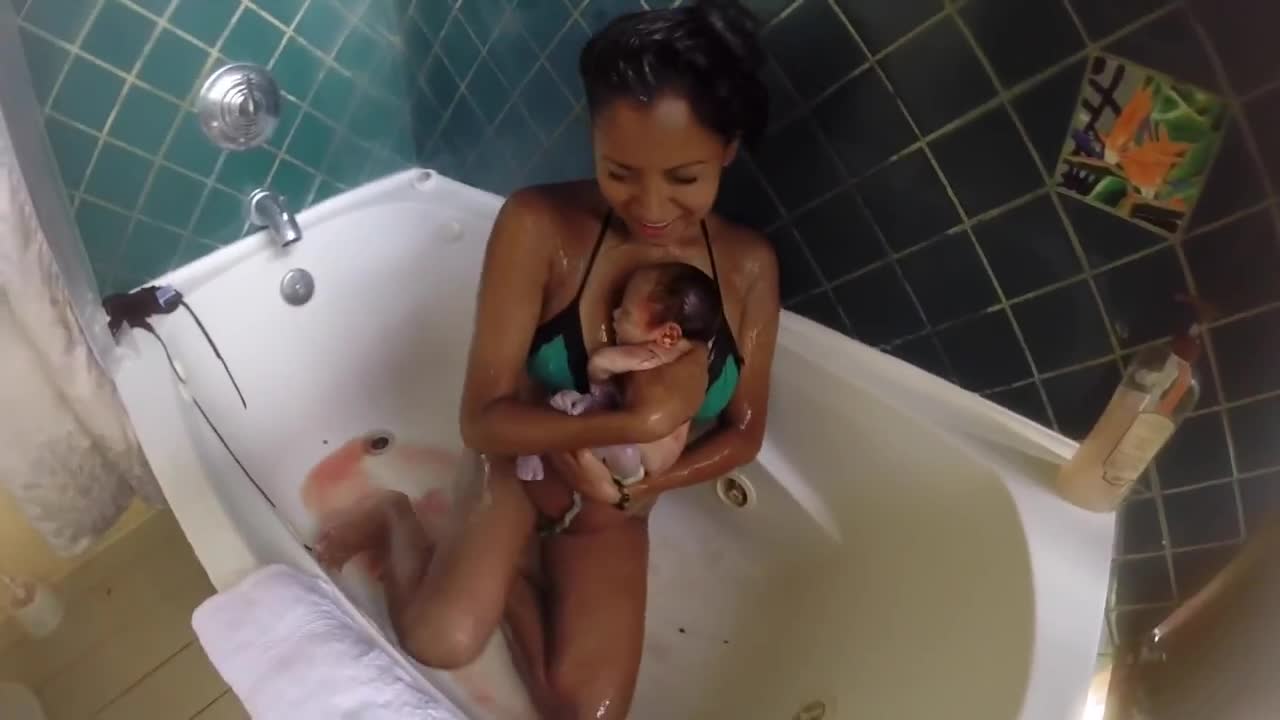
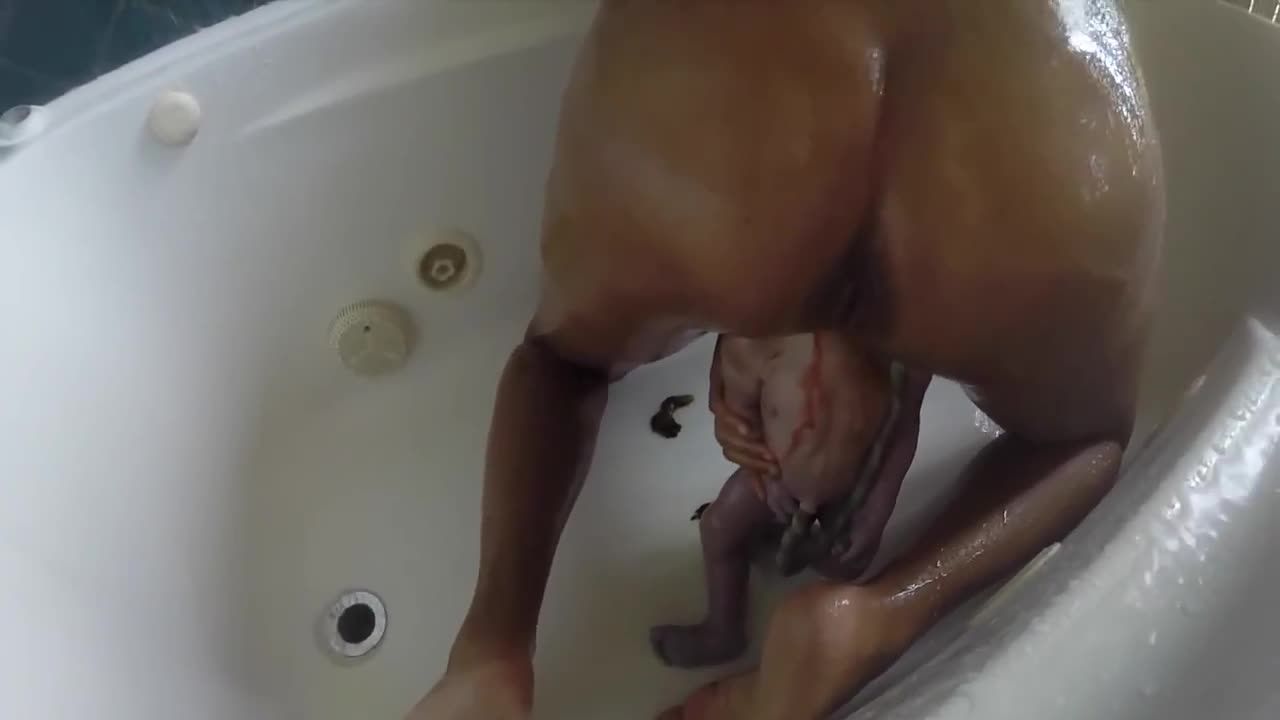
Totally real!
 ·  ·  · |
|
#6
●
09-28-2015, 11:55 PM
| ||||||||
 ★ Legacy Member ★ Poster Rank:681 Gore Queen Join Date: Jun 2015 Posts: 1,284
Contributions: 227
Mentioned: 9 Post(s) Quoted: 390 Post(s)
| ||||||||
|
Re: Attempting to Pull Out a Breech Baby
I'm pretty convinced that it's real. No women will ever intentionally show their poop like this.  |
|
#8
●
09-29-2015, 02:09 AM
| ||||||||
 ★ Legacy Member ★ Poster Rank:52 Join Date: Mar 2013 Posts: 28,076
Contributions: 37
Mentioned: 175 Post(s) Quoted: 11875 Post(s)
| ||||||||
|
Re: Attempting to Pull Out a Breech Baby
I'm so glad I had a c-section. |
|
#10
●
09-29-2015, 07:26 AM
| ||||||||
 ★ PSYCHOPOMP ★ Poster Rank:103 Man Join Date: Oct 2009 Posts: 15,952 Mentioned: 9 Post(s) Quoted: 1297 Post(s)
| ||||||||
|
Re: Attempting to Pull Out a Breech Baby
Wow... Like a BOSS!  Actually that's pretty much how cave women did it. Could you imagine telling your wife/girlfriend, "Hell No, we ain't going to the hospital. Get in that tub and I'll be back in a few hours" |