
|
#1
●
03-06-2016, 04:26 AM
| ||||||||
 ✝Mudderator from Hell✝ Poster Rank:10 e-mail Join Date: Oct 2006 Posts: 96,557
Contributions: 817
Mentioned: 476 Post(s) Quoted: 10338 Post(s)
| ||||||||
|
Arteriosclerotic Gangrene of the Foot
Arteriosclerotic gangrene, or dry gangrene, is a condition that results when one or more arteries become obstructed. Gangrene is a term used to describe the decay or death of tissue caused by a lack of blood supply. It is usually a complication of infectious or inflammatory processes, vascular disease, diabetes mellitus, injury or trauma, or degenerative changes secondary to chronic diseases. There are three major types of gangrene: dry, moist, and gas—a form of moist. 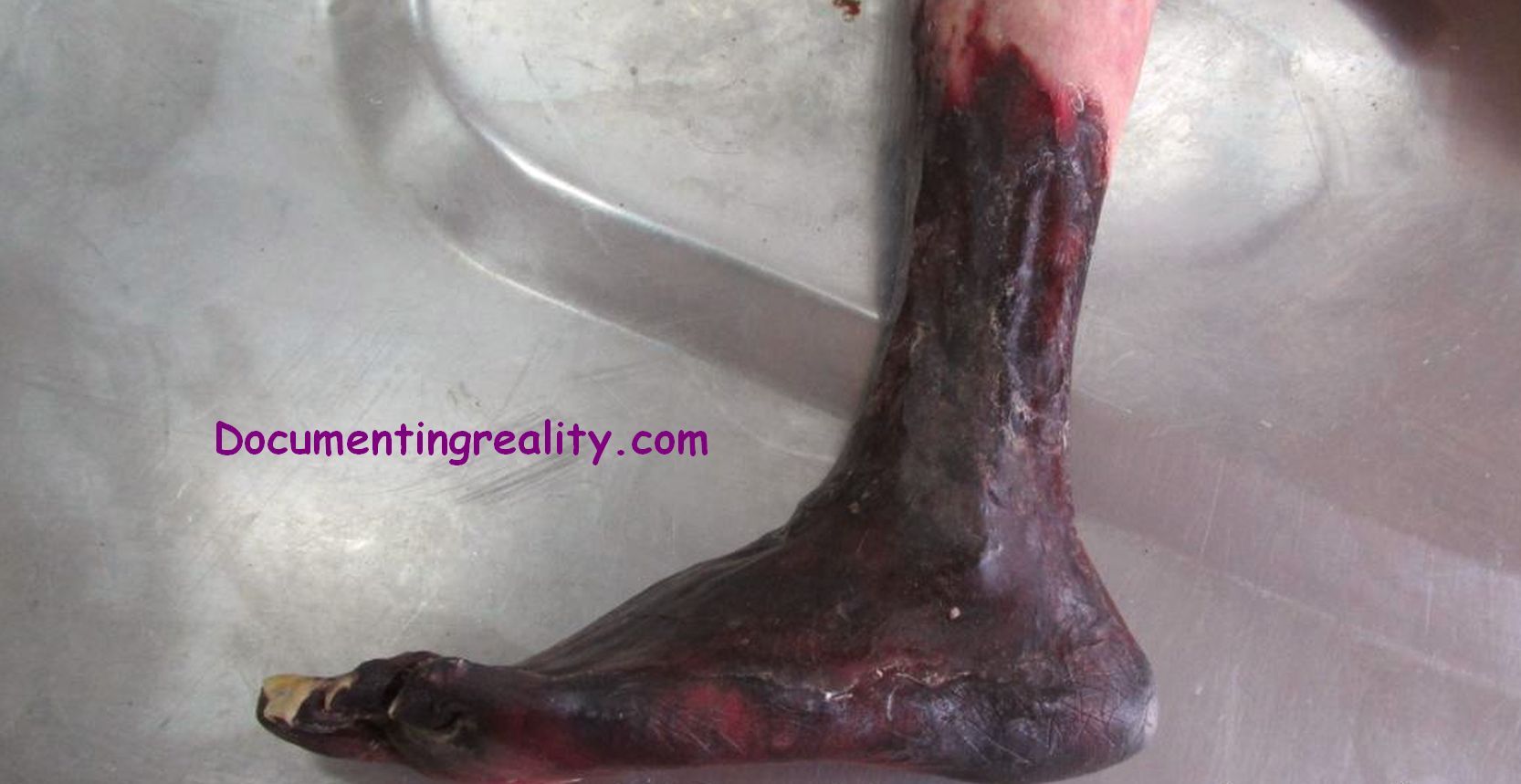 In arteriosclerotic (dry) gangrene, the tissue dies slowly due to lack of blood supply. The root cause is non-infectious, although a secondary infection may ensue as a result of tissue death. In dry gangrene, the affected area becomes black and cold, begins to dry out and wither, and eventually sloughs off over a period of a few weeks to a few months. Dry gangrene is most common in individuals with advanced blockages of the arteries (arteriosclerosis) resulting from diabetes. Hence, the term arteriosclerotic gangrene. Individuals who have a personal or family history of coronary artery or cerebrovascular disease, diabetes mellitus, hypertension, or kidney disease involving hemodialysis are at higher risk for arteriosclerotic gangrene. Incidence and Prevalence: Arteriosclerosis, the cause of arteriosclerotic gangrene, is a common disorder, with a prevalence of approximately 6 out of 1,000 individuals. |
|
#2
●
03-06-2016, 04:35 AM
| ||||||||
| ✝Mudderator from Hell✝ Poster Rank:10 e-mail Join Date: Oct 2006 Posts: 96,557
Contributions: 817
Mentioned: 476 Post(s) Quoted: 10338 Post(s)
| ||||||||
|
Re: Arteriosclerotic Gangrene of the Foot
Cyst of the right ovary. 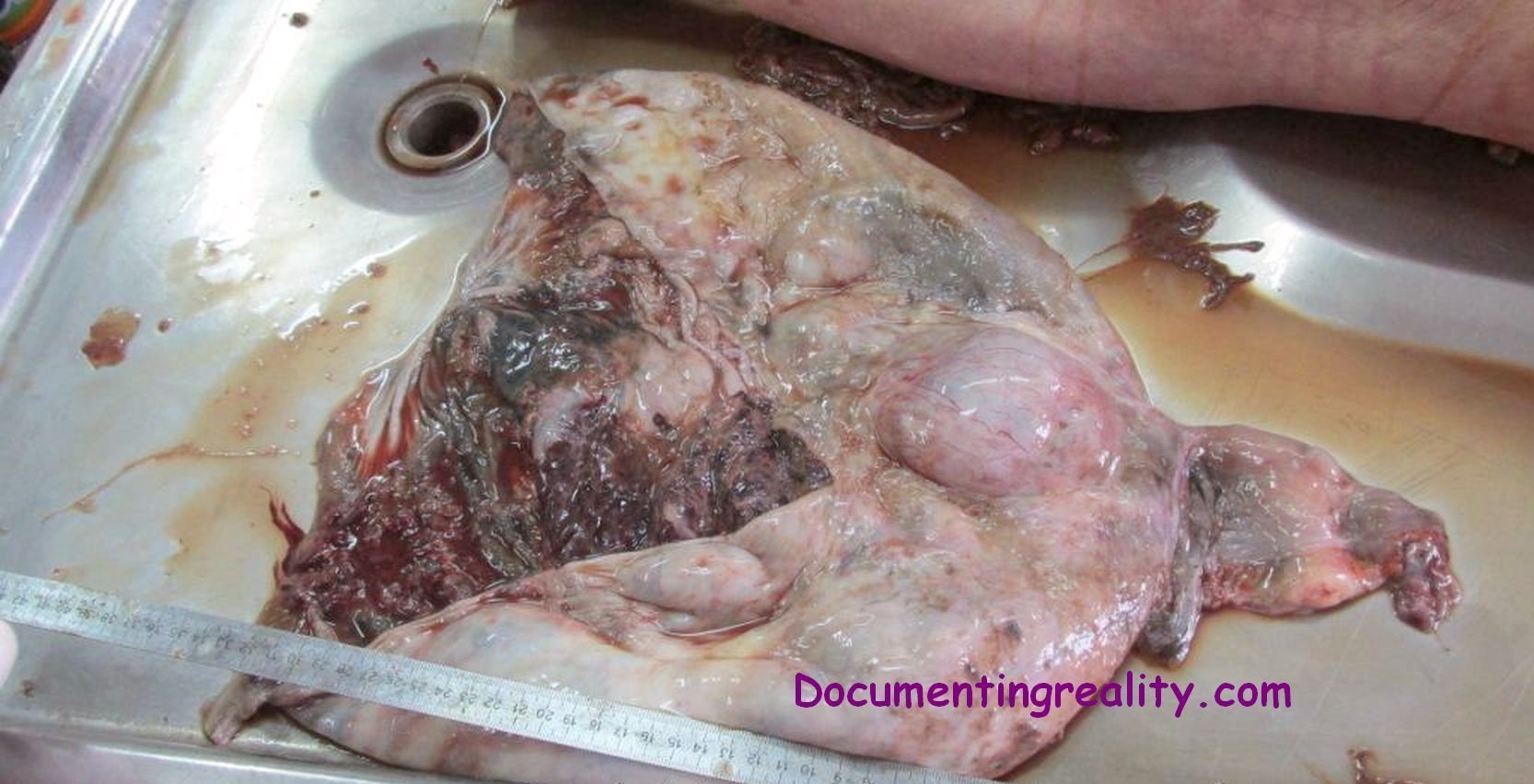 |
|
#4
●
03-06-2016, 03:27 PM
| ||||||||
 My Rank: STAFF SERGEANT Poster Rank:812 Female Join Date: Nov 2009 Posts: 965 Mentioned: 1 Post(s) Quoted: 133 Post(s)
| ||||||||
|
Re: Arteriosclerotic Gangrene of the Foot
I'd so keep the leg after having it cut off.  |
|
#6
●
03-07-2016, 04:57 AM
| ||||||||
 My Rank: FIRST SERGEANT Poster Rank:410 Male Join Date: Nov 2009 Posts: 2,968 Mentioned: 18 Post(s) Quoted: 448 Post(s)
| ||||||||
|
Re: Arteriosclerotic Gangrene of the Foot
It's Mr.Deeds! And I like the addition of the ovary... mmn,.. yummeh. |
|
#7
●
03-08-2016, 02:20 AM
| ||||||||
 ★ Legacy Member ★ Poster Rank:188 female Join Date: Oct 2013 Posts: 8,135 Mentioned: 19 Post(s) Quoted: 1185 Post(s)
| ||||||||
|
Re: Arteriosclerotic Gangrene of the Foot
KellyHound's been hanging on the weird side of YouTube again!  |
|
#8
●
03-10-2016, 02:40 PM
| ||||||||
| My Rank: PRIVATE Poster Rank:10228 Join Date: Dec 2015 Posts: 14 Mentioned: 0 Post(s) Quoted: 5 Post(s)
| ||||||||
|
Re: Arteriosclerotic Gangrene of the Foot
i wasn't expecting that cyst when coming to this thread but it's way more interesting than the foot jerky (must have been a very unpleasant process). more info please?
|
|
#9
●
03-10-2016, 04:56 PM
| ||||||||
 ★ Legacy Member ★ Poster Rank:72 male Join Date: Apr 2010 Posts: 21,199
Contributions: 1
Mentioned: 52 Post(s) Quoted: 4957 Post(s)
| ||||||||
|
Re: Arteriosclerotic Gangrene of the Foot
Two disgusting posts for the price of one!!  ....yuk, thanks KH |





 .Aaaargghhh. My eyes. Nasty.


