|
#1
●
10-26-2026, 02:51 AM
|
 ♚ Legacy Gold Member ♚ Poster Rank:270 Join Date: Aug 2022 Posts: 5,146
Contributions: 88
5,146Posts 132,258Thanked 1,005Quoted 34Mentioned 88Contrib. |
|
Young Man Died After Swallowing Firecracker; Father Dismembered His Body
Sülfeld, Schleswig-Holstein, Germany, June 2012 The dismembered body of a 27-year-old man was found on a farm where he had lived with his father and his sister. The body was discovered by the decedent’s sister in a cesspit located at the rear of the farm’s working quarters. 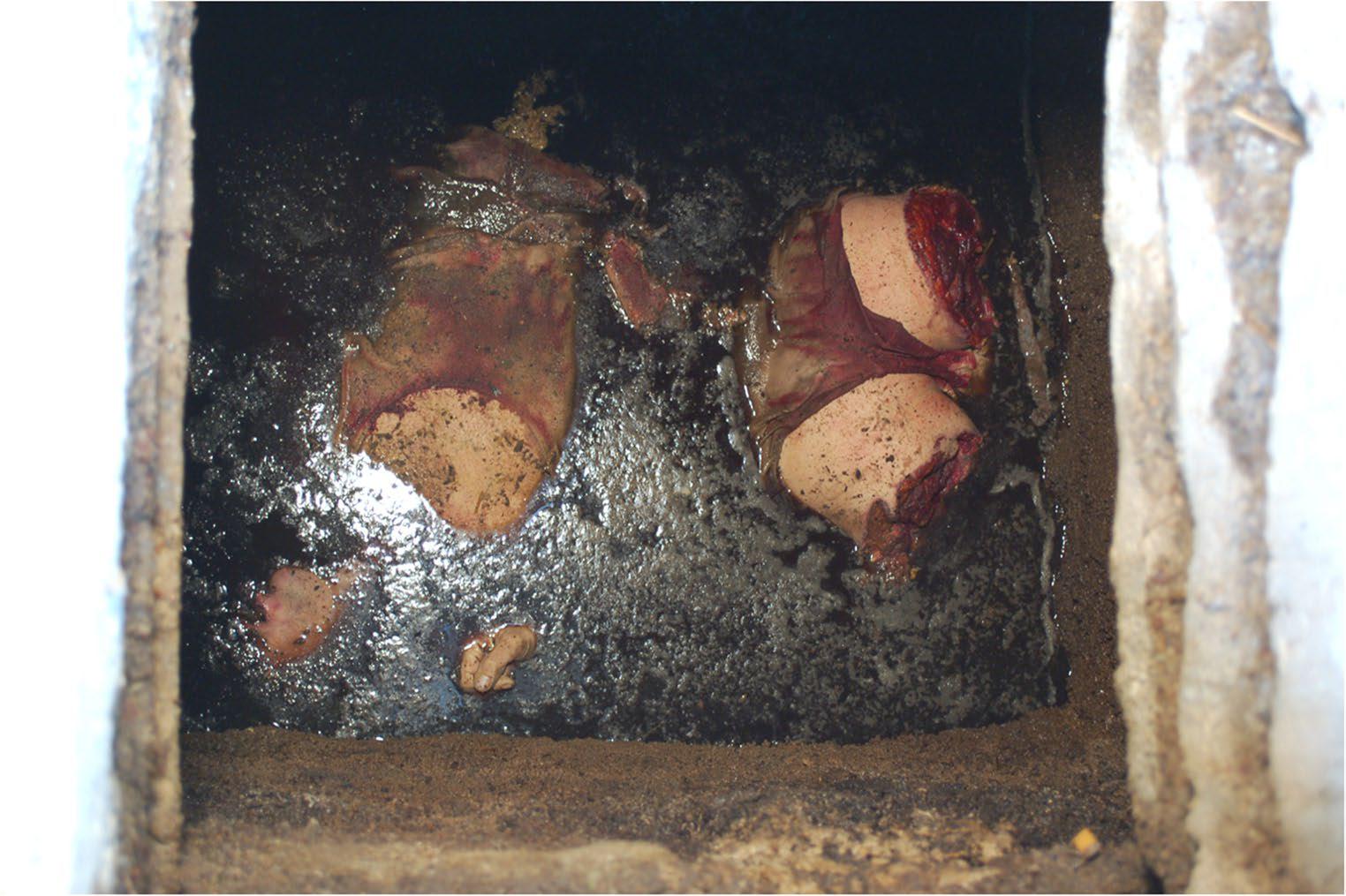 Fig. 1 Dismembered body in the cesspit The pit had been covered with wooden planks, a tarpaulin, and sand, and had not been in use for several years. The clothed portions of the body were subsequently retrieved by police divers. In the bathroom of the farm, extensive traces of blood could be made visible using luminol - despite the room having previously been cleaned. 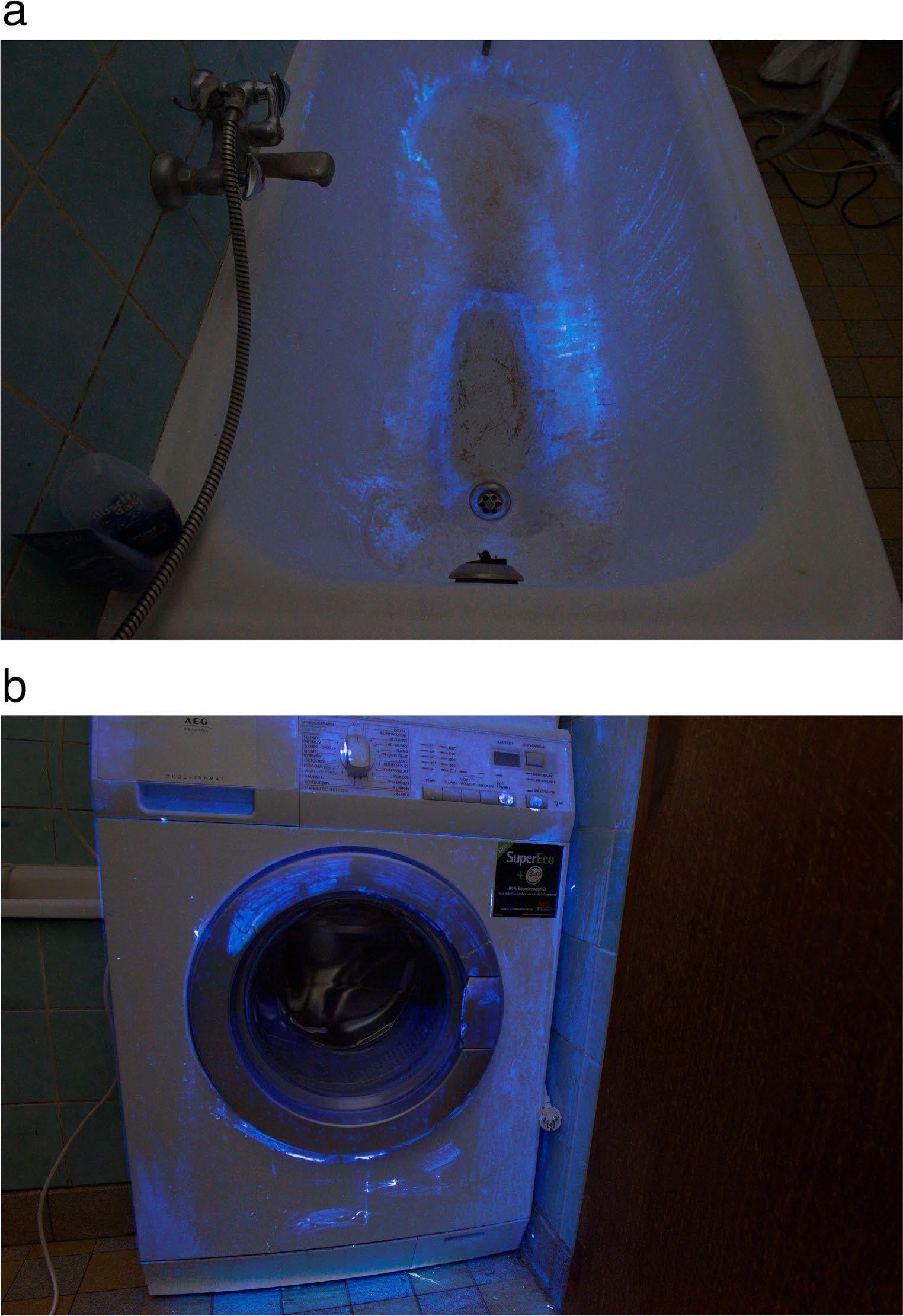 Fig. 2 Blood traces in the bathroom The approx. 185 cm high and 88 kg heavy body was dismembered, most likely with a saw or a saw-like tool. The torso was separated slightly above the navel, the left shoulder was cut off within the joint, the right arm was separated at the level of the humerus’ head, and both legs were cut off at the level of the femur. All wound margins showed macroscopically no signs of vital reaction. A destroyed beehive firecracker was found deeply lodged in the pharynx, occluding the laryngeal entrance. Discrete thermal injury to the oral mucosa and the upper lip confirmed ignition of the firecracker. Petechiae were observed on the eyelids and in the postauricular skin. Acute pulmonary hyperinflation was evident. No evidence of further violence, defensive injuries, or signs of restraint was found. Based on the post-mortem changes and the circumstances in which the body was found, the post-mortem interval was estimated at a few days. It was not possible to narrow this timeframe down using temperature measurements. 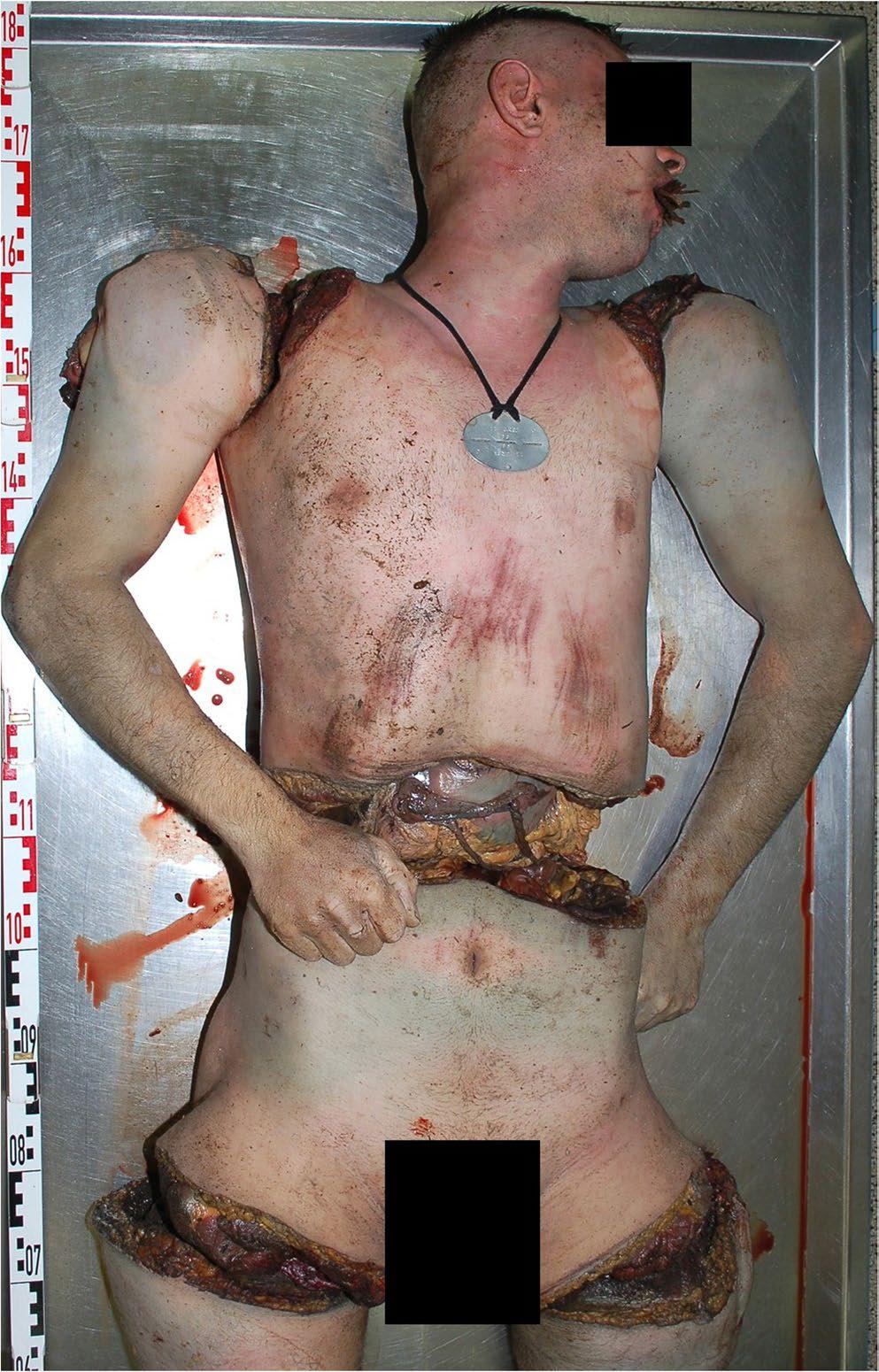 Fig. 3 Overview of the dismembered body prior to autopsy A blood alcohol concentration of 1.57‰ was measured in the heart blood, most likely attributable to a post-mortem dilution effect from dismemberment with opening of large central blood vessels and subsequent immersion in water. A blood alcohol concentration of 2.46% was measured in the femoral vein blood. Additional toxicological analyses yielded negative results. Histological examinations yielded non-reactive wound margins but mast cell degranulation in the thermal injuries of the oral mucosa as a sign of vitality. Acute congestion of internal organs with the exception of the spleen was diagnosed, and acute pulmonary hyperinflation as well as moderate alveolar pulmonary oedema was observed. Pulmonary blast injuries were absent. Cause of death was asphyxiation due to the ignition of a beehive firecracker lodged in the mouth. 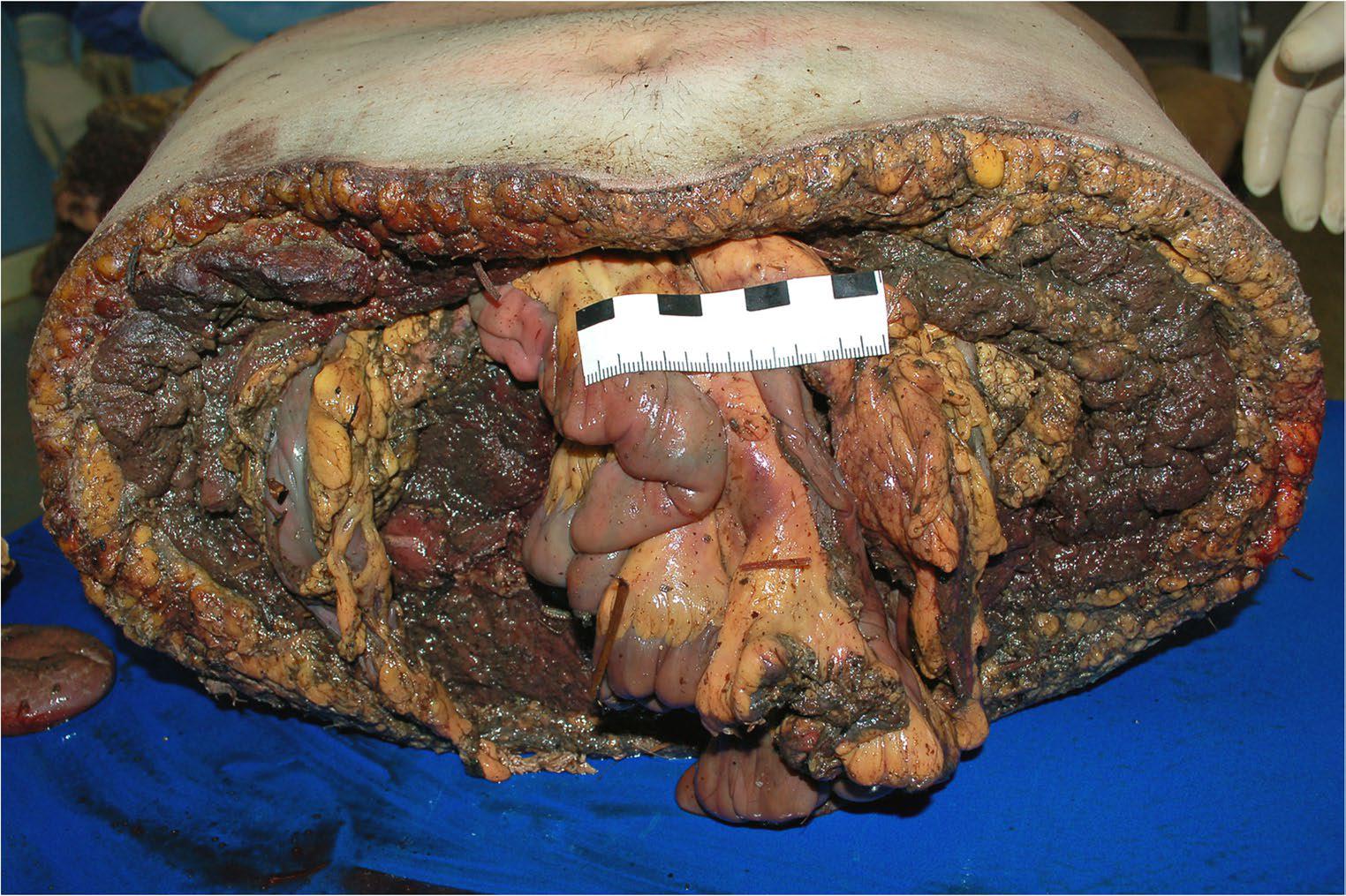 Fig. 4 Macroscopically non-vital wound margins of pelvic dismemberment The 62-year-old father was accused for murdering his son and then sawing up and hiding his body. A psychological evaluation prior to trial revealed no psychiatric disorders. The father stated at court that the night before the incident, his son had attended the local fire brigade festival in their home village, where he had drunk a significant amount of beer to a point where he showed alcohol-induced failure symptoms. The son then woke up the next morning and continued consuming alcohol. Sometime later that day, the father met his son in the kitchen. The son wore a steel helmet and held an old carabine rifle between his legs. He was listening to very loud music of extreme right-wing content. The father voiced his disapproval, which led to a verbal altercation between the two. In the course of this dispute, the son took a beehive firecracker and started sticking it into his mouth. 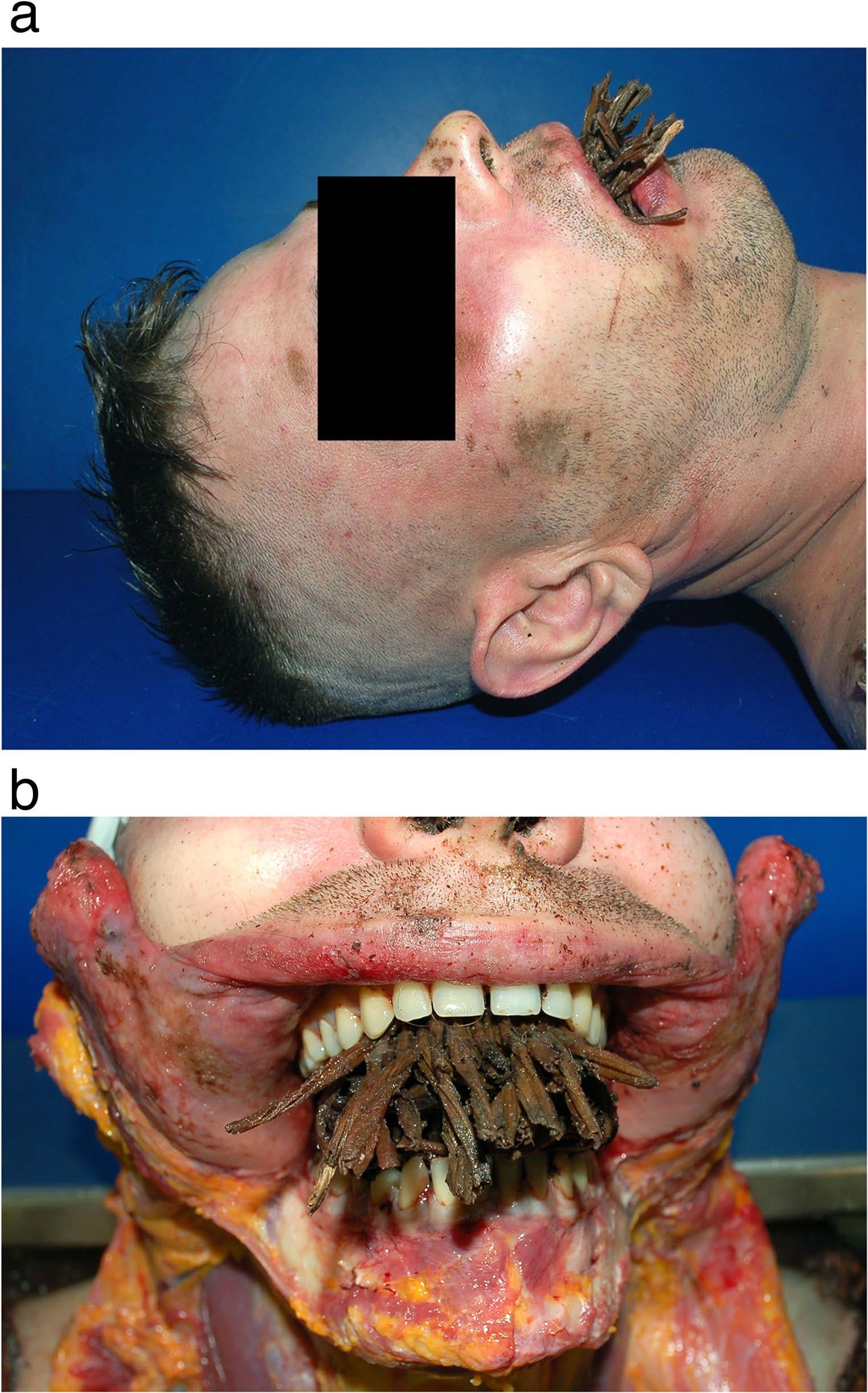 Fig. 5 Ragged, exploded beehive firecracker stuck deeply in the mouth At this point, the father left the kitchen. Shortly afterwards he heard a bang. When he returned to the kitchen a few minutes later, he found his son unconscious and, as far as he could tell, undeniably dead. He therefore decided to get rid of the body in order to spare his daughter from seeing the corpse of her brother. As the body was too heavy for transport in one piece, he decided to dismember it. He dragged the body into the bathroom and dismembered it with a hand saw. Afterwards he carried the body parts into the farm’s cesspit. He then covered up the pit and started to clean up. 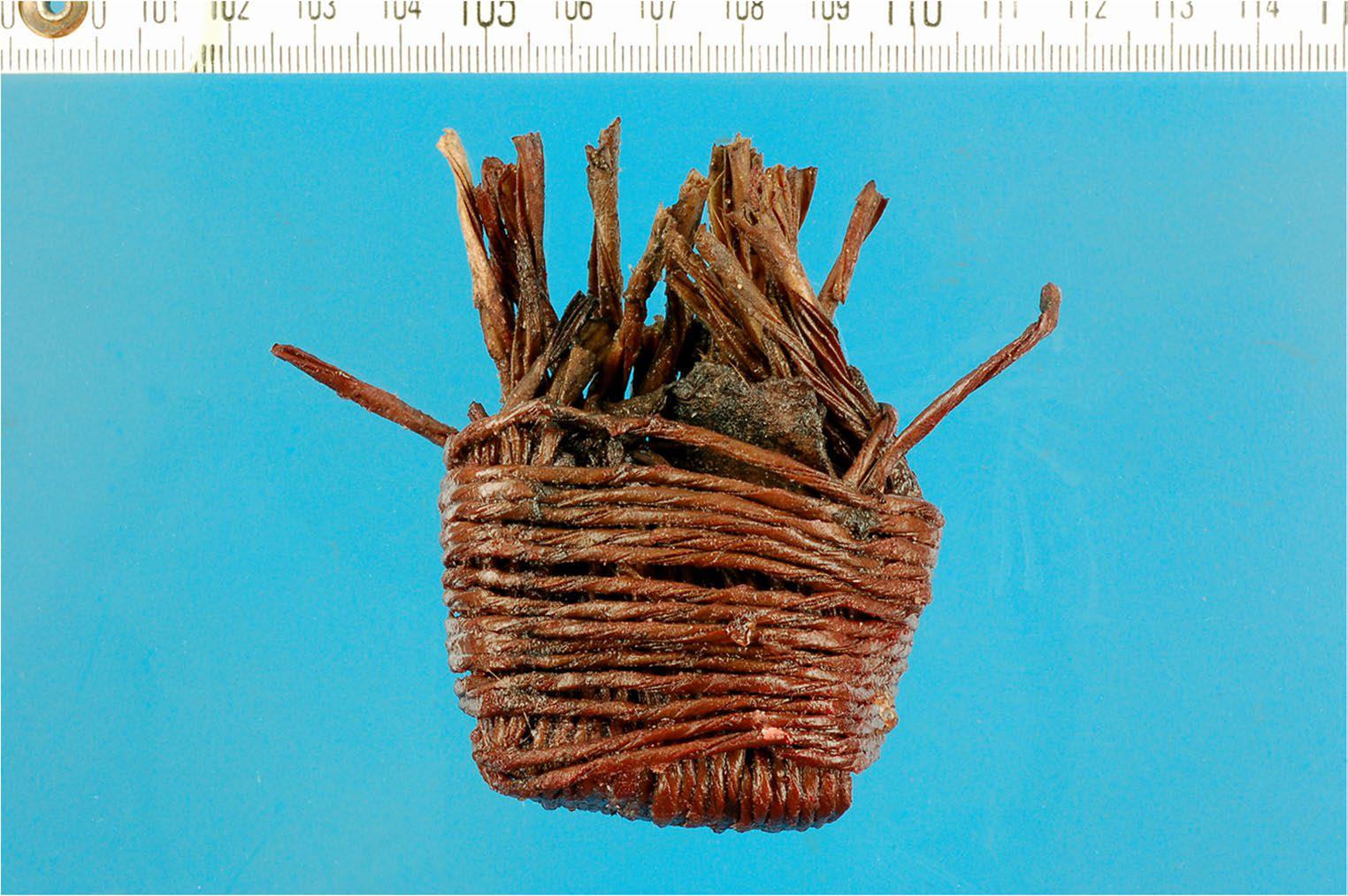 Fig. 6 Lit beehive firecracker The defendant’s account of the events and several alternative scenarios were discussed during the trial. The prosecution alleged that the defendant himself had inserted the firecracker into his son’s mouth. According to this hypothesis, the son would have been asleep in the kitchen due to his high level of alcohol intoxication, and the father would have ignited the firecracker with at least conditional intent to kill him. However, several witnesses testified that the victim was accustomed to consuming large amounts of alcohol and that neither the measured blood alcohol concentration nor any other endogenous cause of impaired consciousness could reliably explain such a helpless state. 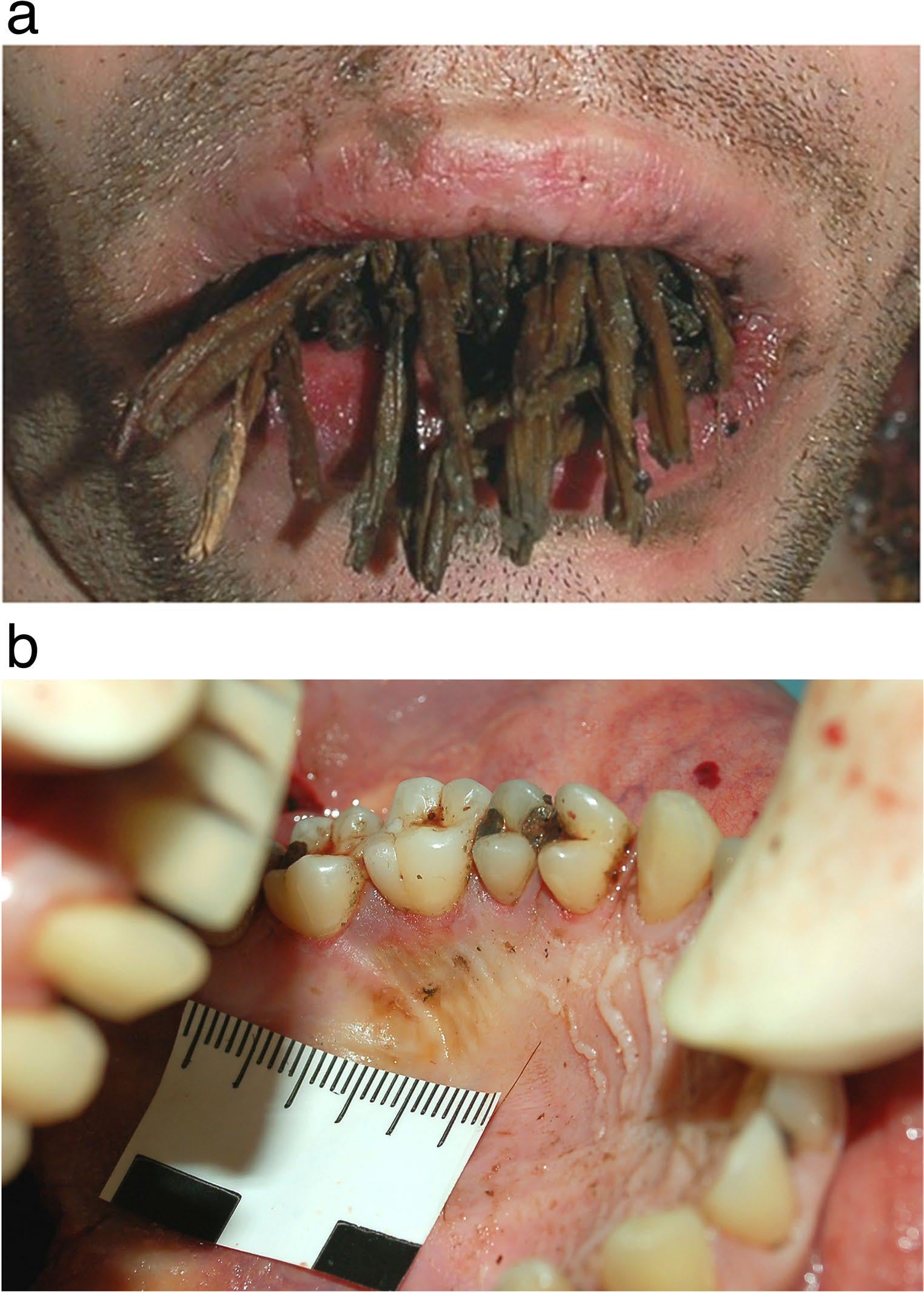 Fig. 7 Faint soot deposits and superficial singe marks on the upper lip and on the hard palate Another possible scenario considered was that the defendant had ignited the firecracker and then forcibly inserted it into the victim’s mouth. However, no evidence of forced insertion was found, either during the autopsy or upon physical examination of the defendant. A further scenario discussed was that the firecracker had been inserted either by the victim himself or by the father at the victim’s request, and that it may subsequently have been ignited by the father. The court, however, considered this possibility unlikely because no plausible motive on the part of the victim could be established. Ultimately, the defendant’s version of events could not be disproven. Consequently, the father was acquitted. 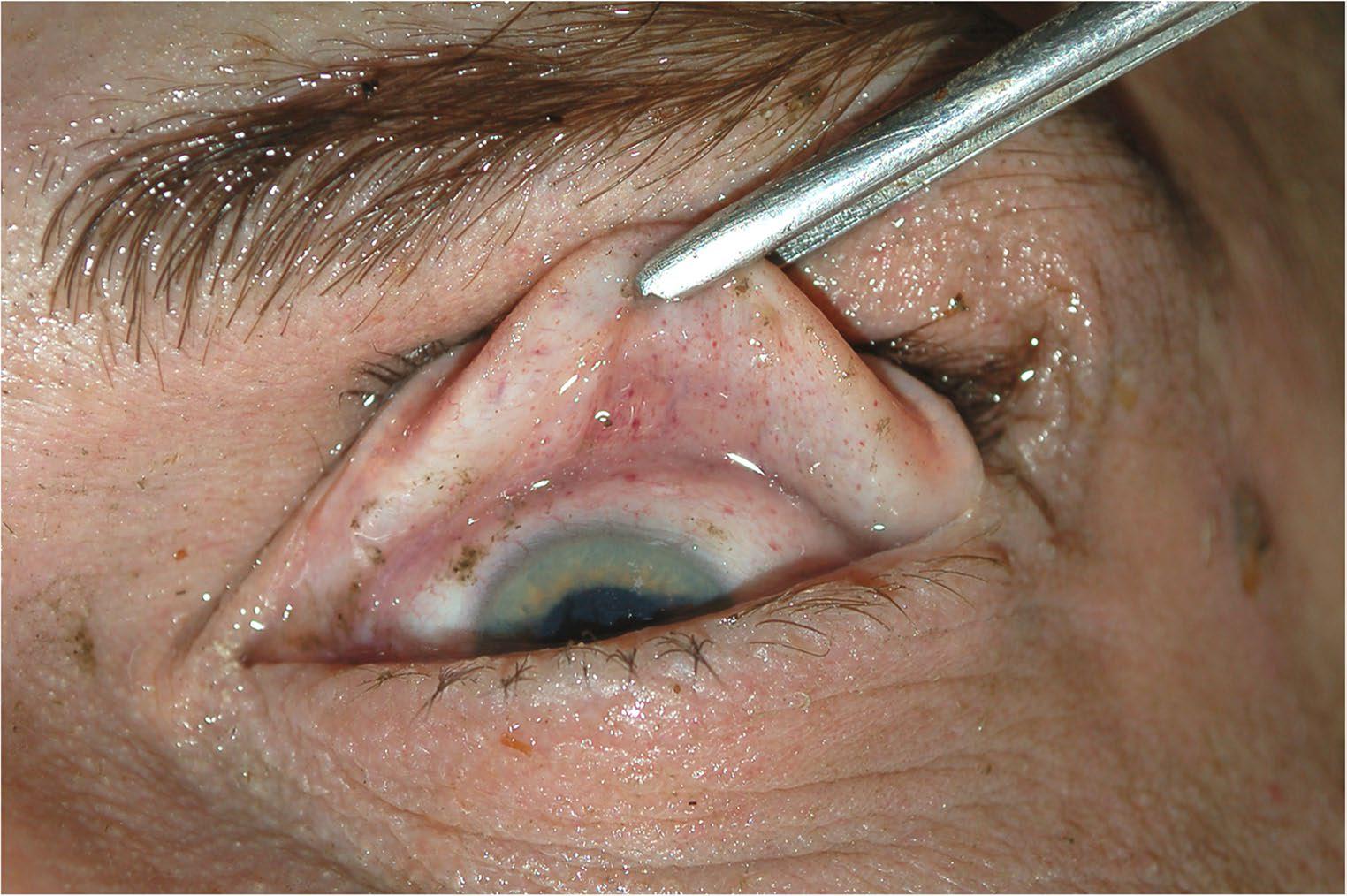 Fig. 8 Petechial haemorrhages Source paper "Defensive" corpse dismemberment without prior criminal offence - Preuß-Wössner et al., 2026 |
|
#2
●
10-26-2026, 02:56 AM
|
| ♚ Legacy Gold Member ♚ Poster Rank:270 Join Date: Aug 2022 Posts: 5,146
Contributions: 88
5,146Posts 132,258Thanked 1,005Quoted 34Mentioned 88Contrib. |
|
Re: Young Man Died After Swallowing Firecracker; Father Dismembered His Body
|