|
#1
●
04-11-2017, 09:54 PM
| ||||||||
 My Rank: CORPORAL Poster Rank:1553 Male Join Date: Feb 2017 Posts: 362 Mentioned: 0 Post(s) Quoted: 78 Post(s)
| ||||||||
|
World War One ~ The Gore of War
In 1914 all it took was a nationalist with a pistol to become the catalyst to the start of the Great War, or World War 1. After that man fired his handgun and killed the Archduke of Austria and his wife, several European countries would either ally with each other or declare war on the others. War was soon to follow on a scale never seen or imagined before in modern times. World War One would last from July 28, 1914 to November, 11, 1918. During these short 4 1/2 years of war, over 9 million soldiers (of all theaters and nationalities), along with an estimated 7 million civilians, would perish. This thread won't be about the written history of WW1 (which can be read HERE) but rather the photos and images of the war's carnage that speak for themselves. The images that I'll be posting in thread will be new to some, old to others...but it should be a good mix of both. Photos from various battles such as the Somme, Ypres, Flanders, Verdun, Passchendaele, etc. will all be mixed together since I've often found it difficult to tell if various sources are accurate in determining which battle most of these photos depict. World War One - Set 1. 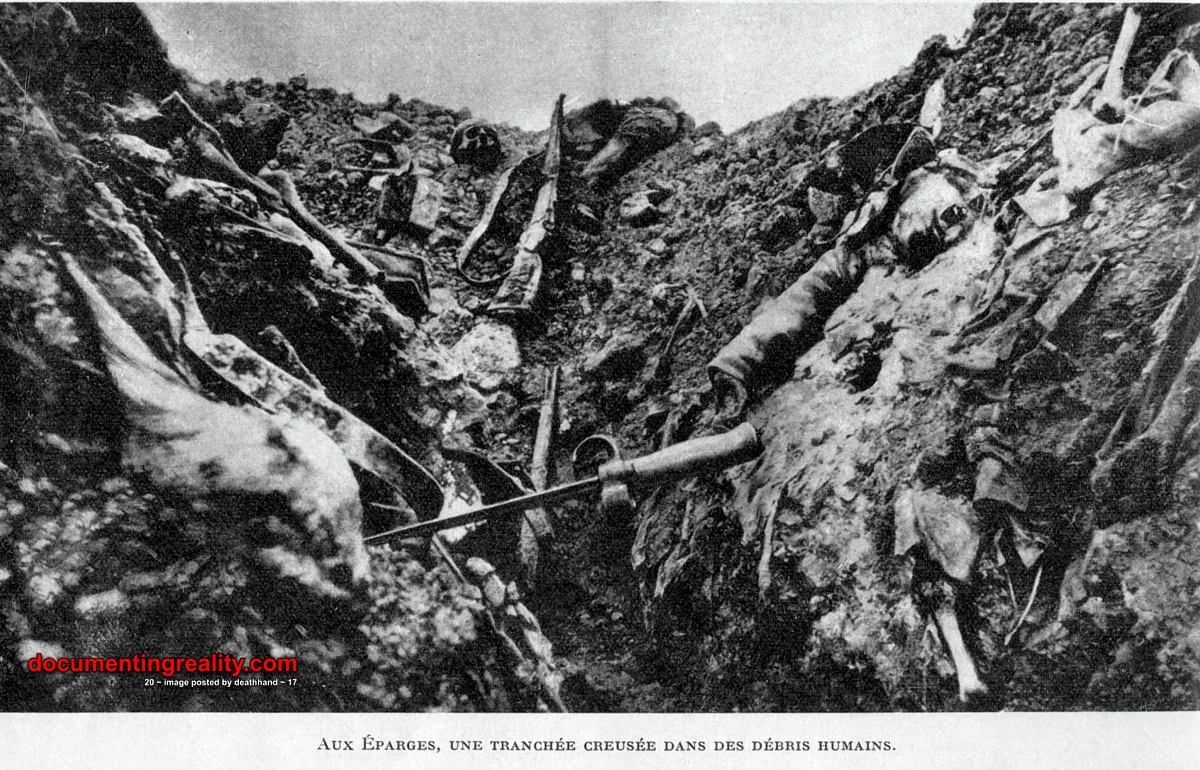 · 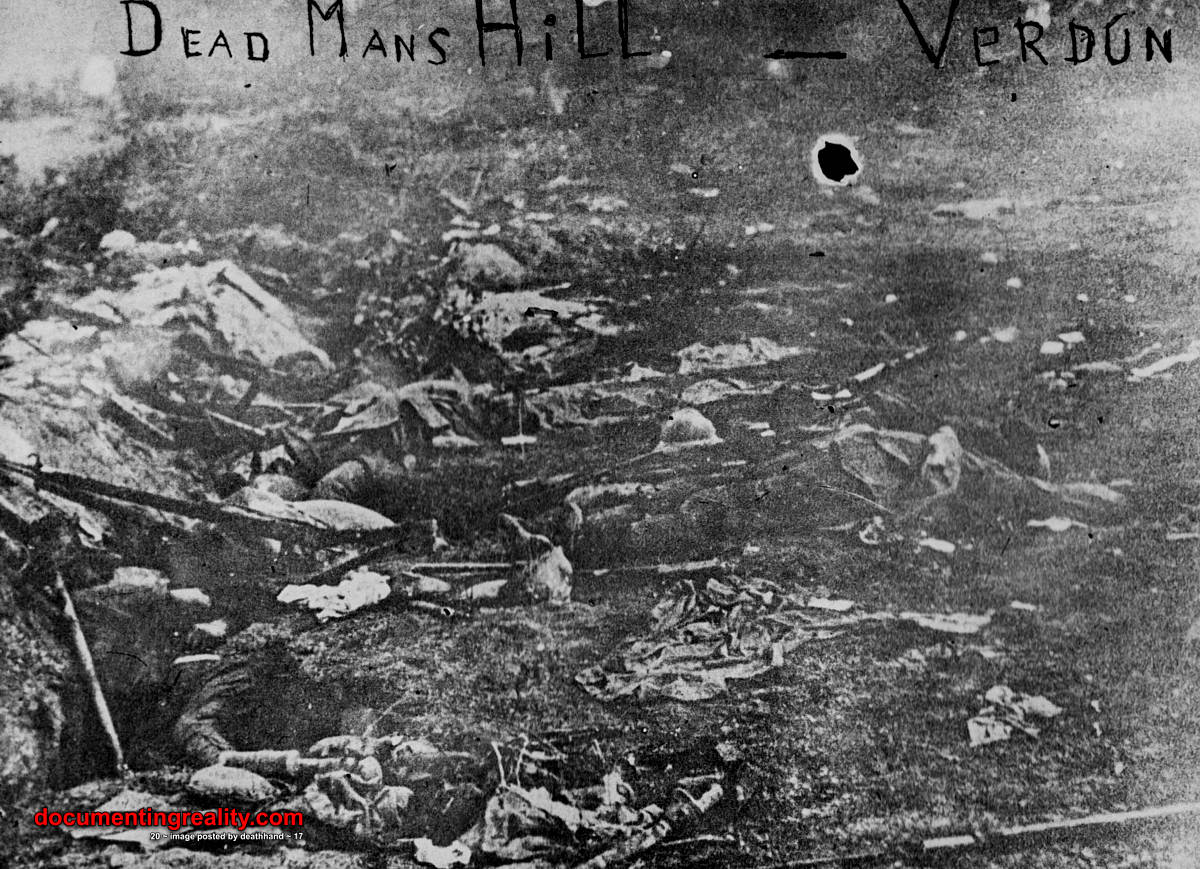 · 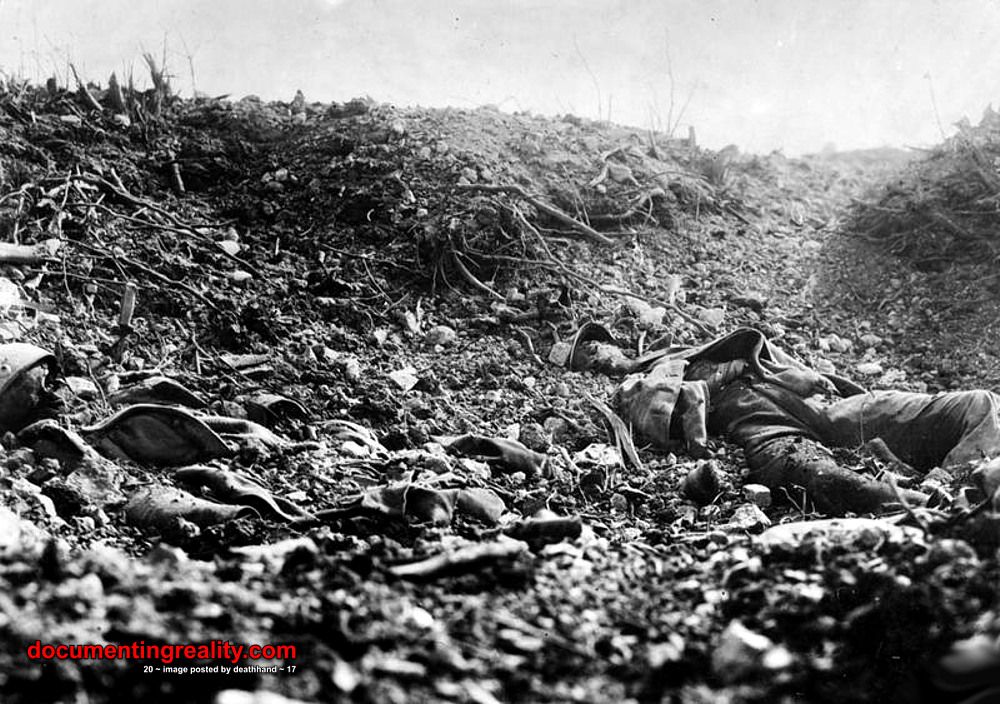 · 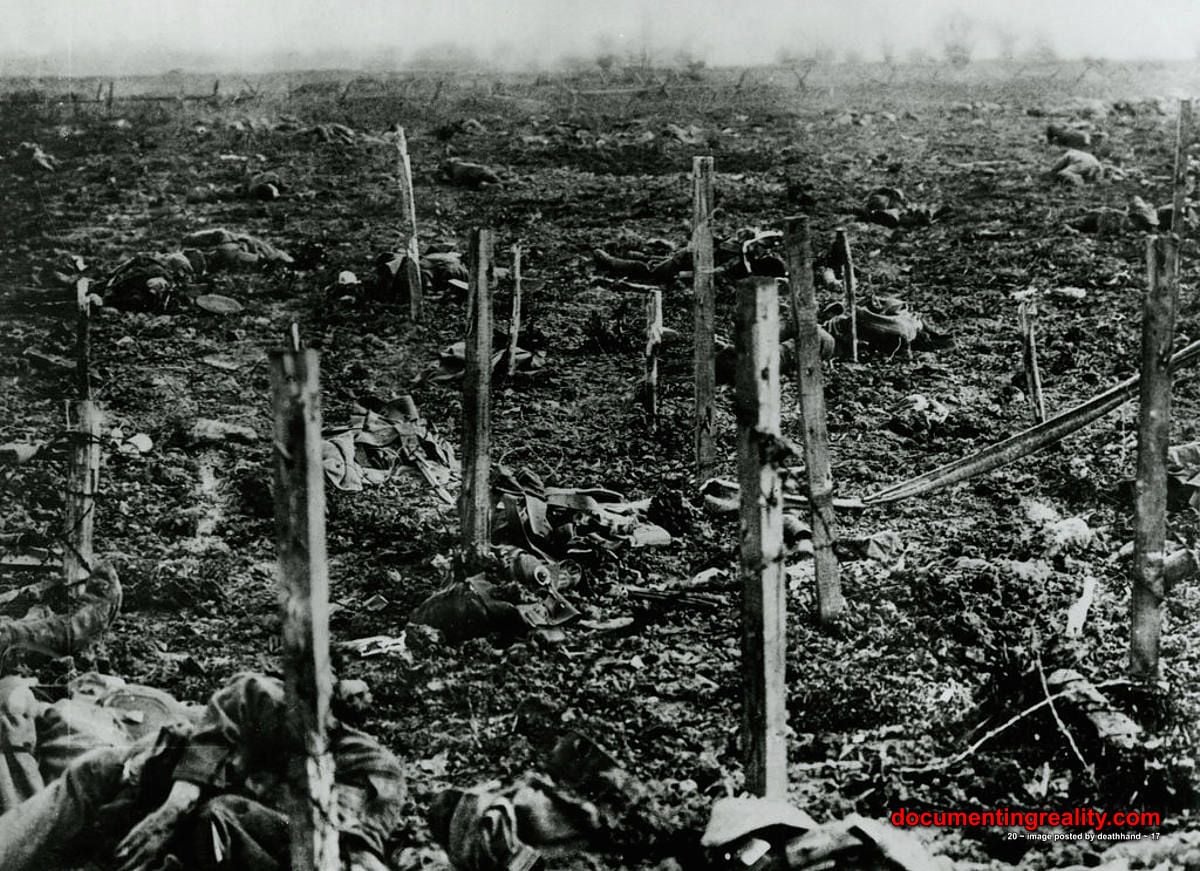 · 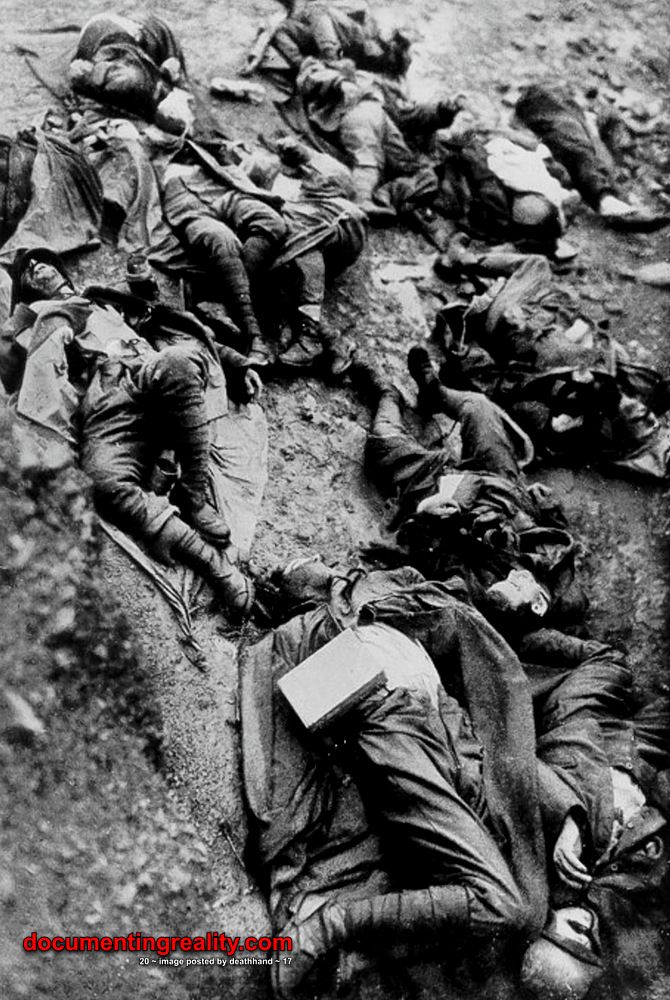 · 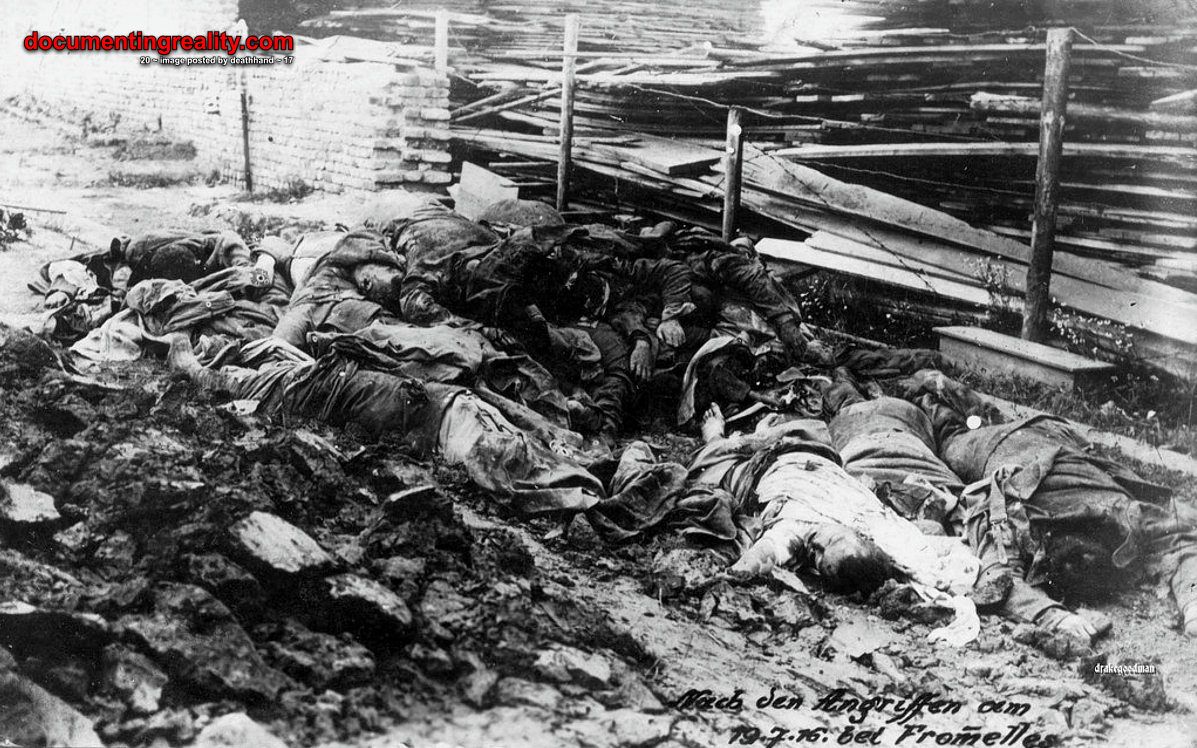 · 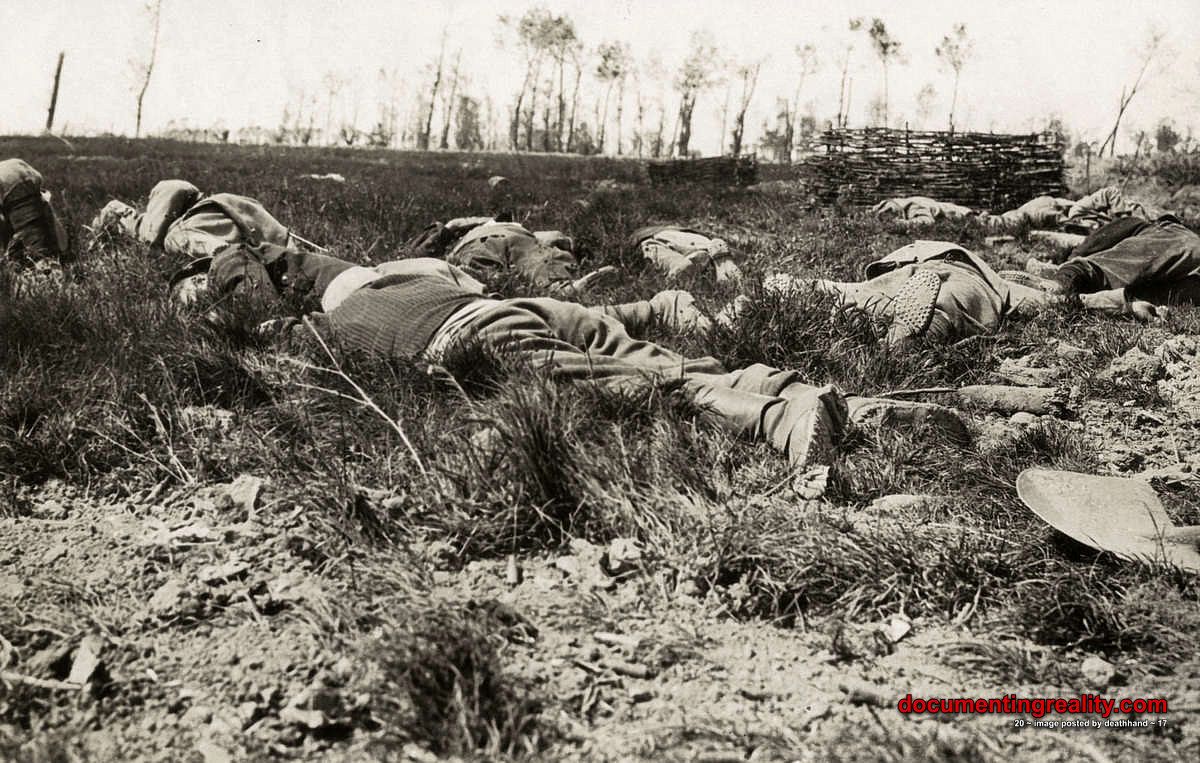 · 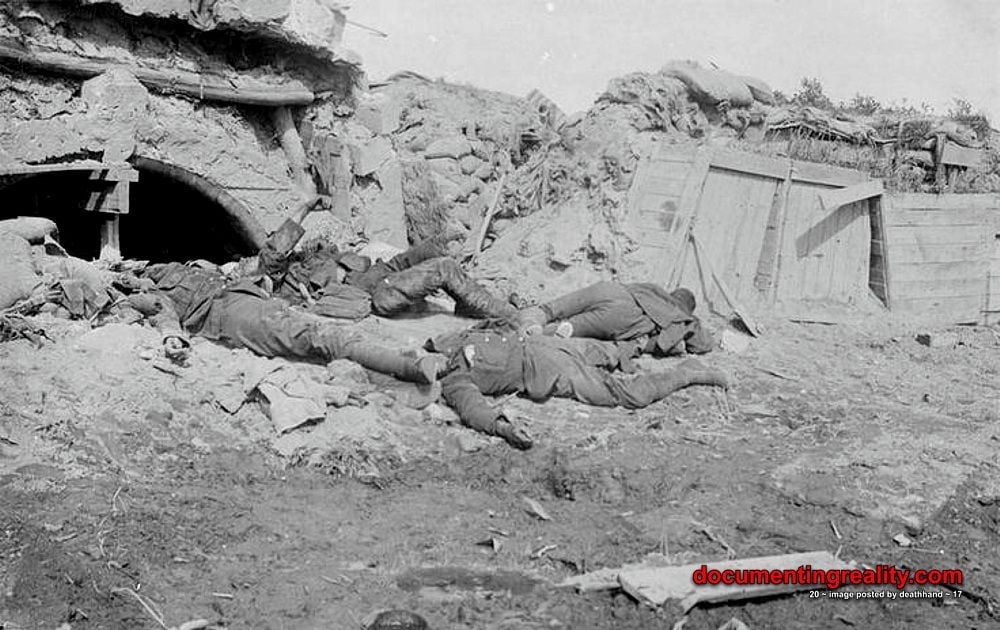 · 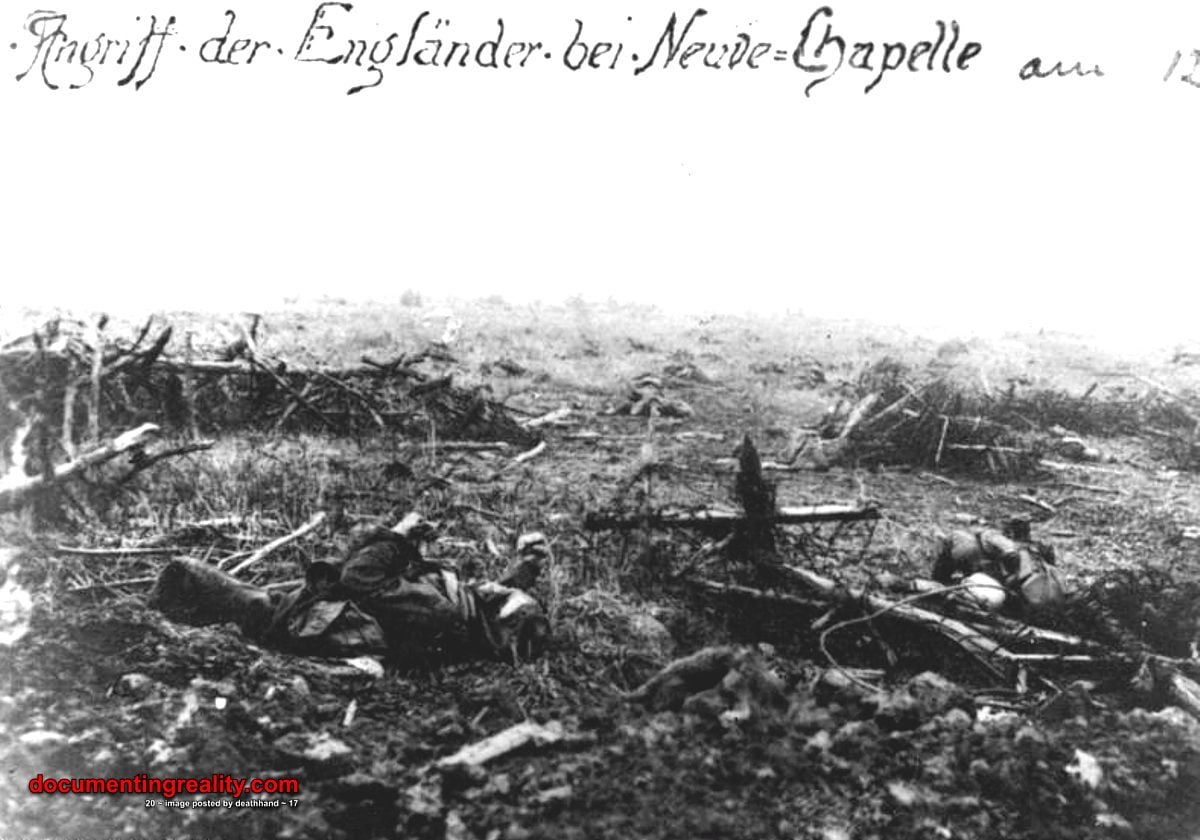 · 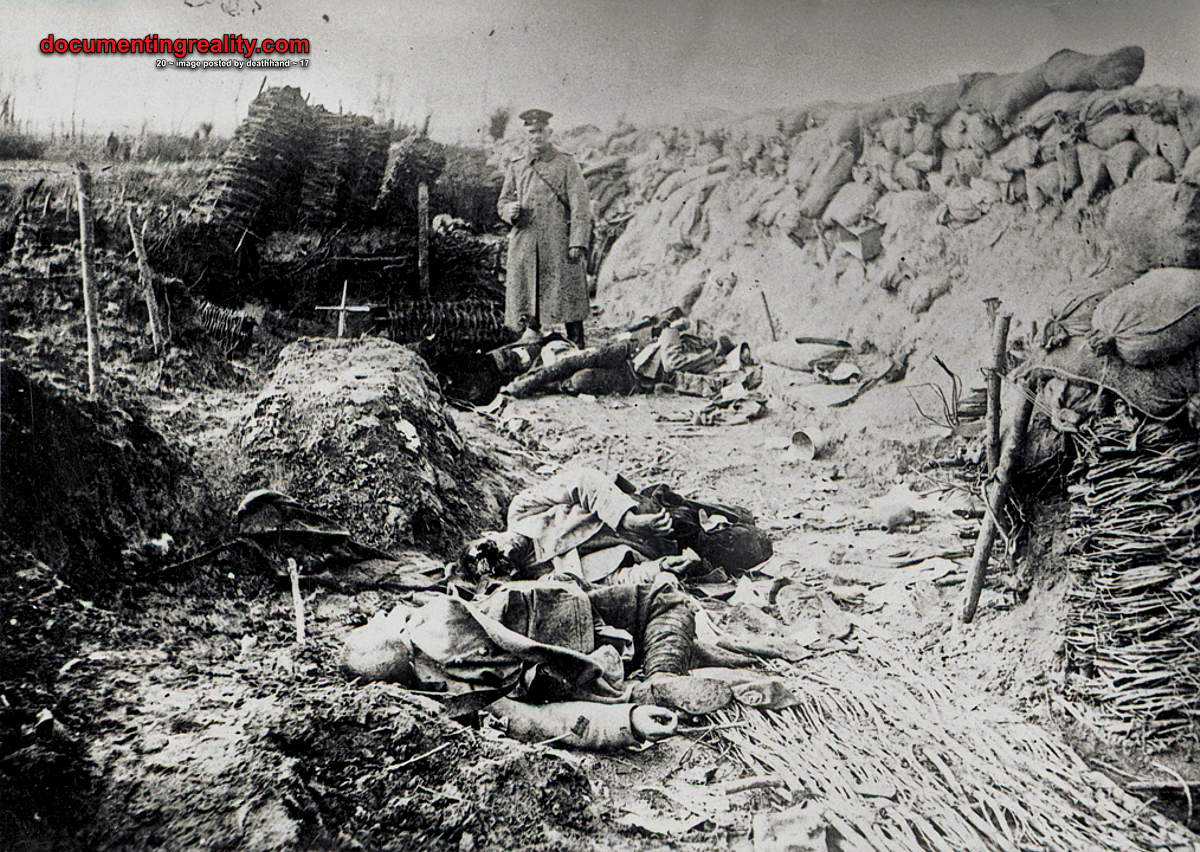 · |
|
#2
●
04-11-2017, 09:58 PM
| ||||||||
 My Rank: SERGEANT Poster Rank:1088 male Join Date: Feb 2010 Posts: 604 Mentioned: 0 Post(s) Quoted: 92 Post(s)
| ||||||||
|
Re: World War One ~ The Gore of War
Great pics many ones I have never seen before! Some even with descriptions!!
|
|
#3
●
04-11-2017, 10:00 PM
| ||||||||
| My Rank: CORPORAL Poster Rank:1553 Male Join Date: Feb 2017 Posts: 362 Mentioned: 0 Post(s) Quoted: 78 Post(s)
| ||||||||
|
Re: World War One ~ The Gore of War
Many people today associate World War One with trenches, mud and No Man's Land. While those perceptions are true, WW1 is also well known for the introduction of armoured tanks, naval ships, submarines and airborne fighter/attack aircraft which resulted in much of the war's carnage. World War One ~ Set 2. 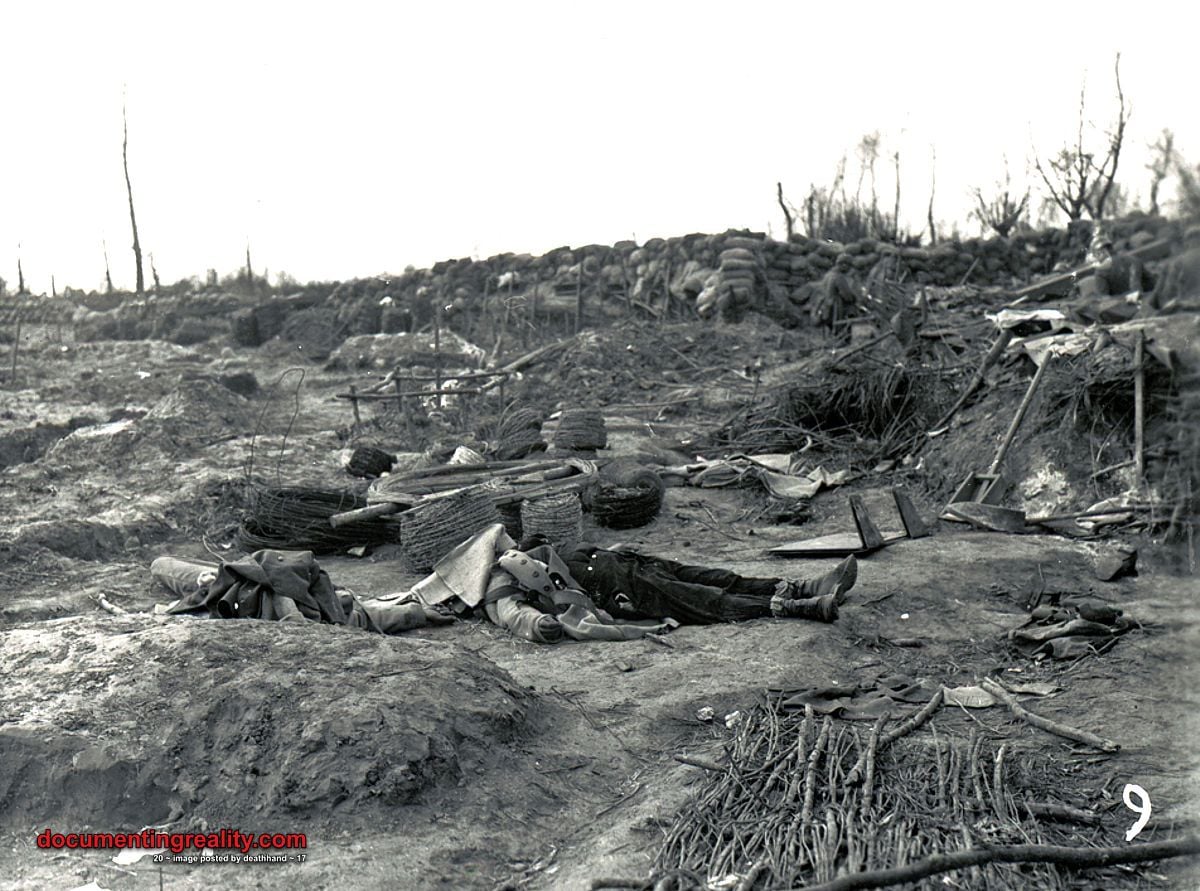 · 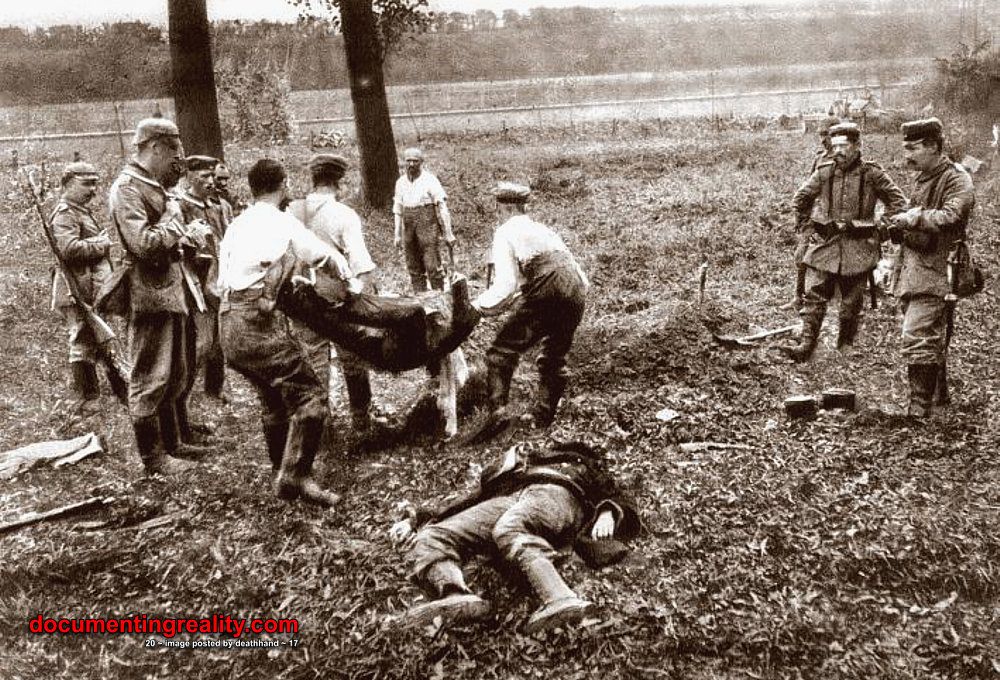 · 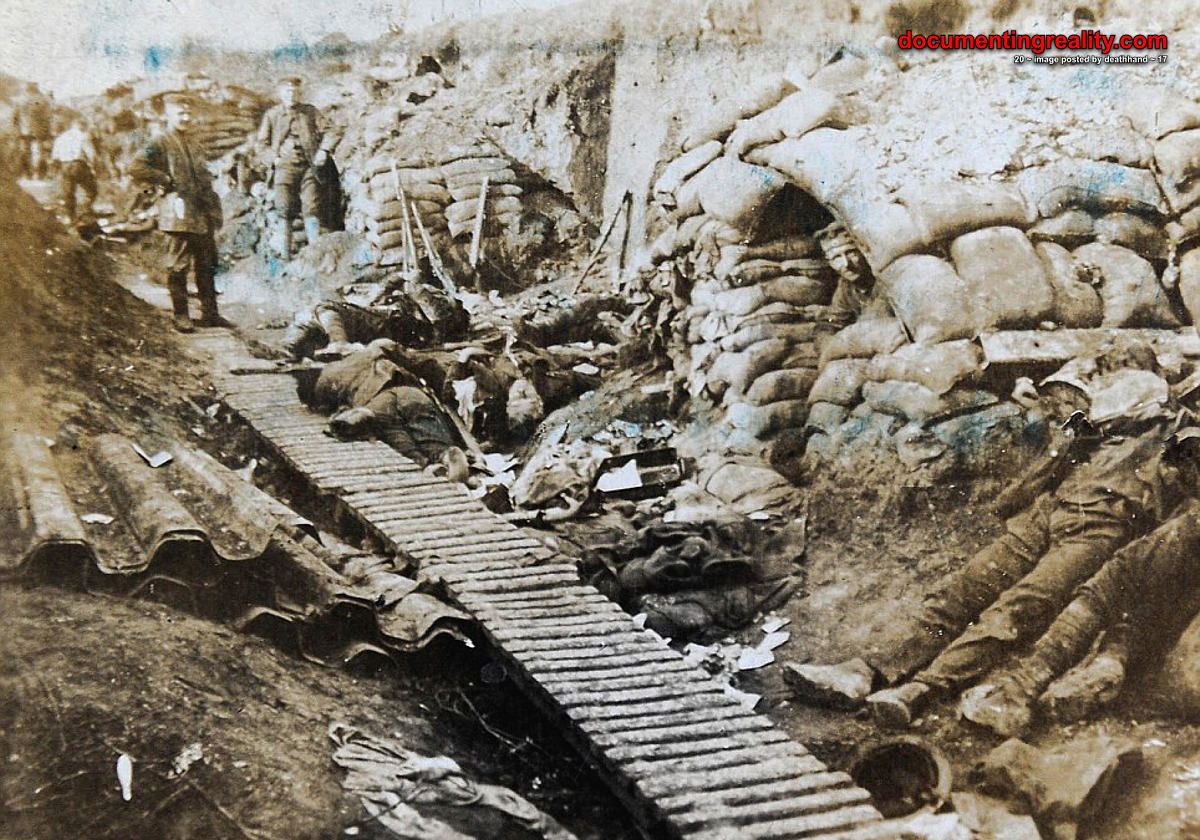 · 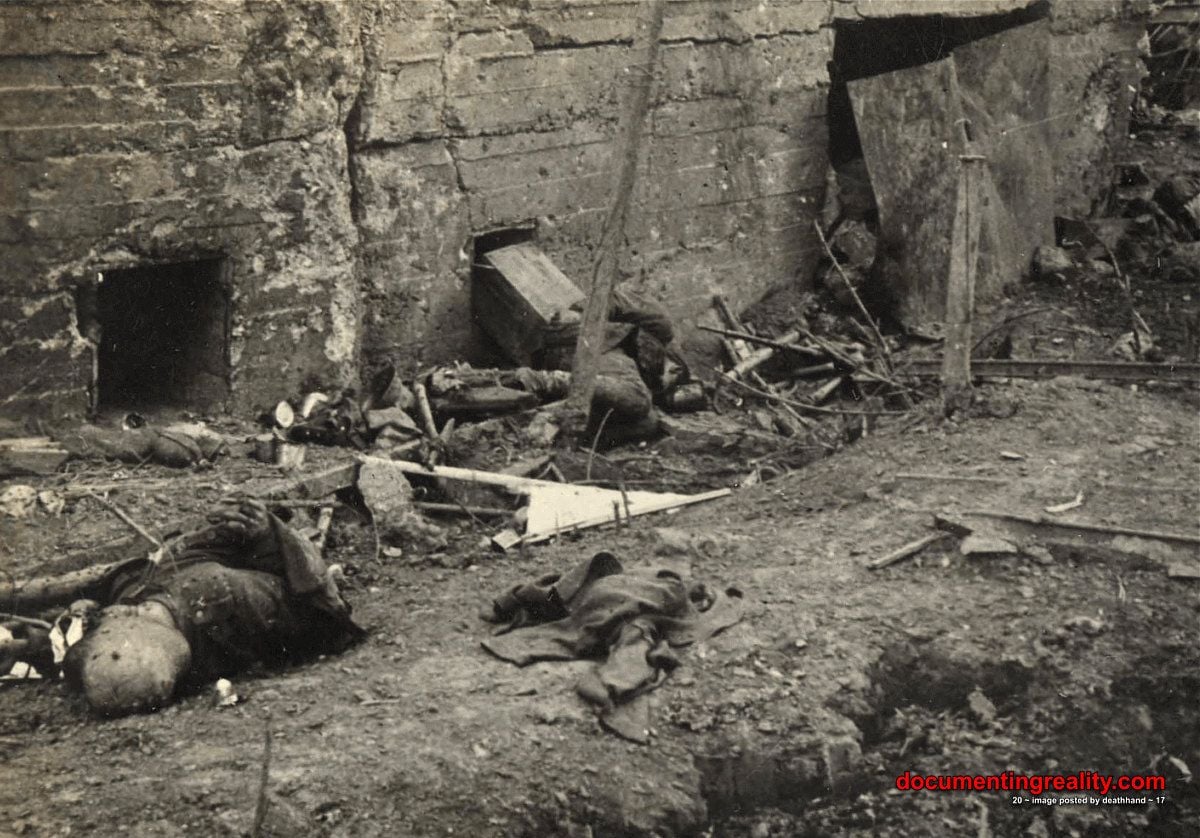 · 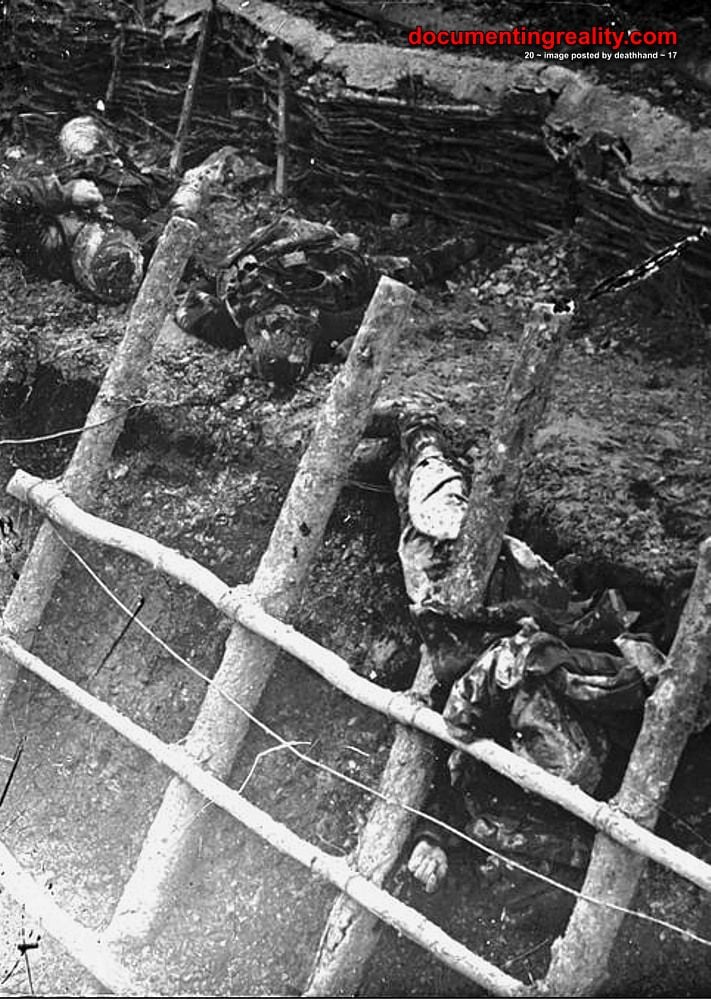 · 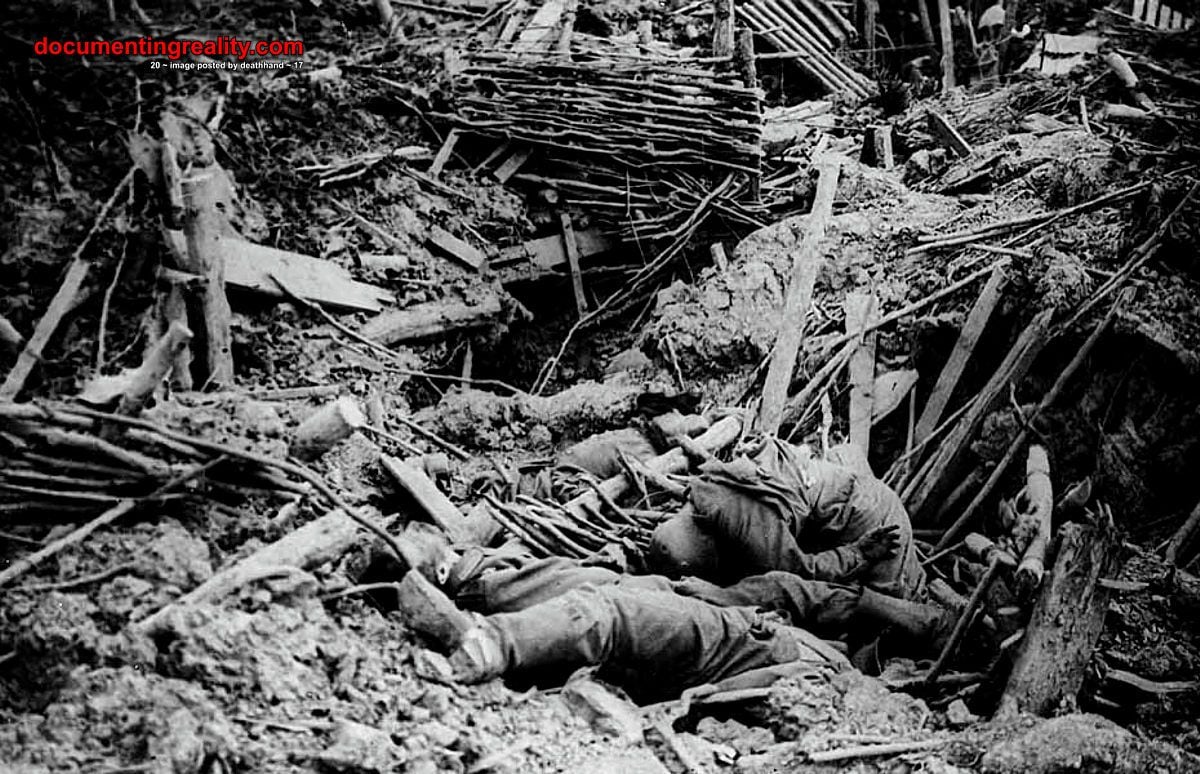 · 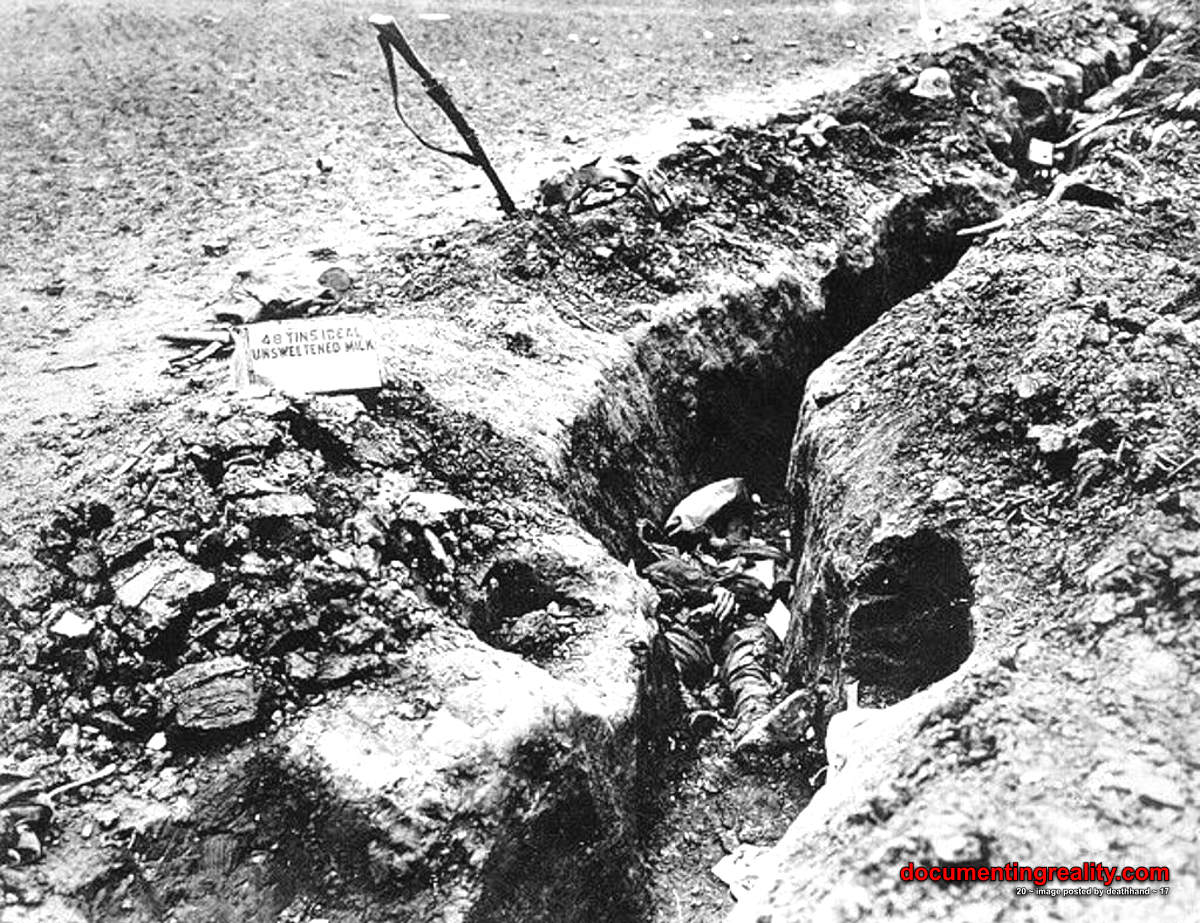 · 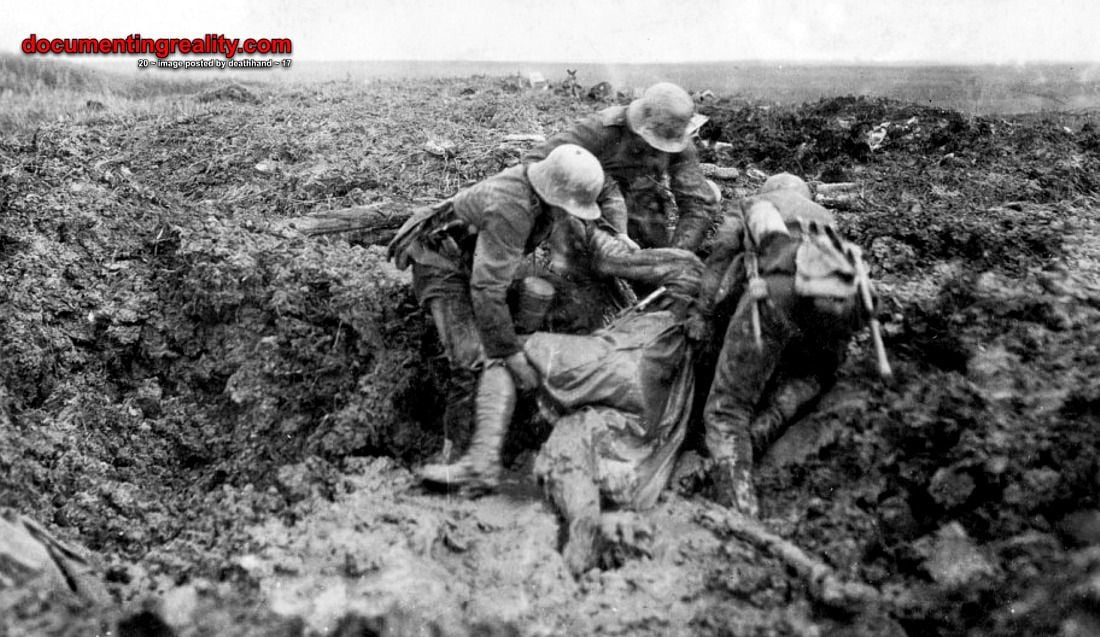 · 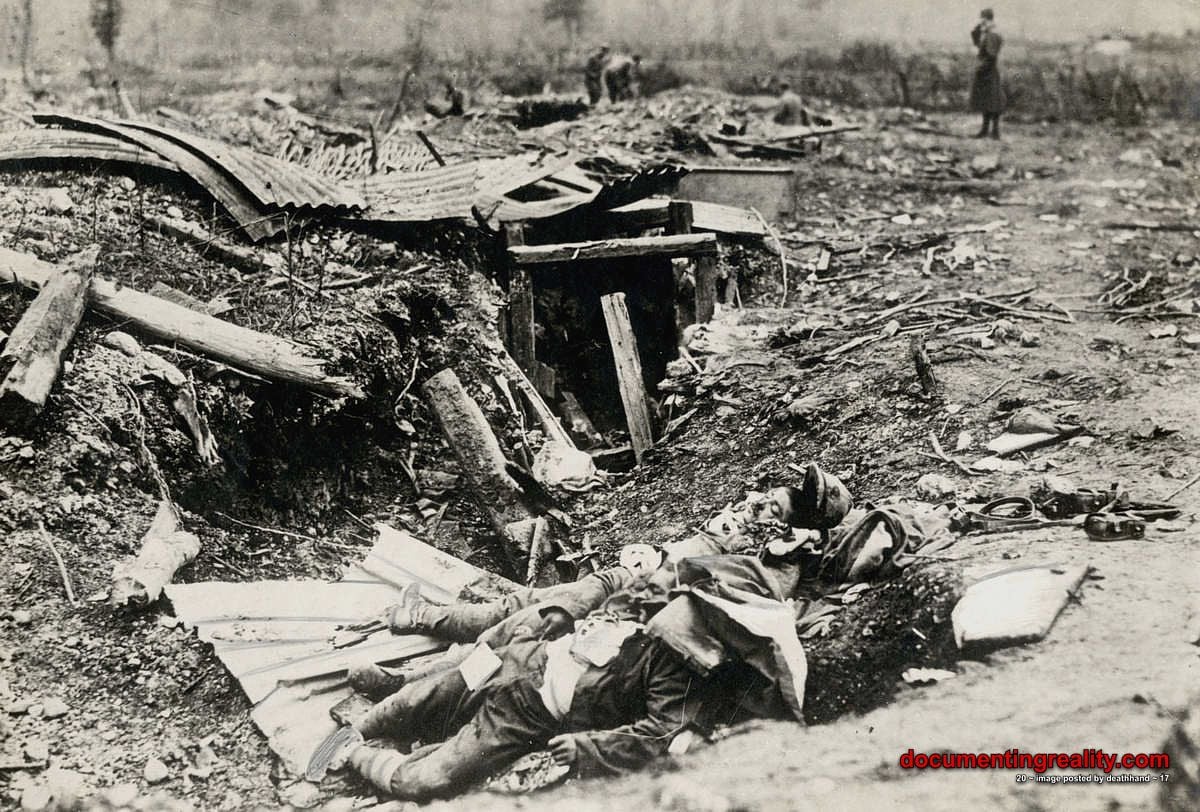 · 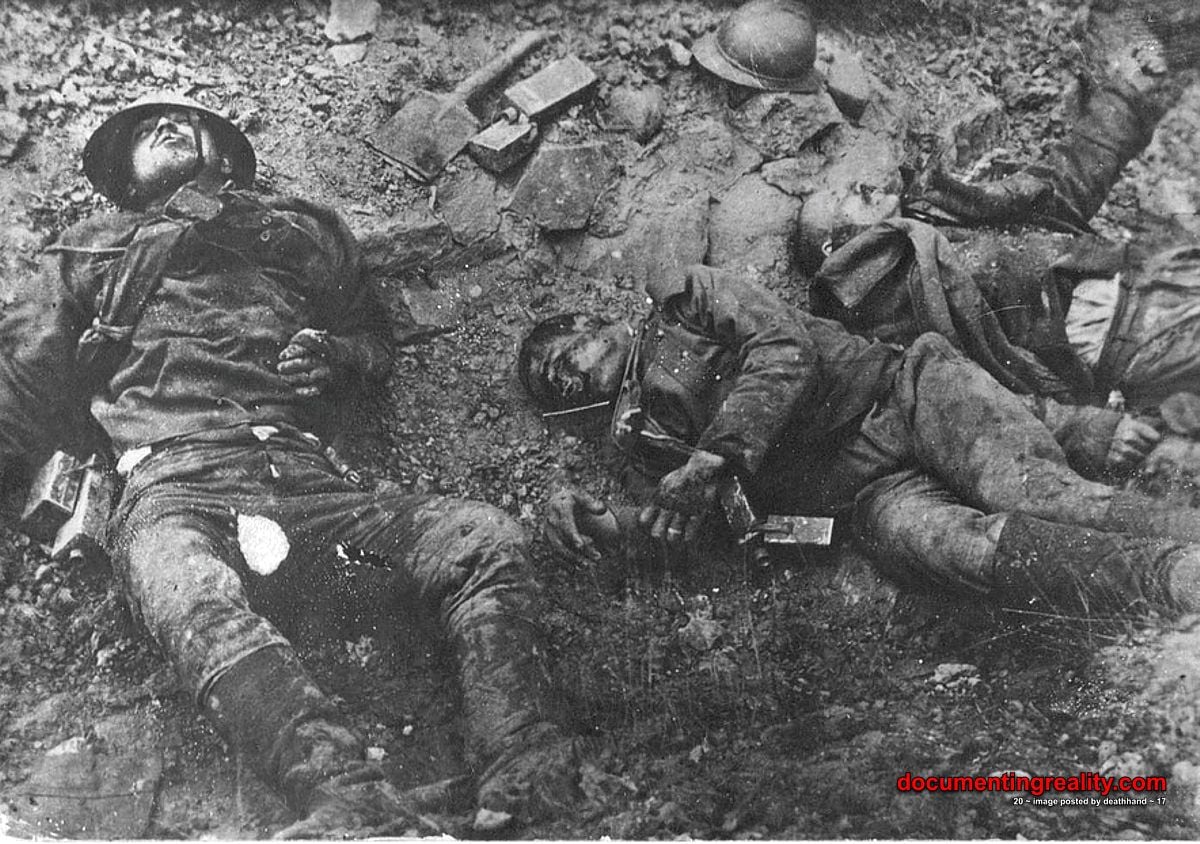 · |
|
#4
●
04-11-2017, 10:06 PM
| ||||||||
| My Rank: CORPORAL Poster Rank:1553 Male Join Date: Feb 2017 Posts: 362 Mentioned: 0 Post(s) Quoted: 78 Post(s)
| ||||||||
|
Re: World War One ~ The Gore of War
Most of the images in these first several sets show the soldiers of France, Germany and Belgium. The British, Canadians and lastly the Americans came later as the war began to involve other nations. In some of these early sets, both German and French soldiers can be seen still wearing the old style Napoleonic uniforms before the idea of flat earth colours and camouflage was realized as a better way for soldiers to become less of a target. World War One ~ Set 3. 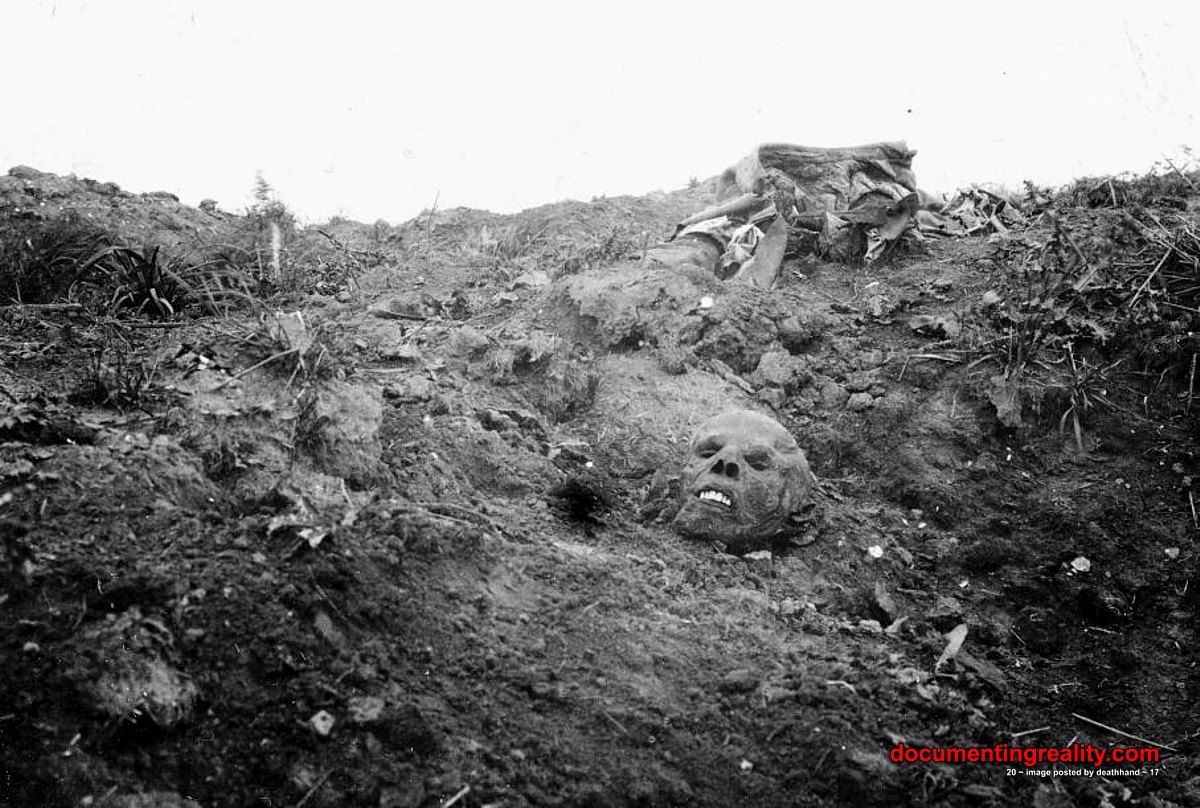 · 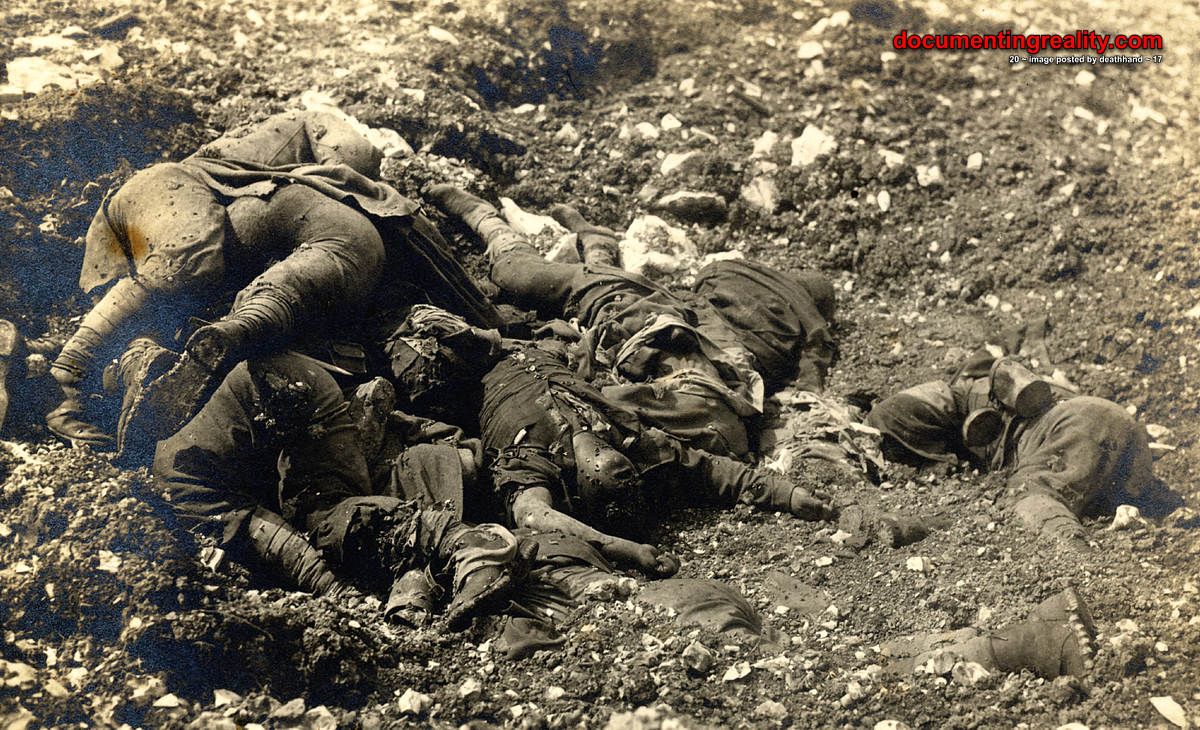 · 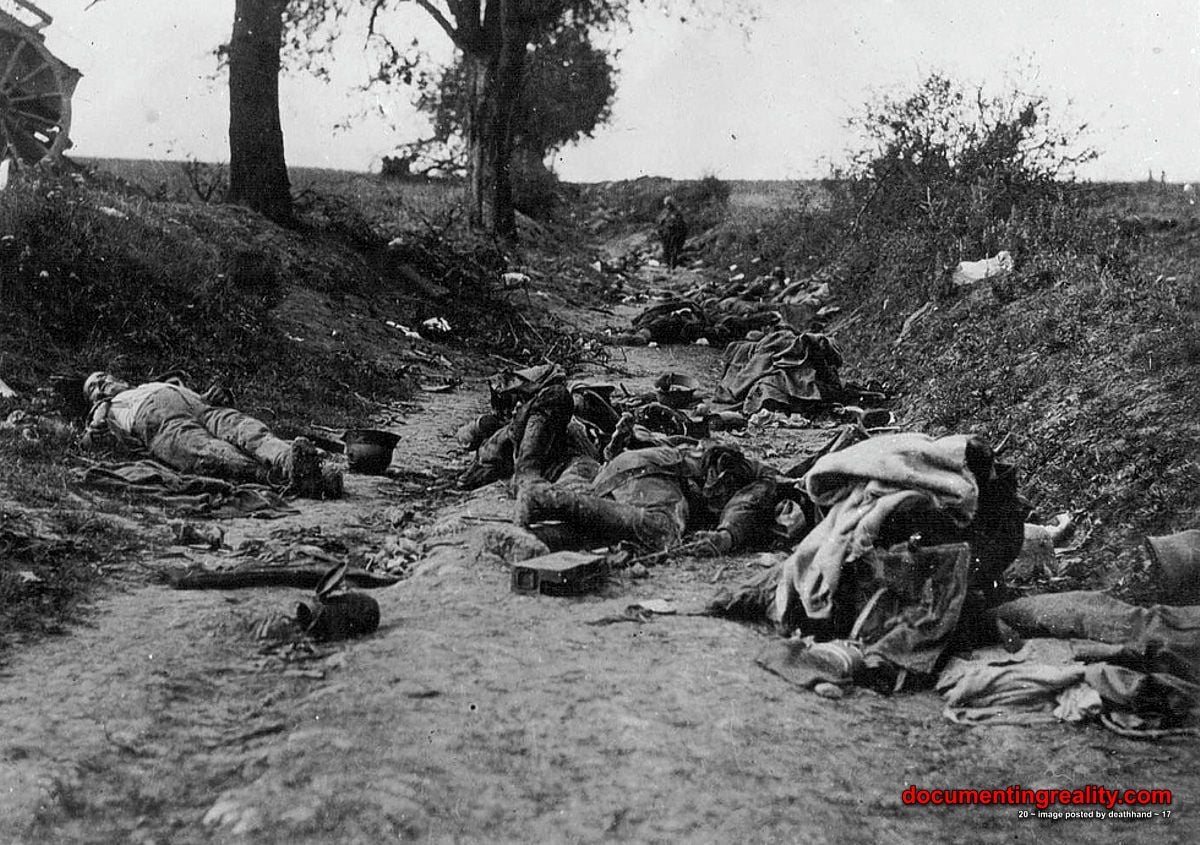 ·  · 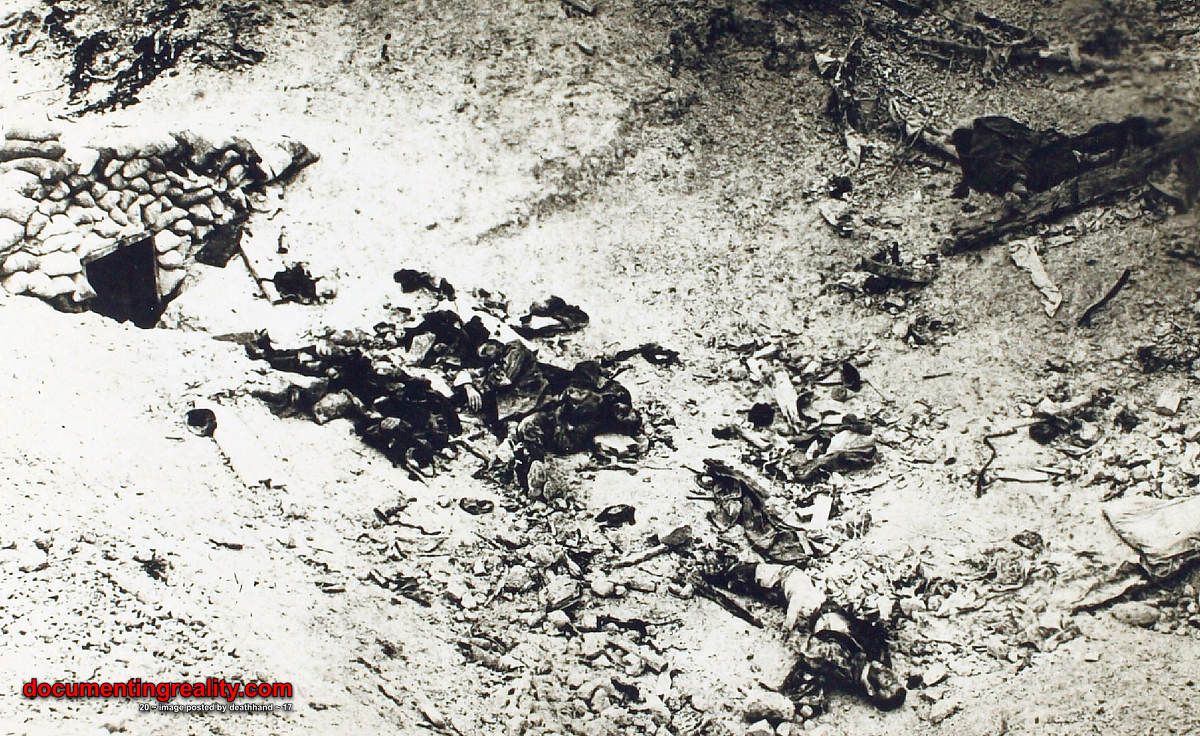 · 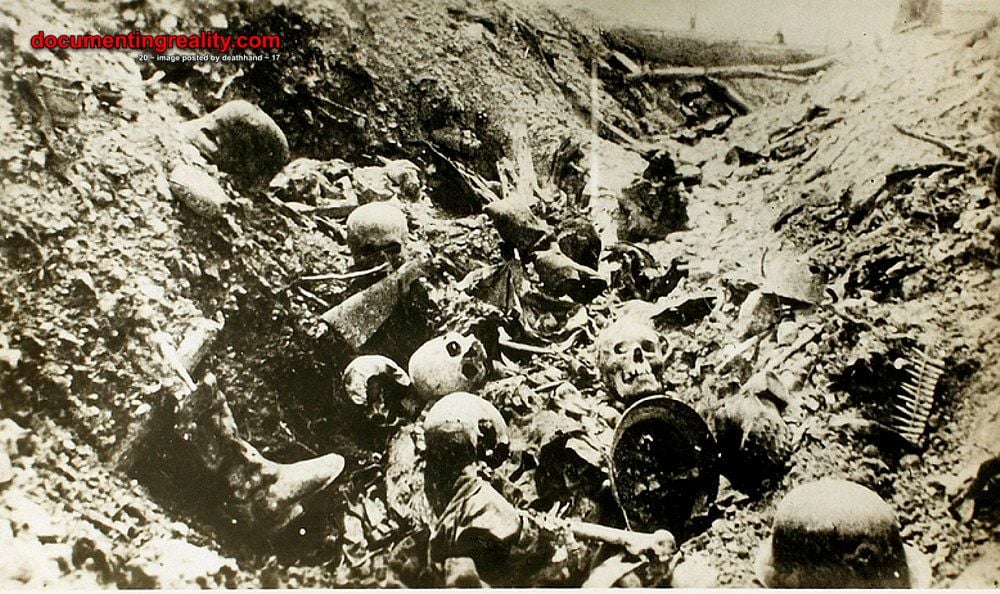 · 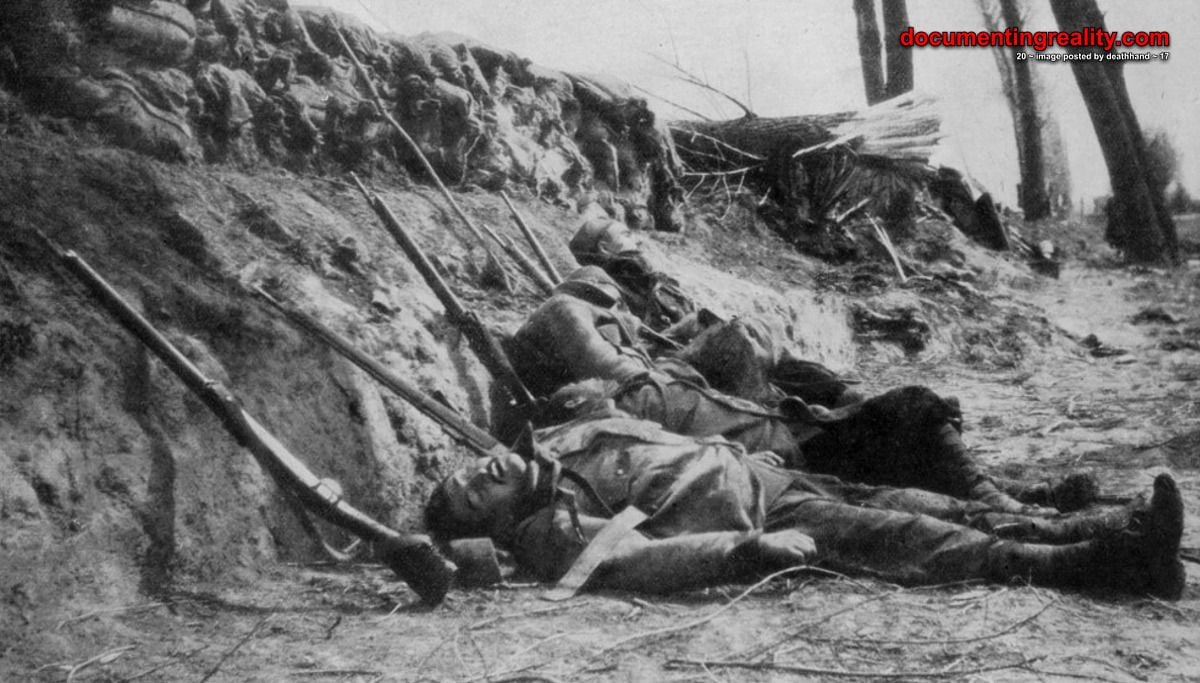 · 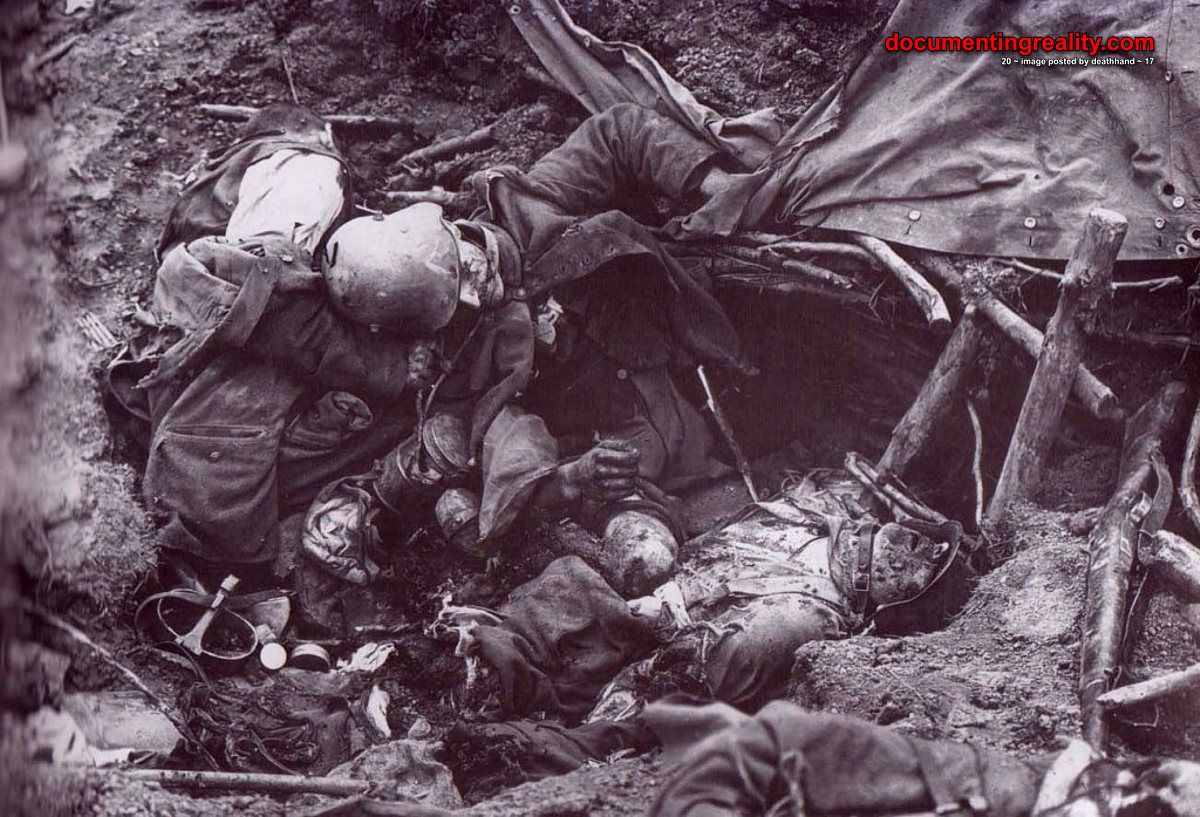 · 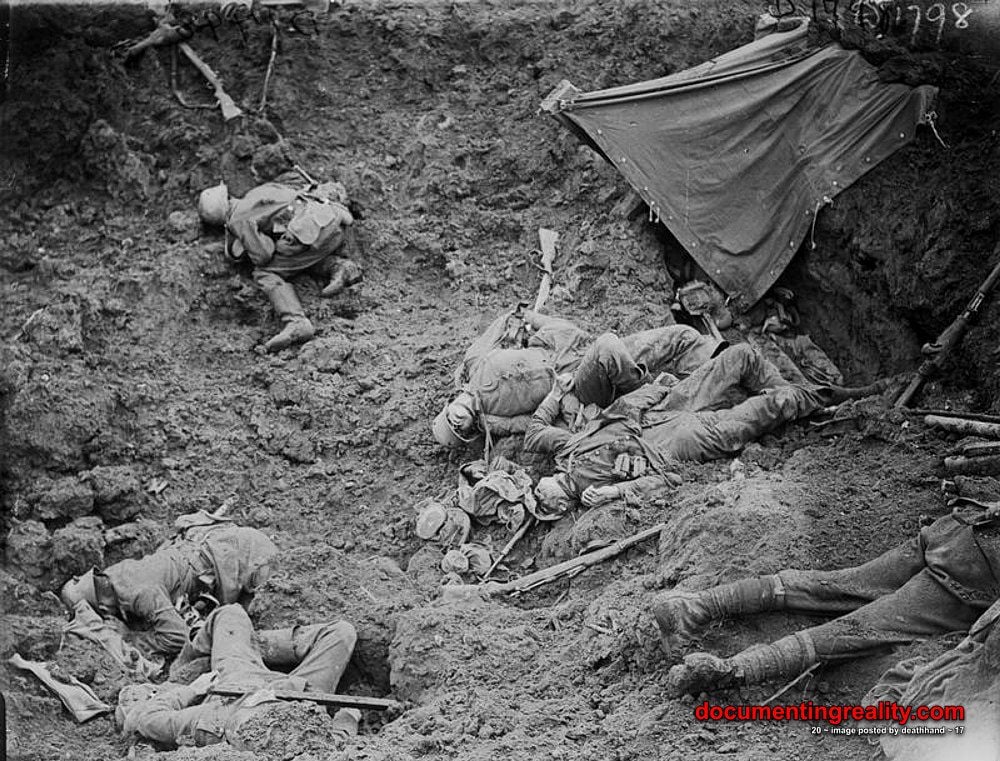 · 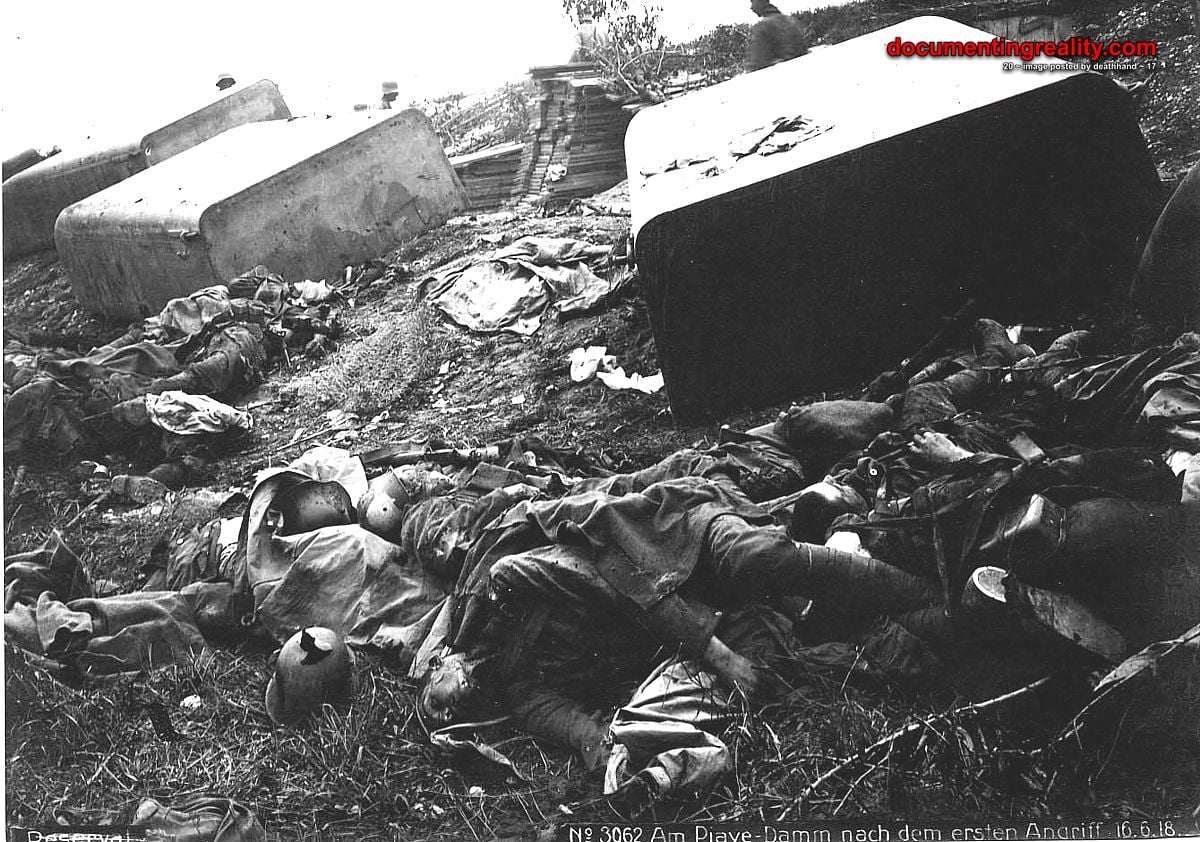 · |
|
#5
●
04-11-2017, 10:08 PM
| ||||||||
| My Rank: CORPORAL Poster Rank:1553 Male Join Date: Feb 2017 Posts: 362 Mentioned: 0 Post(s) Quoted: 78 Post(s)
| ||||||||
|
Re: World War One ~ The Gore of War
I'll leave things at that for now. Tons of images still to be posted. |
|
#9
●
04-12-2017, 01:50 AM
| ||||||||
| My Rank: CORPORAL Poster Rank:1553 Male Join Date: Feb 2017 Posts: 362 Mentioned: 0 Post(s) Quoted: 78 Post(s)
| ||||||||
|
Re: World War One ~ The Gore of War
The Nam, yes, that is on the books...along with Korea and who knows what else.  |
|
#10
●
04-12-2017, 02:43 AM
| ||||||||
 My Rank: STAFF SERGEANT Poster Rank:747 Join Date: Jun 2016 Posts: 1,082 Mentioned: 0 Post(s) Quoted: 245 Post(s)
| ||||||||
|
Re: World War One ~ The Gore of War
I met several American WWI veterans. They told me that so many guys went bad with Shell Shock that guys would just let themselves be killed or ran away.
|