|
#9
●
10-28-2009, 09:27 AM
| ||||||||
 My Rank: MASTER SERGEANT Poster Rank:531 I'm a dude, dude Join Date: Jun 2009 Posts: 1,948 Mentioned: 1 Post(s) Quoted: 8 Post(s)
| ||||||||
|
Re: Urumqi Riot Some CC Finds
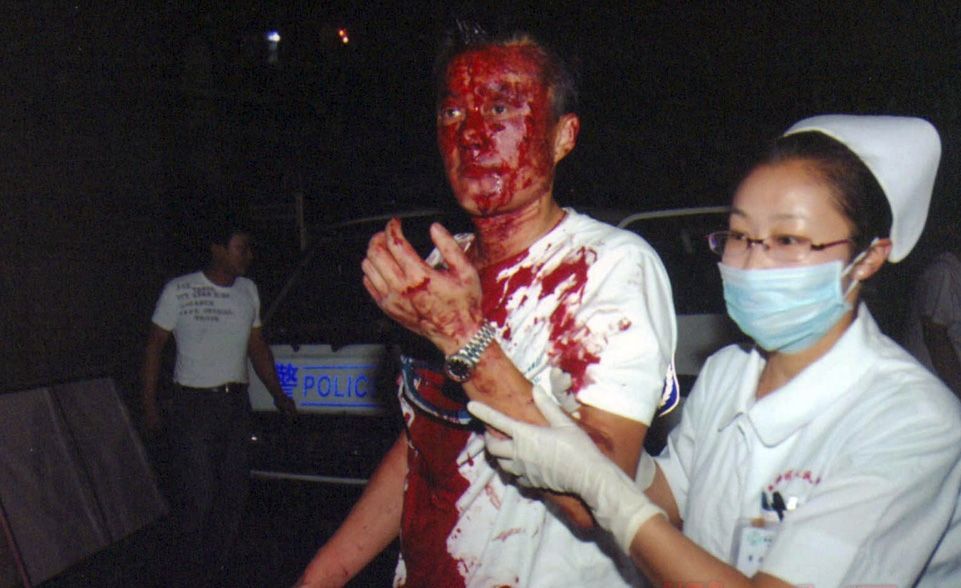
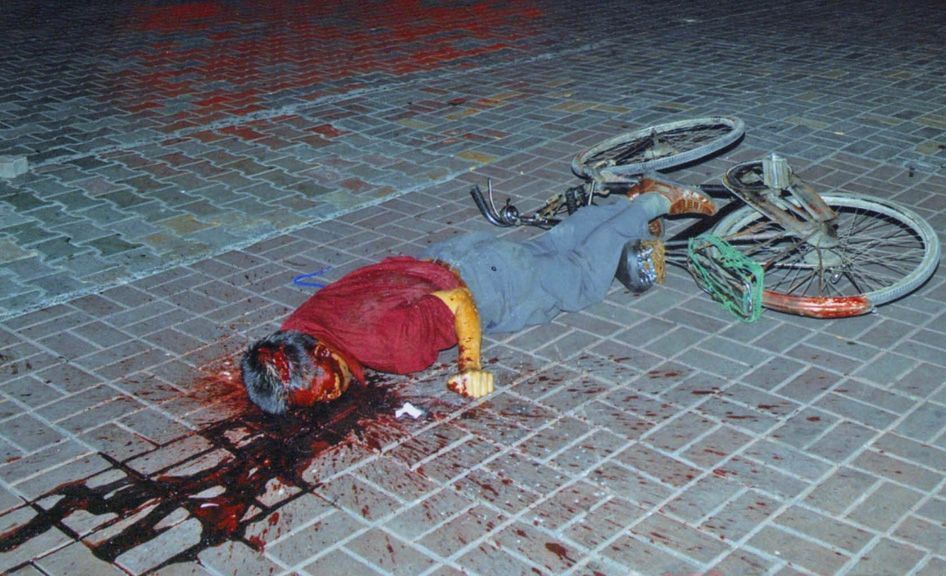
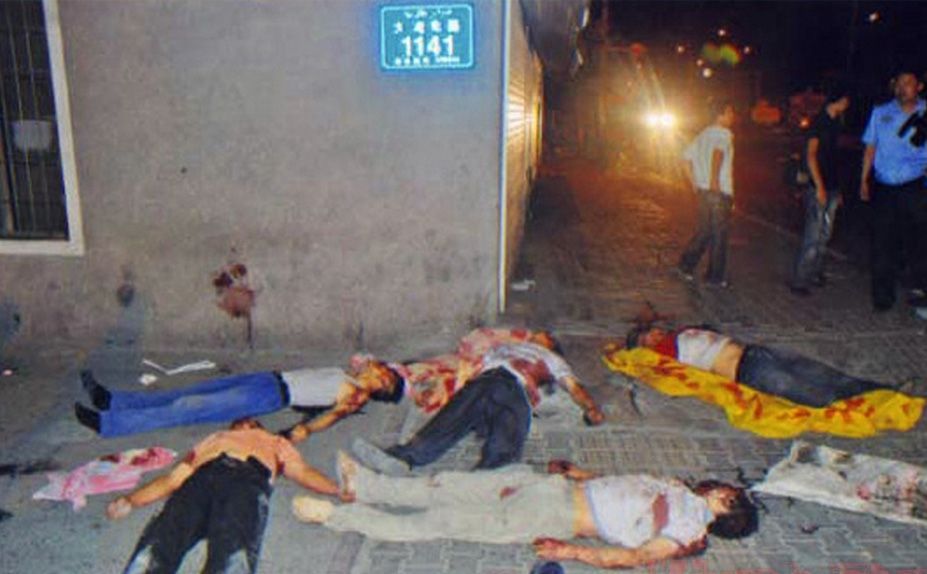
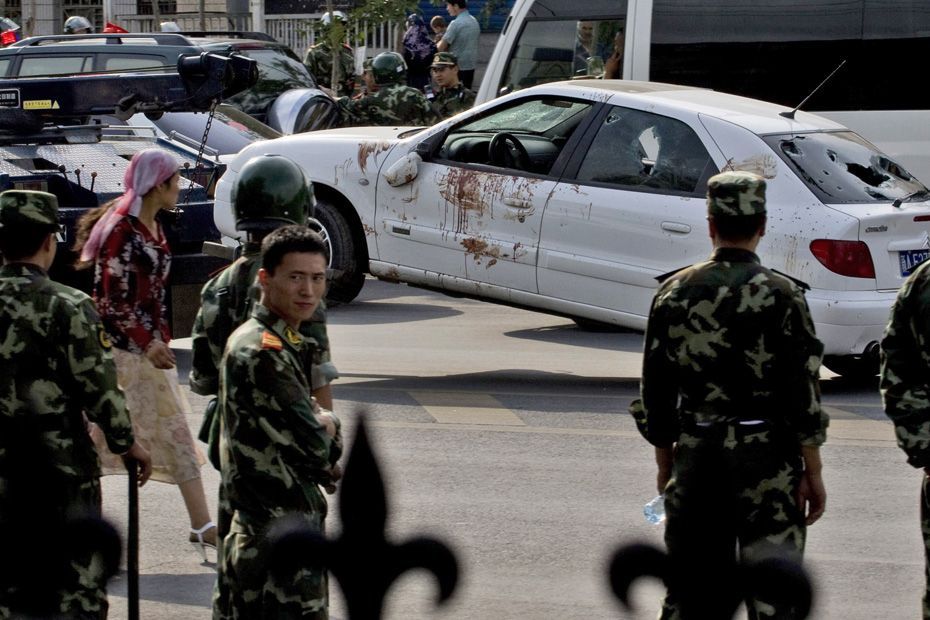
Here you go princess: BEIJING (Reuters) - Rioting erupted in China's restive far west Xinjiang region on Sunday, when locals burned vehicles and blocked traffic in the regional capital Urumqi, the state news agency reported. The rioters were "attacking passers-by and setting fire to vehicles", the brief Xinhua news agency report said. "They also turned over (a) traffic guardrail and interrupted traffic on some roads in the city," it added. The report did not specify the ethnicity of those involved in the unrest, and calls to the Xinjiang region spokesperson's officer were not answered. But a visitor in Urumqi said they were Uighurs, a largely Muslim group with a language and culture close to the Turkic peoples of Central Asia. Many Uighurs resent the growing Han Chinese presence in their homeland and the cultural and religious controls imposed by the ruling Communist Party. "It started as a few hundred, and then there were easily over a thousand involved," said the visitor, who spoke on condition of anonymity. He said the rioters overturned traffic rails and smashed buses until thousands of police and anti-riot troops swept through the city, using tear-gas and high-pressure water hoses to disperse crowds. "Now the whole city is on lock-down," he said. The Chinese video website Youku (www.youku.com) showed footage titled "Urumqi riot" that showed smoke rising from an expressway as a firetruck stopped at the scene The Xinhua report did not say how many people were involved in the unrest or what their grievances were. Almost half of Xinjiang's 20 million people are Uighurs. Many of them resent controls imposed by Beijing and an inflow of Han Chinese migrants. The population of Urumqi is largely Han Chinese. Many Uighurs complain they are marginalised economically and politically in their own land, which has rich mineral and natural gas reserves. Xinjiang has been under increasingly tight security in recent years, especially in the run-up to the 2008 Beijing Olympic Games, when the region was hit by several deadly attacks that authorities said were the work of militants. But human rights groups and Uighur independence activists say Beijing grossly exaggerates the threat from militants to justify harsh controls restricting peaceful political demands. URUMQI, Oct. 12 (Xinhua) -- Six men who were convicted of murder and other crimes in the July 5 riot in Xinjiang were sentenced Monday to death after a first-instance trial, and another man was jailed for life. Abdukerim Abduwayit, Gheni Yusup, Abdulla Mettohti, Adil Rozi, Nureli Wuxiu'er, and Alim Metyusup were sentenced to death at the Intermediate People's Court in Urumqi. Tayirejan Abulimit was given life imprisonment, a lesser punishment as he confessed to crimes of murder and robbery and helped the police capture Alim Metyusup. All seven men had been convicted of murder, and some of them were also convicted of arson or robbery. The seven were the first to be sentenced over the riot, which left 197 people dead and more than 1,600 injured in Urumqi, capital of northwest China's Xinjiang Uygur Autonomous Region. Abdukerim Abduwayit killed five innocent people in just two hours in different places with dagger and pipe wrench during the riot. He also set fire to a downtown building, forcing 13 people to jump off the building to escape and causing an economic loss of more than 260,000 yuan (38,067 U.S. dollars). According to a videotape provided by a witness, Abduwayit kept beating the head and back of a Han person heavily with a 40-cm-long metal object at about 8 p.m. on July 5, which caused the death of that man. "A brutal rioter like him deserves death penalty," said an observer of the trial who refused to offer his name. In the second case, four rioters including Gheni Yusup and Abdulla Mettohti beat five people to death and injured two others in five different locations. They smashed and looted shops and vehicles. Abdulla Mettohti and others also set a grain and oil shop ablaze, killing all the five members of a family who were hiding inside and causing an economic loss of 1.37 million yuan. The victims were aged between 12 to 82. In the third case, Alim Metyusup and Tayirejan Abulimit together killed three people and seriously injured one person. They also robbed the victims of their mobile phones. Alim Metyusup together with other mobs killed another two people and set fire to houses, resulting in an economic loss of more than 50,000 yuan. The public prosecutors presented testimonies of witnesses, autopsy reports and other evidences at the court, and played monitoring video of the scenes of crimes. The defendants provided explanation against their charges and their lawyers defended at the court. More than 400 people, including legislators, political advisors, family members of the defendants and victims, and journalists, observed the court hearings. The court proceedings were done in the Uygur language along with simultaneous interpretation. "People should act according to the law. As citizens we shall try our best to maintain social harmony, happiness and security," Nurmemet Hapiz from a local mosque, said after the court ruling. "I observed the entire hearing of one case. The facts are clear, evidence certain and sentences fair. It shows the law will bring justice to the victims," said Cui Chunyu, a local legislator. "Those who disdain and trample on the law will be punished, and that is what I see from today's court hearing," said a local resident named Wang Chong. "Monday's trial and sentence came in line with the Chinese law and international practice. No country will brook the killing of innocent people," said Chen Qibiao, professor with Xinjiang Party School. "The sentences safeguarded the dignity of law and justice and reflected the common aspiration of the people," he said. It took some 10,000 Xinjiang police officers and several hundreds of procurators quite a long time to search and confirm evidences of each case that took place in hundreds of venues. The trials could not be held until all the facts were verified, said Li Yan, an officer with the investigation section of the Urumqi People's Procuratorate. |
|
#10
●
10-28-2009, 11:01 AM
| ||||||||
 My Rank: STAFF SERGEANT Poster Rank:756 male Join Date: Apr 2009 Posts: 1,079 Mentioned: 0 Post(s) Quoted: 7 Post(s)
| ||||||||
|
Re: Urumqi Riot Some CC Finds
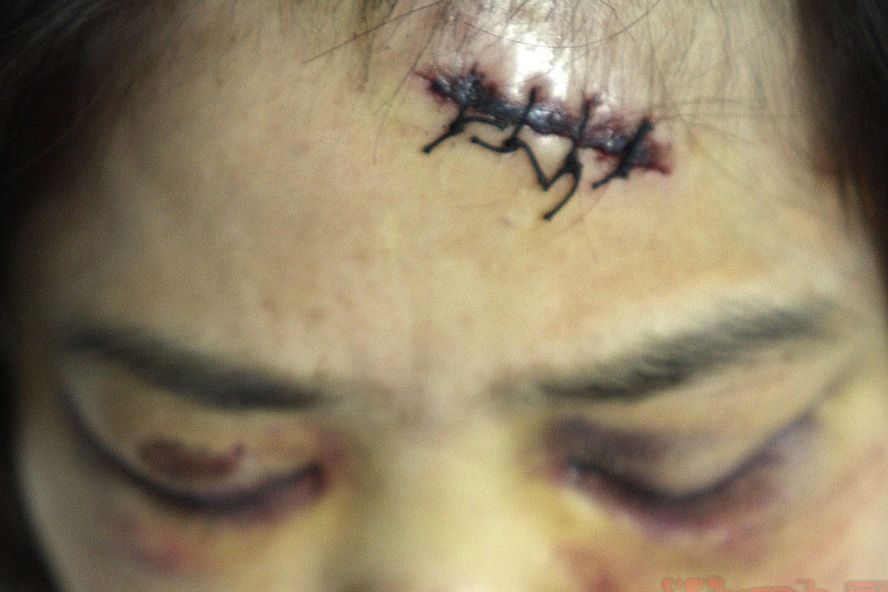
damn shadow you don't fuck around when some one asks for a little info. by the way just love the bloody pix, they make it see so "fresh".  |