|
#1
●
08-13-2021, 04:49 PM
|
 ♚ Legacy Gold Member ♚ Poster Rank:914 Join Date: Jul 2020 Posts: 820
Contributions: 13
820Posts 27,645Thanked 173Quoted 13Mentioned 13Contrib. |
|
The Shocker's Mix 5
Some of the stuff I work on doesn't make the cut so I thought about gathering them up in a single post. So basically it's images I have little or no info about or I've decided that they don't get their own thread, for example, because of low image/content quality, lack of backstory or additional info/knowledge, possibly uninteresting, only one image but not very special. I still do the usual image work including upscaling and color correction as needed, as I prefer to have my content high quality and educational. - - - Case 1 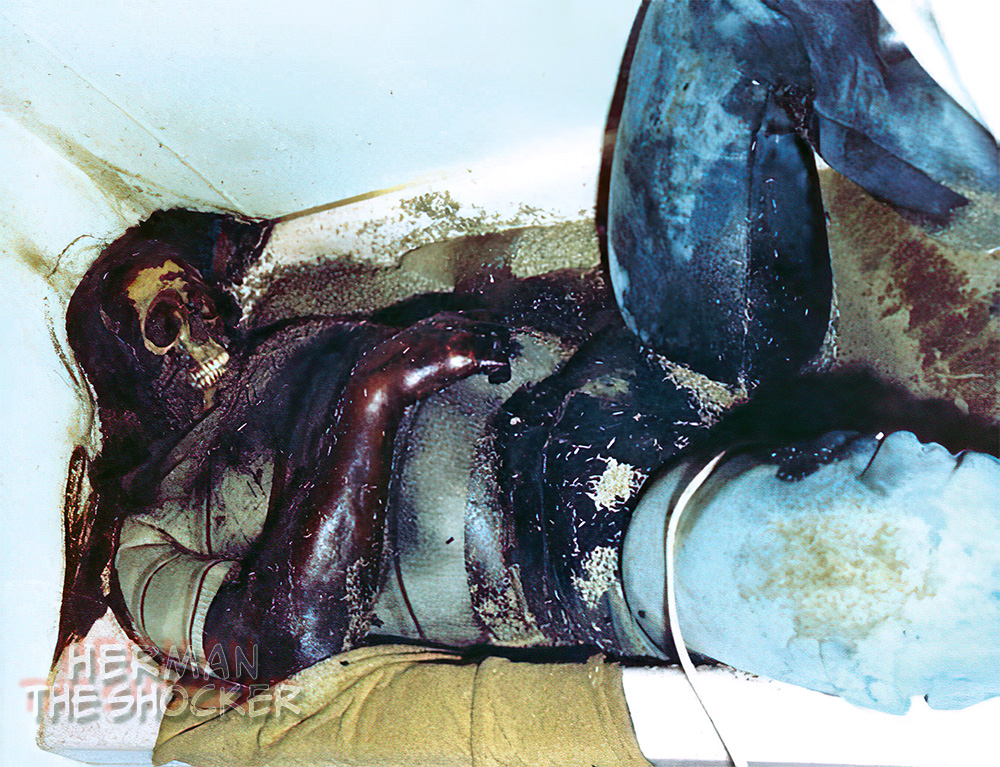 Fig1.1 The body of a man in a bathtub in an advanced state of decomposition. 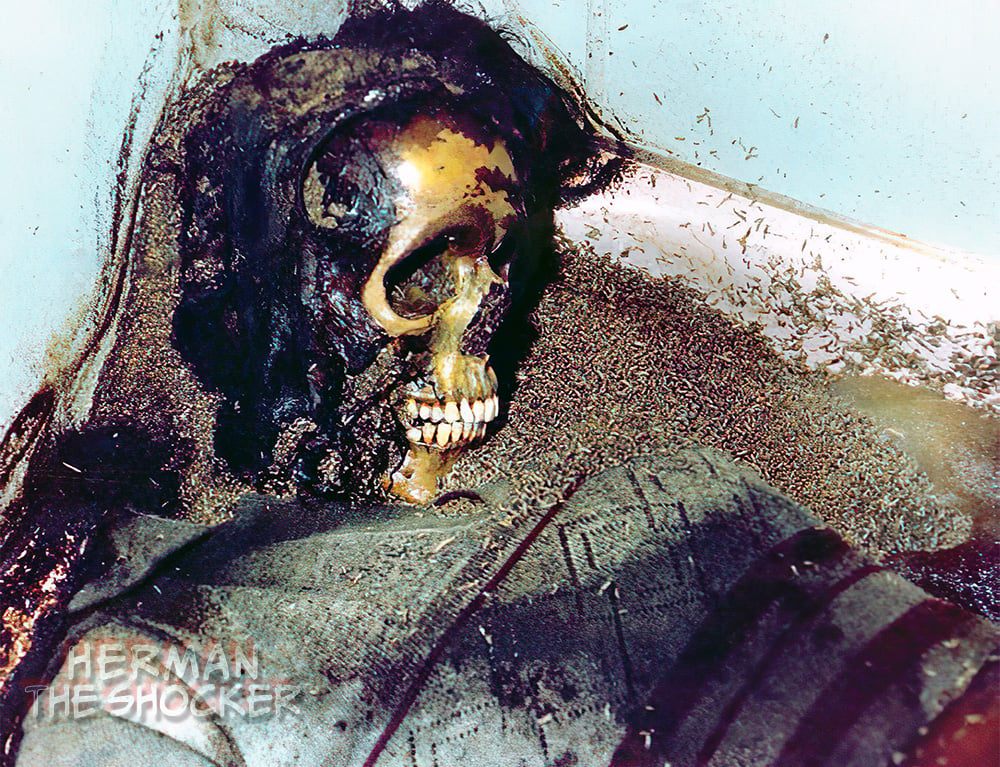 Fig1.2 These photographs depict the body of a man in a bathtub, fully clothed and lying in the water. The cause of death was electrocution. A hair dryer was found in the tub. This event occurred indoors during the summer time. The body is in an advanced state of decomposition due to the extensive maggot activity. Maggots cause most of the body's decomposition because the maggot will do the majority of the eating. Maggots have powerful proteolytic enzymes that aid the dissolution of tissues and facilitate penetration. The maggots are voracious and energetic, first exploring the natural passages, such as mouth and nostrils, then burrowing into the tissues. They secrete digestive fluids with proteolytic enzymes that help soften the tissues, burrowing beneath the skin, and making tunnels and sinuses that hasten putrefaction by admitting air and access to external micro-organisms. Successive waves of eggs are laid, producing new generations of maggots. Eventually, loss of tissue and drying makes the host cadaver unattractive to egg-laying insects, and the later stages of decomposition become free from maggots. - - - Case 2 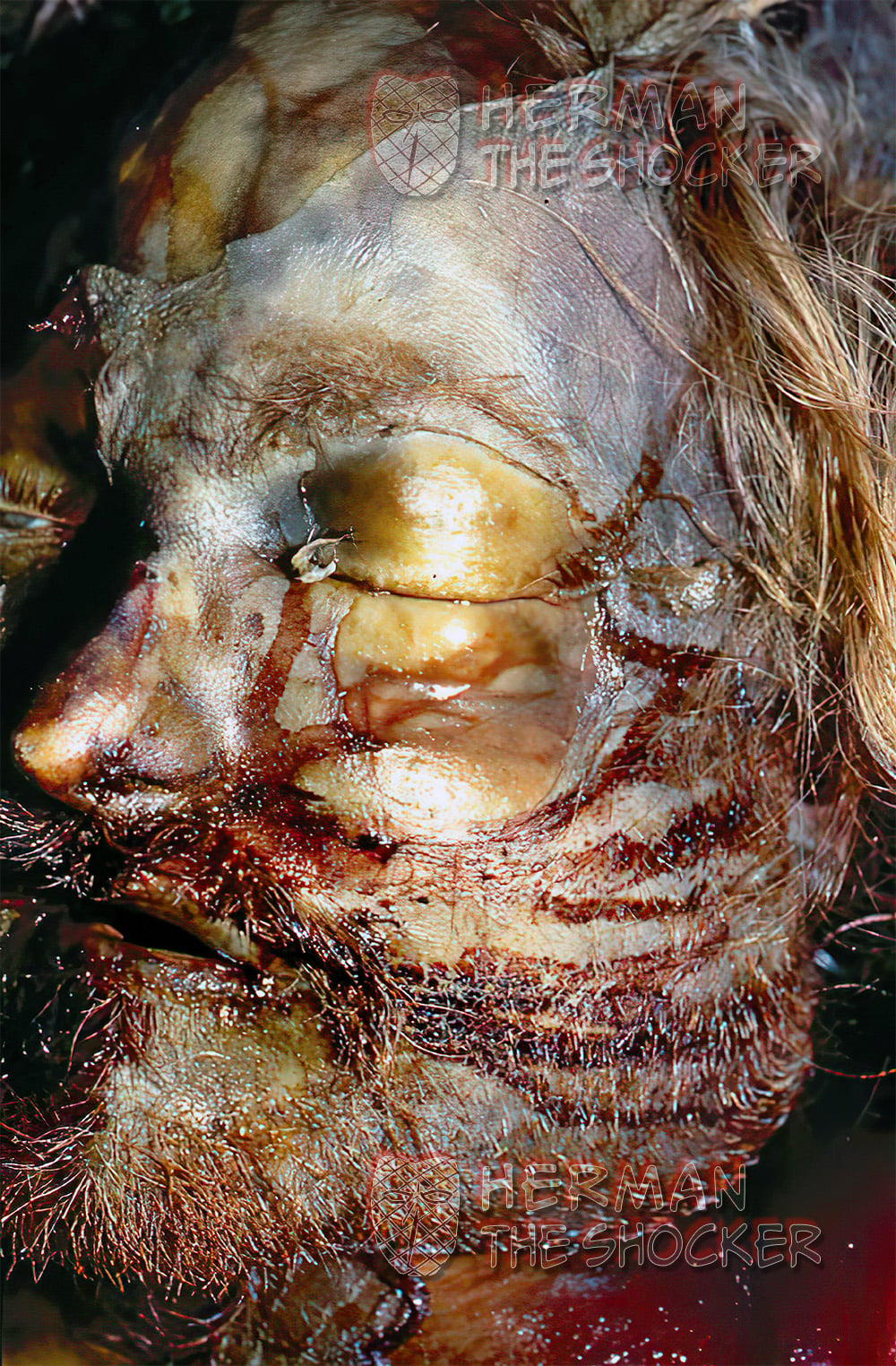 Fig2.1 Putrefaction with purge fluid forced out of the nose and mouth. Putrefaction with “purging.” Note the red to brown fluid gurgling from the mouth and nose. This can sometimes be mistaken for an upper gastrointestinal hemorrhage. At the bloating stage, the microorganisms residing in the human gut begin to digest the tissues of the body, excreting gases that cause the torso and limbs to bloat, and producing foul-smelling chemicals including putrescine and cadaverine. The gases under the skin also causes the skin to turn green and black. Cells in tissues break down and release hydrolytic enzymes, and the top layer of skin may become loosened, leading to skin slippage. Decomposition of the gastrointestinal tract results in a dark, foul-smelling liquid called "purge fluid" that is forced out of the nose and mouth due to gas pressure in the intestine. The bloat stage is characterized by a shift in the bacterial population from aerobic to anaerobic bacterial species. - - - Case 3 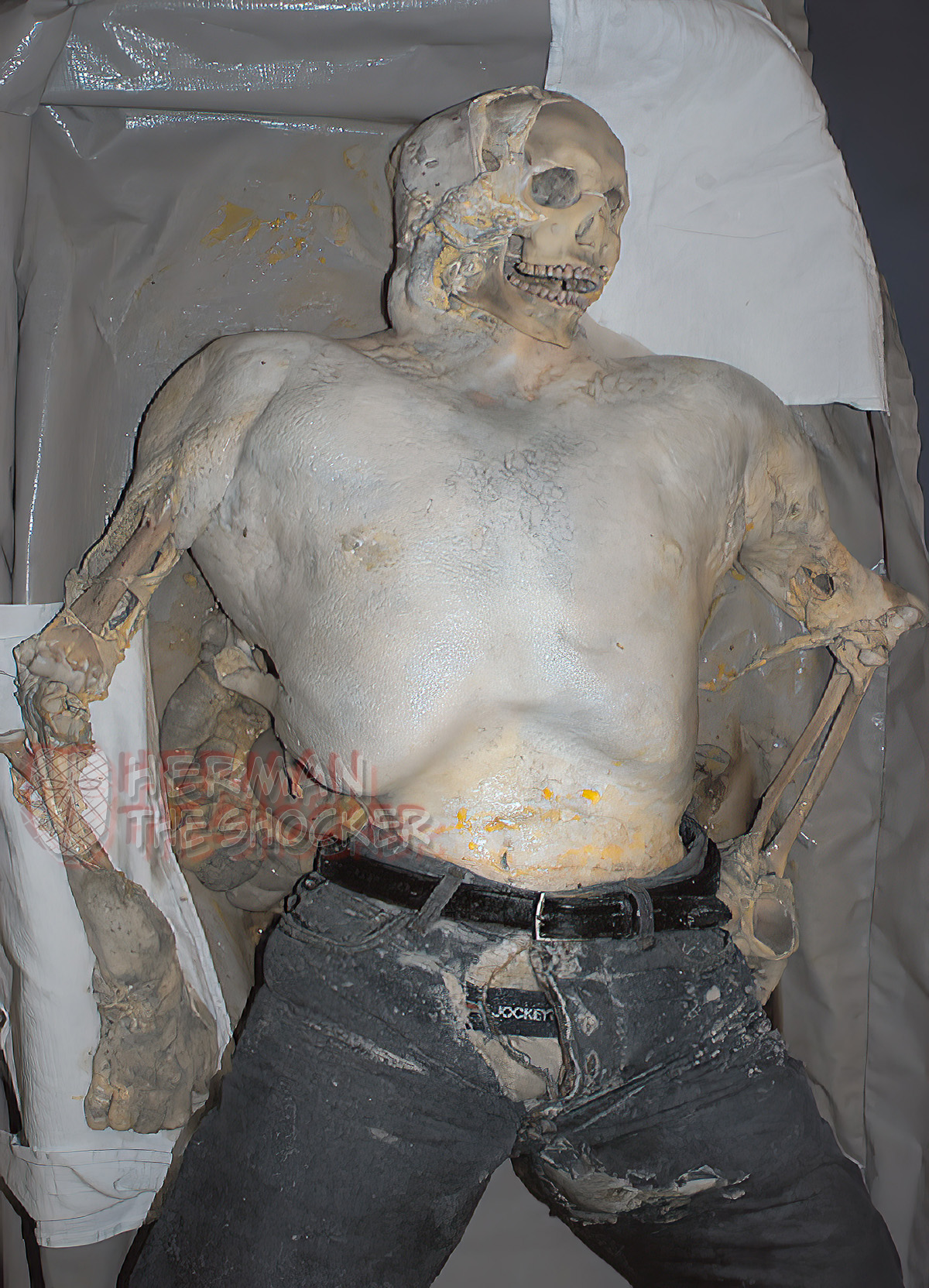 Fig3.1 Skeletonization and postmortem marine feeding activity on a drowning victim. Drowning victim in Australia showing evidence of prolonged immersion, focal skeletonization, and evidence of postmortem marine feeding activity. The time between when last seen alive and the autopsy was 2 days. Bodies that are found in the sea will often be decomposed and injured by the action of waves against obstructions or by marine predators, and blood may be washed out of the wounds. These changes may complicate the evaluation of cases. In deep waters such as ocean and sea, many small fish species feed on corpses. Animal predation, including insect activity, is very different in the water environment. In some cases, the body will be floating on the surface and the usual arthropod predators such as blowflies and carrion beetles will have access to exposed tissue. The immersed portion of the body will be subject to different predators. Aquatic insects may alter the appearance and condition of the remains. Large animals such as turtles, large fish, and large crustaceans will cause tissue damage that in some cases may mimic trauma to the body. Smaller fishes, crabs, shrimp, and invertebrates prey on soft tissue and if given the opportunity can completely deflesh exposed parts of the body. Fish, turtles, and other animals may aggressively feed on remains and in the ocean environment, large carnivores such as sharks will create postmortem artifacts. It is not unusual for small fish and crustaceans to gain access to the interior of the body through skin and soft tissue defects or even normal body orifices. - - - Case 4 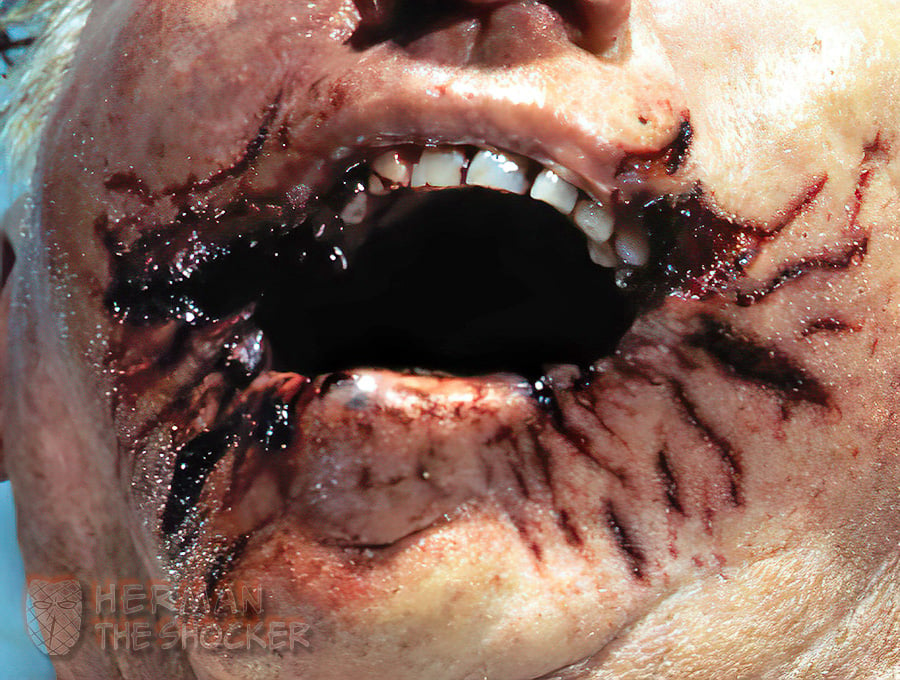 Fig4.1 Tissue tears extending from the sides of the mouth from intraoral shotgun wound. 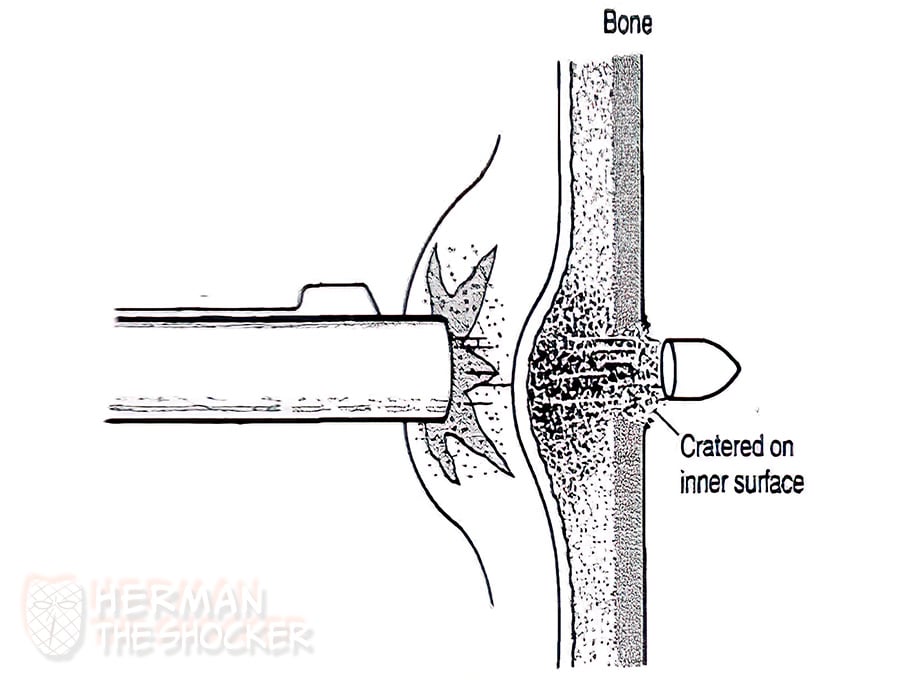 Fig4.2 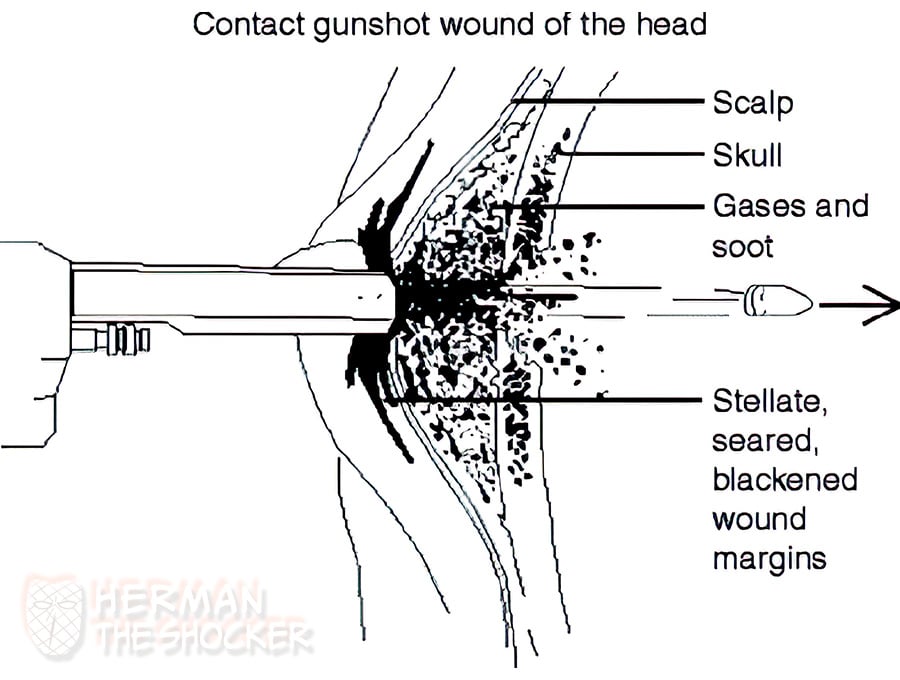 Fig4.3 In this intraoral shotgun wound, note the tissue tears extending from the sides of the mouth. These tears result from the large amount of gases exiting the end of the barrel at high pressures. In contrast to the head, contact shotgun wounds of the torso often have a fairly innocuous appearance, likely related to the elastic nature of the tissues of the body walls and the ability of the chest or abdominal cavities to be able to accommodate a large amount of expelled gas. The discharge of a weapon involves the release not only of a projectile but of hot gas under high pressure as well. If the lips are sealed around the barrel, the rapid expansion of departed gases causes the cheeks and face to balloon far beyond their elastic capacity. This results in the characteristic tears seen in Fig.1. In a contact shot fired anywhere on the head, the gases from the firing discharge can enter into the skull. This results in an acute build-up of intracranial pressure with the rigid cranium attempting to accommodate it by expansion. Gases under pressure accumulate inside the cranium and in the process of attempting to release this build-up of pressure, fractures will arise with outward expansion with outwards pushing of the fracture fragments and consent tears (lacerations) through the skin of the face as these sharp and tough bony fragments are pushed outwards. This is seen especially on the face and this produces facial distortion effects. - - - Case 5 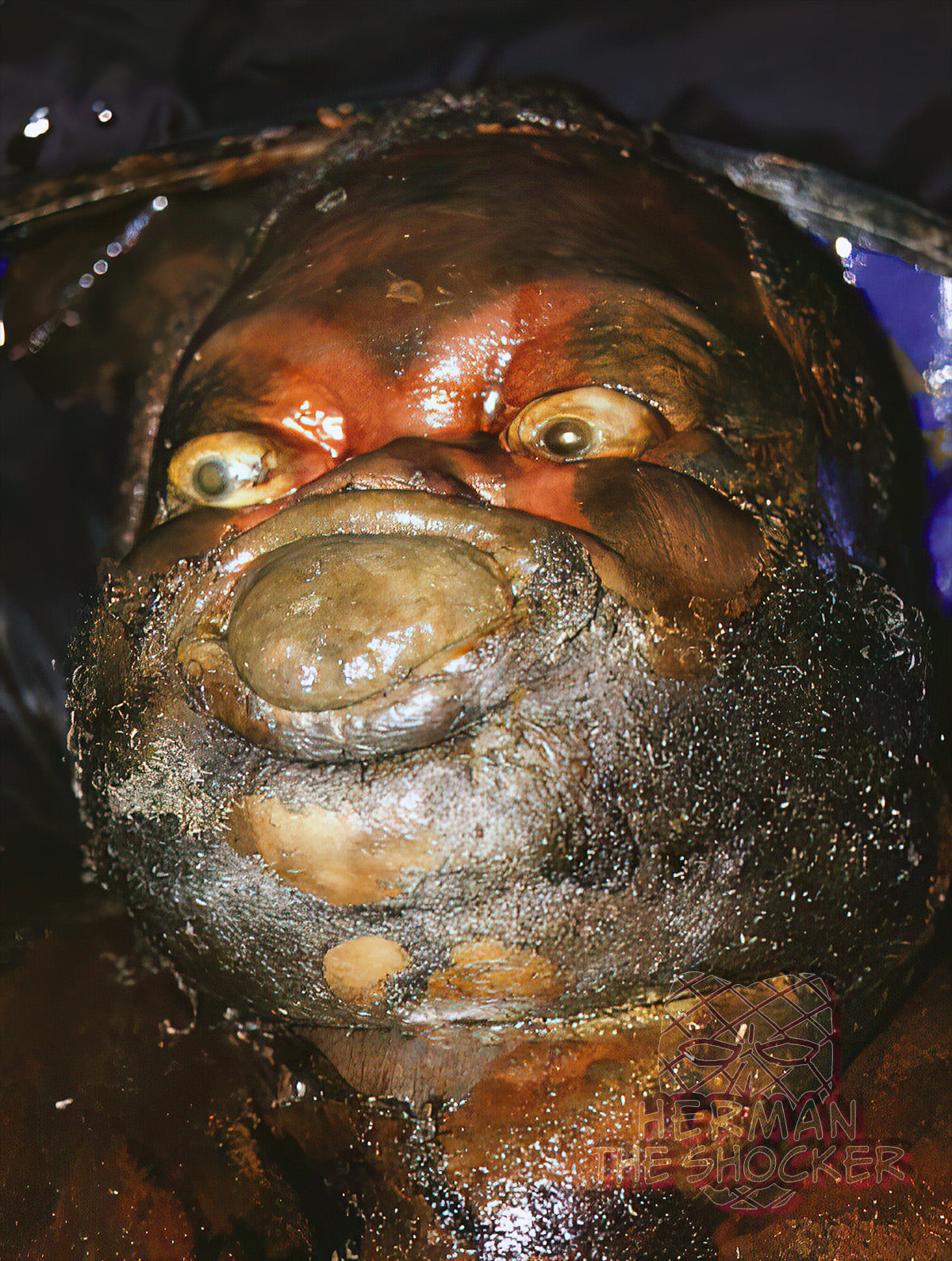 Fig5.1 Bulging eyes, lips and face with protrusion of the tongue on this decomposing individual. Note the bulging eyes, lips and face with protrusion of the tongue on this decomposing individual, all related to the decomposition process. No further info about this case. Decomposition, or putrefaction, is a combination of two processes: autolysis and bacterial action. Autolysis is the breakdown of cells and organs through an aseptic chemical process caused by intracellular enzymes. Because it is a chemical process, it is accelerated by heat, slowed by cold, and stopped by freezing. Bacterial action results in the conversion of soft tissues in the body to liquids and gases. The chemicals produced as a result of putrefaction are cadaverine and putrescine, hydrogen sulfide and other sulfides, which generate a horrible smell. Putrefaction begins immediately upon death and usually becomes noticeable within 24 hours. As soon as death occurs, the bacteria or microorganisms within the intestinal tract escape from the bowel into the other tissues of the body. As they grow, they begin to produce gases and other properties that distort and discolor the tissues of the body. The discoloration is a dark greenish combination of colors and is generally pronounced within 36 hours. As a result, the body begins to swell from the putrefactive gases, emitting an extremely repugnant odor. The rate of decomposition depends on the temperature, ground conditions, amount of clothing, size of the body, etc. For example, a body in a warm climate will not only encourage insect attack from the outside, but will also increase the interior bacteria development and subsequent tissue attack from within. As the tissues inside are destroyed and enzymes released, the gases formed emit a foul and sickening smell. - - - Case 6 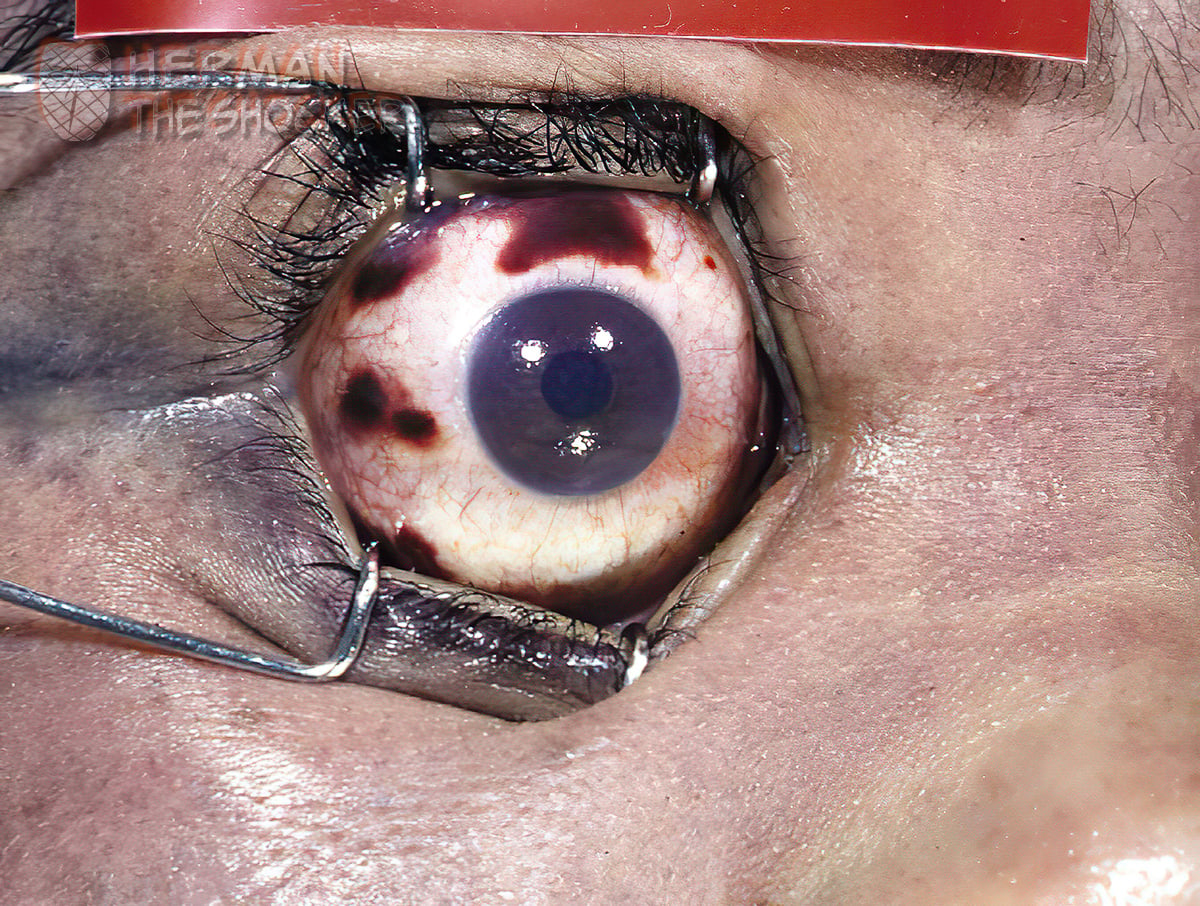 Fig6.1 Scleral hemorrhages in the eye of a strangled woman. 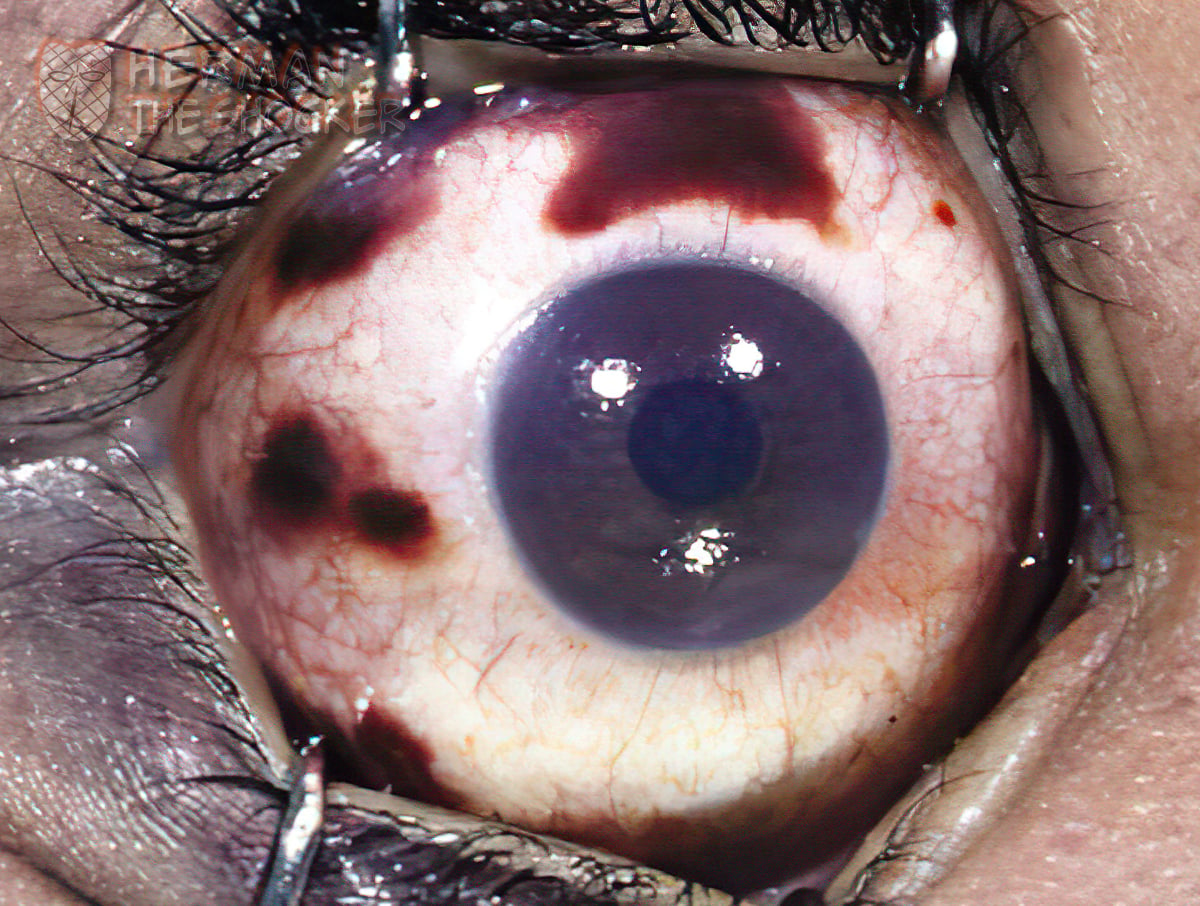 Fig6.2 This woman was strangled and died, note the scleral hemorrhages and petechiae, larger scleral hemorrhages can be seen in relation to neck compression. Scleral hemorrhage or subconjunctival hemorrhage is a red spot on your eye caused by a broken blood vessel. It might look scary, but it's usually harmless. Your conjunctiva, the clear membrane that covers your eye, has a lot of tiny blood vessels. When blood gets trapped beneath this layer, it's called subconjunctival. Petechiae are pinpoint, round spots that appear on the skin as a result of bleeding. The bleeding causes the petechiae to appear red, brown or purple. Petechiae (puh-TEE-kee-ee) commonly appear in clusters and may look like a rash. Usually flat to the touch, petechiae don't lose color when you press on them. - - - Case 7 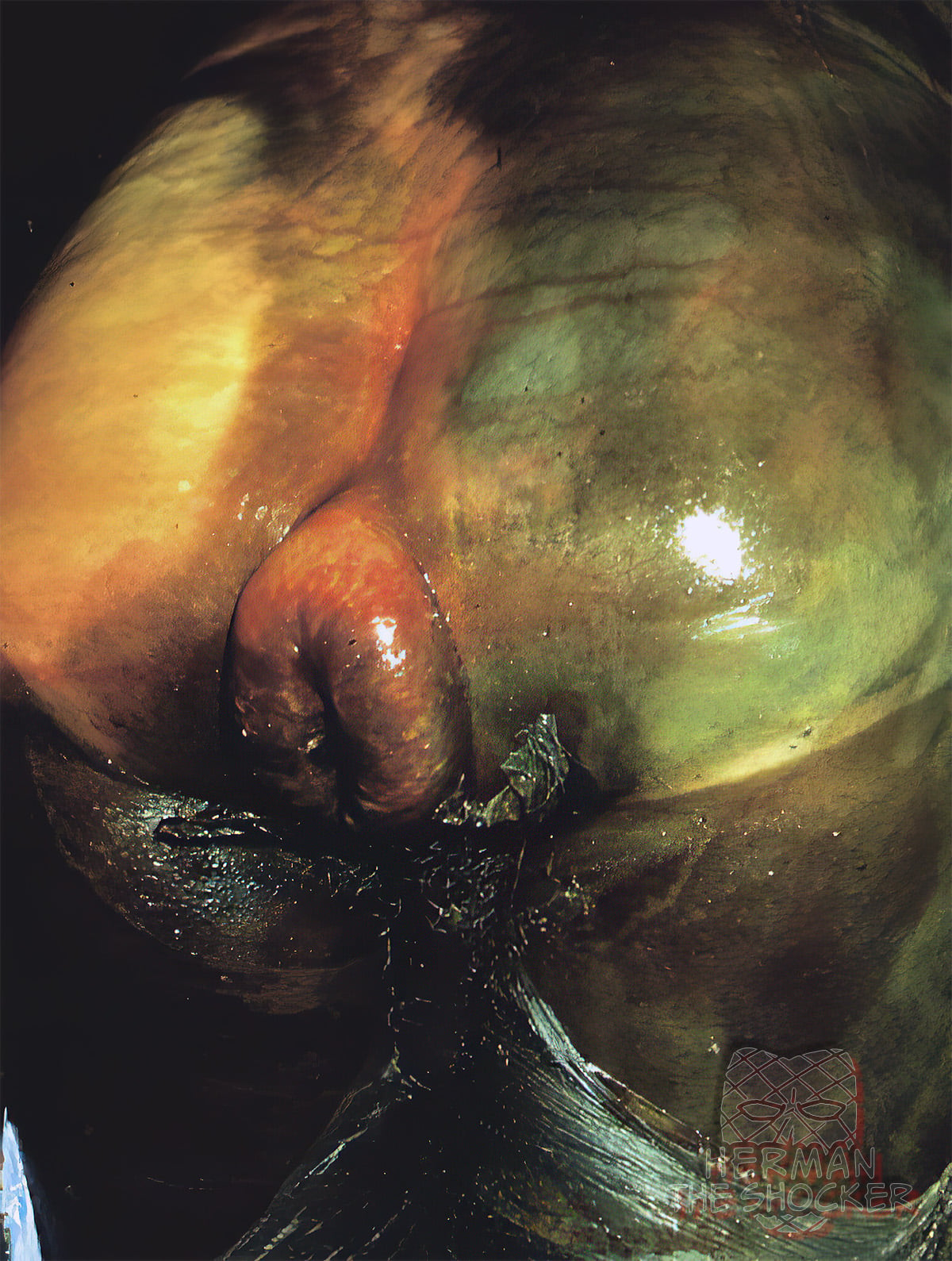 Fig7.1 Bloated anus. 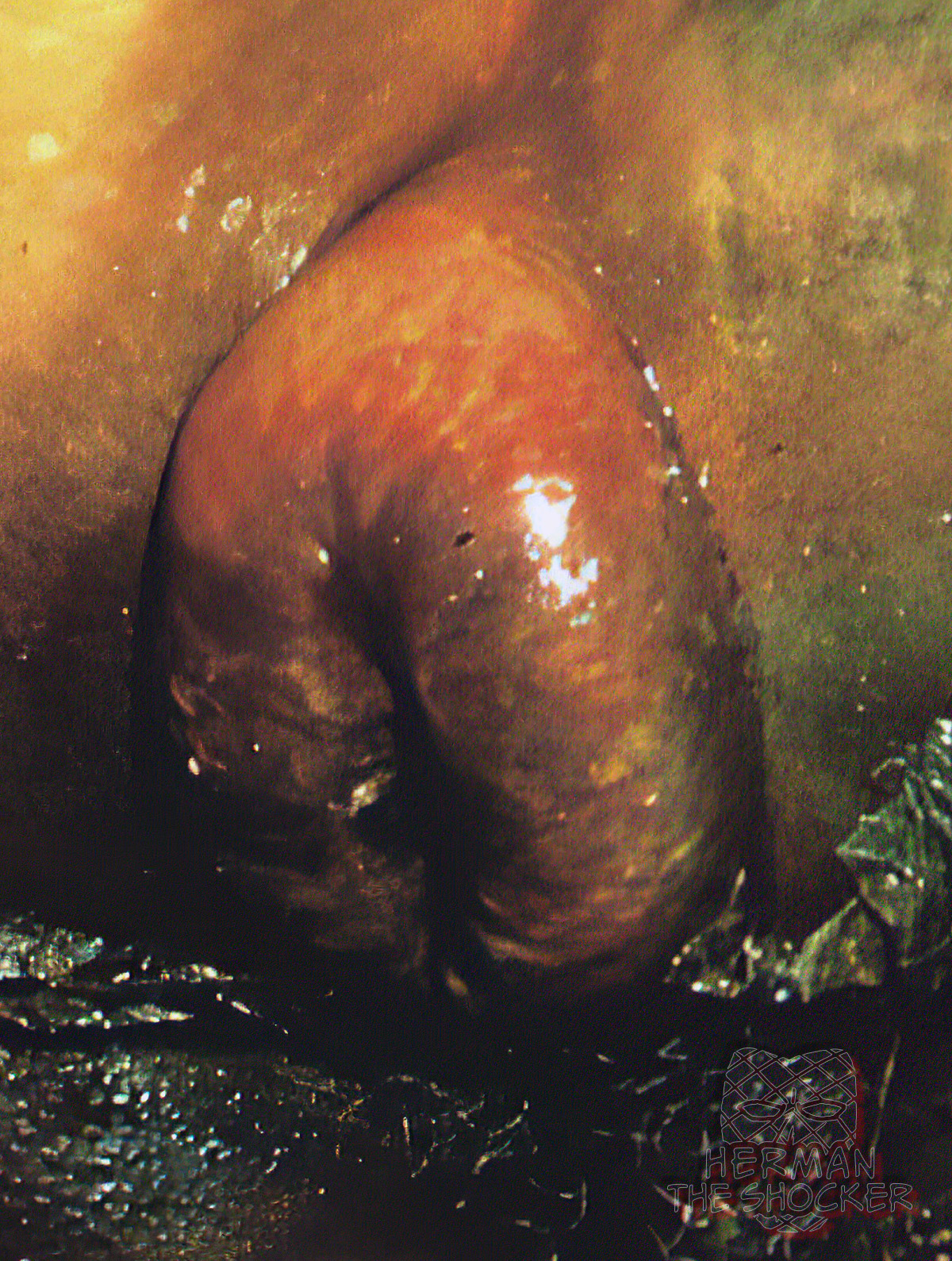 Fig7.2 Bloated anus x2 The early bloating stage of decomposition is accompanied by drainage of red-brown purge fluid from the nose, mouth, and anus. The perineum may swell, the uterine cervix and vaginal wall may prolapse in women, and rectal mucosa may prolapse in men and women. The bloated anus may resemble female external genitalia. Putrefaction begins immediately upon death and usually becomes noticeable within 24 hours. As soon as death occurs, the bacteria or microorganisms within the intestinal tract escape from the bowel into the other tissues of the body. As they grow, they begin to produce gases and other properties that distort and discolor the tissues of the body. The discoloration is a dark greenish combination of colors and is generally pronounced within 36 hours. As a result, the body begins to swell from the putrefactive gases, emitting an extremely repugnant odor. The chemicals produced as a result of putrefaction are cadaverine and putrescine, hydrogen sulfide and other sulfides, which generate a horrible smell. - - - This post is for educational purposes only and is nonprofit. Under Section 107 of the US Copyright Act of 1976; Allowance is made for "Fair Use" for purposes such as criticism, comment, news reporting, teaching, scholarship, and research. OP is not a medical expert. No copyright infringement intended. This post does not encourage or glorify violence/harassment. Images might have been upscaled and enhanced. Text might have been shortened and simplified/reorganized for online view. |
|
#2
●
08-13-2021, 05:10 PM
|
 ♚ Legacy Gold Member ♚ Poster Rank:28 ㅤㅤ真 Join Date: Apr 2021 Posts: 52,923 52,923Posts 52,853Thanked 41,105Quoted 372Mentioned 0Contrib. |
|
Re: The Shocker's Mix 5
well that was just lovely. ha. awesome. xD |
|
#3
●
08-13-2021, 06:08 PM
|
 My Rank: PRIVATE Poster Rank:14072 Join Date: Apr 2019 Posts: 7 7Posts 23Thanked 5Quoted 0Mentioned 0Contrib. |
|
Re: The Shocker's Mix 5
I enjoyed the prolapsed anus’ x2! ❤️ Are there photos of the fireman found dead in Cancun?
|
|
#4
●
08-13-2021, 06:51 PM
|
 My Rank: MASTER GUNNERY SERGEANT Poster Rank:362 Male Join Date: Mar 2017 Posts: 3,385 3,385Posts 8,735Thanked 1,843Quoted 10Mentioned 0Contrib. |
|
Re: The Shocker's Mix 5
Fifth one is pretty gnarly. Putrefaction does not mess around. |
|
#5
●
08-13-2021, 08:25 PM
|
 ★ Legacy Member ★ Poster Rank:252 So many choices now Join Date: Jul 2015 Posts: 5,542 5,542Posts 19,786Thanked 2,120Quoted 15Mentioned 0Contrib. |
|
Re: The Shocker's Mix 5
Herman- Thank you for figure 7.2. Supersized! Love me some bloated anus. It is a delicacy in the far east. Can I get that with noodles? |
|
#6
●
08-13-2021, 08:42 PM
|
| My Rank: MASTER GUNNERY SERGEANT Poster Rank:350 "IT"-Species; Genus-genius Join Date: Jan 2013 Posts: 3,611 3,611Posts 5,349Thanked 619Quoted 0Mentioned 0Contrib. |
|
Re: The Shocker's Mix 5
Pic #1 James Brown. “I feel good” We all knew Ol’ Onie ( sung by Johnny Cash), was an asshole but no wonder the woman’s eyeball popped out after seeing first hand how big of an asshole Ol’ Onie really was. |
|
#9
●
08-14-2021, 05:05 AM
|
 D.R.'s PM Casanova Poster Rank:27 ҍɘҍɘn Join Date: Feb 2017 Posts: 52,924
Contributions: 1
52,924Posts 39,118Thanked 31,834Quoted 167Mentioned 1Contrib. |
|
Re: The Shocker's Mix 5
this is a great mix, hermantheshocker. the skulls in case 1 and 3 look so cool. keep up the excellent work. |
|
#10
●
08-14-2021, 03:15 PM
|
 Für Immer Verloren Poster Rank:50 Boredom + Despair Join Date: Sep 2017 Posts: 30,197
Contributions: 743
30,197Posts 192,616Thanked 10,332Quoted 136Mentioned 743Contrib. |
|
Re: The Shocker's Mix 5
Excellent set of imagery. A little too gruesome for me, but fascinating nonetheless. Keep up the great work, mate.
__________________ "I'd give the world for the chance just to see your face again. Still I pretend that you're still standing by." |