|
#1
●
06-28-2021, 11:45 AM
|
 ♚ Legacy Gold Member ♚ Poster Rank:914 Join Date: Jul 2020 Posts: 820
Contributions: 13
820Posts 27,646Thanked 173Quoted 13Mentioned 13Contrib. |
|
The Shocker's Mix 3
Some of the stuff I work on doesn't make the cut so I thought about gathering them up in a single post. So basically it's images I have little or no info about or I've decided that they don't get their own thread, for example, because of low image/content quality, lack of backstory or additional info/knowledge, possibly uninteresting, only one image but not very special. I still do the usual image work including upscaling and color correction as needed, as I prefer to have my content high quality and educational. ------------------------ Case 1 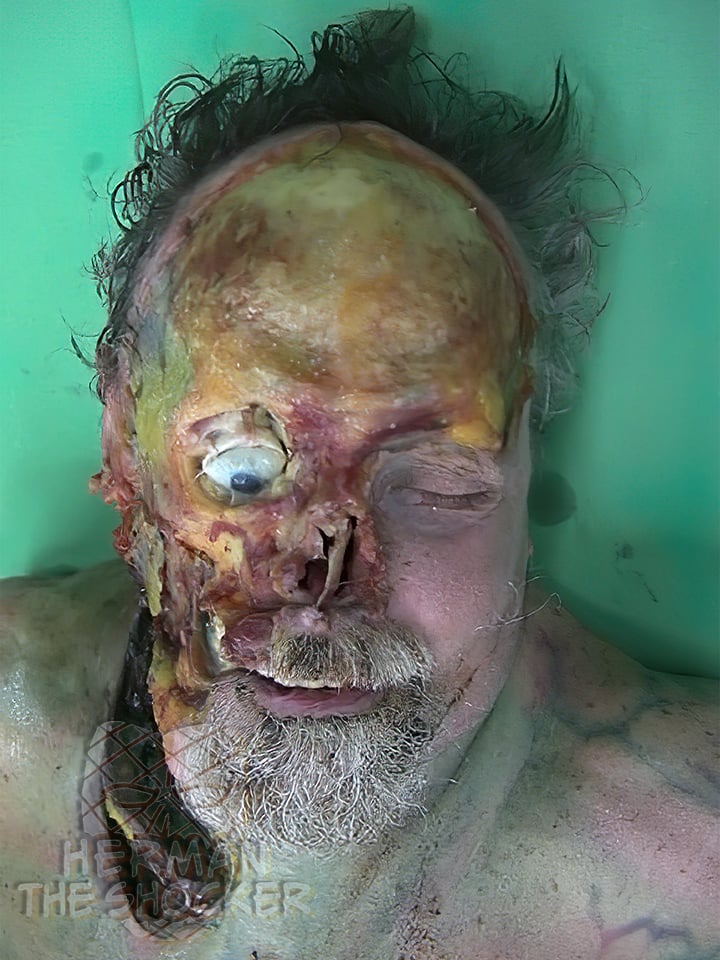 Fig 1.1 Postmortem injuries inflicted by a domestic dog. Postmortem animal depredation is a substantial part of the taphonomic processes a body undergoes after death. While the occurrence and presentation of such injuries are well known to forensic pathologists, the morphological appearance of these injuries may be misinterpreted by police officers or members of other investigating authorities. The individual in the image received the injuries postmortem by a domestic dog, cause of death unknown. No further info on the case. A broad range of carnivores can be involved in the postmortem destruction of corpses located in open spaces or indoors (e.g. wild animals such as foxes and big cats or domestic animals such as dogs and cats). The wound margins caused by carnivores often appear more regular than those caused by rodents and V-shaped or rhomboid punctured wounds are often seen upon the intact skin in the immediate vicinity to the actual wound margins. Such stab wound-like defects represent canine tooth marks of carnivore origin. An additional criterion for animal depredation by carnivores is the presence of claw-induced linear scratch-type abrasions in the vicinity of the damaged skin areas. ------------------------ Case 2 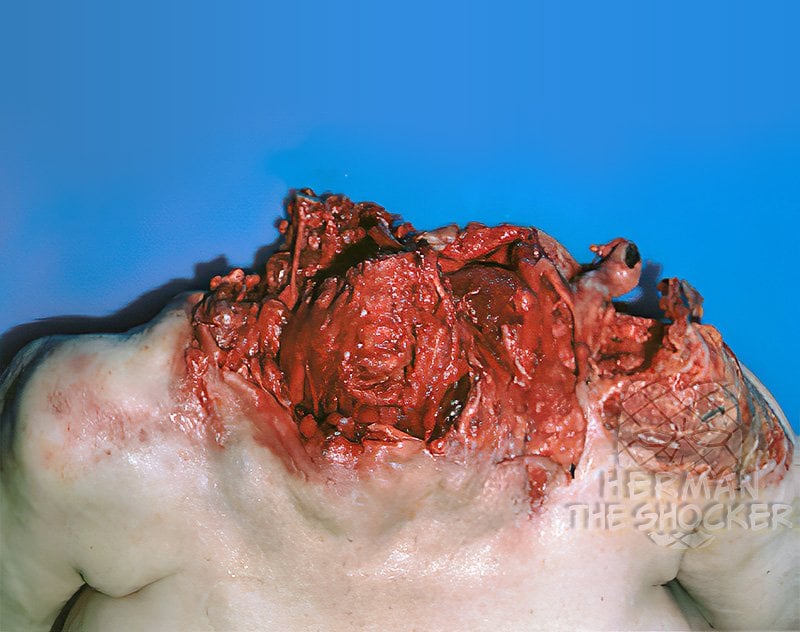 Fig 2.1 Decapitation by a train. No backstory. Railway injuries are not uncommon, especially in countries with many ‘level crossings’ (called ‘grade crossings’ in the USA), where a public road crosses a railway track with either no barrier at all or with only a flimsy lifting pole. Many vehicles are struck each year by passing locomotives. Few rail passengers are killed or injured in moving trains compared with accidents to railway staff and to other types of accident on railway property. Track workers may be run down and some die from electrocution from overhead cables. The pathology of all these is no different from accidents elsewhere, the interest lying in the occupational epidemiology and preventive aspects. A fairly common railway fatality is the suicide who lays himself in front of an approaching train. Decapitation is the most common injury and the obvious features are the local tissue destruction, usually with grease, rust or other dirt soiling of the damaged area. As well as lying down before a locomotive, another common method of suicide in large cities is to jump from the subway platform of an underground ‘tube’ or ‘metro’ system. Here injuries are sometimes complicated by high-voltage electrical lesions, as the typical traction voltage of an electric railway is in excess of 600 volts. ------------------------ Case 3  Fig 3.1 Extreme thermal burns and charring on a fire victim. Charred remains. The torso and head of this fire victim shows extreme thermal burns and charring. Since the individual is obviously burned beyond recognition, dental identification must be made. A forensic odontologist was used in consultation to assist in making the identification. No further info about this case. ------------------------ Case 4 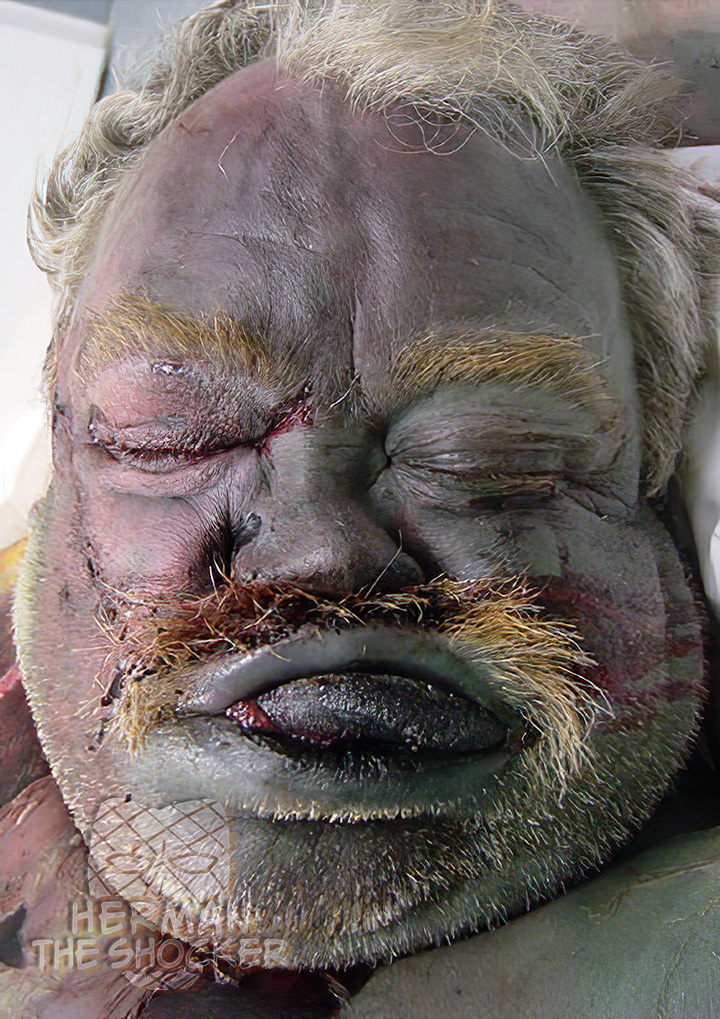 Fig 4.1 Protrusion of the tongue due to putrefactive gas formation and purging of putrefactive fluid from the nostrils. Postmortem protrusion of the tongue due to putrefactive gas formation and purging of putrefactive fluid from the nostrils. At the bloating stage, the microorganisms residing in the human gut begin to digest the tissues of the body, excreting gases that cause the torso and limbs to bloat, and producing foul-smelling chemicals including putrescine and cadaverine. The gases under the skin also causes the skin to turn green and black. Cells in tissues break down and release hydrolytic enzymes, and the top layer of skin may become loosened, leading to skin slippage. Decomposition of the gastrointestinal tract results in a dark, foul-smelling liquid called "purge fluid" that is forced out of the nose and mouth due to gas pressure in the intestine. The bloat stage is characterized by a shift in the bacterial population from aerobic to anaerobic bacterial species. ------------------------ Case 5 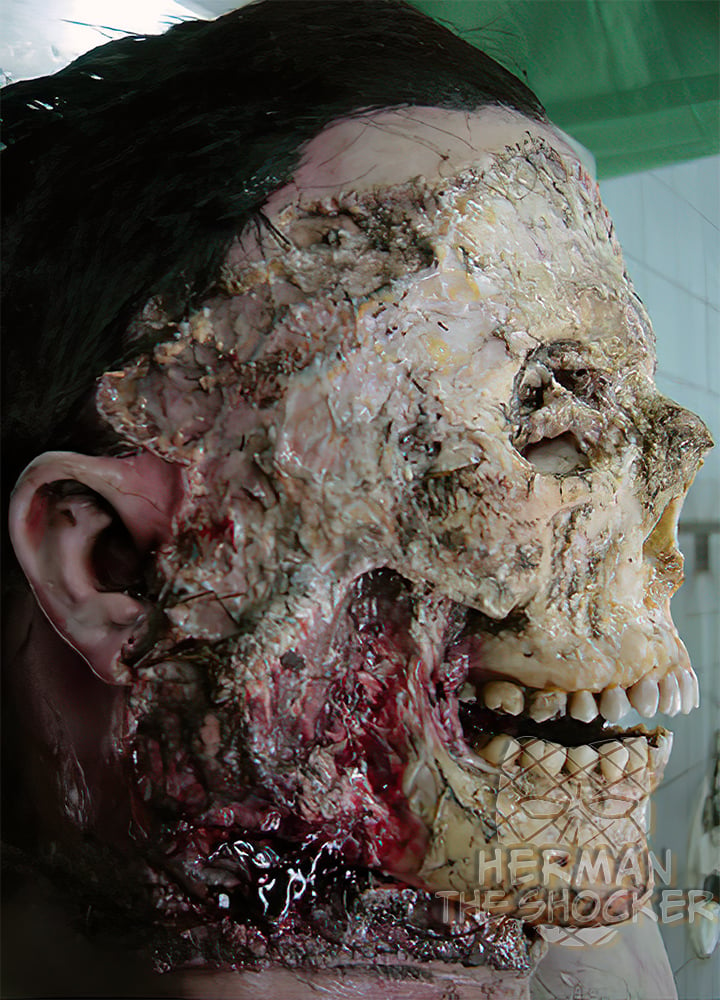 Fig 5.1 Postmortem facial injuries inflicted by rodents. The individual in the image received the injuries postmortem by rodents, cause of death unknown. No further info on the case. Apart from death scene routine and autopsy procedure, the investigation of cases of postmortem animal interference needs specific attention. While the identification of antemortem injury versus postmortem artifact generally presents no difficulties and a characteristic parallel series of furrows created by the animals incisors is indicative of rodent gnawing to bones, the determination of rodent species by the morphological appearance of damage to skin and soft tissue can be unconvincing. At first sight these injuries may be even misinterpreted as the result of a sharp-bladed instrument. However, the presence of fecal material of rodent origin at the scene, or rodent hair found in the nearby vicinity of the body, can give hints towards animal activity. ------------------------ Case 6 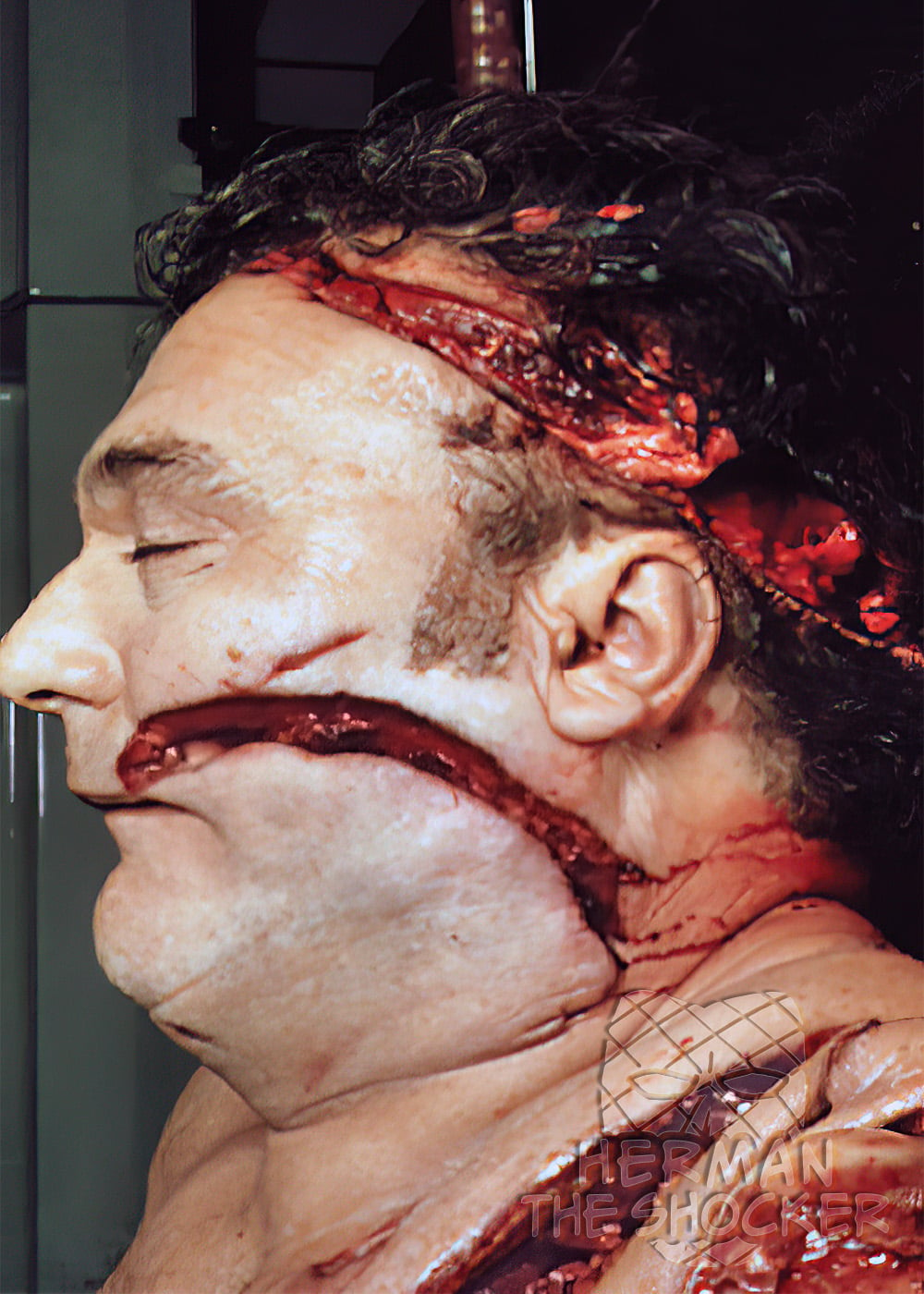 Fig 6.1 Propeller injuries. Propeller injuries resulting from nautical accidents can be fatal. According to a previous report, the frequency of propeller accidents is greater than one in every 20 boating accidents, and the fatality rate in propeller accidents is 15–23%. The sharp blades of propellers rotating at high speeds cause multiple and serious injuries such as deep lacerations, chop wounds, bone fractures, and mutilation of extremities. Most propeller injuries occur at water recreational facilities such as those with provision for water skiing, boat racing, skin and scuba diving. It is estimated that approximately 25% of the population of the United States participates in recreational boating activities in a given year. U.S. Coast Guard annual recreational boating safety reports (2001 to 2006) indicate 28 to 47 people are killed annually by “struck by boat motor or propeller” accidents in the United States. The same reports include about 185 to 265 accidents reported to the U.S. Coast Guard annually as boat motor or propeller strikes. The Coast Guard is fairly certain the fatality numbers are accurate, but admits many boating accidents in general are not reported. They do not provide an estimate the percentage of propeller accidents going unreported. ------------------------ Case 7 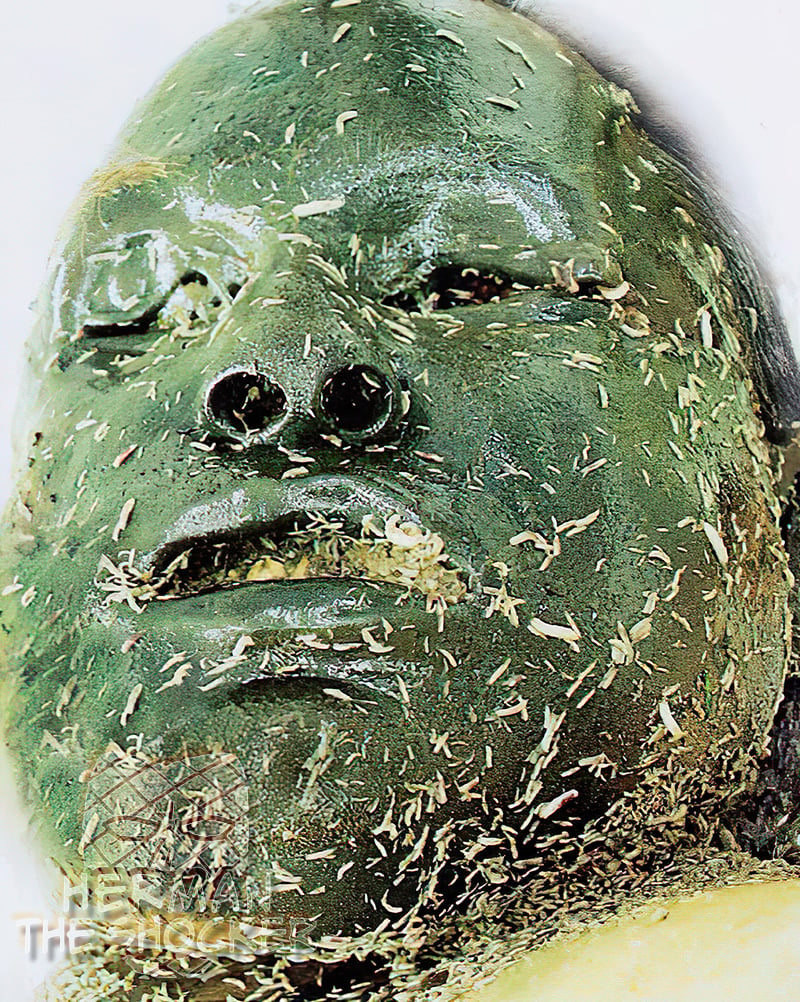 Fig 7.1 Putrefaction changes on the face and maggot infestation. Putrefaction emphysema causes green discoloration to the skin. 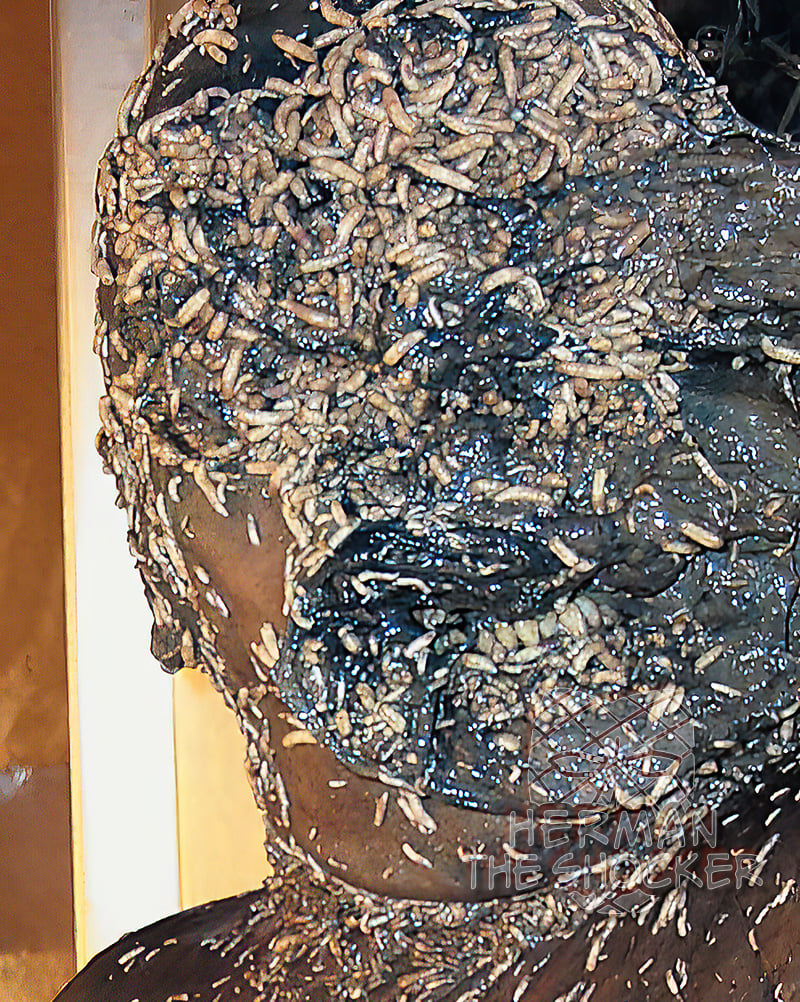 Fig 7.2 Almost complete destruction of the facial soft tissues by maggots. Postmortem time about 2 weeks in a centrally heated apartment. Maggots cause most of the body's decomposition because the maggot will do the majority of the eating. Maggots have powerful proteolytic enzymes that aid the dissolution of tissues and facilitate penetration. The maggots are voracious and energetic, first exploring the natural passages, such as mouth and nostrils, then burrowing into the tissues. They secrete digestive fluids with proteolytic enzymes that help soften the tissues, burrowing beneath the skin, and making tunnels and sinuses that hasten putrefaction by admitting air and access to external micro-organisms. Successive waves of eggs are laid, producing new generations of maggots. Eventually, loss of tissue and drying makes the host cadaver unattractive to egg-laying insects, and the later stages of decomposition become free from maggots. ------------------------ Case 8 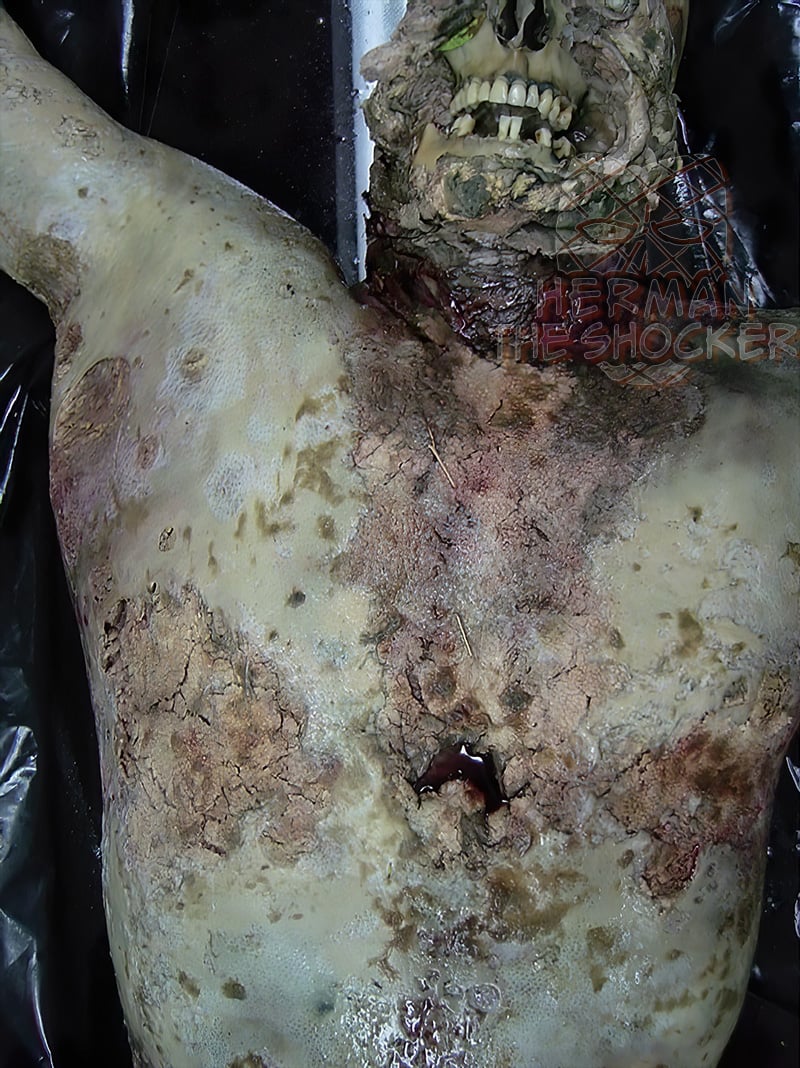 Fig 8.1 Adipocere formation in a body recovered from water. Adipocere, also known as corpse wax, grave wax or mortuary wax, is a wax-like organic substance formed by the anaerobic bacterial hydrolysis of fat in tissue, such as body fat in corpses. In its formation, putrefaction is replaced by a permanent firm cast of fatty tissues, internal organs, and the face. The transformation of fats into adipocere occurs best in an environment that has high levels of moisture and an absence of oxygen, such as in wet ground or mud at the bottom of a lake or a sealed casket, and it can occur with both embalmed and untreated bodies. Adipocere formation begins within a month of death, and, in the absence of air, it can persist for centuries. - This post is for educational purposes only and is nonprofit. Under Section 107 of the US Copyright Act of 1976; Allowance is made for "Fair Use" for purposes such as criticism, comment, news reporting, teaching, scholarship, and research. OP is not a medical expert. No copyright infringement intended. This post does not encourage or glorify violence/harassment. Images might have been upscaled and enhanced. Text might have been shortened and simplified/reorganized for online view. |
|
#2
●
06-28-2021, 02:52 PM
|
| My Rank: SERGEANT Poster Rank:1173 Join Date: Apr 2016 Posts: 547 547Posts 1,221Thanked 107Quoted 0Mentioned 0Contrib. |
|
Re: The Shocker's Mix 3
So much can still happen to us after the power goes out. Stuff we'd be well out of it to want to know. A great selection, thank you.
|
|
#3
●
06-28-2021, 08:41 PM
|
 ♚ Legacy Gold Member ♚ Poster Rank:28 ㅤㅤ真 Join Date: Apr 2021 Posts: 52,923 52,923Posts 52,853Thanked 41,105Quoted 372Mentioned 0Contrib. |
|
Re: The Shocker's Mix 3
I cant tell what it is I'm looking at with #3. is it a person's face? with that pink/white/yellow stuff at the top being the person's brain? my eyes are struggling. |
|
#4
●
06-28-2021, 10:35 PM
|
 ★ Legacy Member ★ Poster Rank:325 Female Join Date: Jul 2009 Posts: 3,997 3,997Posts 2,888Thanked 6Quoted 2Mentioned 0Contrib. |
|
Re: The Shocker's Mix 3
That is exactly what you are seeing.  If you look closely you can see teeth, and the muscle of the shoulder under the char on the left. |
|
#6
●
06-29-2021, 04:07 AM
|
 ♚ Legacy Gold Member ♚ Poster Rank:199 Female Join Date: Nov 2009 Posts: 7,749 7,749Posts 11,993Thanked 709Quoted 5Mentioned 0Contrib. |
|
Re: The Shocker's Mix 3
Case 7. THAT is the colour my mother was the day after death. Sans maggots. I never understood why. Herman I’m loving these posts. |
|
#7
●
06-29-2021, 08:29 AM
|
| My Rank: MASTER GUNNERY SERGEANT Poster Rank:350 "IT"-Species; Genus-genius Join Date: Jan 2013 Posts: 3,611 3,611Posts 5,349Thanked 619Quoted 0Mentioned 0Contrib. |
|
Re: The Shocker's Mix 3
Herman your selfies are old, moldy, maggoty, rotten, stinking and downright disgusting. Please go quietly sit in the corner and dig out some more goodies from your treasure chest. |