|
#1
●
06-21-2021, 04:35 PM
|
 ♚ Legacy Gold Member ♚ Poster Rank:914 Join Date: Jul 2020 Posts: 820
Contributions: 13
820Posts 27,645Thanked 173Quoted 13Mentioned 13Contrib. |
|
The Shocker's Mix 2
Some of the stuff I work on doesn't make the cut so I thought about gathering them up in a single post. So basically it's images I have little or no info about or I've decided that they don't get their own thread, for example, because of low image/content quality, lack of backstory or additional info/knowledge, possibly uninteresting, only one image but not very special. I still do the usual image work including upscaling and color correction as needed, as I prefer to have my content high quality and educational. I'm sure I'll do more of these occasionally. Some of the images are probably already here. ------------------------ Case 1 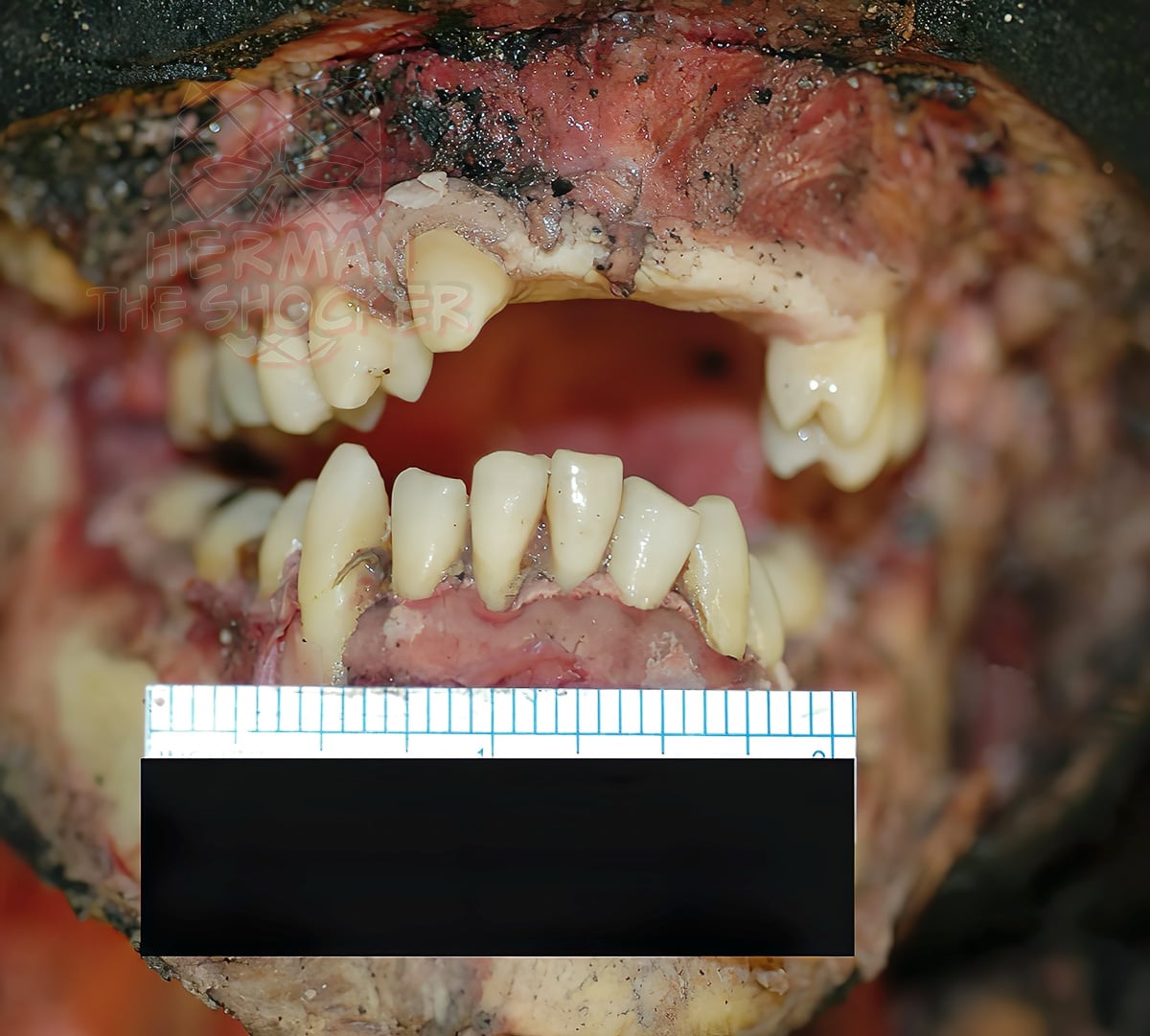 Fig 1.1 Postmortem examination of the teeth of a badly burned body. Postmortem examination of the teeth of a badly burned body, in order to assist in the positive identification of the decedent. The soft tissues of the face (lips and cheeks) have been cut away in order to maximize the visibility of the teeth. Because the destruction of burned victims of the third, fourth, and fifth categories is extensive, remains cannot be identified by common methods. In these cases, forensic odontologists are called in to assist the identification by comparing the postmortem records of the burned, charred, or incinerated individual teeth with the antemortem dental clinical history. Dental identification is very vital tool because teeth may be the only body part that remains intact. Teeth are the hardest substance in the body and can endure extremely adverse conditions, including high temperatures up to 1600°C (2912°F). Teeth are the components of the body that often survive severe fires because of their highly resistant composition and they are protected by the soft and hard tissues of the face and other materials. ------------------------ Case 2 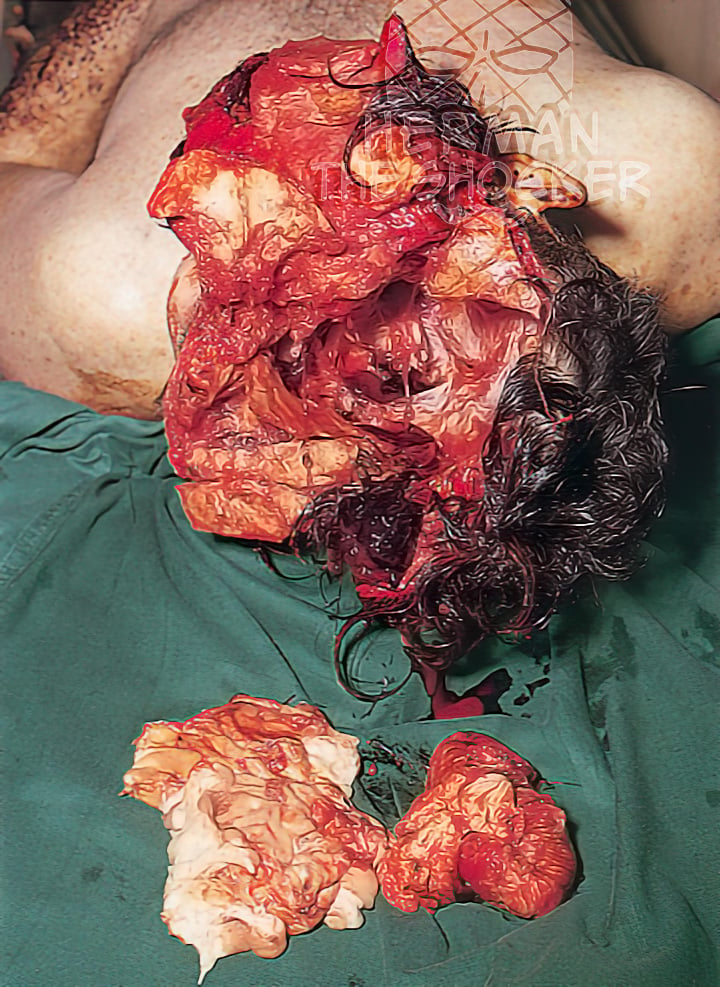 Fig 2.1 Complete disruption of the cranium following suicidal discharge of a shotgun in the mouth. Shotguns are popular world wide and more of these weapons exist than the rifled types. With an increasing incidence and prevalence of gunshot wounds it is important for traumatologists to be familiar with shotgun wound ballistics. Shotgun wounds differ from those of other missiles because the spectrum of wound severity is large owing to the fact that the pellets scatter as they travel. Close-range shotgun wounds can be as destructive as those from a high-velocity rifle, but longer weapon-victim ranges may produce only minimal injury. The type of shot (size and weight of pellets) used also determines the type of injury, with more serious injuries produced by the larger type of buckshot (greater than 0.14 inches in diameter). The severity of injury from birdshot depends mainly on the "effective" weapon-victim range which can be calculated from the shot size and shot pattern either clinically or from X-ray. Wounds may then be classified according to severity, yielding information on prognosis and extent of investigation and treatment required. ------------------------ Case 3 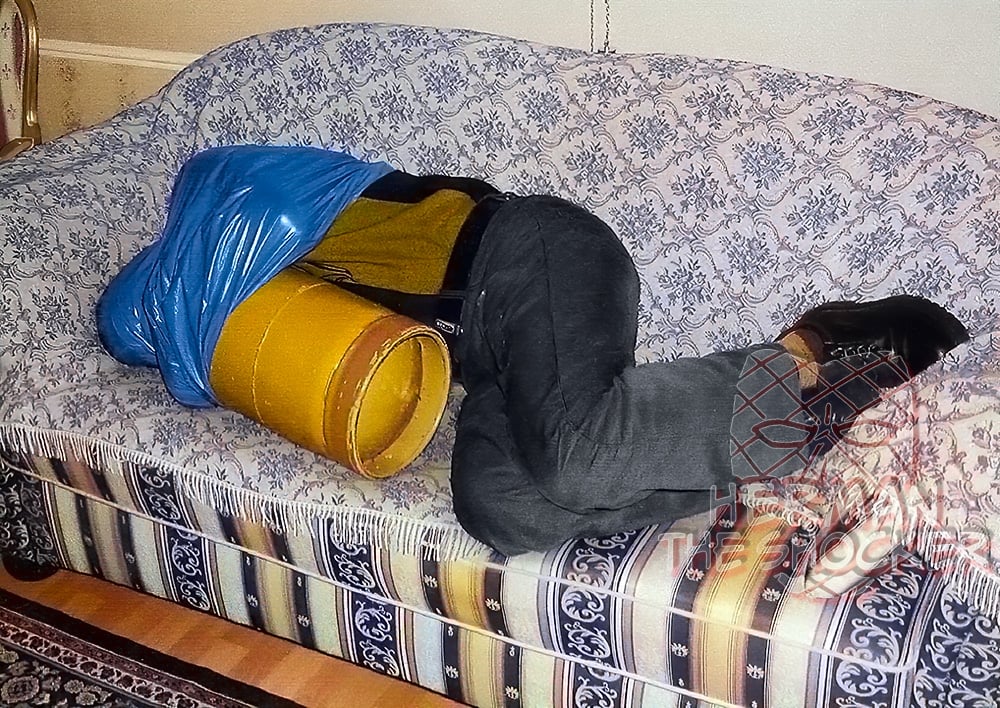 Fig 3.1 The body at the scene. Decedent lying on his right side, covered with a blue plastic bag; below the bag also the upper part of 5-L propane/butane gas bottle. Colorized by OP. 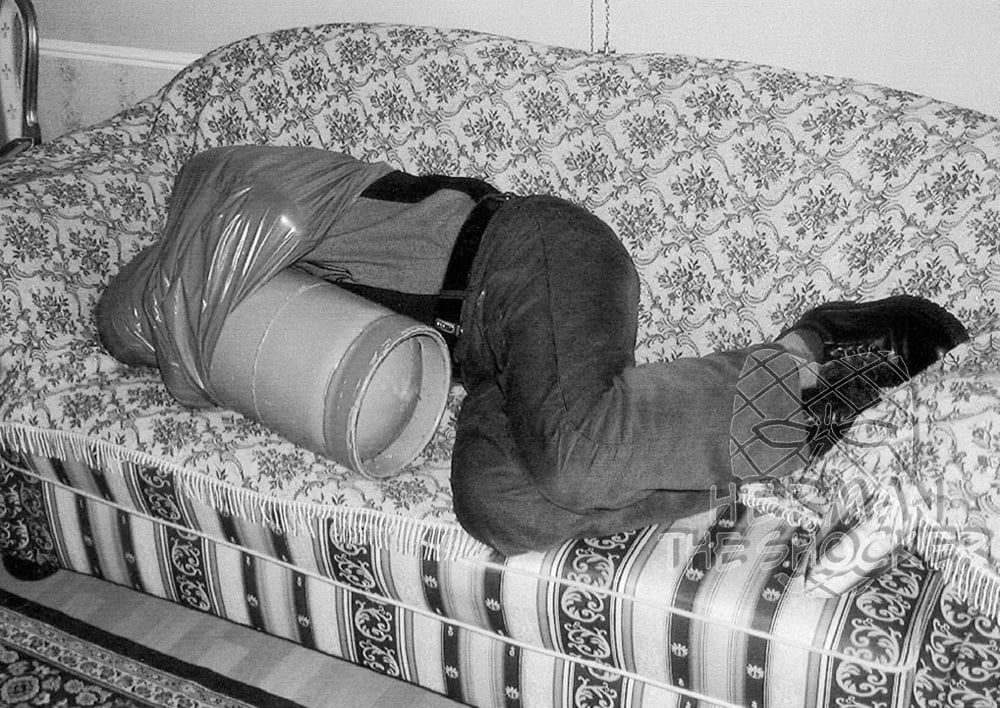 Fig 3.2 Original black and white image. A 30-year-old male was found fully dressed lying on his right side on his sofa in his flat. He had put a blue plastic bag over his head and upper part of the body. Close to his upper part of the body, a 5-L propane/butane gas bottle was found, the upper part of the bottle under the plastic bag. In the past, there had been severe arguments with his wife, as he had started relationships and sexual contacts with other men. However, in the basement, a rope was found at the stairway, from which it was concluded that the decedent had intended to commit suicide by hanging primarily. Signs of progressive decomposition, especially head and arms, were present; there were no signs of external force in the skin of the neck region. There were no signs of external violence or underlying internal disease. Propane-butane mixture, i.e. liquified petroleum gas leads to the depletion of oxygen in the air consequently causing hypoxia and anoxia, and therefore, unconsciousness and eventual death. The mechanisms of death in cases of volatile inhalation include cardiac arrhythmias, reflex cardiac vagal inhibition, and/or central nervous system depression. Similar mechanisms occur in cases of asphyxiation with a plastic bag. ------------------------ Case 4 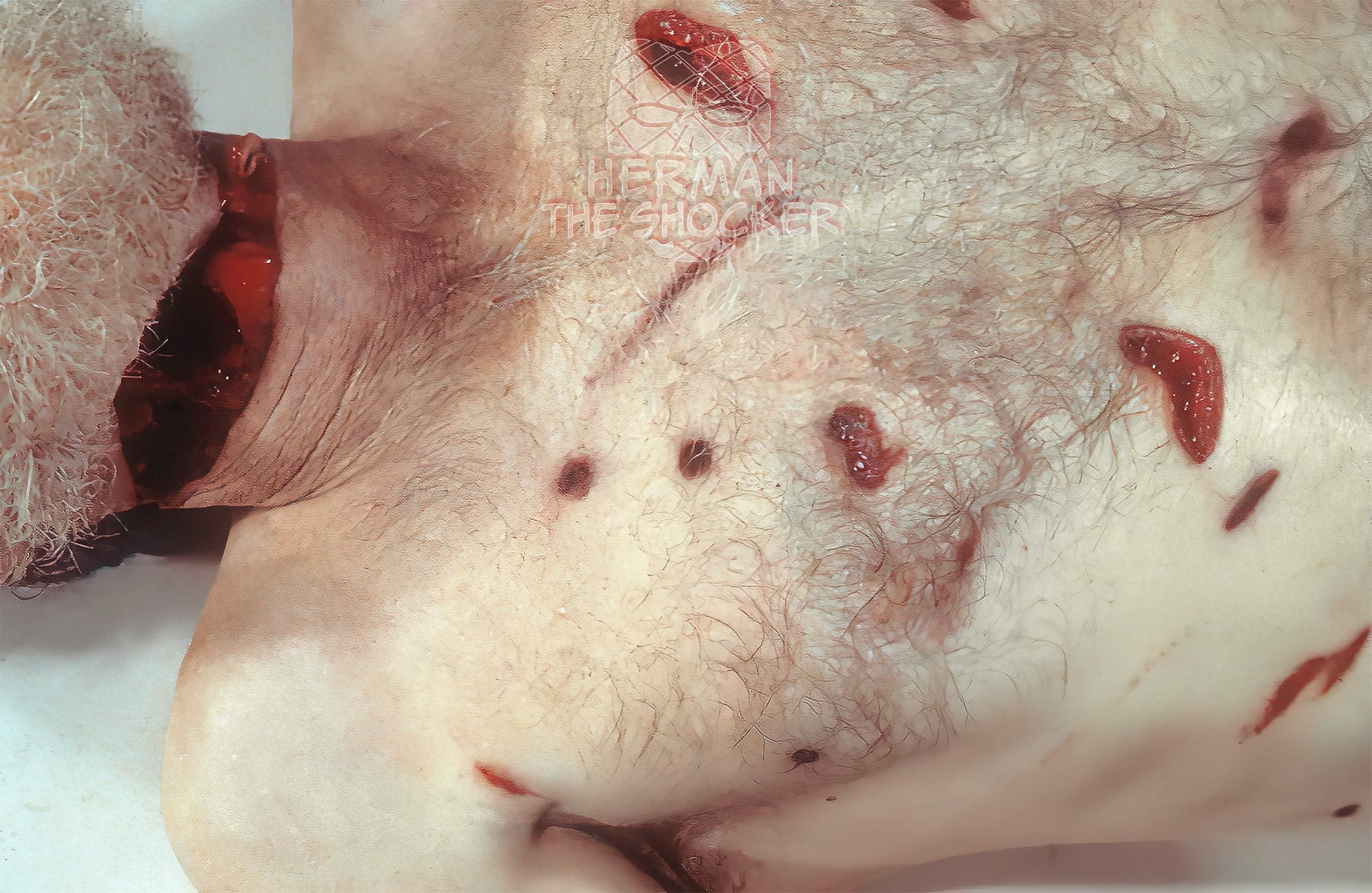 Fig 4.1 Blunt force, sharp force, and gunshot wounds on a victim. The external examination is a very important part of a forensic autopsy. In some cases, particularly in homicide cases with multiple injuries, the external examination requires much more time than the internal examination. In the example shown, a case with multiple injuries, including blunt force, sharp force, and gunshot wounds, the external examination took several hours to complete. No further info. The post mortem external examination is the final service that a physician can render to a patient. Its purpose is not just to establish medical diagnoses, but to provide facts in the service of the judicial process and the public interest. Its main tasks are the definitive ascertainment of death, determination of the cause of death and assessment of the manner of death. ------------------------ Case 5 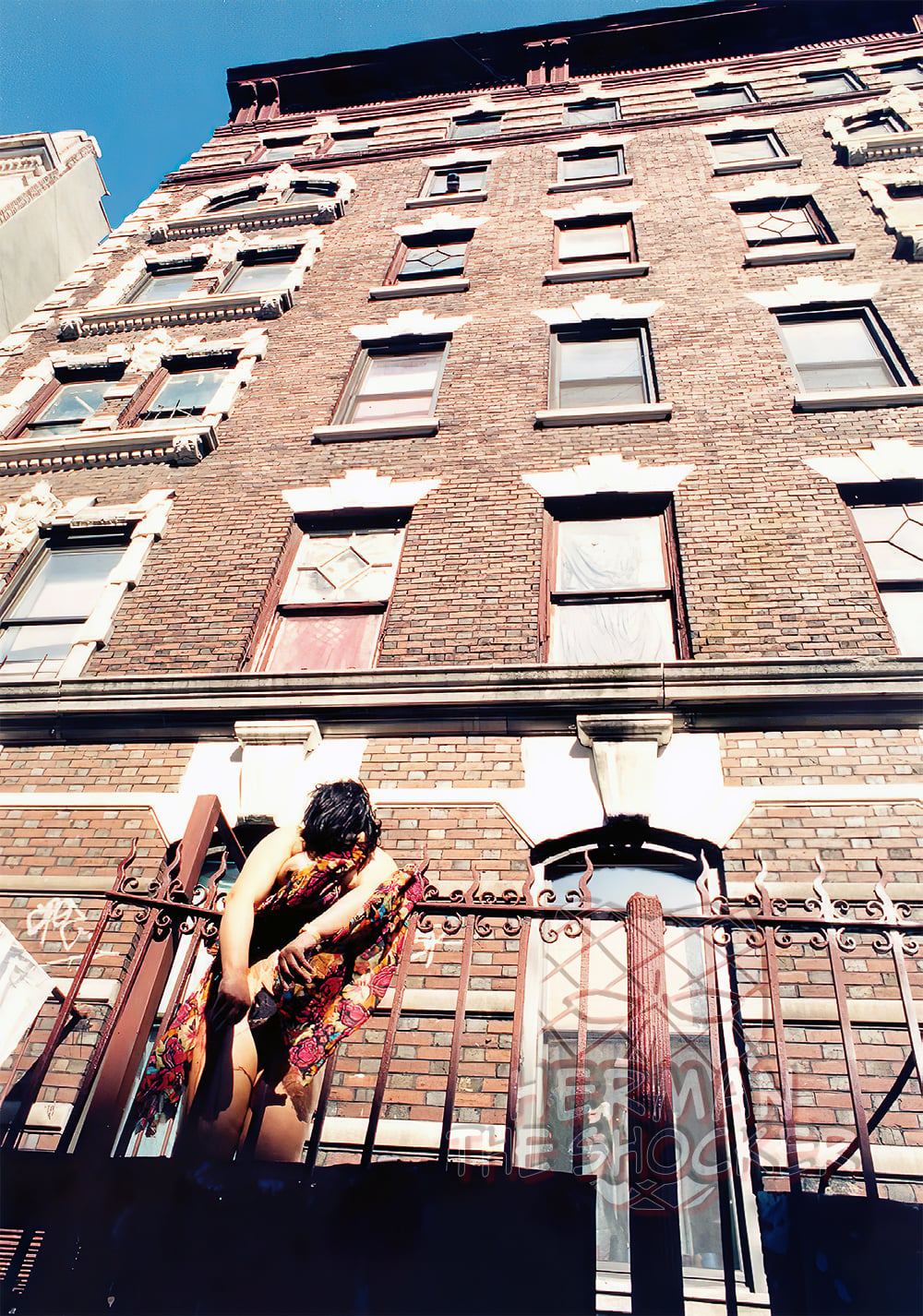 Fig 5.1 Body impaled on a wrought iron fence.  Fig 5.2 Is that a tit? Image from NYPD Crime Scene Unit. In this case a person's body had become fatally impaled on a wrought iron fence, no further info, maybe a woman? The first officer should direct his attention to isolating the body and the immediate surroundings. At this stage of the investigation this case could be a homicide, suicide, or accident. The first officer must establish a crime scene for the responding detectives and isolate the body from the onlookers. ------------------------ Case 6 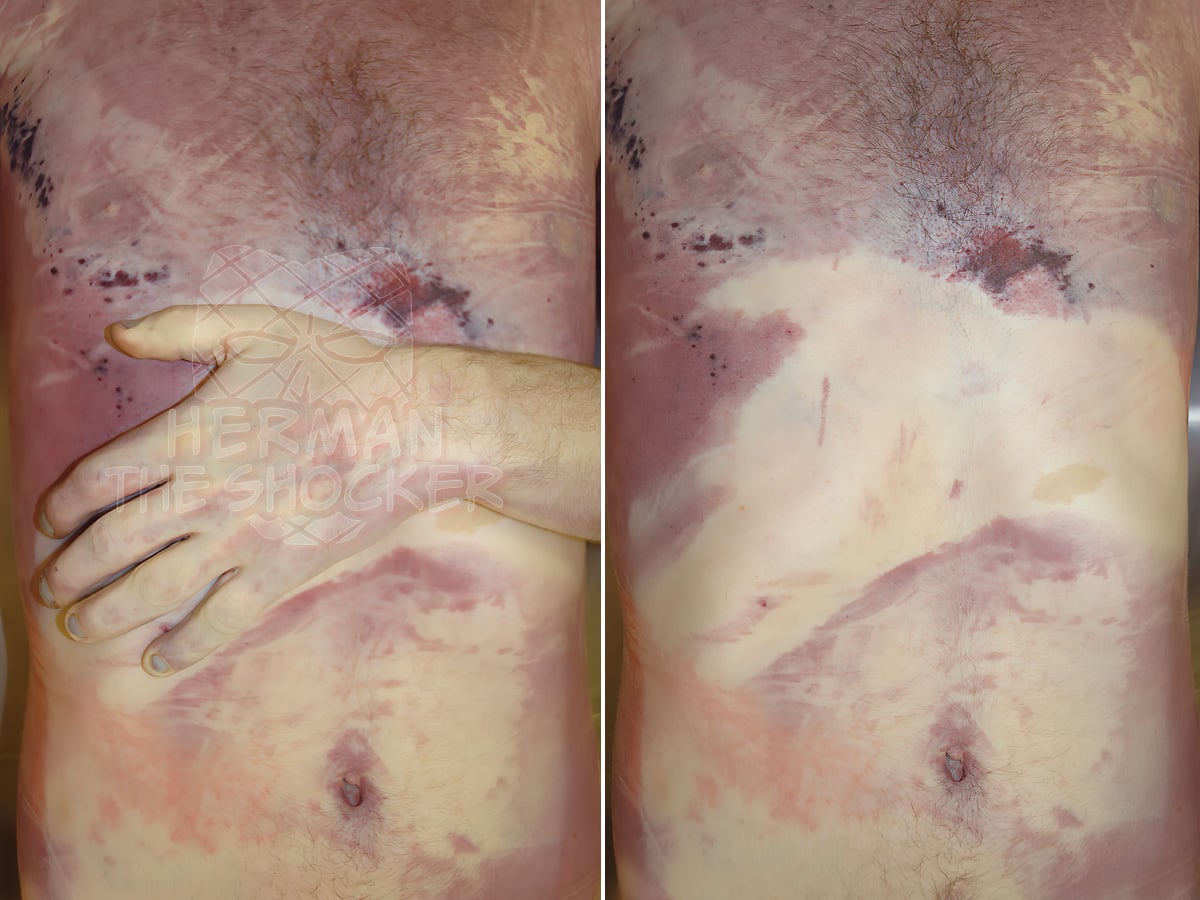 Fig 6.1 This man died facedown, lying atop his hand. Note how the blanched area corresponds to his hand. (Who sees a dog?) 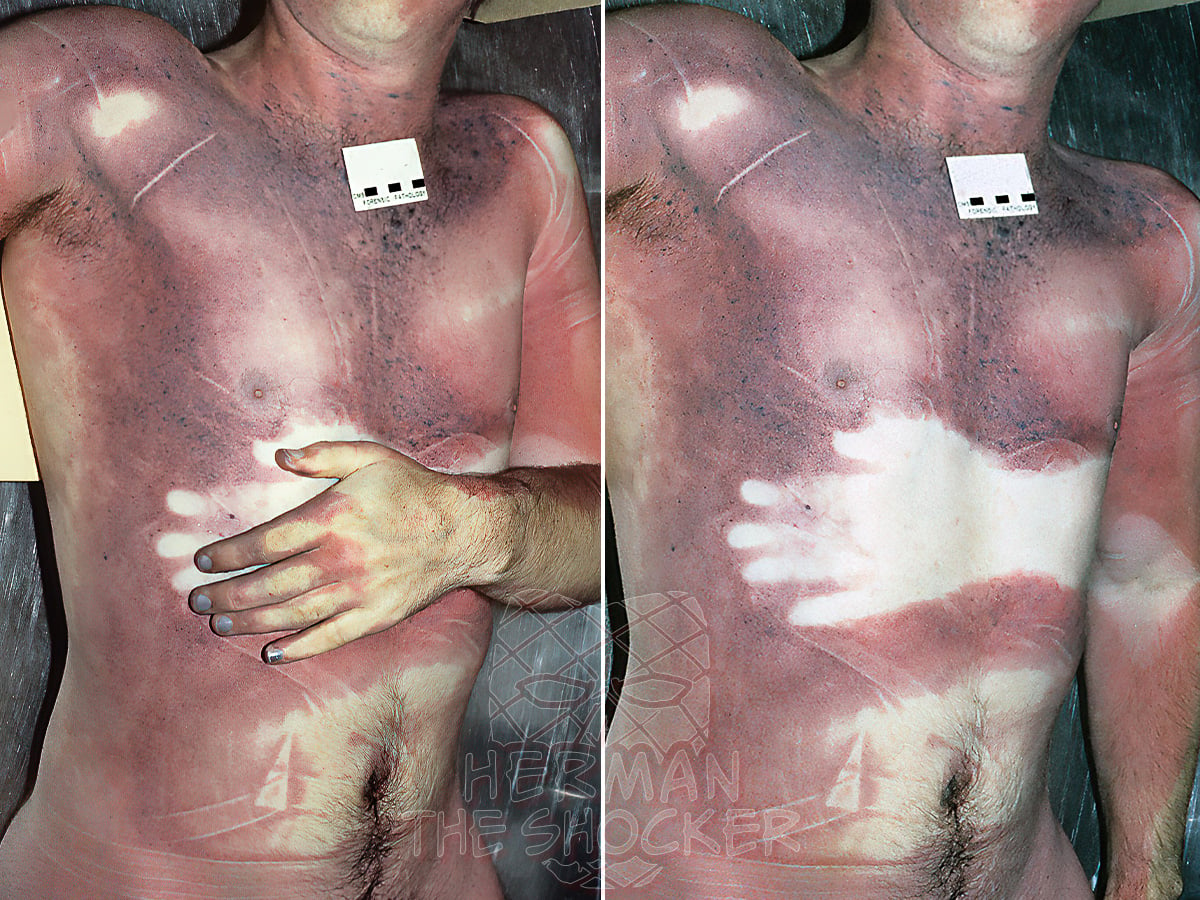 Fig 6.2 Young male who died facedown, demonstrating blanching of the skin under the hand due to compression of small vessels that prevented the accumulation of blood. Livor mortis, lividity or dependent hypostasis refers to settling of blood to the dependent parts (those closest to the ground) of the body following death. This occurs when the circulation stops and the blood settles in vessels under the effect of gravity and can be seen as pink or purple congestion of the skin. It will not occur if there is pressure on a vessel, for example if the body is lying on a hard surface, or on a hand or other object. Lividity becomes evident within several hours of death and can be ‘‘blanched’’ early in the process when pressure is applied. Later, after 8–12 h or so, it becomes ‘‘fixed’’ and will not blanch under pressure. The location and color of livor mortis can sometimes provide valuable information in a death investigation. ------------------------ Case 7 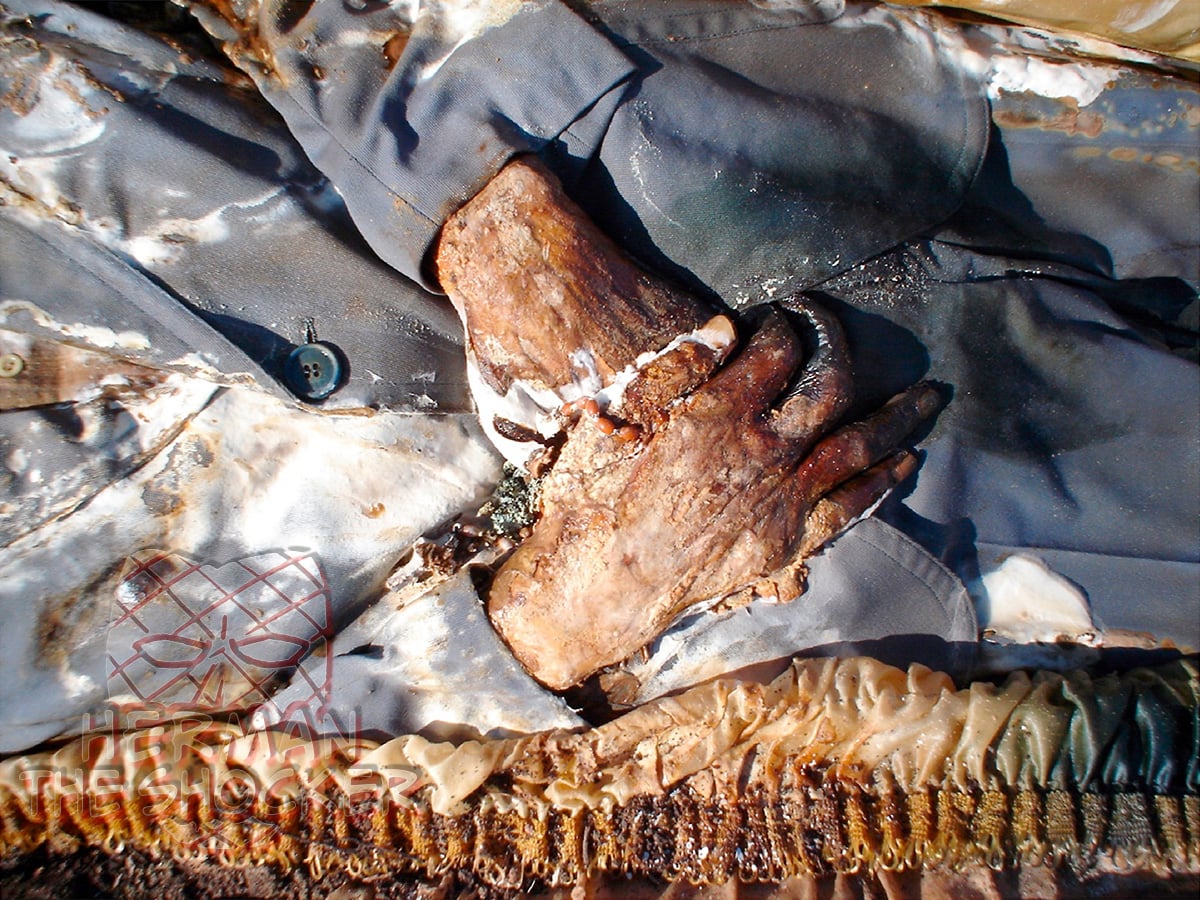 Fig 7.1 Particular of adipocere of the hands of a body of an adult male, exhumed from a double coffin buried in a cemetery ground of the North of Italy. ------------------------ Case 8 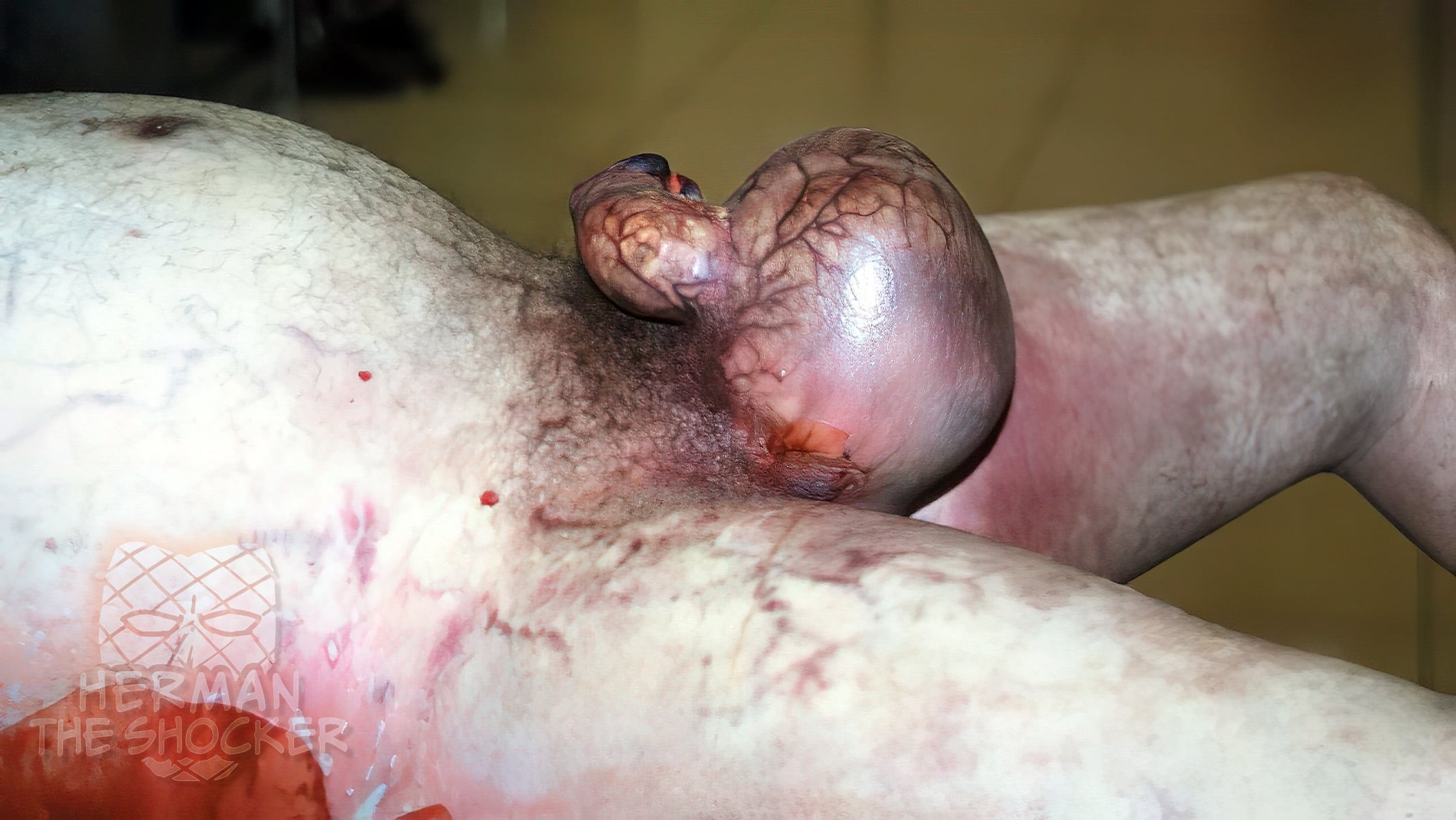 Fig 8.1 Gaseous distension of scrotum and abdomen. 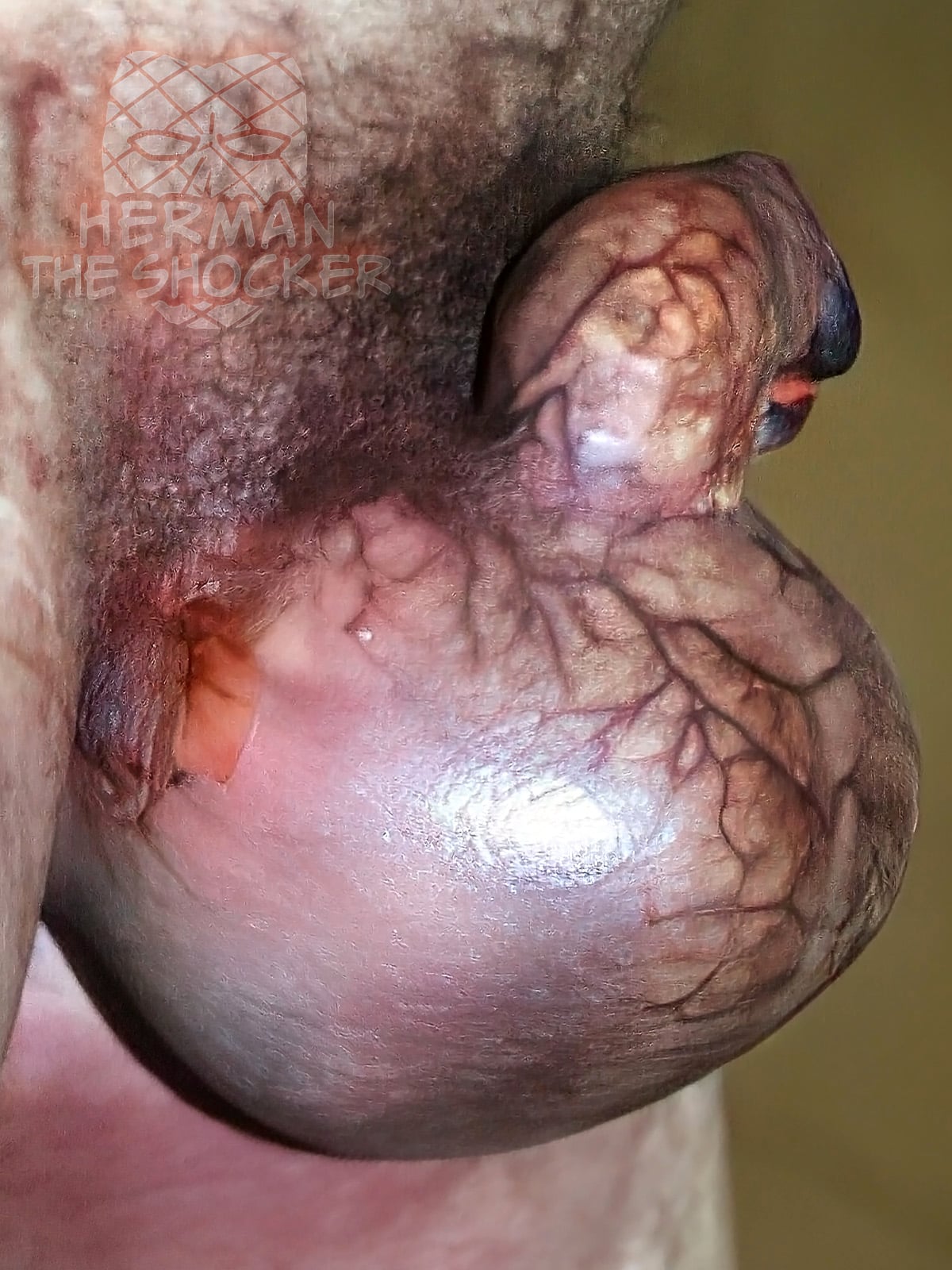 Fig 8.2 Did someone say "I want to see a closeup"? Moderately early changes of decomposition, showing gaseous distension of scrotum and abdomen, and skin slippage and blistering in dependent areas. This was after about one week since death, but the changes vary greatly with environmental temperatures. Usually the first external naked-eye sign of putrefaction is discoloration of the lower abdominal wall, most often in the right iliac fossa where the bacteria-laden caecum lies fairly superficially. Direct spread of organisms from the bowel into the tissues of the abdominal wall breaks down haemoglobin into sulphaemoglobin and other pigmented substances. This discoloration spreads progressively over the abdomen, which in the later phase begins to become distended with gas. At about this time, more generalized spread of bacteria begins to discolour the more moist tissues. The putrefactive bacteria, which largely originate in the intestines and lungs, spread most easily in fluid so they tend to colonize the venous system, haemolysing the blood that stains the vessel walls and adjacent tissues. This gives rise to ‘marbling’, a branching outline of arborescent red, then greenish pattern in the skin, seen most clearly on the thighs, sides of the abdomen, and chest and shoulders. At or even before the stage of marbling, skin blisters may appear, at first on the lower surfaces of trunk and thighs where hypostatic oedema has loaded the tissues with fluid. Gas formation will now become marked, with increased tension in the abdomen. The scrotum and penis may swell up to remarkable size and the neck and face will become grotesquely bloated, making visual identification difficult or impossible. The pressure may cause the eye globes and tongue to protrude. Purging of urine and faeces may occur due to the intra-abdominal pressure and, occasionally, a uterine prolapse may be extruded. There are recorded instances of pregnant women having a macabre post-mortem ‘delivery’ of the fetus, from the same cause. ------------------------ Case 9 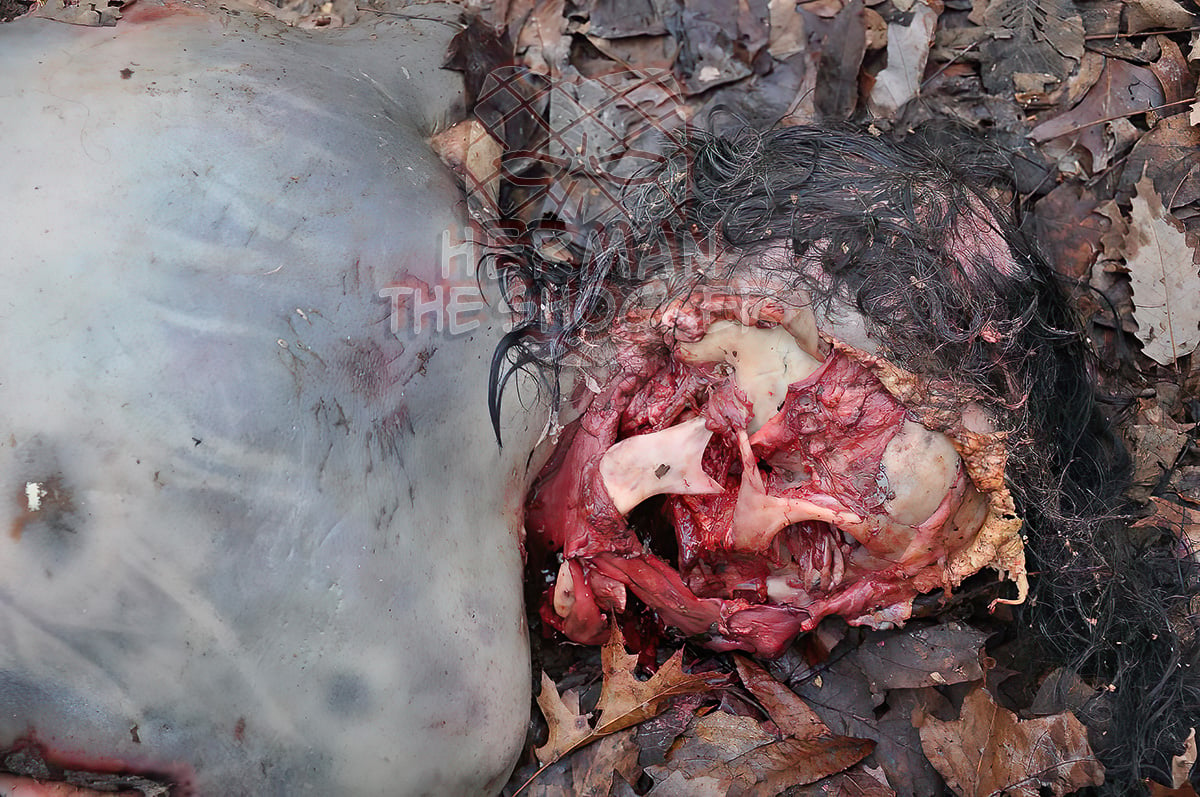 Fig 9.1 Raccoon takes a bite of a human corpse at body farm. - This post is for educational purposes only and is nonprofit. Under Section 107 of the US Copyright Act of 1976; Allowance is made for "Fair Use" for purposes such as criticism, comment, news reporting, teaching, scholarship, and research. OP is not a medical expert. No copyright infringement intended. This post does not encourage or glorify violence/harassment. Images might have been upscaled and enhanced. Text might have been shortened and simplified/reorganized for online view. |
|
#2
●
06-21-2021, 08:32 PM
|
| So Fucking Banned Poster Rank:302 Join Date: Mar 2010 Posts: 4,310
Contributions: 1
4,310Posts 16,895Thanked 1,445Quoted 2Mentioned 1Contrib. |
|
Re: The Shocker's Mix 2
Re: Case 1. Is there a regional or national database of dental records? How would officials know where to search for dental records? Do they go to every local dentist in the area of the incident to get records, or is there some other methodology? |
|
#3
●
06-21-2021, 09:26 PM
|
| My Rank: PRIVATE Poster Rank:9256 Join Date: Aug 2015 Posts: 17 17Posts 19Thanked 9Quoted 0Mentioned 0Contrib. |
|
Re: The Shocker's Mix 2
"Image from NYPD Crime Scene Unit. In this case a person's body had become fatally impaled on a wrought iron fence, no further info, maybe a woman? " You can clearly see a female breast poking out. |
|
#4
●
06-21-2021, 09:36 PM
|
| So Fucking Banned Poster Rank:195 geemonster is a NONCE Join Date: Oct 2009 Posts: 7,801 7,801Posts 4,516Thanked 3,583Quoted 14Mentioned 0Contrib. |
|
Re: The Shocker's Mix 2
Thank you Hermann...I enjoyed this thread very much.
|
|
#5
●
06-21-2021, 10:08 PM
|
 ♚ Legacy Gold Member ♚ Poster Rank:373 girlie girl Join Date: Sep 2011 Posts: 3,200 3,200Posts 3,172Thanked 343Quoted 13Mentioned 0Contrib. |
|
Re: The Shocker's Mix 2
what *appears* to be female may not actually be a female.
__________________ nobody loves me. nobody cares. |
|
#7
●
06-22-2021, 12:24 AM
|
 My Rank: LANCE CORPORAL Poster Rank:1833 Male but Gay and if someone Hate´s me: Excuse me ich havent Choose it freely. Join Date: May 2017 Posts: 282 282Posts 531Thanked 80Quoted 1Mentioned 0Contrib. |
|
Re: The Shocker's Mix 2
No but they can Extract DNA from the Mark of the Teeth and they can say who this Person is when they goe thrue missing cases or Persons whos DNA is saved. Only the Persons Dentist (the Pics of the Teeth comes in a special Forum) have Xray Pics (when he was at the Dentist) and can help Identification. The Teeth are well covered even in case of fire! There is the Tounge saliva and other "wet" flesh. That let the Teeth Survive and also the Mark. There is also a Technik called Mitochondrial DNA. You dont need so much of an Human Body to Identify them. The Way is much longer because the Mitochondrial DNA must be copied with the Polymerase chain reaction. It is a very Interesting Technik behind the Curtain. Everybody have a well tempered Room.. Ny Room has actual 32 degrees Celsius and i would like to sleep. But it is not Possible. |
|
#8
●
06-22-2021, 03:57 AM
|
 Für Immer Verloren Poster Rank:50 Boredom + Despair Join Date: Sep 2017 Posts: 30,197
Contributions: 743
30,197Posts 192,616Thanked 10,332Quoted 136Mentioned 743Contrib. |
|
Re: The Shocker's Mix 2
Excellent work, thank you.
__________________ "I'd give the world for the chance just to see your face again. Still I pretend that you're still standing by." |
|
#9
●
06-22-2021, 07:08 AM
|
| ♚ Legacy Gold Member ♚ Poster Rank:914 Join Date: Jul 2020 Posts: 820
Contributions: 13
820Posts 27,645Thanked 173Quoted 13Mentioned 13Contrib. |
|
Re: The Shocker's Mix 2
I don't think so. There might be one for missing people and I think the FBI runs it but I'm not sure. The thing is the info with the image said a man, but I don't think it's a man, to me the areola seems too big to be of a man. What do you think? |
|
#10
●
06-25-2021, 11:47 PM
|
| My Rank: PRIVATE FIRST CLASS Poster Rank:4152 Join Date: Apr 2021 Posts: 75 75Posts 108Thanked 29Quoted 0Mentioned 0Contrib. |
|
Re: The Shocker's Mix 2
Thanks, Herm. Interesting pics. "fermenting giant scrotum" might need to be a song title now   |