|
#1
●
12-14-2021, 01:56 PM
|
 ♚ Legacy Gold Member ♚ Poster Rank:914 Join Date: Jul 2020 Posts: 820
Contributions: 13
820Posts 27,646Thanked 173Quoted 13Mentioned 13Contrib. |
|
The Shocker's Mix 16
Some of the stuff I work on doesn't make the cut so I thought about gathering them up in a single post. So basically it's images I have little or no info about or I've decided that they don't get their own thread, for example, because of low image/content quality, lack of backstory or additional info/knowledge, possibly uninteresting, only one image but not very special. I still do the usual image work including upscaling and color correction as needed, as I prefer to have my content high quality and educational. - - - Case 1 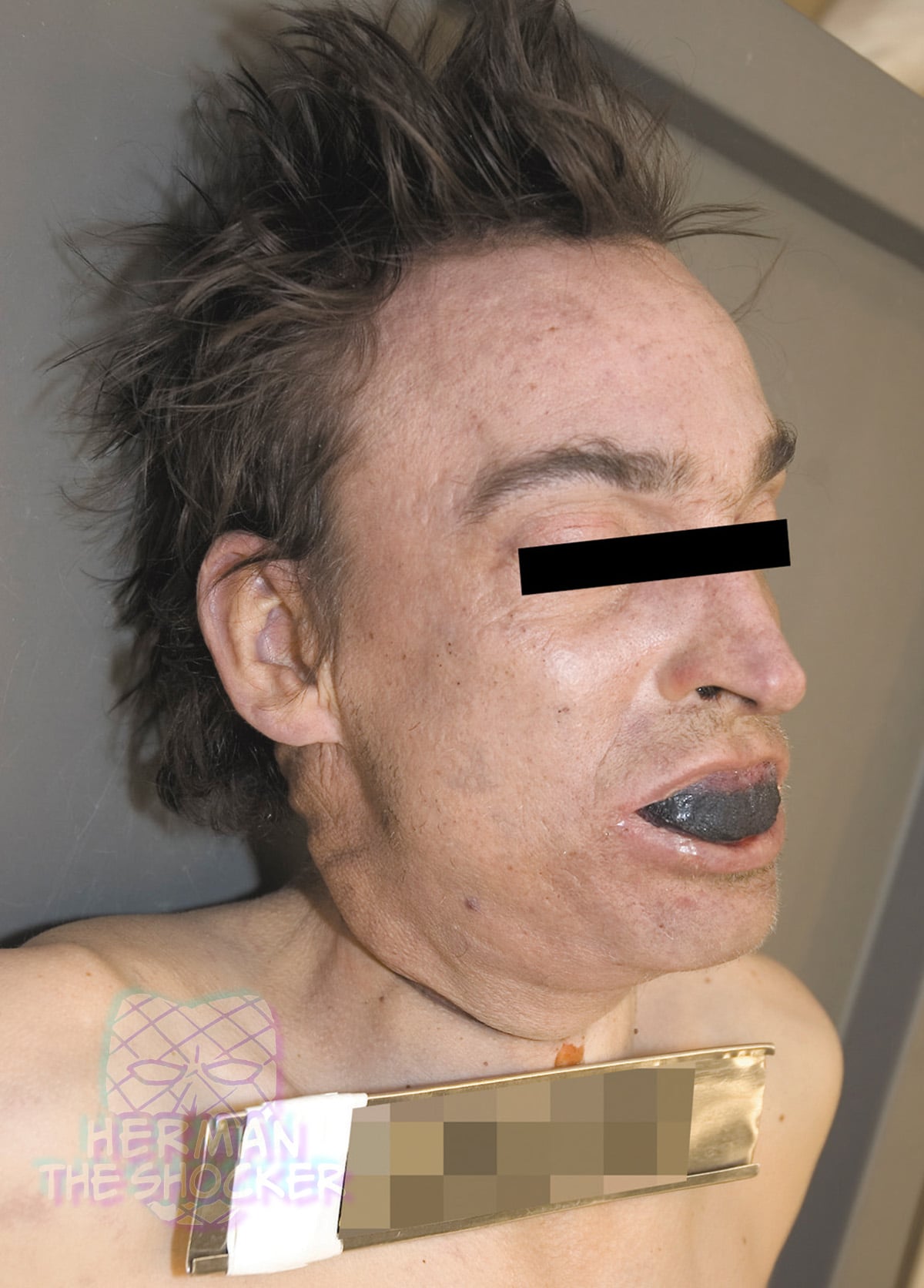 Fig1.1 Protrusion of the tongue with dark discoloration due to postmortem drying. Autopsy photograph featuring protrusion with dark discoloration of the tongue due to postmortem drying, in a case of suicidal hanging. No further info. The tongue protrusion is a common finding in some deaths for asphyxiation (e.g., hanging, incomplete strangulation), and the compression of neck tissues and vessels is considered the cause of the phenomenon. The forward and upward compression of the anterior neck structures by the hanging ligature often causes protrusion with exposure of the tongue, which may dry to a brown-black color, not to be mistaken for trauma. - - - Case 2 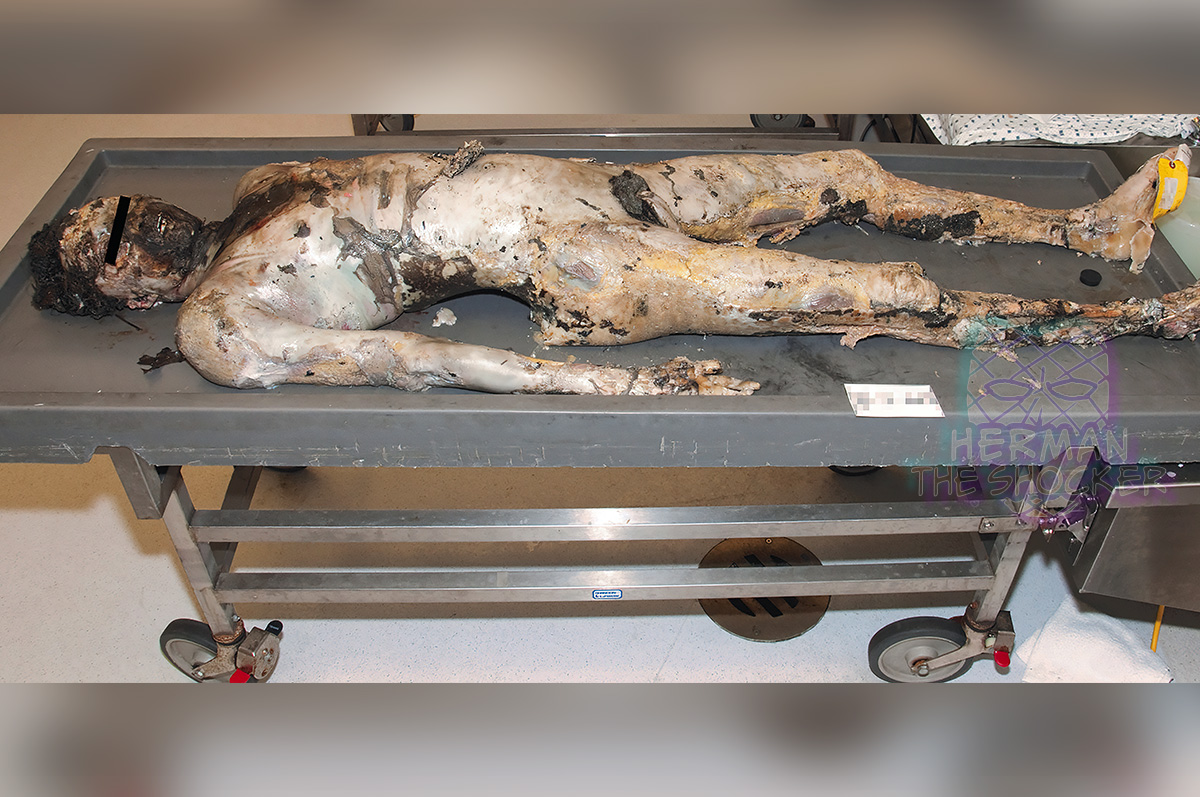 Fig2.1 The image is of an unidentifiable decomposed body of a man removed from a pond. 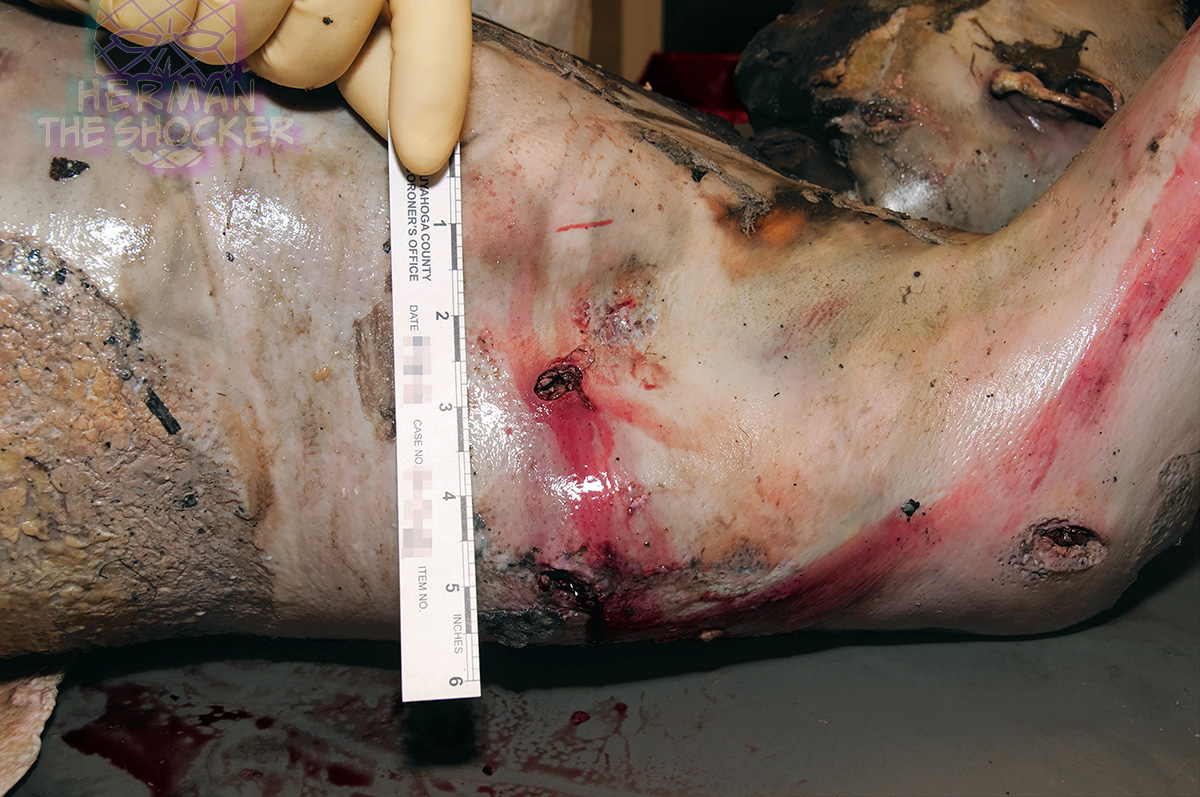 Fig2.2 Blood stab wounds of left chest on body and bloodless stab wound of left shoulder. Cuyahoga County, Ohio. The image is of an unidentifiable decomposed body of a man removed from a pond with extensive tissue loss due to predation by aquatic fauna. There was a blood stab wounds of left chest on body and a bloodless stab wound of left shoulder. No further info. Recovering bodies from water is a common task for any medical examiner or coroner office. Unfortunately, there will be a significant postmortem interval before many of these remains are found. A thorough scene investigation must be undertaken to determine if the location of the death and that of the body recovery are the same. Decomposition in a wet environment differs from that in other settings, both in the changes that occur and the rate at which they occur. It is essential that the forensic pathologist or medicolegal death investigator recognize and appreciate the uniqueness of immersed and submerged remains. The typical decomposition changes proceed more slowly in the water, primarily due to cooler temperatures and the anaerobic environment. However, once a body is removed from the water, putrefaction will likely be accelerated. Postmortem changes are not only affected by water temperature, but also by current as well as obstacles and structures, both natural and man-made, that may interact with the remains. The anaerobic nature of decomposition for wet or submerged remains may result in adipocere formation, a unique and fascinating process that results from incomplete transformation of lipids by bacteria. Insect and animal species feeding on the remains are different for submerged bodies. Postmortem predation may cause external defects that mimic injuries and should be interpreted with care. Forensic pathologists and medicolegal death investigators must be aware of the postmortem changes that may occur with submerged and immersed bodies. - - - Case 3 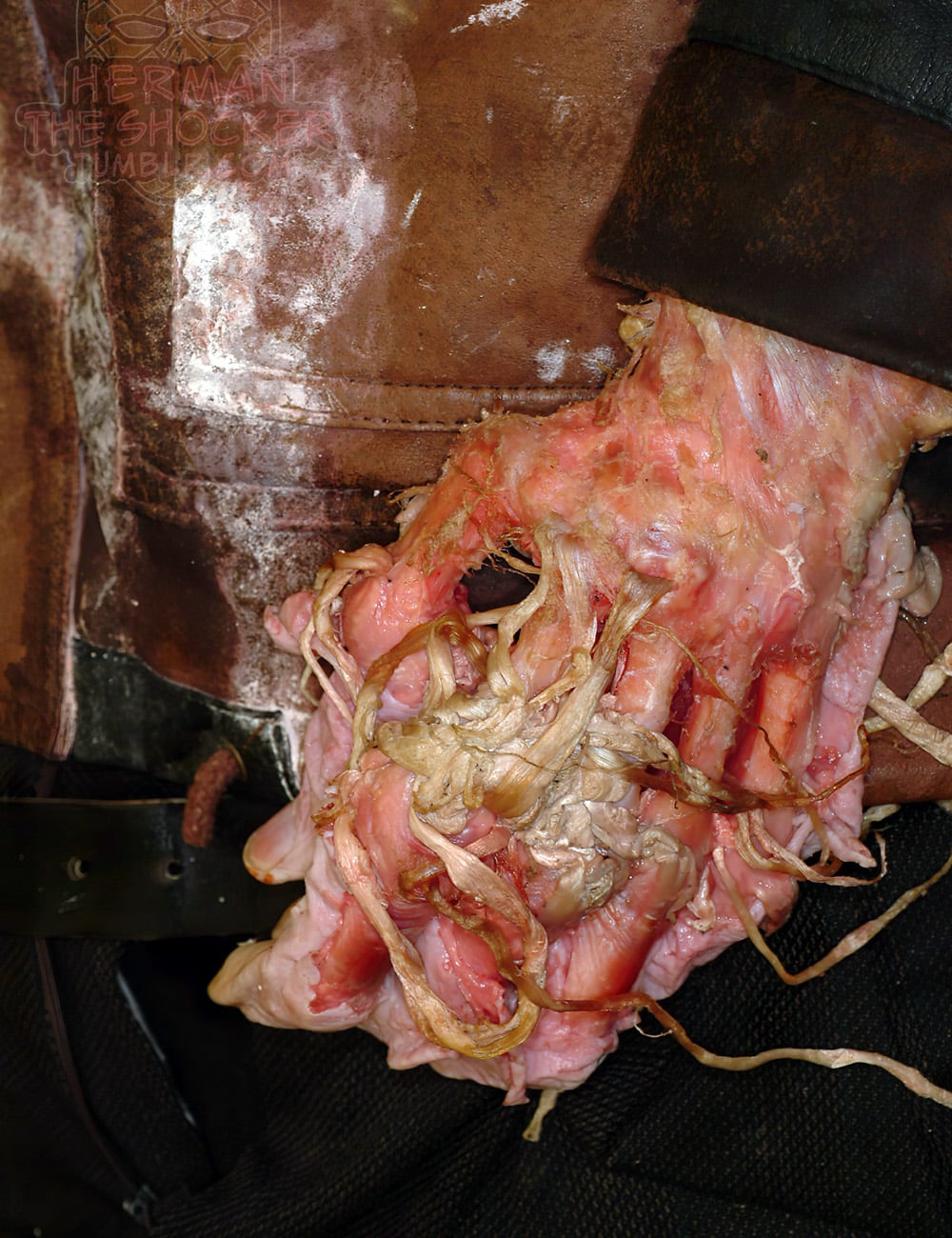 Fig3.1 Postmortem bird predation. 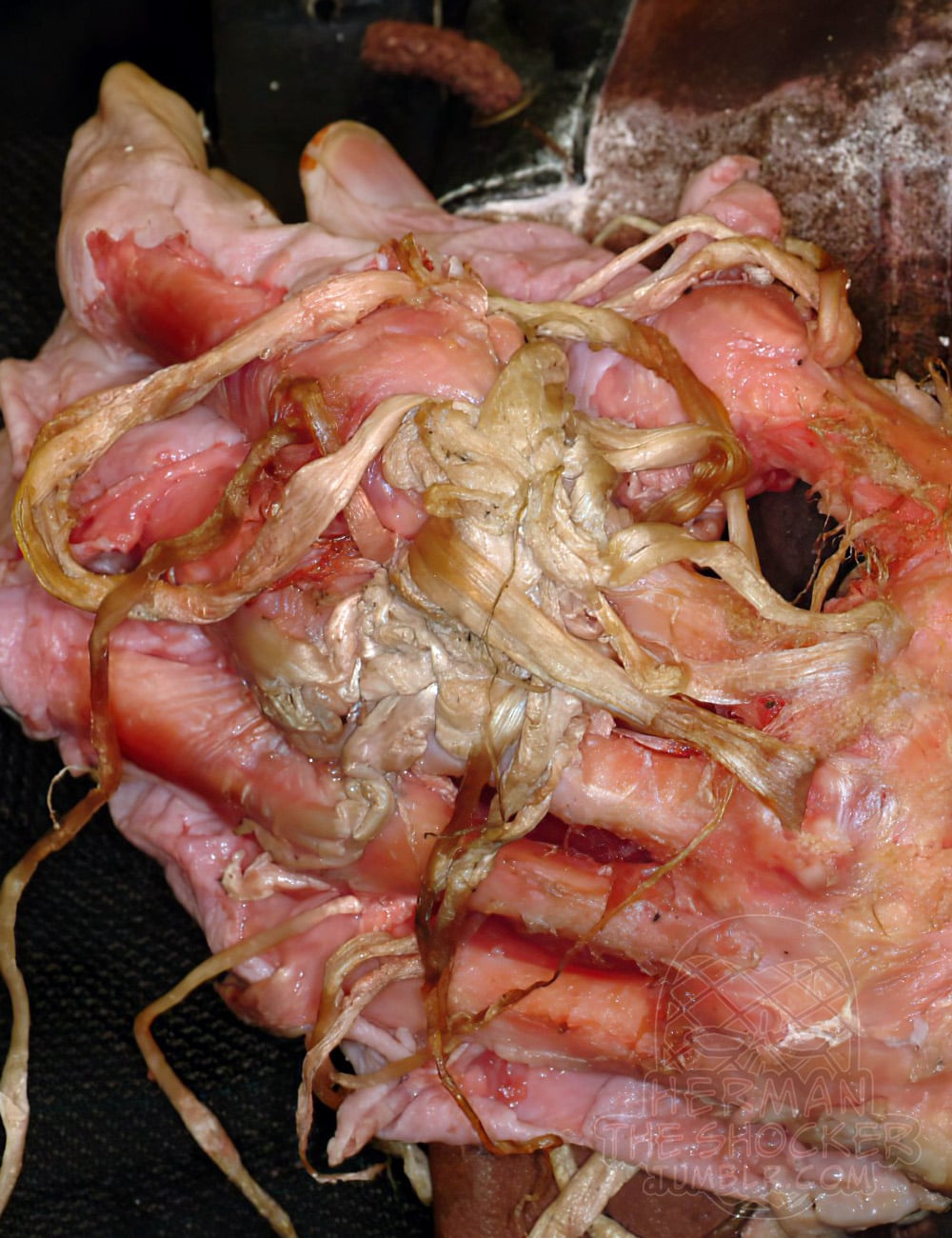 Fig3.2 Exposed soft tissues removed postmortem by birds. In this image, exposed soft tissues have been removed postmortem by birds, likely seagulls. The tendons are strung out and frayed. Note staining from bird droppings on the clothing. What is postmortem predation? The consumption of flesh and deeper tissues of a body after death by insects, birds or other predatory animals. Typically seen in bodies found outdoors, family pets are also known to consume the bodies of owners when trapped in the house wherein their owners died. Postmortem animal activity is an important step in incorporating protein, fat, and carbohydrates in corpses to the food chain. Many animal species are members of this food chain. Outdoor corpses may be attacked by many predacious and scavenger animals and exposed to complete destruction, and bones and belongings of the dead person may be scattered all over a large area due to postmortem animal activity. Vultures, eagles, ravens, magpies, and many species of birds can feed on corpses. Birds primarily tend to feed on eyes of the corpses. This condition may lead to misinterpretations by crime scene investigators as a sadistically committed crime or ritual mutilation performed on the corpse. Scavenger birds as magpies and crows peck and tear the corpse during feeding, which causes characteristic triangle-shaped holes on the corpse. In a study on the most known scavenger bird, namely vultures, it was reported that vultures observe the corpse for 24 hours before feeding on it, and during 4–5 hours of active feeding period, they can skeletonize the corpse. - - - Case 4 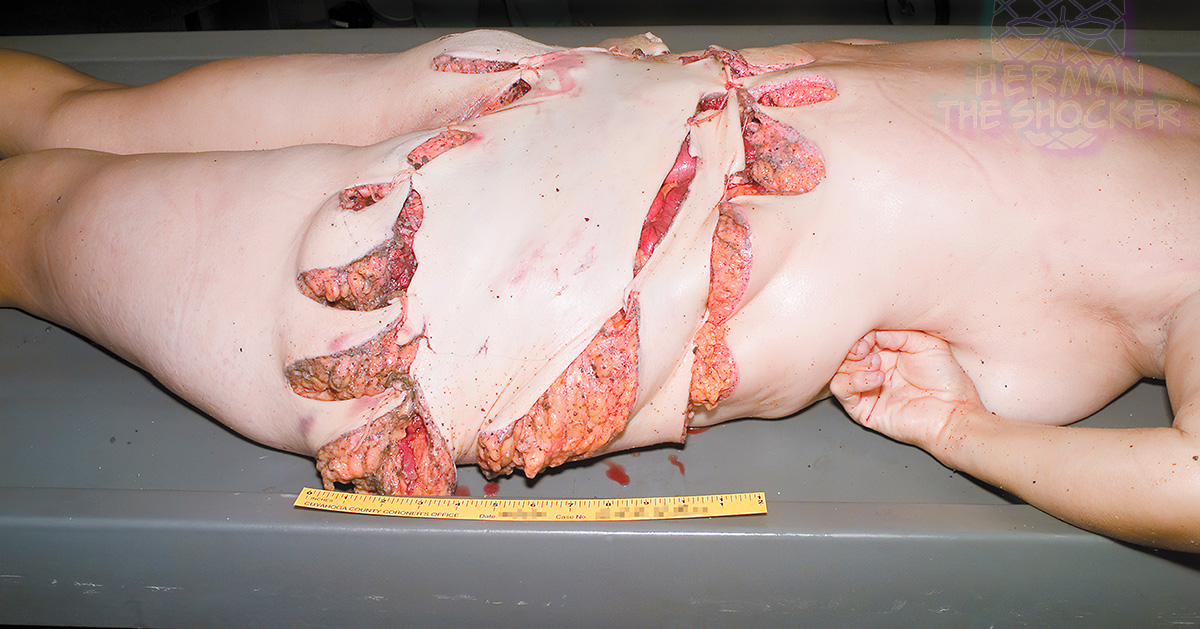 Fig4.1 Fatal boat propeller chop wounds of the trunk. Cuyahoga County, Ohio. This individual has suffered from a fatal boat propeller chop wounds of the trunk and lower extremity, the image is taken after cleanup and wound reconstruction. No further info about this case. Propeller wounds represent an example of patterned injury resulting from contact with watercraft. While the typical scenario involves injuries caused by the propellers of boats and other personal watercraft, other less typical circumstances should be considered such as propeller injuries caused by underwater industrial pumps. Characteristic propeller injuries are chop-like wounds that can have features of both blunt and sharp force type injuries, specifically cuts or incised wounds with abraded edges. - - - Case 5 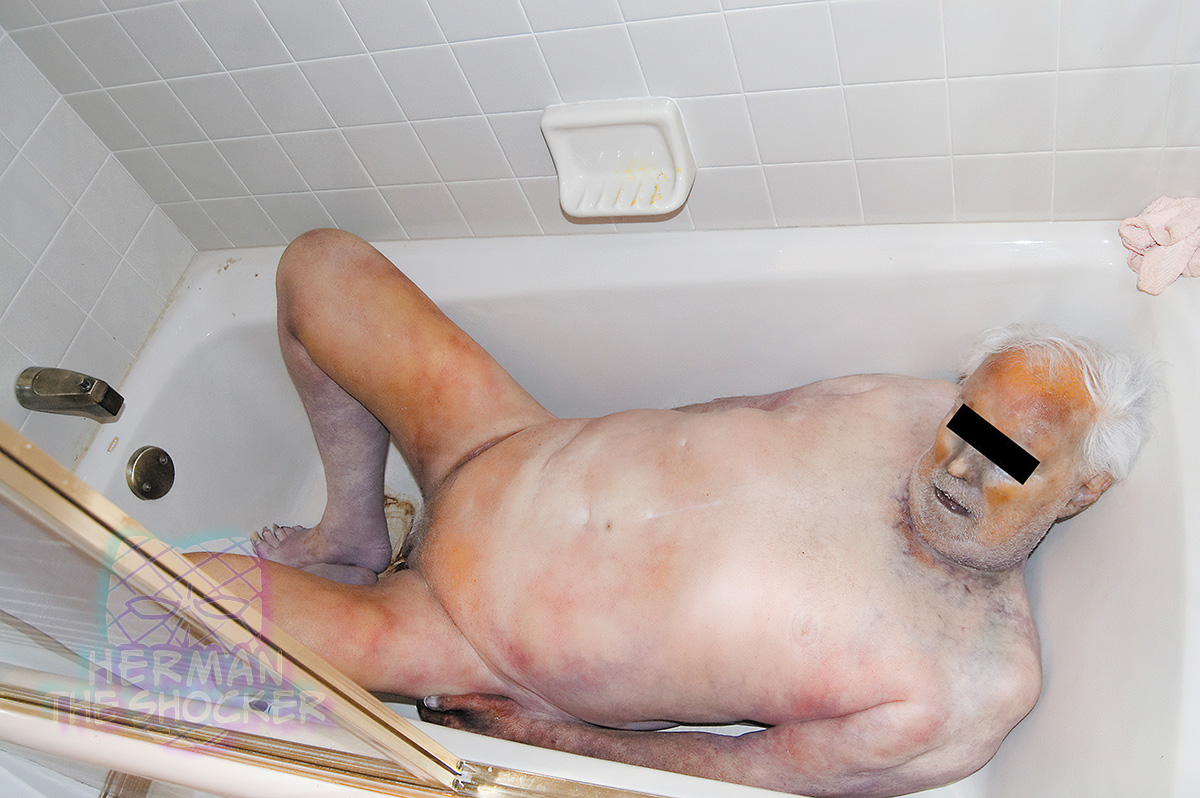 Fig5.1 This individual died from natural causes while taking a bath. This individual died from natural causes while taking a bath. Dark-yellow and brown discoloration can be seen due to mummification of exposed skin regions. No further info about this case. Occasionally, the floating decomposed body may present with the anterior side up allowing the face, chest, and abdomen to be exposed to the air and sun resulting in a dry, darkened, leathery, and sunburnt appearance. The exposed skin of bodies unprotected from strong sun exposure or are otherwise indoors will, in the earlier postmorterm period, have a yellow parched appearance that will gradually shrink, darken, and harden exhibiting a mummified appearance. - - - Case 6 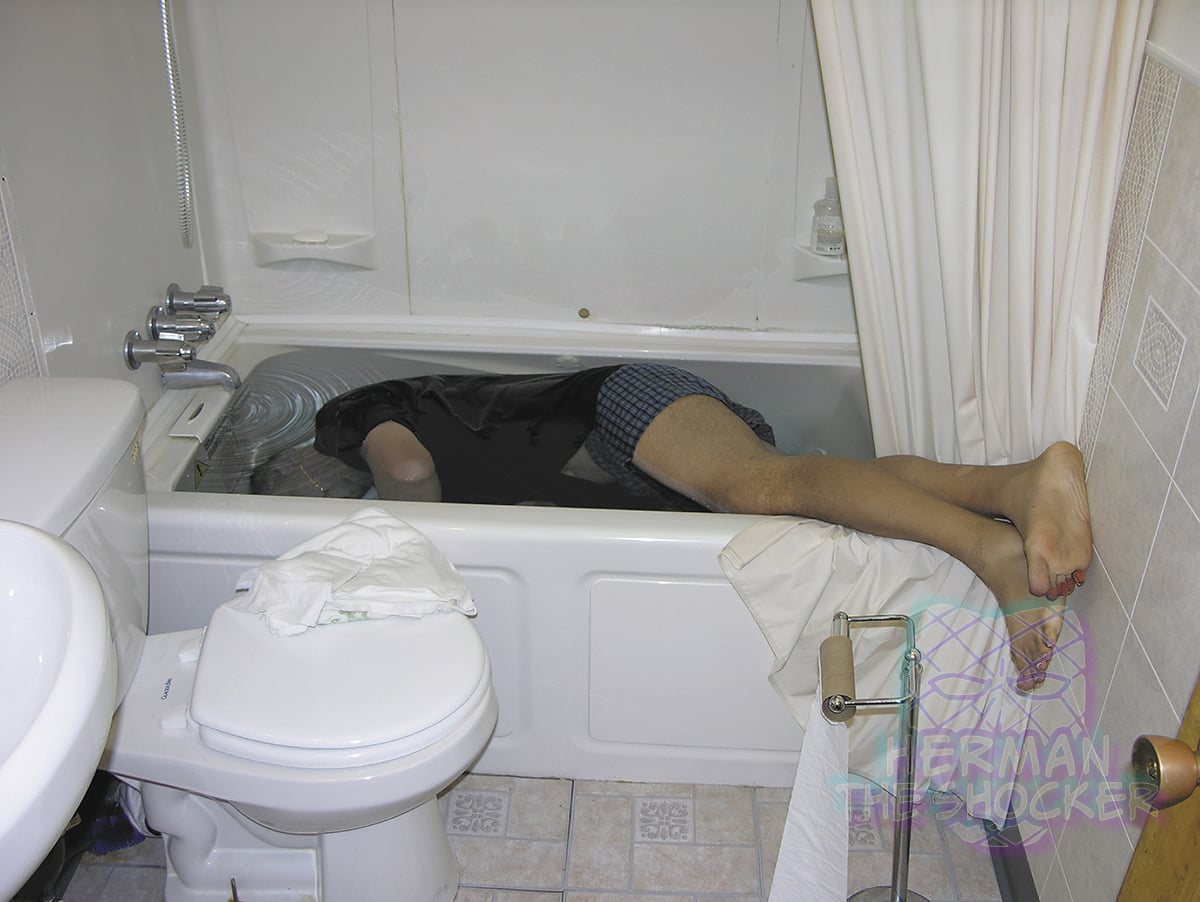 Fig6.1 Alcoholic found dead in a bathtub. 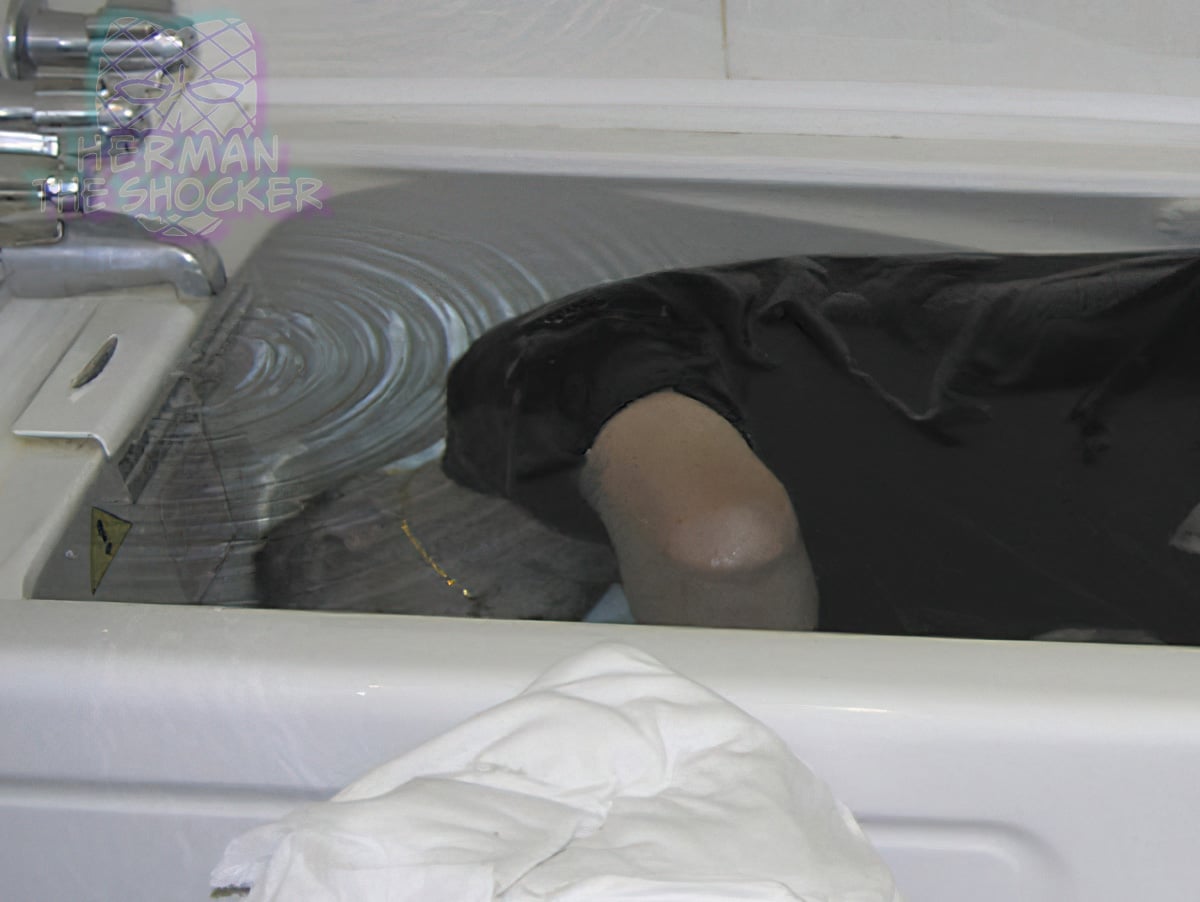 Fig6.2 Alcoholic found dead in a bathtub. A 42-year-old man was found with his head, torso, and most of his upper and lower extremities completely submerged in a bathtub filled to the brim with water. The decedent’s mother had requested a welfare check on her son after being unable to enter her home where she lived with her son, after being discharged from a short hospital stay. Friends had not heard from or spoken to the man for two days and went to the home in an attempt to locate the man. Police were called, arrived, and entered the secured residence to discover the nearly completely submerged and clothed man lying on his right side. His feet and a portion of his upper left arm were not submerged and appeared dried and partially mummified. His feet were resting on the shower curtain and the edge of the bathtub. A necklace had become entangled between the lips but was high up enough around the neck so as to not compress the internal neck structures and vessels. The hot water spigot was still running (cold) without overflow of the bathtub due to drainage through the overflow outlet. A folded shirt was noted on the toilet, and a pair of worn socks was in one of the corners of the bathroom. Empty bottles of sleep aid medication and pain medication were found nearby. No suicide note in any form was found. The rest of the house appeared undisturbed. This man had a history of heavy alcohol consumption and at times would combine alcohol with his mother’s sleep aid medication and his own pain medication, which had been prescribed for an unspecified chronic pain condition. He reportedly had been depressed for an unspecified period of time but had not been clinically diagnosed with a psychiatric condition or on any prescribed psychiatric medication. He suffered the loss of his father and brother within the recent decade. He was the sole caregiver of his mother. A friend reported to the police that during a telephone conversation a few days prior to the man’s death, the decedent talked of a recent visit from a female acquaintance with whom he had a “good time.” The friend surmised that the man was intoxicated, noting his slurred speech and angry mood while describing the visit. Police investigators were unable to produce verification as to the identity and whereabouts of this female. Autopsy findings were that of a well-developed, well-nourished male with wrinkling of and pallor of the skin. Rigor was absent, and livor was fixed on the right side of the body. The corneas were cloudy, and there was a focus of skin slippage on the right thigh. There were a number of small abrasions of the face without a discernible pattern or clustering. Two abrasions were of the temple associated with acute subgaleal hemorrhage beneath, indicating blunt impact to this region. A slightly indented, red, and pale patterned mark extended over both lower cheeks corresponding to the necklace. Internal inspection revealed voluminous, congested, and edematous lungs surrounded by pleural effusion. Foamy fluid was noted within the upper airways. There was a 1⁄4-inch contusion of the tongue. The heart was significantly enlarged with thickened chambers and dilation of the right ventricle. Gross anatomic examination combined with microscopic examination of the heart and kidneys revealed changes consistent with hypertensive cardiovascular disease. The liver was markedly enlarged with severe fatty change and scarring consistent with the history of chronic alcoholism combined with prescription medication abuse. The sphenoid sinus contained 5 ml of blood-red-tinged watery fluid. The toxicological screening was positive for caffeine, and its presence was otherwise not significant. A subtherapeutic level of zolpidem (Ambien) was found. No ethanol was detected. An electrolyte study of the vitreous fluid was not requested. The cause of death is asphyxia by drowning. - - - Case 7 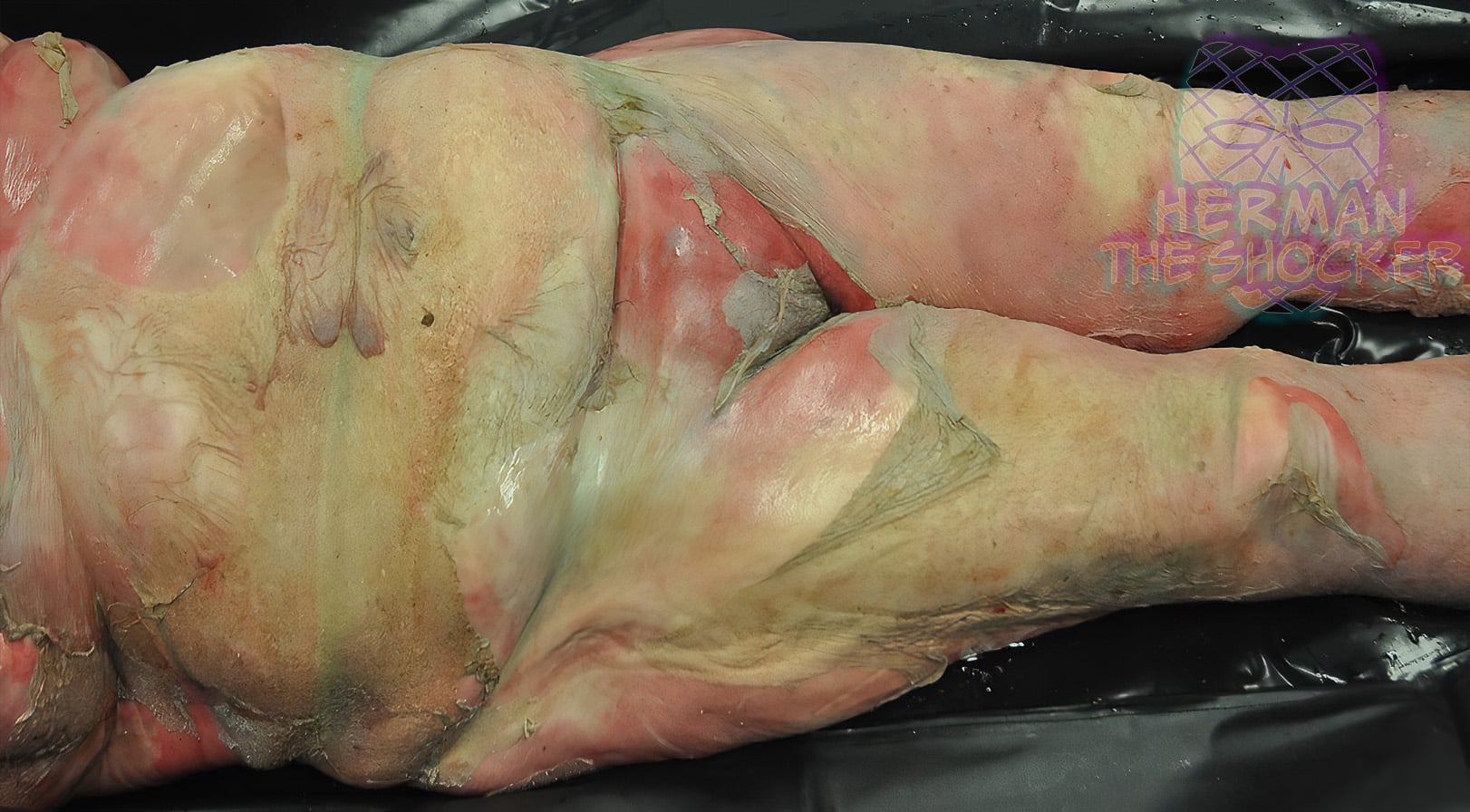 Fig7.1 Skin slippage. Skin slippage is something that happens in decomposition. It is when the superficial layers of the skin “slip” off of the body. It occurs early in decomposition, in temperate conditions usually it starts around the two to three day mark and its appearance can be varied. Skin slippage may be apparent anywhere on the body. The skin, including the fingernails and toenails, loosens and allows removal of the skin in its entirety, much like the removal of a sock or glove. This may be most notable on the hands and feet. The entire scalp, including the hair, will become partially or completely detached. - This post is for educational purposes only and is nonprofit. Under Section 107 of the US Copyright Act of 1976; Allowance is made for "Fair Use" for purposes such as criticism, comment, news reporting, teaching, scholarship, and research. OP is not a medical expert. No copyright infringement intended. This post does not encourage or glorify violence/harassment. Images might have been upscaled and enhanced. Text might have been shortened and simplified/reorganized for online view.
__________________ ⭐️ hermantheshocker.com ⭐️ |
|
#2
●
12-14-2021, 02:13 PM
|
 ★ Legacy Member ★ Poster Rank:252 So many choices now Join Date: Jul 2015 Posts: 5,542 5,542Posts 19,786Thanked 2,120Quoted 15Mentioned 0Contrib. |
|
Re: The Shocker's Mix 16
Goddamn fantastic, Herm!
|
|
#4
●
12-14-2021, 04:01 PM
|
 My Rank: MAJOR Poster Rank:169 Join Date: Jul 2015 Posts: 9,325 9,325Posts 10,833Thanked 1,583Quoted 5Mentioned 0Contrib. |
|
Re: The Shocker's Mix 16
As always, photo journalism's finest
|
|
#7
●
12-15-2021, 12:26 AM
|
 My Rank: CORPORAL Poster Rank:1668 Slave to the Rhythm Join Date: Aug 2015 Posts: 331 331Posts 636Thanked 86Quoted 0Mentioned 0Contrib. |
|
Re: The Shocker's Mix 16
Wicked...keep em coming please
|
|
#10
●
12-15-2021, 04:19 AM
|
| My Rank: PRIVATE Poster Rank:9044 Join Date: Aug 2021 Posts: 18 18Posts 17Thanked 1Quoted 0Mentioned 0Contrib. |
|
Re: The Shocker's Mix 16
Do you know when case 4 occurred? I found a lawsuit in that county for an accidental death like this. Apparently there was a beach party in Lake Erie and a boat was carrying skiers. A woman who was in the water waiting to be the next skier was accidentally hit by the boat propeller. An article said that she was hit as she tried to save a young woman who was also waiting their turn to ski as the boat for some reason crashed into them. Could be the woman on the photo
|