|
#1
●
05-11-2021, 12:18 PM
|
 ♚ Legacy Gold Member ♚ Poster Rank:914 Join Date: Jul 2020 Posts: 820
Contributions: 13
820Posts 27,594Thanked 173Quoted 13Mentioned 13Contrib. |
|
Self-inflicted Explosive Death by Detonating a Firecracker in the Mouth
TL;DR January 2017 - Pretoria, South Africa. A 76-year-old Caucasian man was admitted to a medico-legal postmortem examination after suffering severe blast-induced craniofacial injuries due to the detonation of a firework inside his mouth. The event took place in a corridor inside the Tshwane municipal court. According to witness reports, the decedent retrieved an object from his bag, placed it in his mouth, and proceeded to ignite it. The aforementioned object exploded almost immediately, according to witness accounts, and blew up inside the decedent’s mouth resulting in death at the scene. 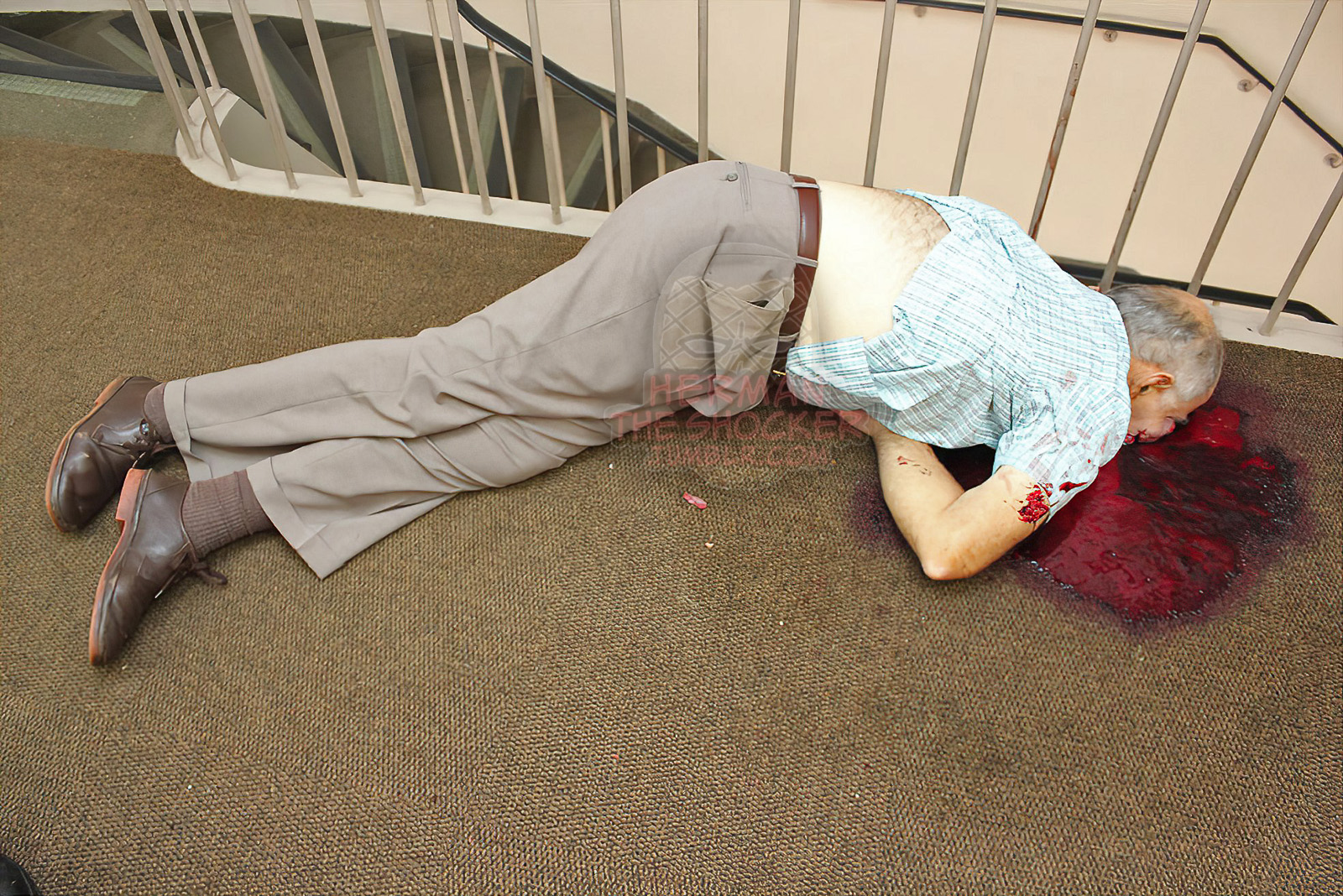 Fig.1 Scene photograph showing the decedent’s posture in which he was found. 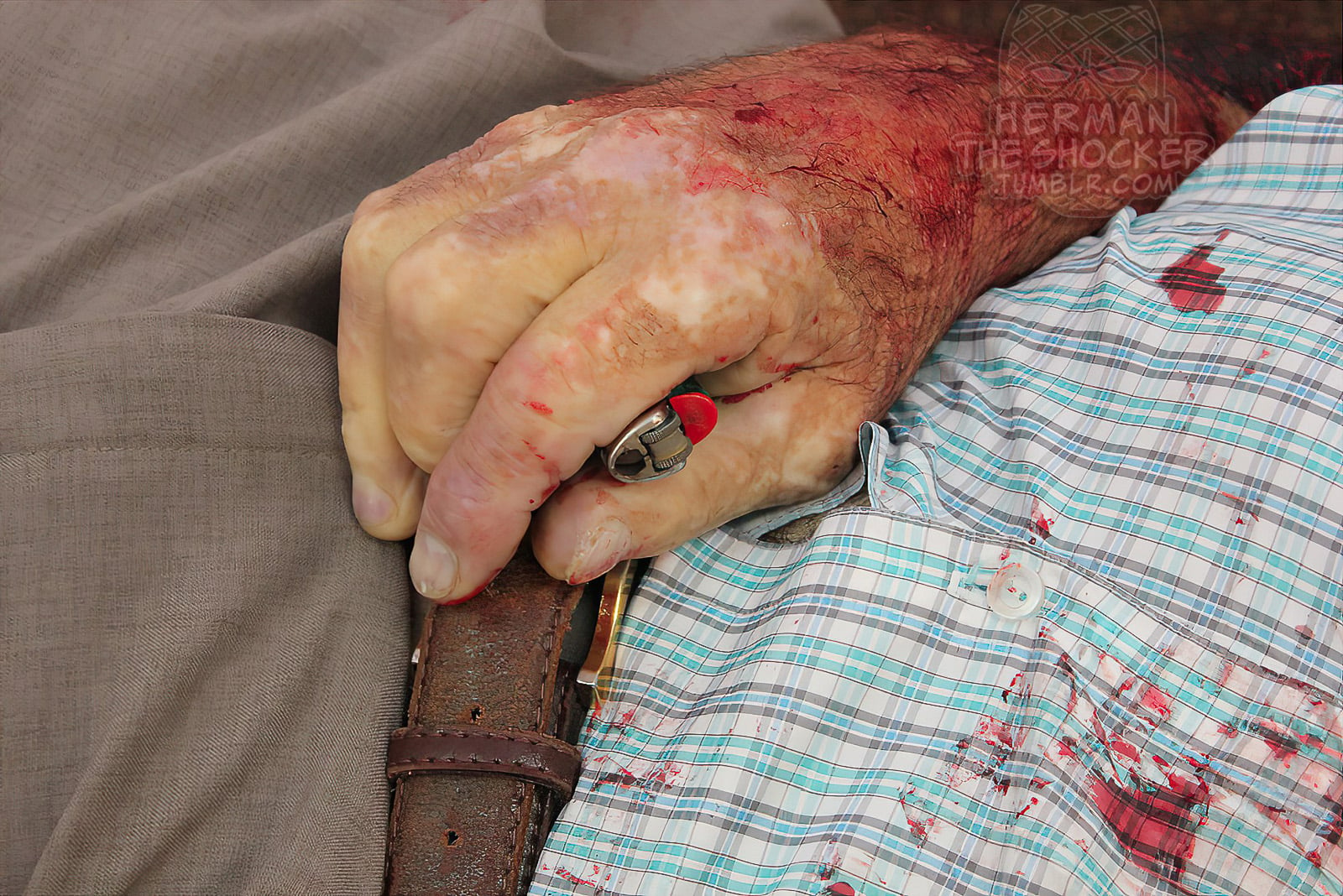 Fig.2 Photograph showing a BICTM lighter gripped on the decedent’s right hand. 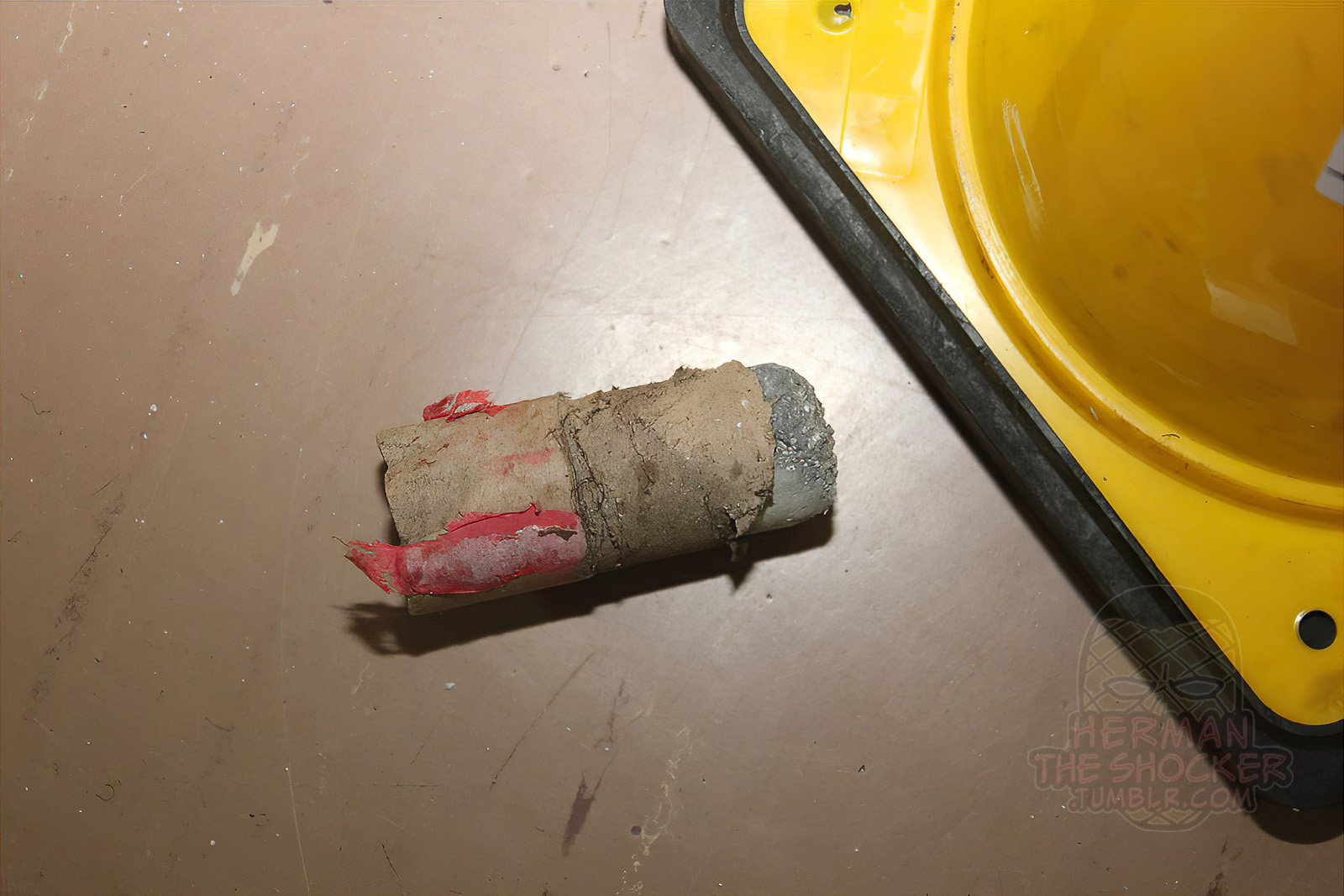 Fig.3 Fragment of the “Gorilla Bomb” firecracker. There were no resuscitative measures instituted on the decedent. At the scene, the decedent was found lying prone with the left side of his mutilated face flat against the floor (Fig. 1). A BICTM lighter was found gripped in his right hand (Fig. 2). Dispersing caudally, fragments of skull bone, soft tissue, dentures, and spectacles were identified at the scene. A fragment of an explosive (firework) (Fig. 3) was found about 30 cm (1 ft) from the decedent’s head and small paper and cardboard fragments scattered around the body. The aforementioned fragments were later identified as being from the so-called “Gorilla Bomb” firecracker (according to personal communication with the bomb squad experts). The body was sent to a medico-legal postmortem examination. The postmortem examination was performed approximately 19 h after death and refrigeration of the body for storage. A review of the scene photos, autopsy, and case history (which included interviews with police investigating officers and a member of the bomb squad) revealed relationship problems. A review of the victim’s place of residence also showed a newly opened pack of “Gorilla Bombs” missing only a single firecracker. Autopsy At autopsy, there were blast-induced injuries involving the middle and lower thirds of the face with lacerations and contusions of the lips, gums, tongue, palate, nose, and orbits, and comminuted fractures of the mandible and maxilla. The mandible was traumatically bisected along the sagittal plane and the temporomandibular joints were disrupted (Fig. 4). The oropharyngeal mucosa was stained with soot and grey-black granules (Fig. 5). The ears showed no injuries and the tympanic membranes were intact. Fragments of glass were present inside the oropharynx (from the damaged spectacles). There were no fragments of paper or plastic recovered inside the oropharynx. Fragments of tissue; predominantly lips, nose, bone, and an eye were recovered separated from the body. The left eye was protruding from the left orbit and there were lacerations around the borders of the left orbit. The right orbit showed peri-orbital hemorrhage and a laceration involving the medial border. The trachea was clear. 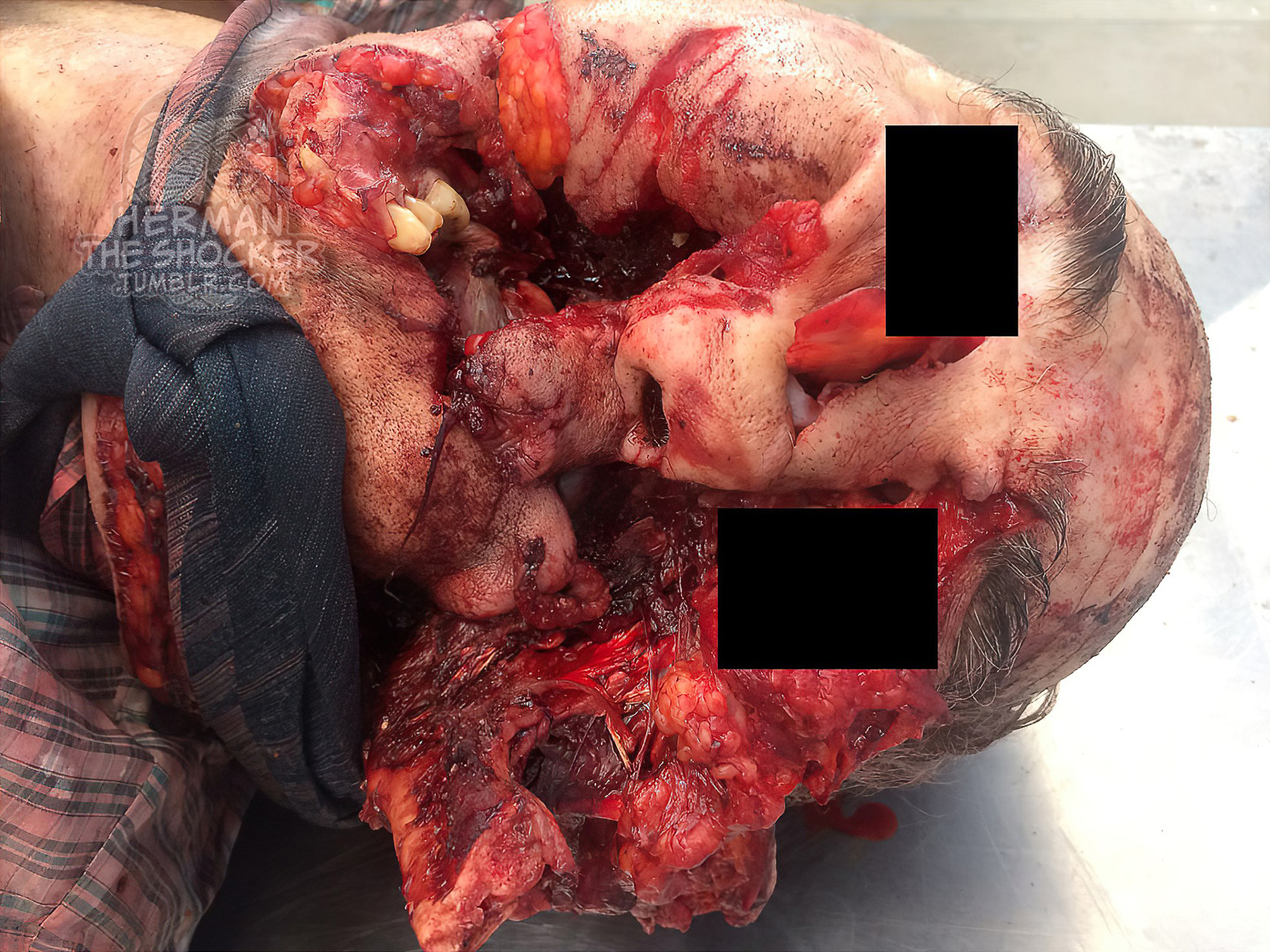 Fig.4 Blast induced injuries with severe disruption of the face. 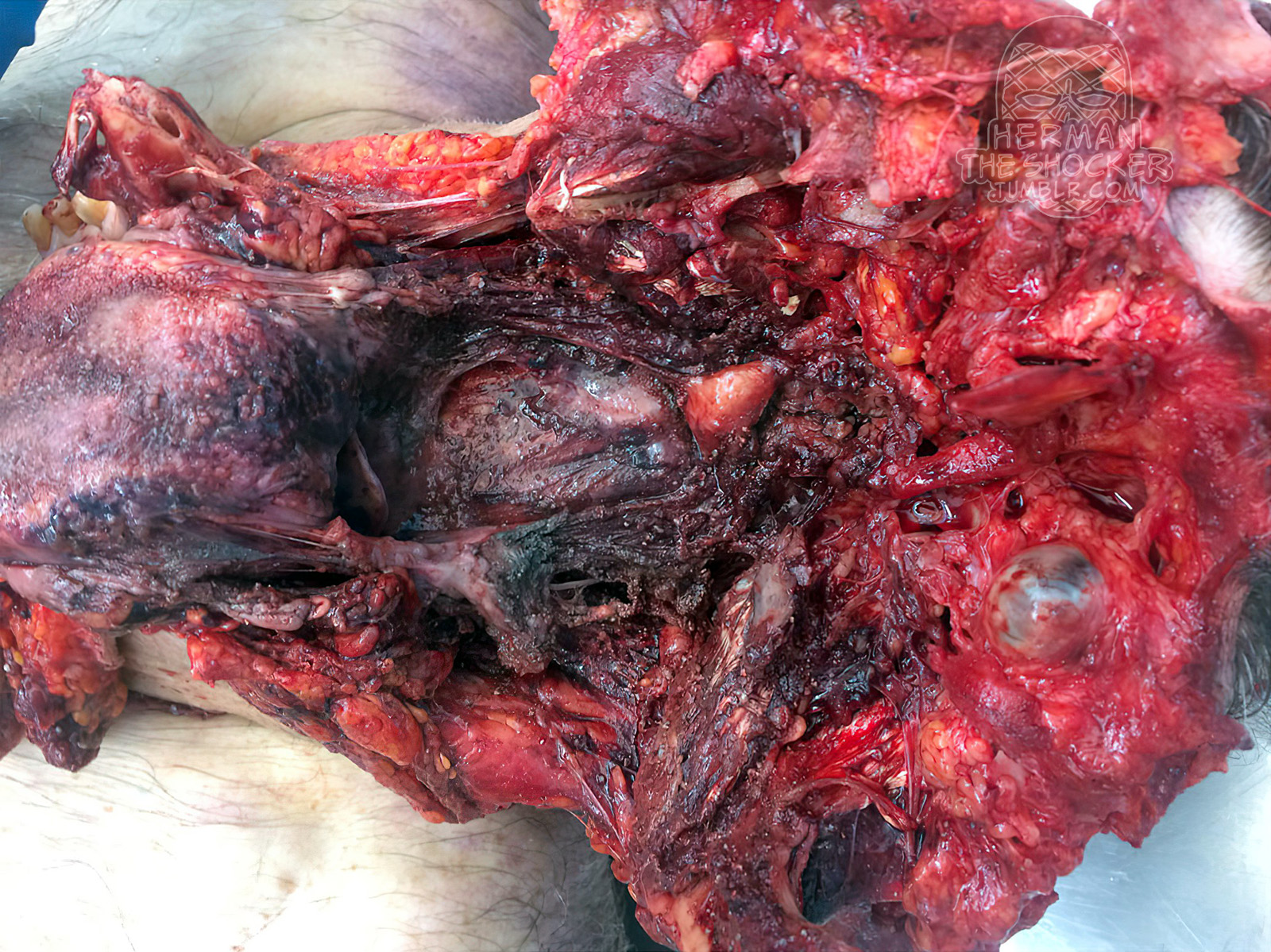 Fig.5 In situ view of the oro-pharynx showing soot and grey-black granules. The anterior cranial fossa showed a fracture with a central cavity involving the cribriform plate and sella turcica. The brain showed diffuse acute subarachnoid hemorrhage, pinpoint hemorrhages of variable sizes (involving the white matter of the frontal lobes and genu of the corpus callosum), and focal cerebral cortical contusions of the frontal lobes (Figs. 6 and 7). Other organs were inconspicuous and showed no gross pathological changes or injuries. A postmortem blood sample was taken for ethyl alcohol and carboxyhemoglobin analyses. Pharyngeal swabs were also taken for analysis for priming agents. Upon completion of the examination, the primary cause (and/or mechanism) of death was concluded as being blast-induced craniofacial injuries due to a firework. Although the manner of death in SA is pronounced by the presiding judicial officer as per the Inquests Act 58 of 1959, the opinion of the pathologist was in keeping with suicide. Unfortunately, no postmortem CT-scan imaging was conducted on this case prior to the commencement of the autopsy. The Lodox Statscan showed severe tissue distortion of the face. Identification was done with fingerprints and personal possessions. 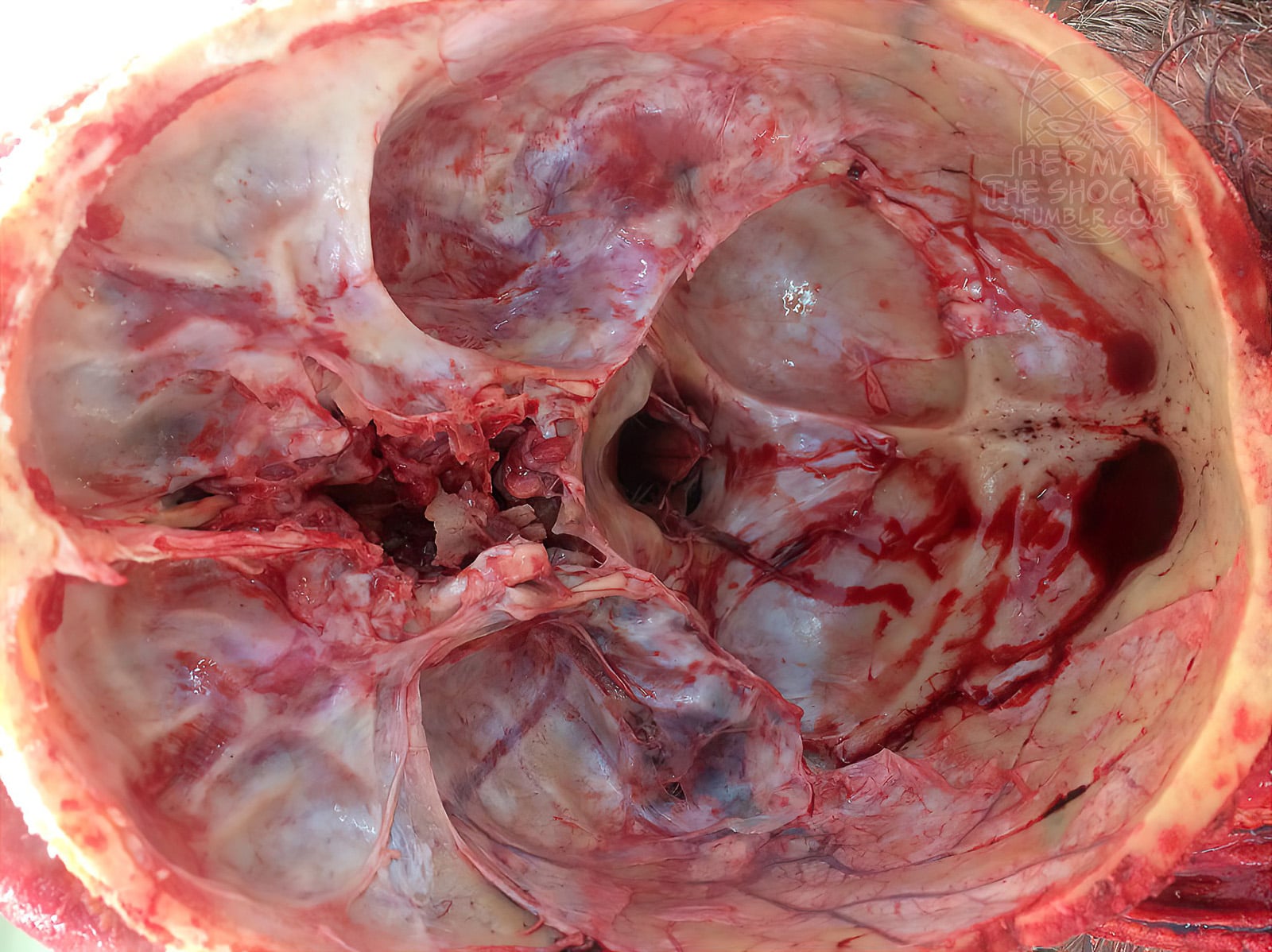 Fig.6 Base of skull showing a blow-out fracture involving chiefly the cribriform plate and sella turcica. 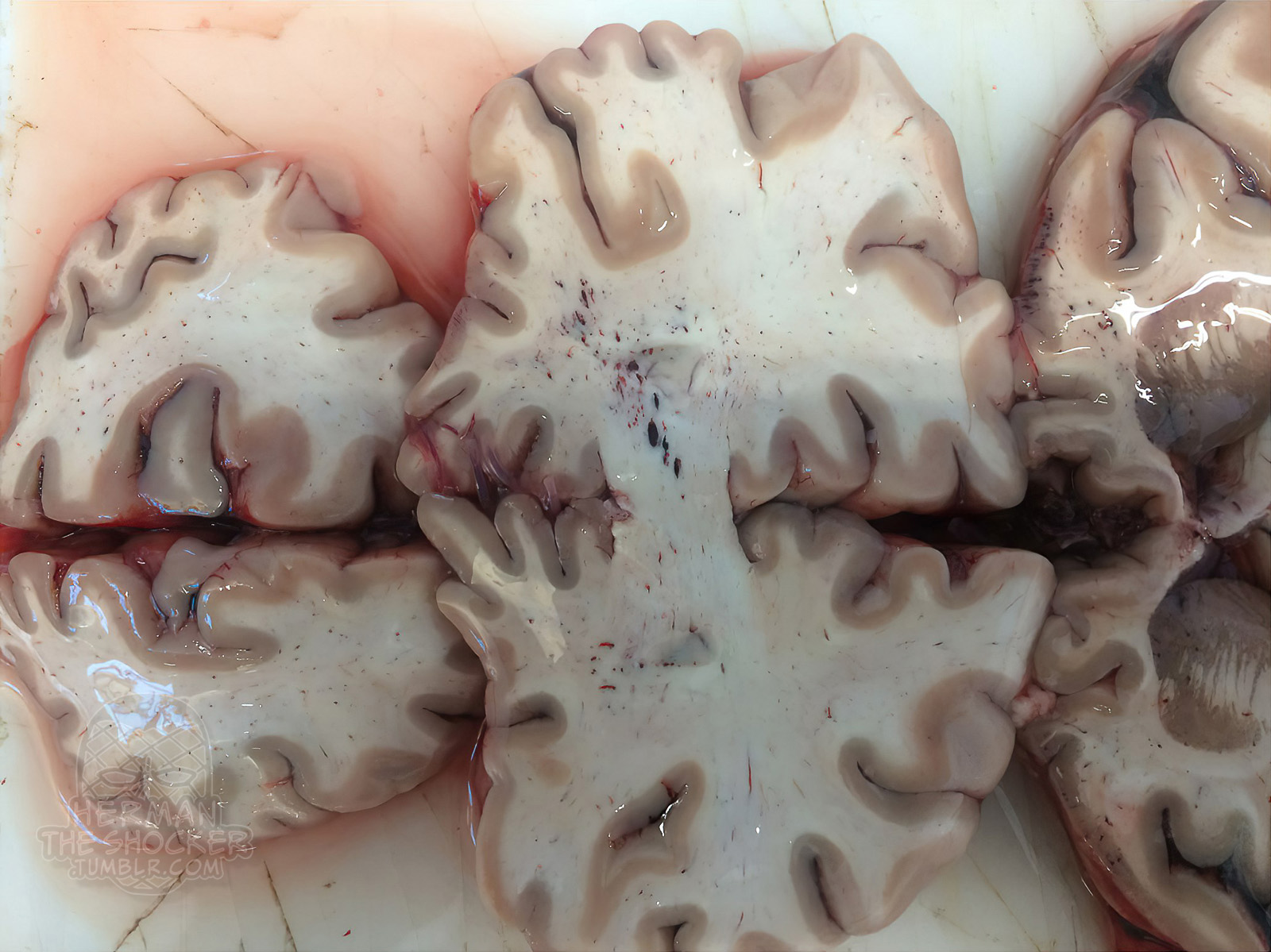 Fig.7 Cut surfaces of the brain showing pin-point hemorrhages of variable sizes (involving the white matter of the frontal lobes and genu of the corpus callosum), and focal cerebral cortical contusions. Discussion Deaths due to explosives generally attract immediate attention due to their inert characteristics which include creating a loud noise and their destructive nature. When an explosion occurs in a public space like a government building, as in the case presented, added attention is attracted as fears of terror activity have become part of the social consciousness. In the presented case, the unusual nature of the death and the method used to cause the death presented many interesting aspects to the investigation. An investigation of a scene of death due to explosives requires particular attention to detail as many clues to the device used to cause the explosive might lie in the smallest of fragments of burnt or unburnt trace evidence. Personal communication with the head of the South African Police Service (SAPS) bomb squad unit reveals that forensic pathologists and forensic medical officers in SA have limited practical experience in bombs and explosives. It is advantageous for the forensic pathologist to attend the scene of death, in order to gain valuable guidance in the investigation and to obtain a scientific perspective that will be integrated with other specialized teams including the police bomb squad. Also of importance, is the opportunity for the pathologist to integrate the scene findings with the autopsy examination. In the presented case, the initial impression corroborated with the accounts from the witnesses, subsequent autopsy findings, and findings at the home of the decedent. 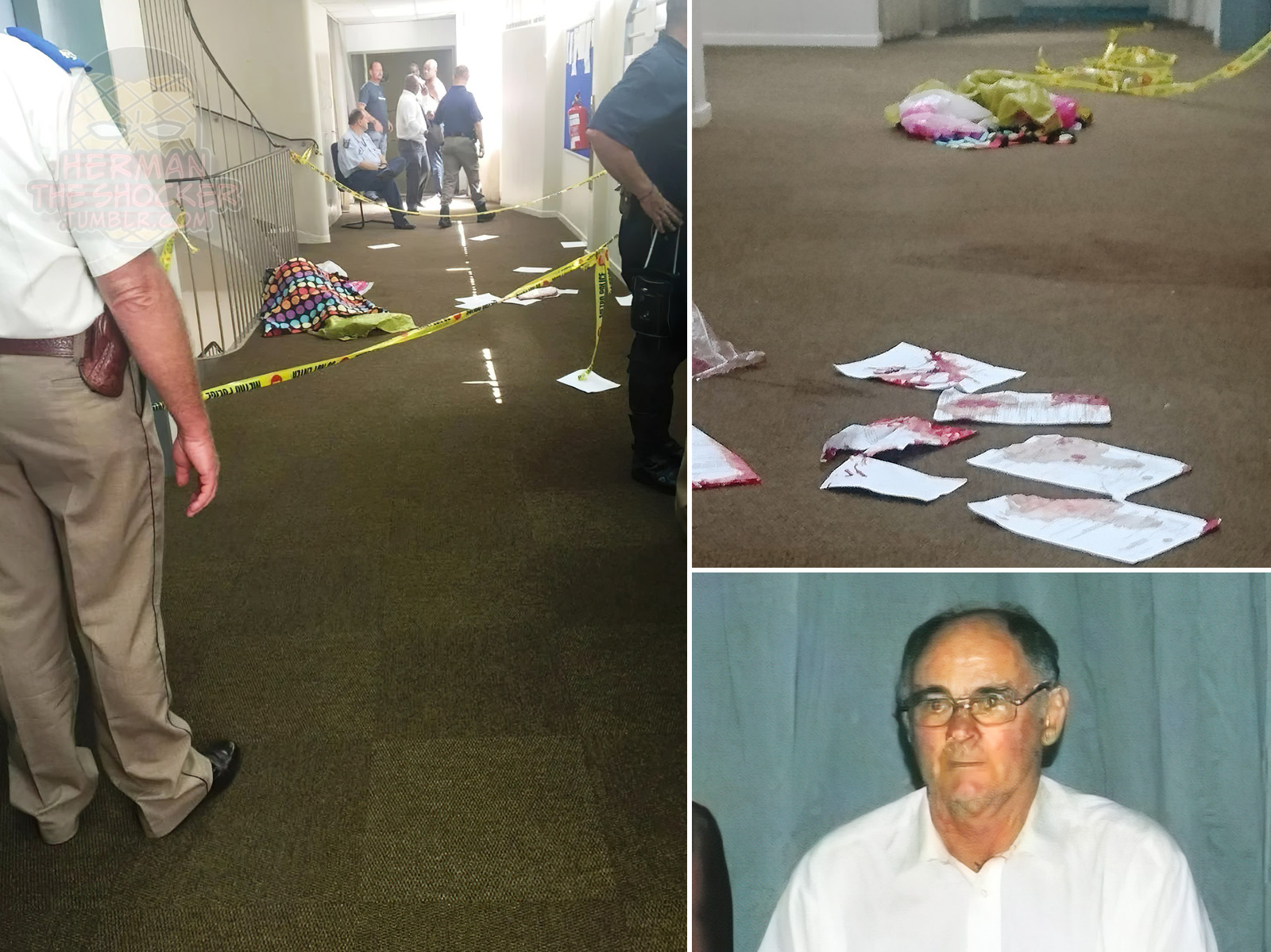 Fig.8 Police investigating the scene. A photograph of the deceased. 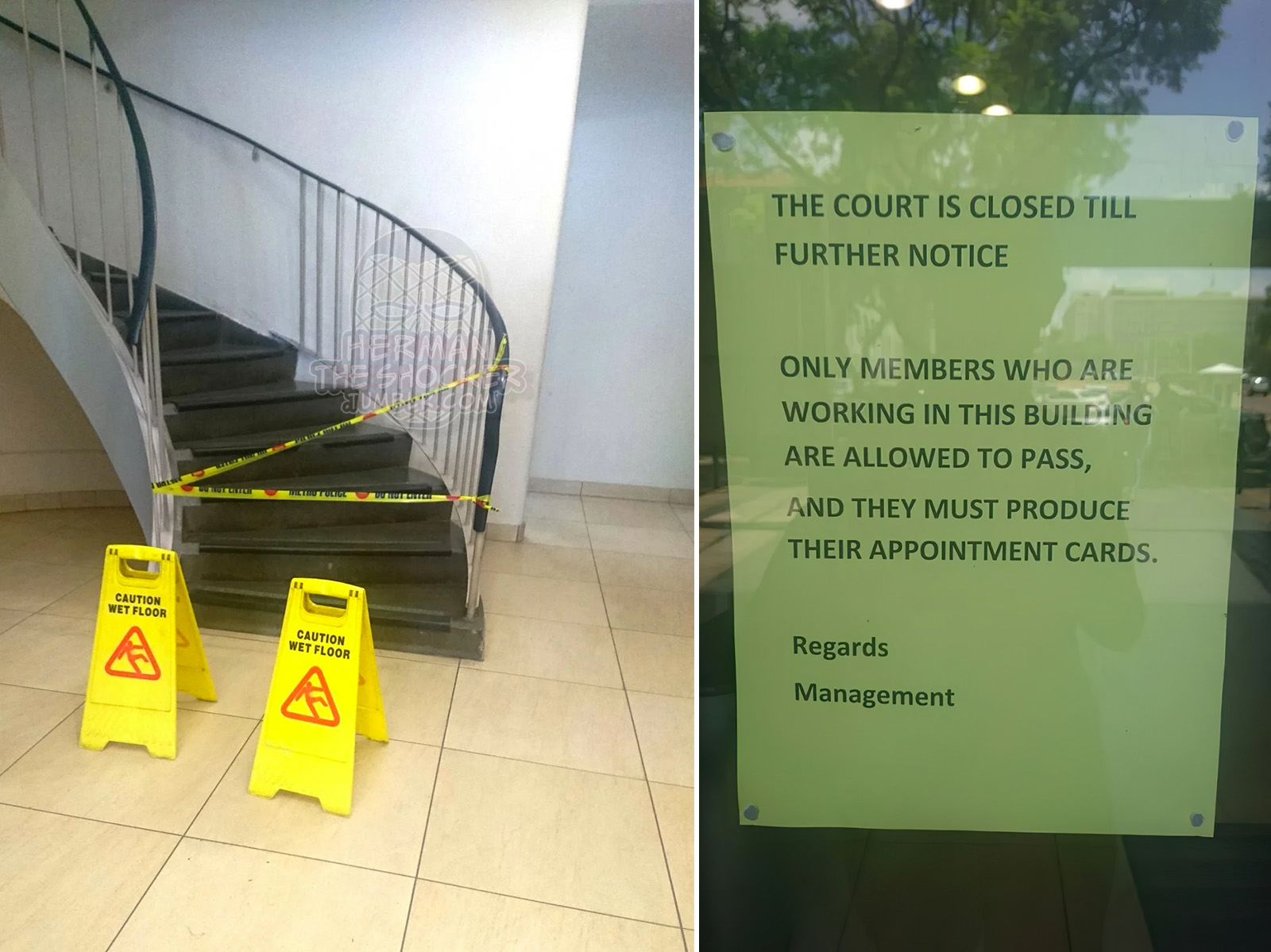 Fig.9 From the scene. The court was closed for the day following the incident. Conclusion The case describes an unusual method of suicide by means of intra-oral detonation of a firecracker. These cases occur rarely, but in the event that the pathologist does not attend the scene of death, it is important to recognize these injuries at autopsy. Fortunately, identification was still possible in this case, and no other innocent bystanders were injured. The worrisome aspect is that this occurred in a public place which should be closely monitored pertaining to entry and exit of potentially hazardous/dangerous articles. Although the selling of these firecrackers is meant to be regulated, it would be nearly impossible to arrest the person who sold the firecracker to the deceased. Stricter access control to public places should be enforced in order to protect innocent bystanders – not only from physical but also from emotional damage. Key points 1. Self-inflicted explosive deaths due to intra-oral detonation of firecrackers are rare. 2. Flash-powder based firecrackers can result in severe craniofacial injuries. 3. Stricter legislation pertaining to the obtainment of firecrackers should be in place. 4. The brain injuries seen in these cases should be classified as blast-induced neurotrauma. 5. A coordinated approach between the different agencies: police investigative unit, bomb squad, police forensic science unit, and the forensic pathology service, enhanced the investigation and helped the pathologist integrate the autopsy findings. 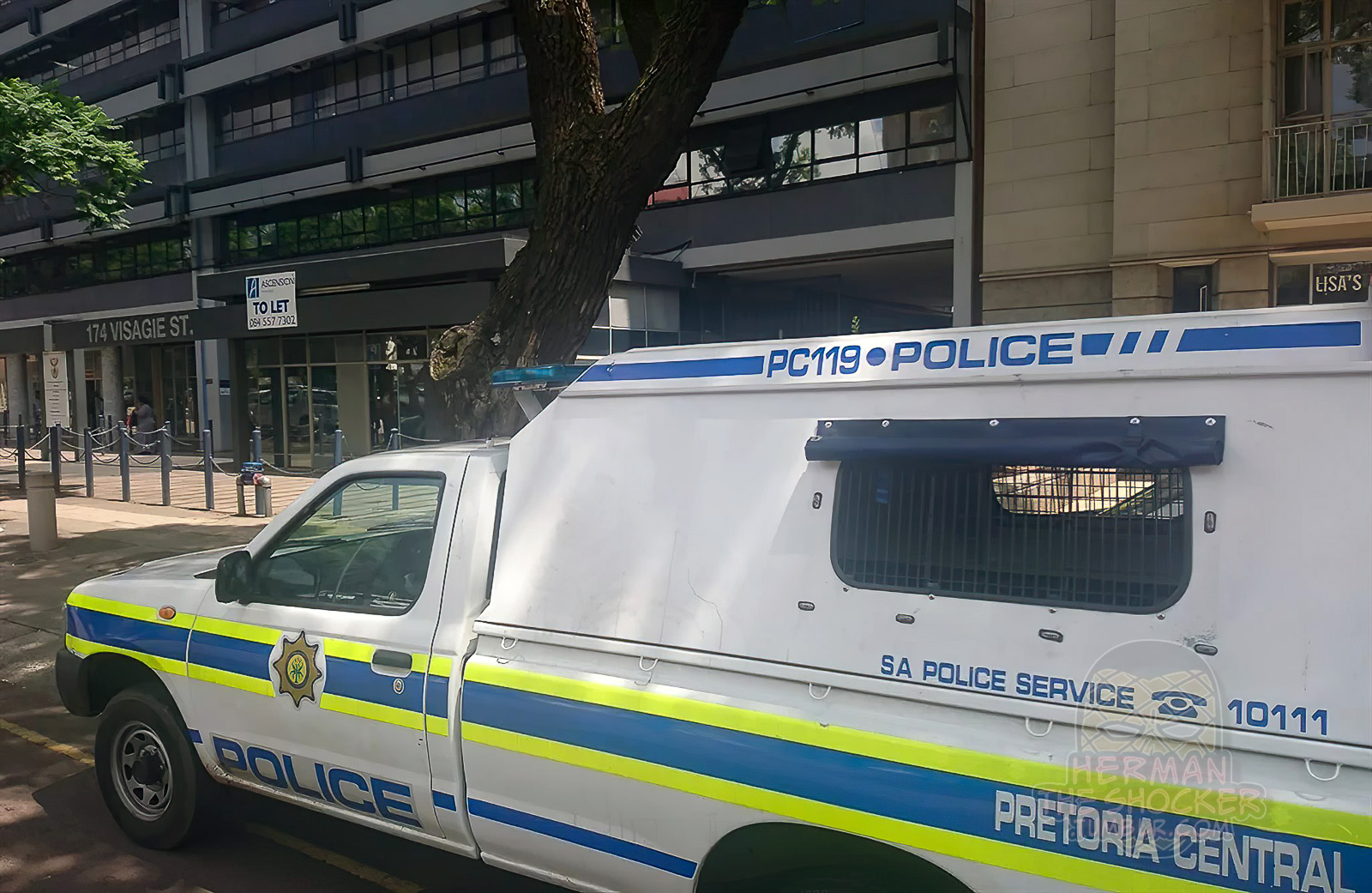 News reports: 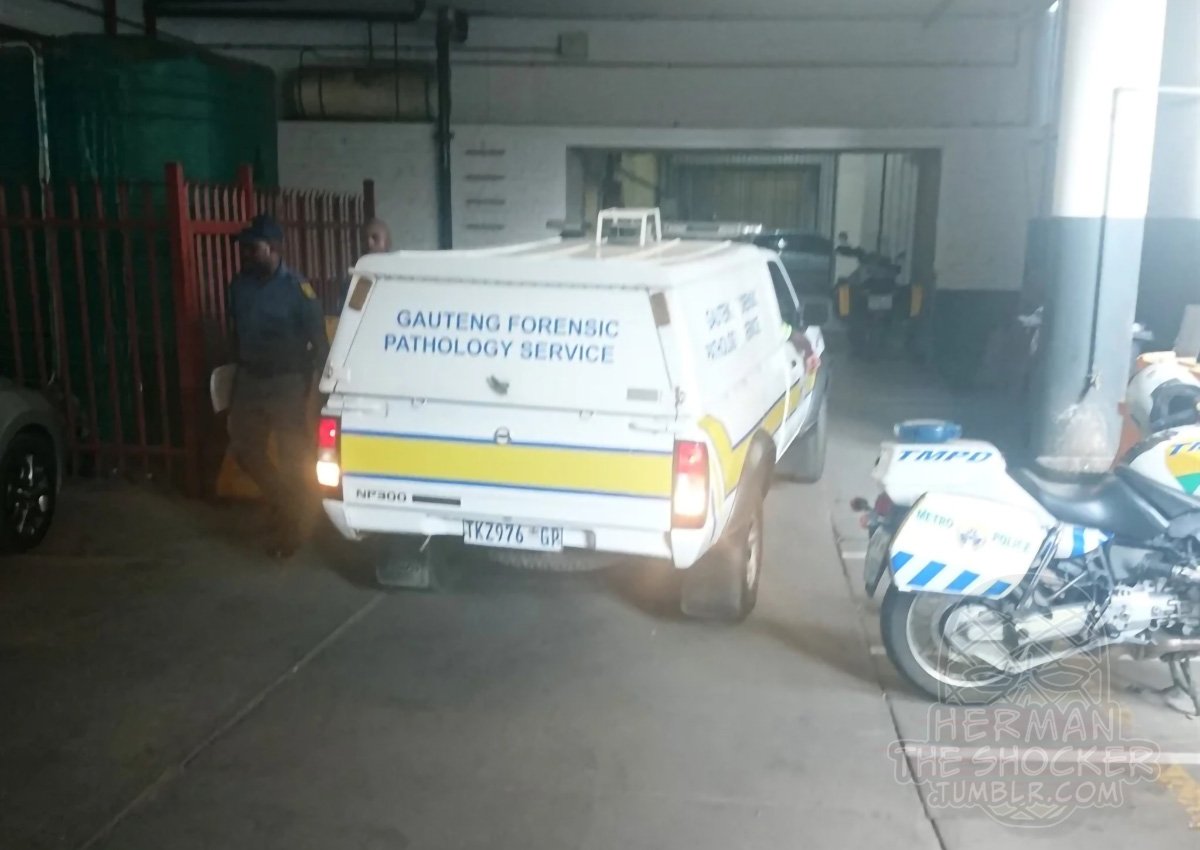
- This post is for educational purposes only and is nonprofit. Under Section 107 of the US Copyright Act of 1976; Allowance is made for "Fair Use" for purposes such as criticism, comment, news reporting, teaching, scholarship, and research. No copyright infringement intended. This post does not encourage or glorify violence or harassment. All/some of the images have been upscaled and sharpened/enhanced. The text might have been shortened and simplified, and/or reorganized for online view. Original case report by Makhoba M.A. & Toit-Prinsloo L. - Forensic Sci Med Pathol 2017. |
|
#2
●
05-11-2021, 12:40 PM
|
 BEHEMOTH Poster Rank:52 Blue-Eyes White Dragon Join Date: Apr 2021 Posts: 28,084
Contributions: 22
28,084Posts 88,947Thanked 13,486Quoted 337Mentioned 22Contrib. |
|
Re: Self-inflicted Explosive Death by Detonating a Firecracker in the Mouth
Interesting read, hadnt heard about this one. Thanks for sharing.
|
|
#3
●
05-12-2021, 12:40 AM
|
 wolfie Poster Rank:225 male Join Date: Jan 2010 Posts: 6,507 6,507Posts 3,230Thanked 109Quoted 2Mentioned 0Contrib. |
|
Re: Self-inflicted Explosive Death by Detonating a Firecracker in the Mouth
Well that was just fucking stupid. One less crazy fucker to spoon feed.
|
|
#4
●
05-12-2021, 12:48 AM
|
 My Rank: FIRST SERGEANT Poster Rank:404 MALE Join Date: May 2010 Posts: 3,014 3,014Posts 6,008Thanked 959Quoted 5Mentioned 0Contrib. |
|
Re: Self-inflicted Explosive Death by Detonating a Firecracker in the Mouth
Look ma, no hands, it's 4th of July!
|
|
#6
●
05-18-2021, 12:03 AM
|
| So Fucking Banned Poster Rank:195 geemonster is a NONCE Join Date: Oct 2009 Posts: 7,801 7,801Posts 4,516Thanked 3,583Quoted 14Mentioned 0Contrib. |
|
Re: Self-inflicted Explosive Death by Detonating a Firecracker in the Mouth
Thank you Hermann, I get to learn something everyday with you around.
|