|
#1
●
05-27-2021, 03:54 PM
| ||||||||
 ♚ Legacy Gold Member ♚ Poster Rank:907 Join Date: Jul 2020 Posts: 820
Contributions: 10
Mentioned: 13 Post(s) Quoted: 173 Post(s)
| ||||||||
|
Massive Colonization of Human Remains by a Microscopic Fungus
In December 2013, a corpse was found in an advanced state of decomposition inside a vehicle parked in the garage of a single-family dwelling located in the district of Vallés Occidental (Barcelona province, Spain). The garage was closed, dark, and wet. The vehicle had a large accumulation of dust, was completely closed, with no signs of having been forced from the inside or the outside. Inside the vehicle, in the passenger seat, a corpse of a middle-aged man was found, whose identification was not possible in situ but could probably be the owner of the dwelling, a man of 47 years with a history of depression (Fig.1). In the back of the van, a motorcycle was found with the key in the start position and with the gasoline tank half-filled, suggesting a violent death, suicide by carbon monoxide/dioxide poisoning. The inner surface of the vehicle was moldy, with metal surfaces oxidized and blackening of fabrics. On the outside of the passenger door remains of putrilage were documented, and in the seat where the corpse was located, there were remains of open numerous pupae from saprophytic Diptera. 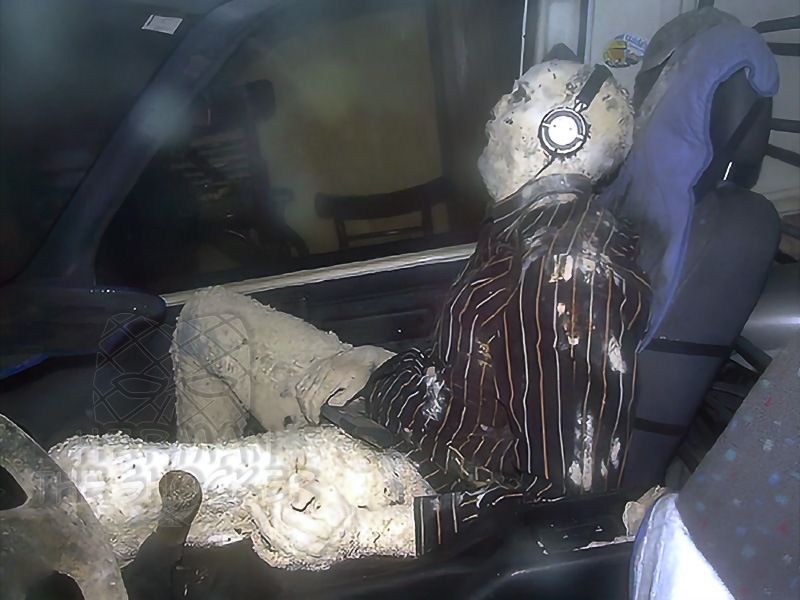 Fig.1 Picture showing the corpse in the passenger seat, as was originally found. The autopsy reported that the corpse was of an adult man, of slim build and about 1.75 m (5′ 8.9′′) tall, wearing a shirt, blue jeans, and leather shoes. On the head, there was a headset attached to a digital player device placed on the legs. His legs were slightly flexed at the hips and knees, according to the sitting position at the car. External examination revealed that the corpse was partially mummified, with a good preservation of subcutaneous tissue and muscle mass, coexisting with an active decomposition in the posterior surface of the torso, which was in contact with the seat, which is commonly found in both forensic and archaeological settings. The most surprising finding was that body was covered superficially by a whitish, cottony to powdery coating consistent with fungal growth (Fig.2), affecting all regions not covered by clothes (head, hands, forearms, and distal third of legs), which extended in patches to the anterior part of the trousers and the shirt (Fig.3). Internal examination showed no abnormalities. The date of death was established between January and February 2013 from data provided by testimonies of people who had last seen the victim alive around these dates, although it was not confirmed by the entomological study. 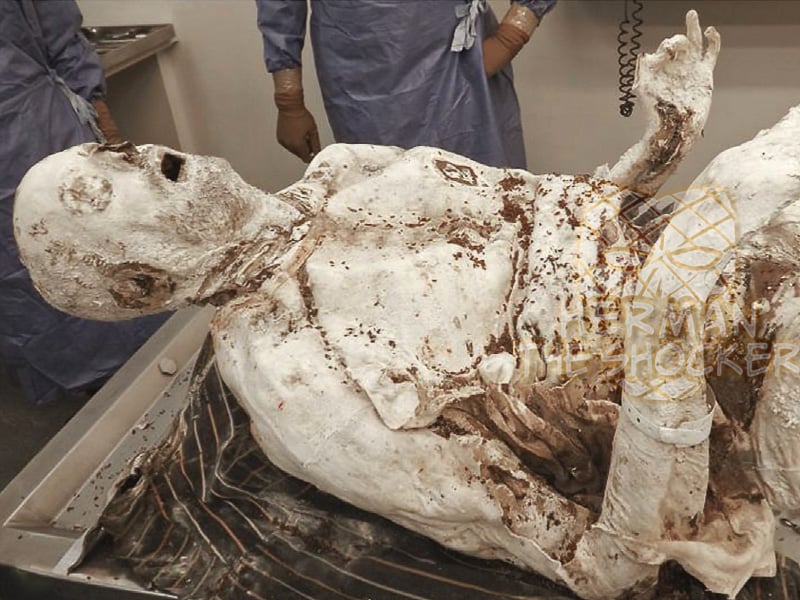 Fig.2 Partial view of the corpse without its clothing, in the autopsy room. Observe the whitish surface, compatible with a fungal growth. 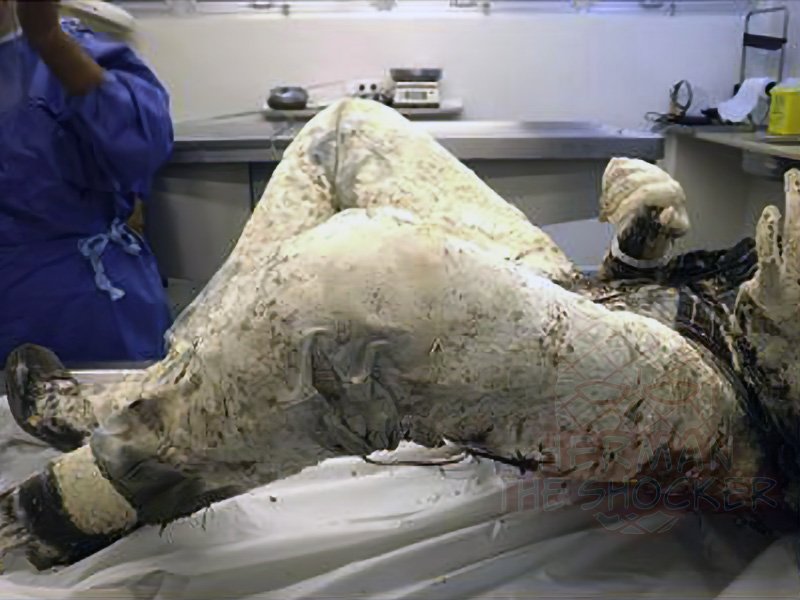 Fig.3 Bottom view of the corpse, with the trousers apparently colonized by a fungal growth. 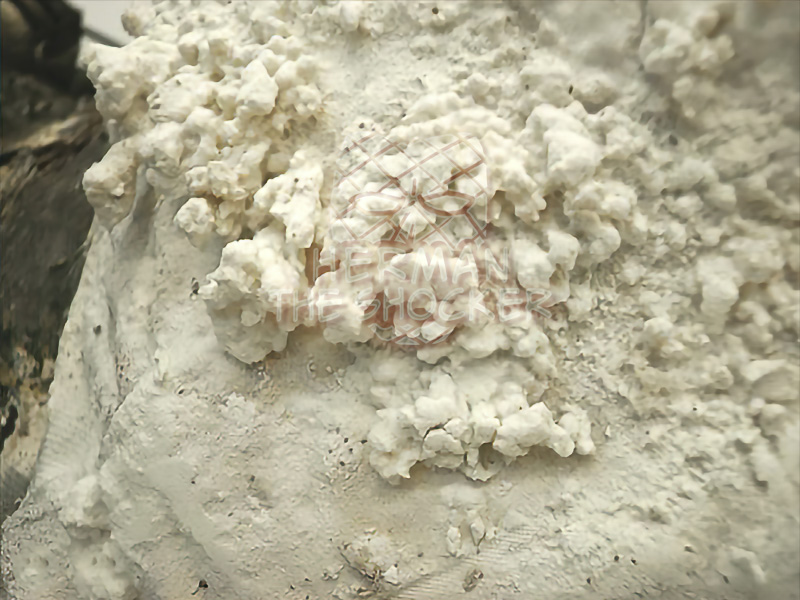 Fig.4 Whitish excrescences on the skin (hand). The identity of the corpse could not be established from DNA study of muscle samples due to their advanced degree of decomposition. Toxicological analyses were carried out on samples of liver, kidney, and lung. The results showed the presence of mirtazapine (antidepressant) in the liver sample, in accordance with the finding of empty blister packets in the household garbage. Cause and manner of death were considered to be related to mirtazapine and/or carbon monoxide/carbon dioxide poisoning, which suggested suicide by intoxication. The fungus produced powdery to granular, pale brown colonies, with an orange-brown reverse, showing strong sporulation (production of conidia) in all culture media tested. These phenotypic features were compatible with the fungus Scopulariopsis brevicaulis. 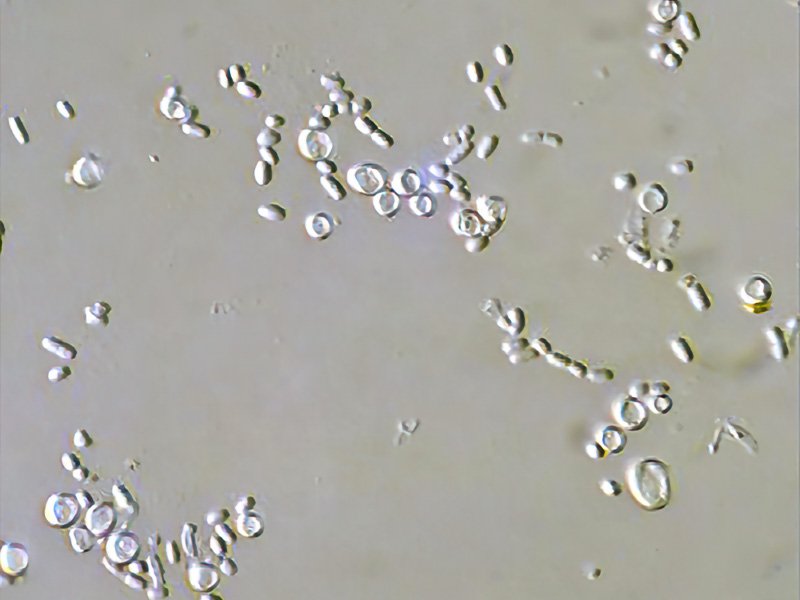 Fig.5 Direct mounting. Globose and cylindrical spores (bar = 20 μm). 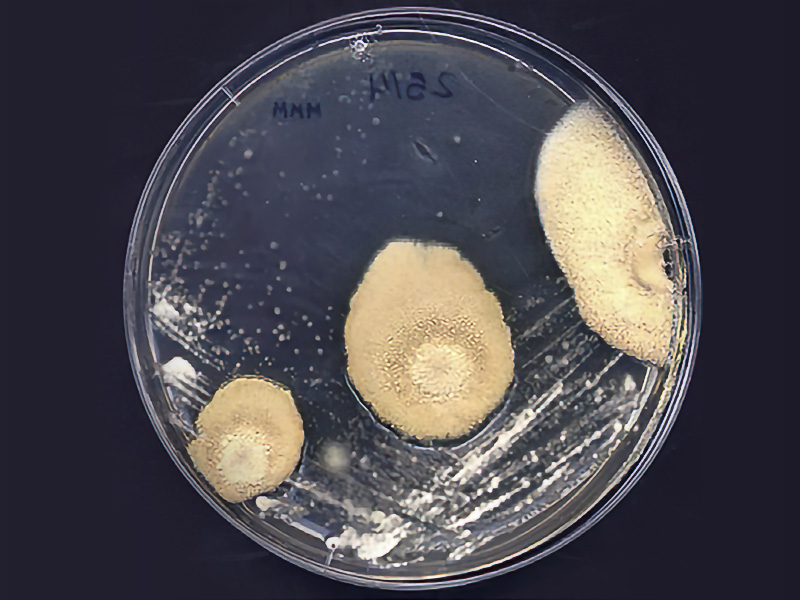 Fig.6 Fungal growth on SDA after one week of incubation, from direct streaking of the specimens. The brownish colonies corresponded to the fungus Scopulariopsis bevicaulis. 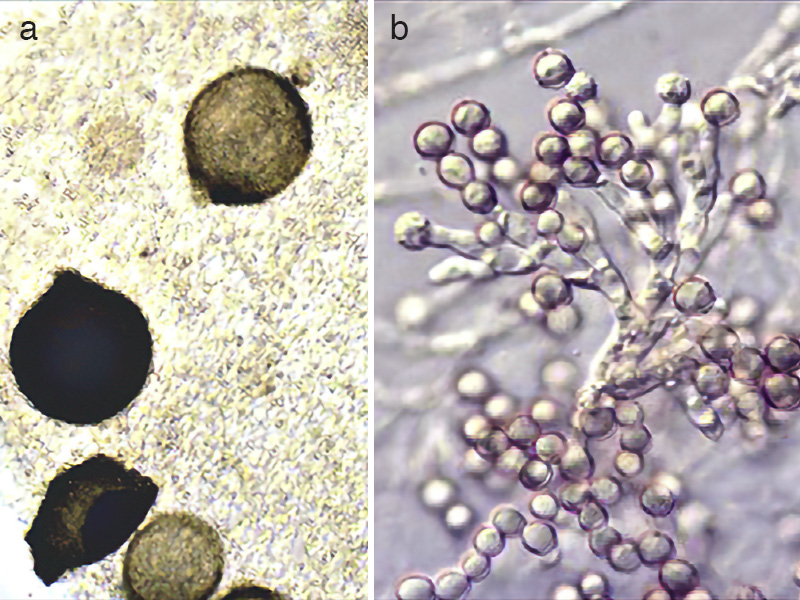 Fig.7 a A primary isolate. The big, globose dark structures are sterile ascomata (sexual morph), and the small structures are conidia (asexual morphs) of S. brevicaulis (bar = 50 μm). b Conidiophores and conidia in chains of the selected strain, typical asexual reproductive structures of S. brevicaulis (bar = 20 μm). Scopulariopsis brevicaulis has never been reported on human remains, less still covering all its surface, as in this case. The special circumstances surrounding the death of the individual, such as a CO2 rich/O2 poor atmosphere, the little fluctuation of the temperature, low exposure to biotic factors, together with a high fungal inoculum and the physiological abilities of that fungus, altered the “normal” microbial succession of the remains. The fungus S. brevicaulis was present in the surroundings of the individual before his death, which probably then infected the skin or other anatomical areas, and the effects of the death (the production of gases from gasoline combustion, the isolation of the remains, which reduces dramatically their exposure to environmental biotic and abiotic factors that could have led to faster deterioration) facilitated significantly the spread of the fungus over the surface of the individual. - This post is for educational purposes only and is nonprofit. Under Section 107 of the US Copyright Act of 1976; Allowance is made for "Fair Use" for purposes such as criticism, comment, news reporting, teaching, scholarship, and research. OP is not a medical expert. No copyright infringement intended. This post does not encourage or glorify violence/harassment. Images might have been upscaled and enhanced. Text might have been shortened and simplified/reorganized for online view. Original case report by Calduch M., Girbal J., Galtés I., Malgosa A., Gallego M.Á., Stchigel A.M. - International Biodeterioration & Biodegradation 2018. |
|
#2
●
05-27-2021, 04:24 PM
| ||||||||
| My Rank: LANCE CORPORAL Poster Rank:2351 Female Join Date: Nov 2014 Posts: 194 Mentioned: 0 Post(s) Quoted: 57 Post(s)
| ||||||||
|
Re: Massive Colonization of Human Remains by a Microscopic Fungus
Awesome. Wonder what he was listening to in his final moment. Another great post  always have the best quality always have the best quality
|
|
#3
●
05-27-2021, 04:59 PM
| ||||||||
| ♚ Legacy Gold Member ♚ Poster Rank:99 Male Join Date: Nov 2009 Posts: 16,492 Mentioned: 6 Post(s) Quoted: 4547 Post(s)
| ||||||||
|
Re: Massive Colonization of Human Remains by a Microscopic Fungus
I'm surprised he went and killed himself, being that he was such a fun gi.
|
|
#4
●
05-27-2021, 08:05 PM
| ||||||||
 My Rank: LANCE CORPORAL Poster Rank:1976 XX Join Date: Jun 2017 Posts: 253 Mentioned: 0 Post(s) Quoted: 30 Post(s)
| ||||||||
|
Re: Massive Colonization of Human Remains by a Microscopic Fungus
i’d love to see a moldy corpse in a horror movie/video game!
|
|
#5
●
05-27-2021, 09:49 PM
| ||||||||
 ☾ Administrator ☽ Poster Rank:77 ஜᎻᎬᎩᎾᏦᎪஜ Join Date: Dec 2011 Posts: 19,443
Contributions: 32
Mentioned: 169 Post(s) Quoted: 6801 Post(s)
| ||||||||
|
Re: Massive Colonization of Human Remains by a Microscopic Fungus
Herman, you are setting the bar so high for yourself. You will never get away with posting anything regular, mundane, or common. HAHA AAP! (another awesome post)
__________________ 💜🧿See Human | Be Human🧿💜 (War Section Hashtags) |
|
#6
●
05-28-2021, 09:06 AM
| ||||||||
| ♚ Legacy Gold Member ♚ Poster Rank:346 "IT"-Species; Genus-genius Join Date: Jan 2013 Posts: 3,612 Mentioned: 0 Post(s) Quoted: 615 Post(s)
| ||||||||
|
Re: Massive Colonization of Human Remains by a Microscopic Fungus
herman, keep providing us with disgusting,old, moldy, rotten, stinky, putrid content. You simply can’t get any worse! Can you? |
|
#7
●
05-28-2021, 12:21 PM
| ||||||||
| ♚ Legacy Gold Member ♚ Poster Rank:907 Join Date: Jul 2020 Posts: 820
Contributions: 10
Mentioned: 13 Post(s) Quoted: 173 Post(s)
| ||||||||
|
Re: Massive Colonization of Human Remains by a Microscopic Fungus
Thanks everyone! Haha I'm hoping it's a bottomless pit  |
|
#8
●
05-28-2021, 05:00 PM
| ||||||||
 My Rank: LANCE CORPORAL Poster Rank:2557 Male Join Date: Apr 2014 Posts: 168
Contributions: 11
Mentioned: 1 Post(s) Quoted: 64 Post(s)
| ||||||||
|
Re: Massive Colonization of Human Remains by a Microscopic Fungus
Then you should play Control. It has the right kind of mold people you're looking for.
|
|
#10
●
05-29-2021, 12:24 AM
| ||||||||
 My Rank: PRIVATE FIRST CLASS Poster Rank:4799 Join Date: Jun 2017 Posts: 58 Mentioned: 0 Post(s) Quoted: 16 Post(s)
| ||||||||
|
Re: Massive Colonization of Human Remains by a Microscopic Fungus
He got so high on shrooms he became one.  |