|
#1
●
03-26-2015, 09:39 AM
|
 ♚ Legacy Gold Member ♚ Poster Rank:369 Male Join Date: Jan 2014 Posts: 3,224
Contributions: 25
3,224Posts 9,648Thanked 654Quoted 8Mentioned 25Contrib. |
|
Farmer Drowned In A Water Hole
On the morning of Wednesday, a farmer drowned in a water hole in the countryside of São Caetano, Brazil. She was 64 years old, was married. Residents passing by saw a bucket attached to the wall and when they were looking in the water hole, they saw the victim floating and called the police. The body was recovered from the water by a fire department staff. The cousin of the victim said that she did not know how to swim and she was suffering from labyrinthitis and possibly had a sudden seizure and fell in, when she went to take water. According to residents the water level in the hole is about 2 meters. The police ruled out murder and sent the body to the morgue of Caruaru.  · 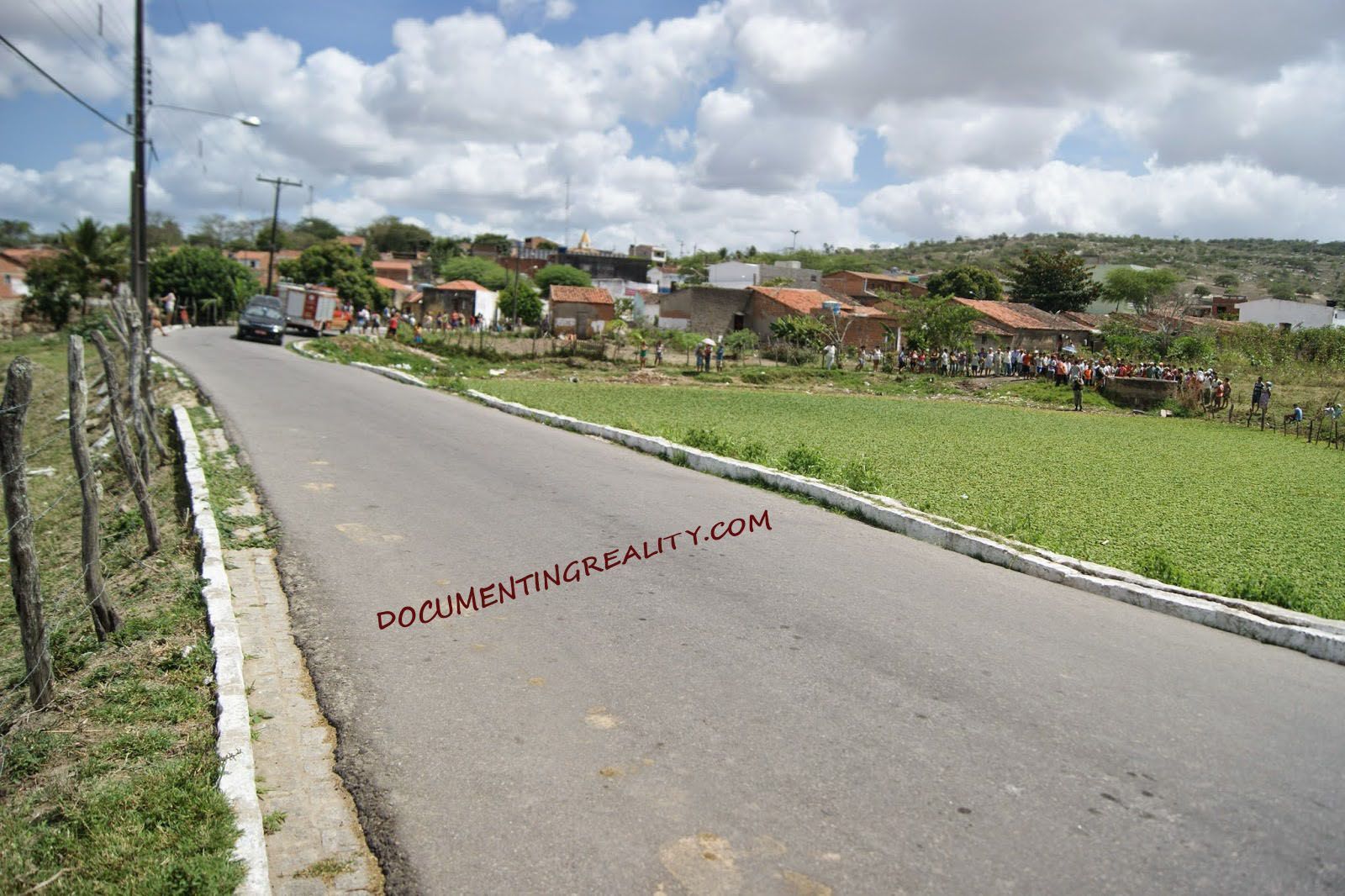 · 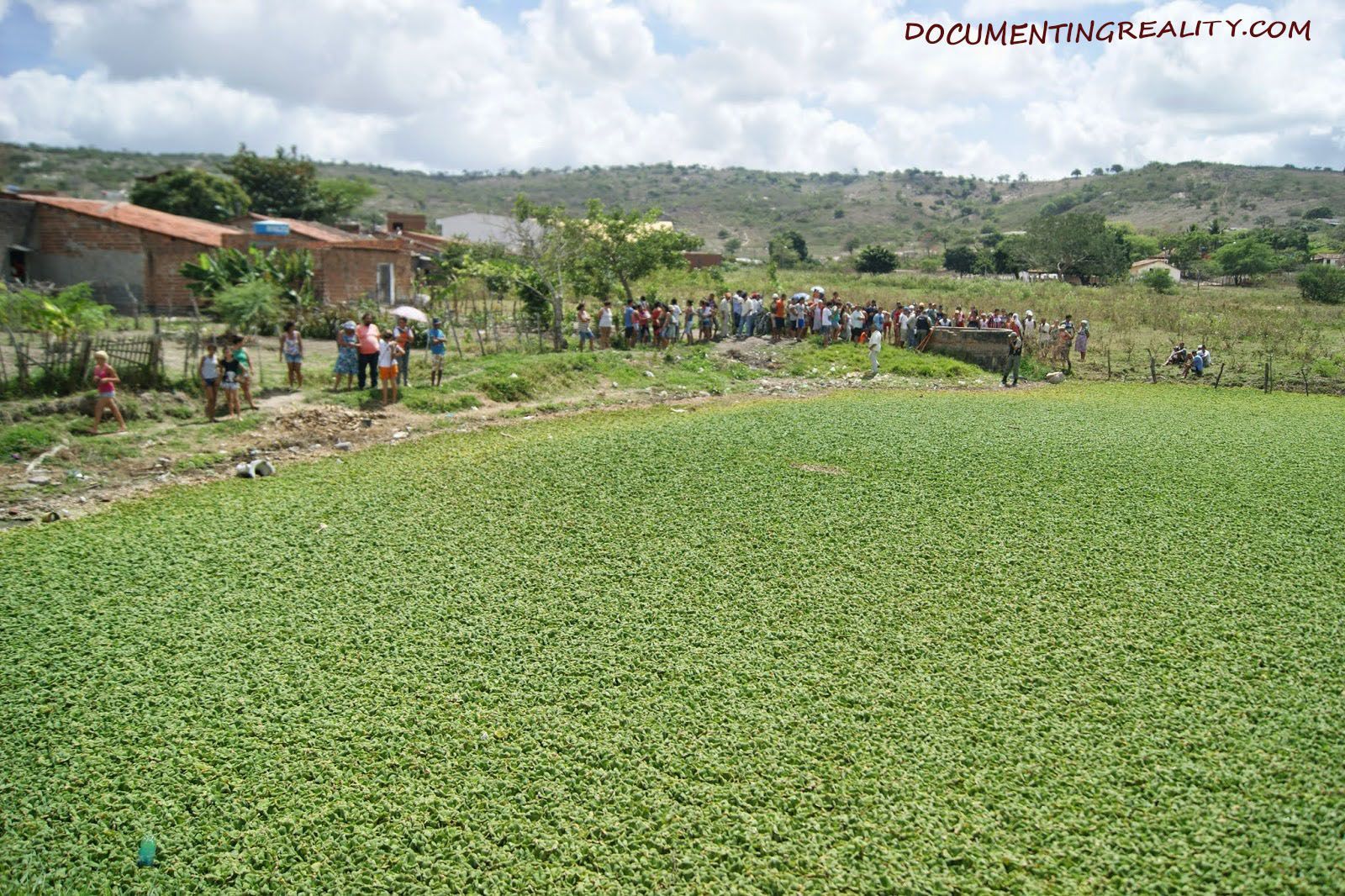 · 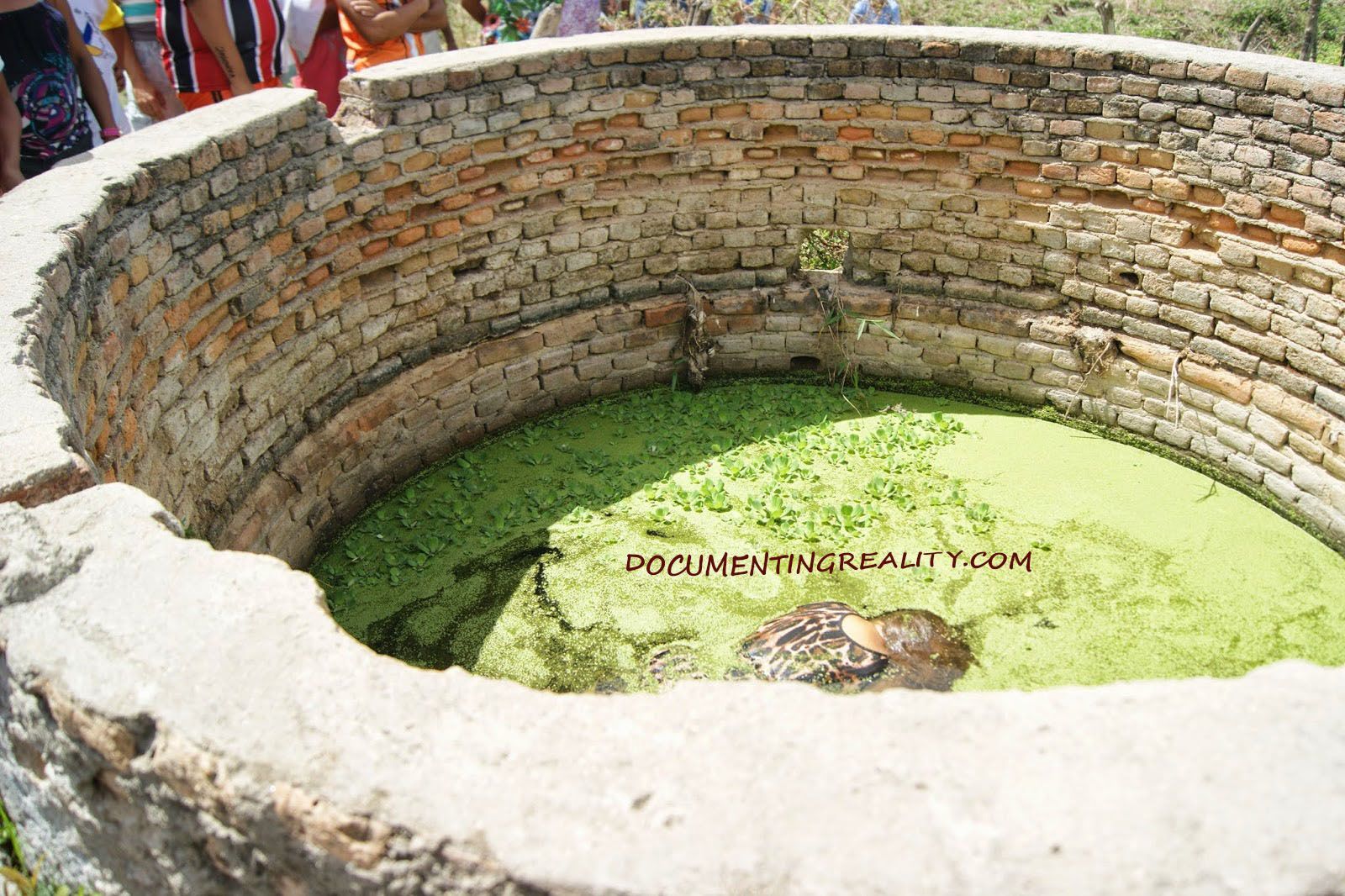 ·  · 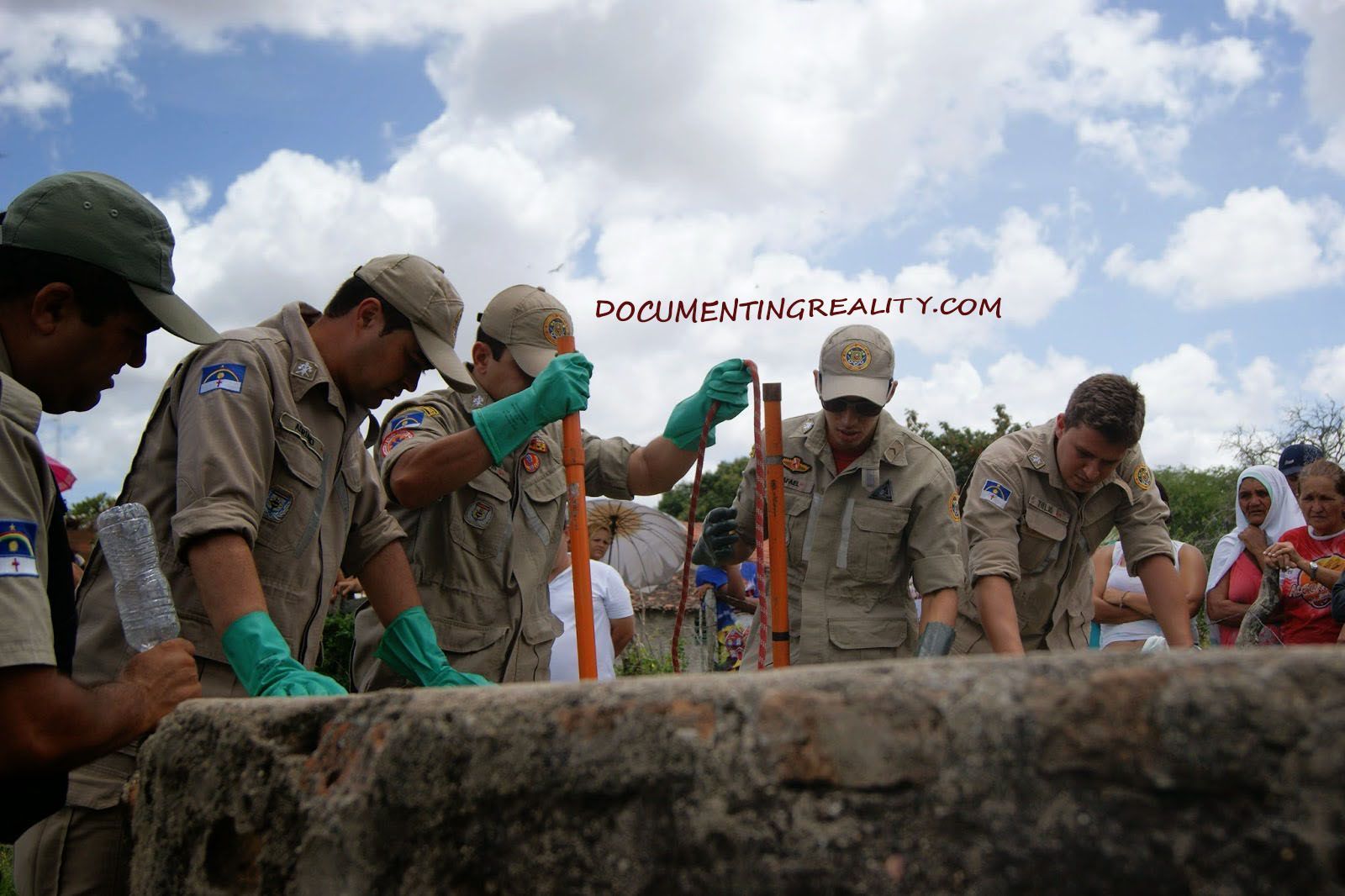 ·  ·  · 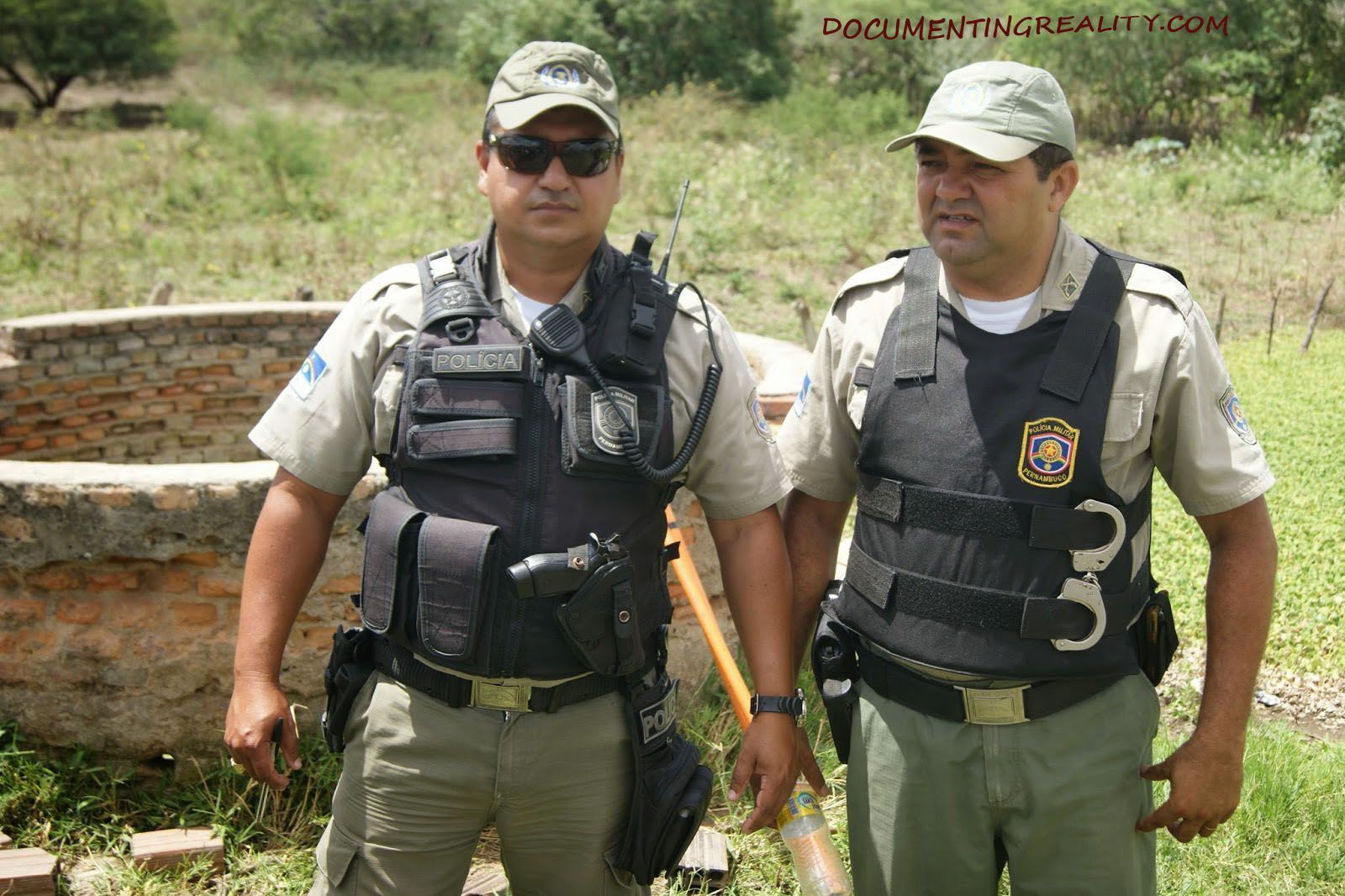 · 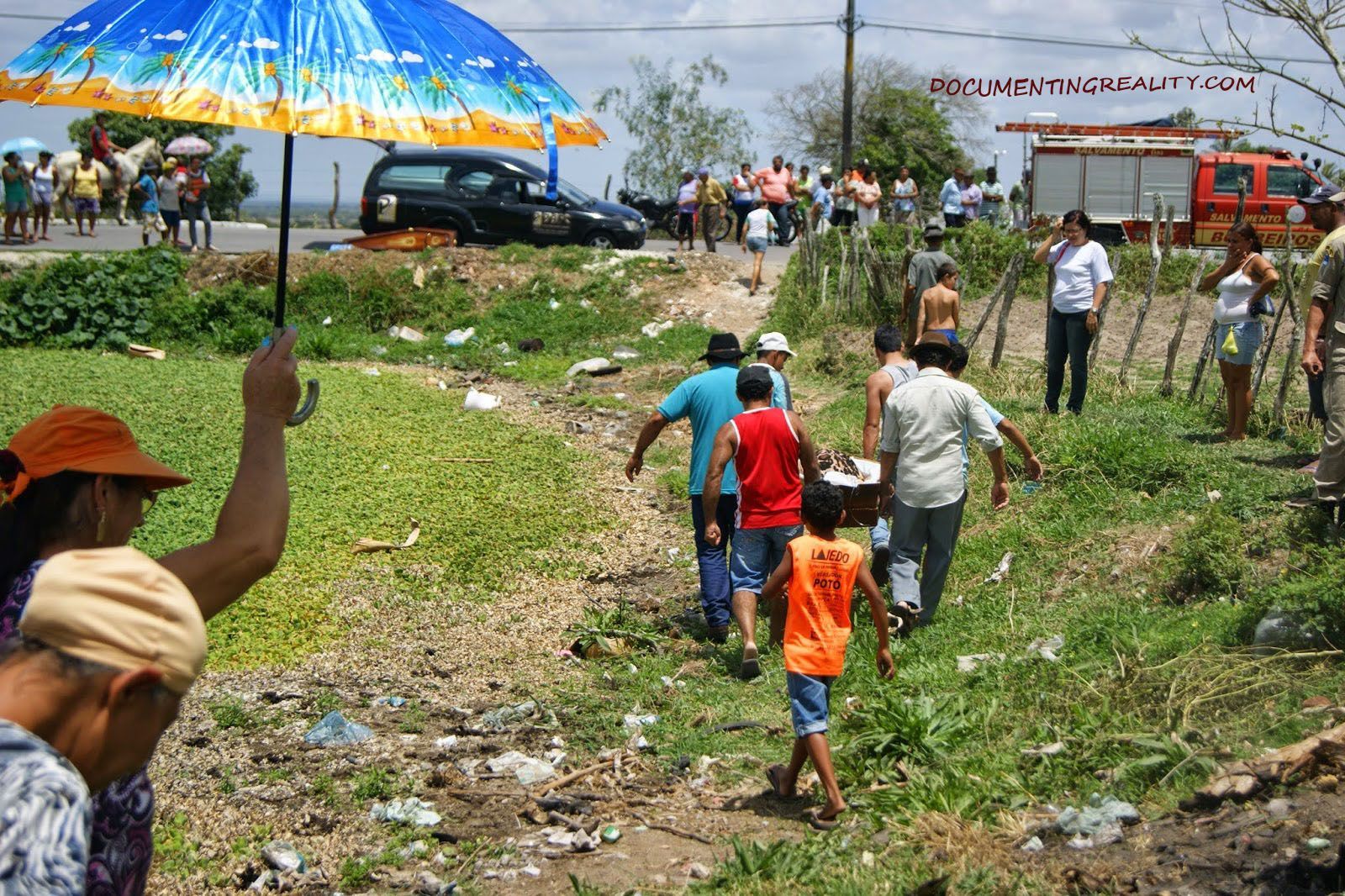 · |
|
#4
●
03-26-2015, 11:02 AM
|
 Don’t care- support group Poster Rank:2038 Woman Join Date: May 2014 Posts: 242 242Posts 756Thanked 68Quoted 2Mentioned 0Contrib. |
|
Re: Farmer Drowned In A Water Hole
At least she is wearing the typical farming attire; leopard print mini dress.
|
|
#7
●
03-26-2015, 02:27 PM
|
 ✝Mudderator from Hell✝ Poster Rank:10 e-mail Join Date: Oct 2006 Posts: 96,704
Contributions: 902
96,704Posts 543,873Thanked 10,374Quoted 479Mentioned 902Contrib. |
|
Re: Farmer Drowned In A Water Hole
that looks like a big bowl of poisonous soup
|