|
#1
●
01-13-2013, 03:43 PM
| ||||||||
 My Rank: MAJOR Poster Rank:12 Join Date: Jun 2009 Posts: 93,128
Contributions: 226
Mentioned: 91 Post(s) Quoted: 2009 Post(s)
| ||||||||
|
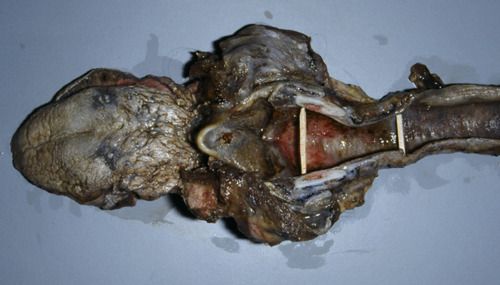
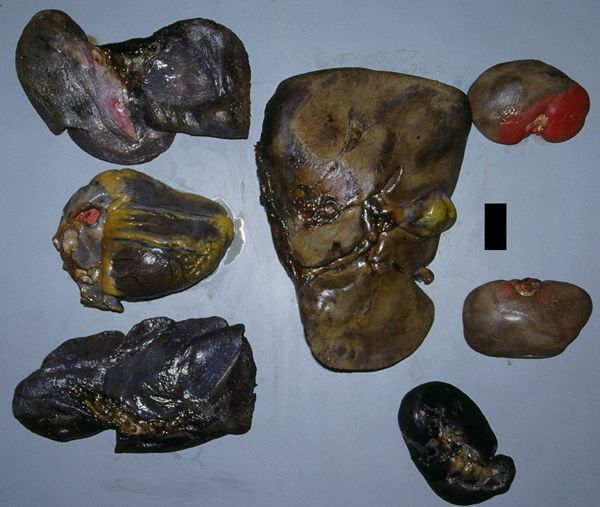
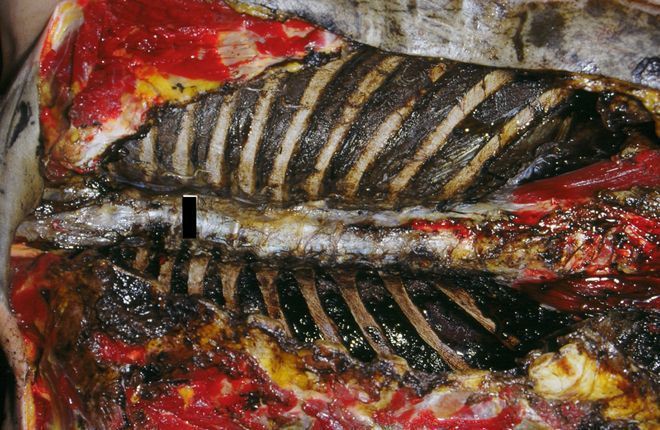
Death Due to Ingestion of Concentrated Sulfuric Acid
 ·  ·  ·  ·  · |
|
#3
●
01-13-2013, 04:01 PM
| ||||||||
 ♚ Legacy Gold Member ♚ Poster Rank:199 Female Join Date: Nov 2009 Posts: 7,765 Mentioned: 5 Post(s) Quoted: 709 Post(s)
| ||||||||
|
Re: Death Due to Ingestion of Concentrated Sulfuric Acid
That is a really nasty death choice! Why oh why would you choose to kill yourself that way....unless he was forced to swallow it!  |
|
#4
●
01-13-2013, 04:36 PM
| ||||||||
 ★Wizard Of Gore★ Poster Rank:2 Join Date: Aug 2009 Posts: 127,801
Contributions: 1
Mentioned: 457 Post(s) Quoted: 30201 Post(s)
| ||||||||
|
Re: Death Due to Ingestion of Concentrated Sulfuric Acid
It looks like we're having ribs tonight!!  |
|
#7
●
01-13-2013, 06:38 PM
| ||||||||
 ♚ Legacy Gold Member ♚ Poster Rank:450 I'll hoist you upon mine own petard. Join Date: Jul 2010 Posts: 2,552 Mentioned: 5 Post(s) Quoted: 1198 Post(s)
| ||||||||
|
Re: Death Due to Ingestion of Concentrated Sulfuric Acid
Seemed like a good idea at the time...  |
|
#10
●
01-13-2013, 10:05 PM
| ||||||||
 Southern Belle Poster Rank:694 goes off half cocked Join Date: Apr 2012 Posts: 1,249 Mentioned: 0 Post(s) Quoted: 21 Post(s)
| ||||||||
|
Re: Death Due to Ingestion of Concentrated Sulfuric Acid
Could have thought of a better way of killing himself...he suffered for awhile before dying
|