Translated from an article dated 29th September 2018: Near Gomel unearthed one of the largest urban burials of victims of the Second World War
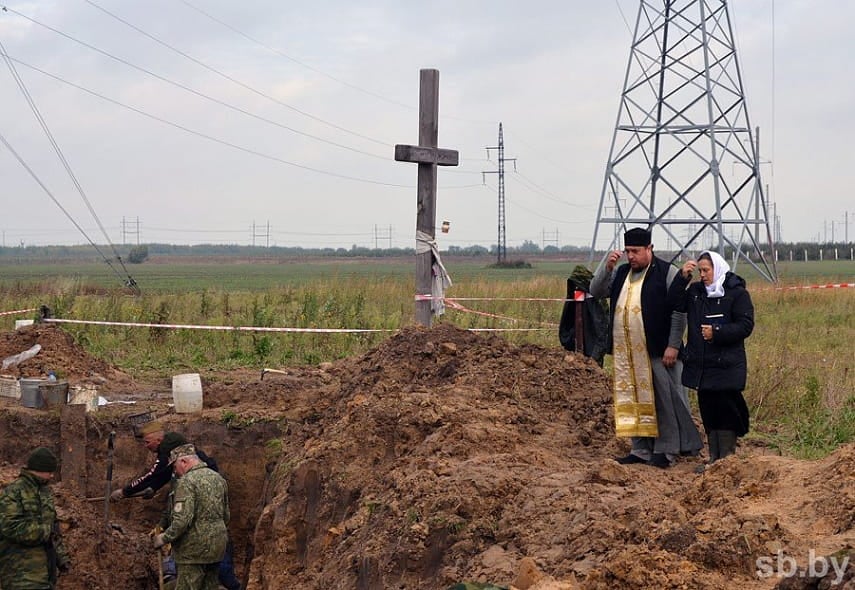
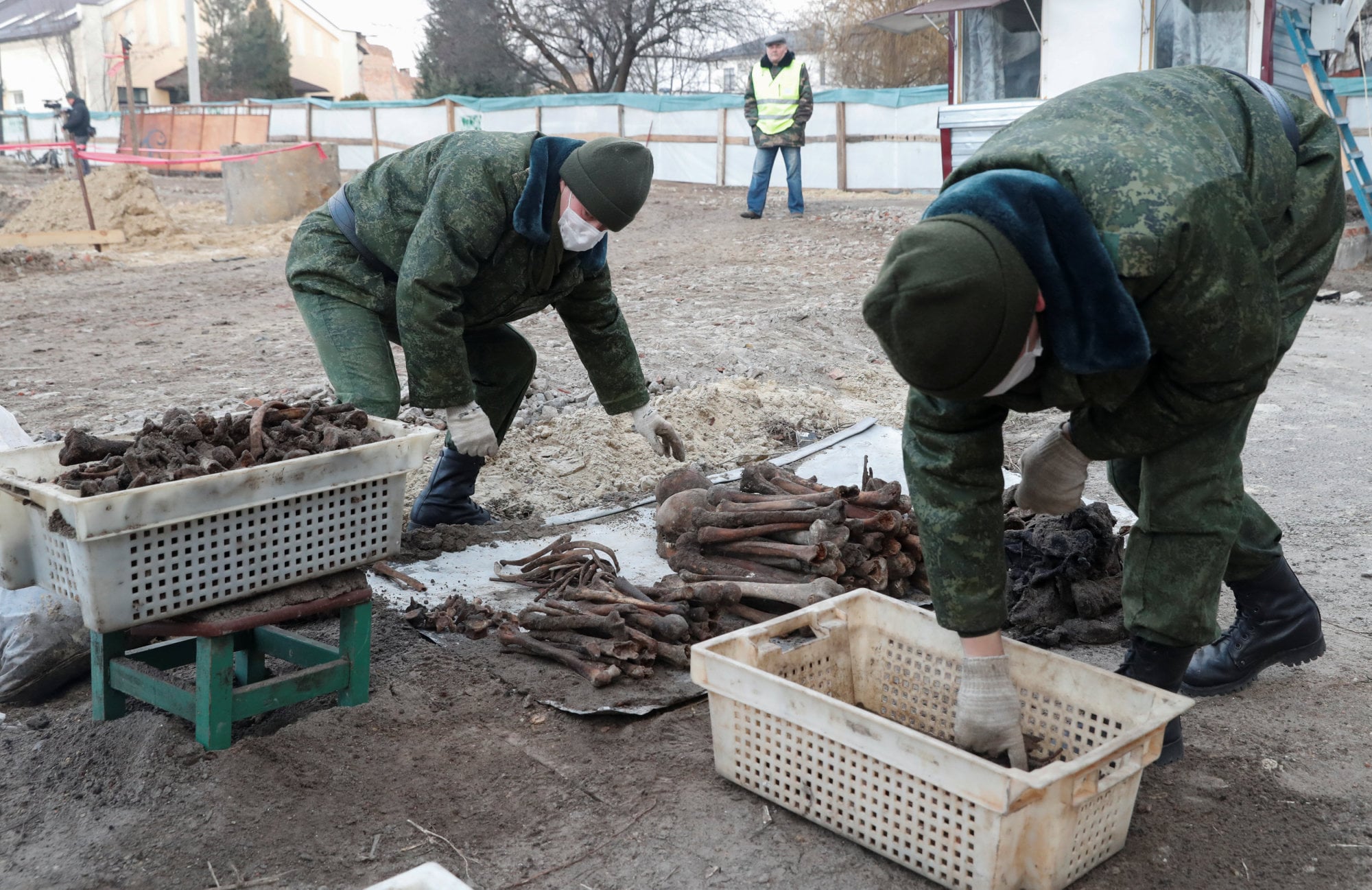
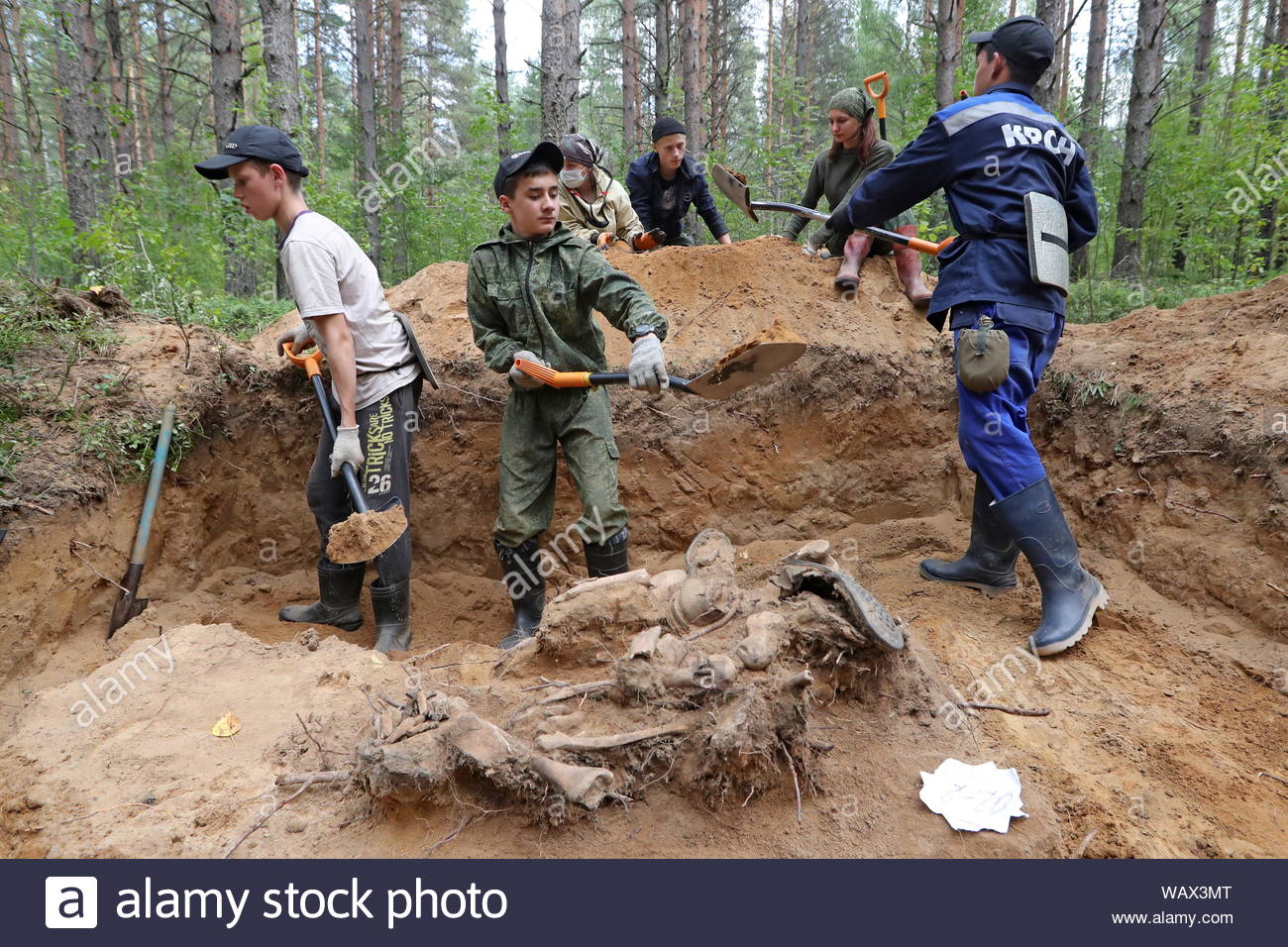
One of the largest graves of victims of the Great Patriotic War was excavated near Gomel. We are talking about thousands of Soviet soldiers, refugees and residents, who were destroyed by the Nazi invaders. Two dozen human bodies and many personal items have already been found in the first pit, the estimated length of the mass grave is about a kilometer. It was the locals who were able to find a mass grave from the stories of their parents, according to German aerial photographs purchased on the Internet (“Bury us humanly”, “SB” on April 17, 2017).
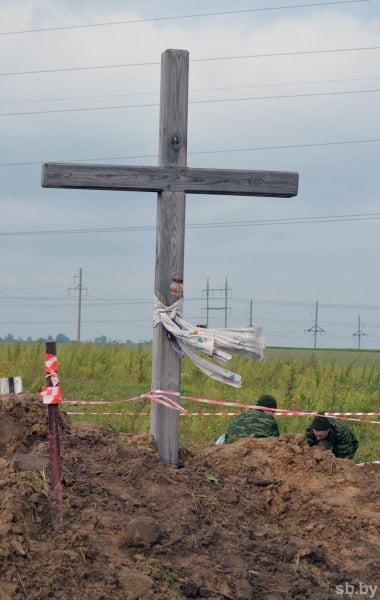
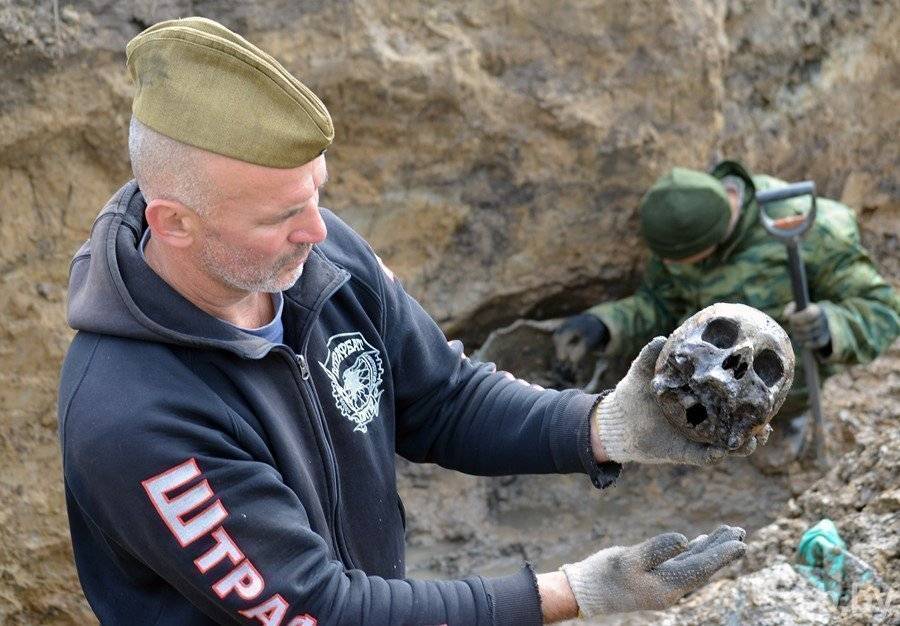
A compressed autumn field on the outskirts of Gomel, like 77 years ago. Then it became a place of mass execution. This finding is evidenced by the findings of the volunteer Vitaly Medvedev:
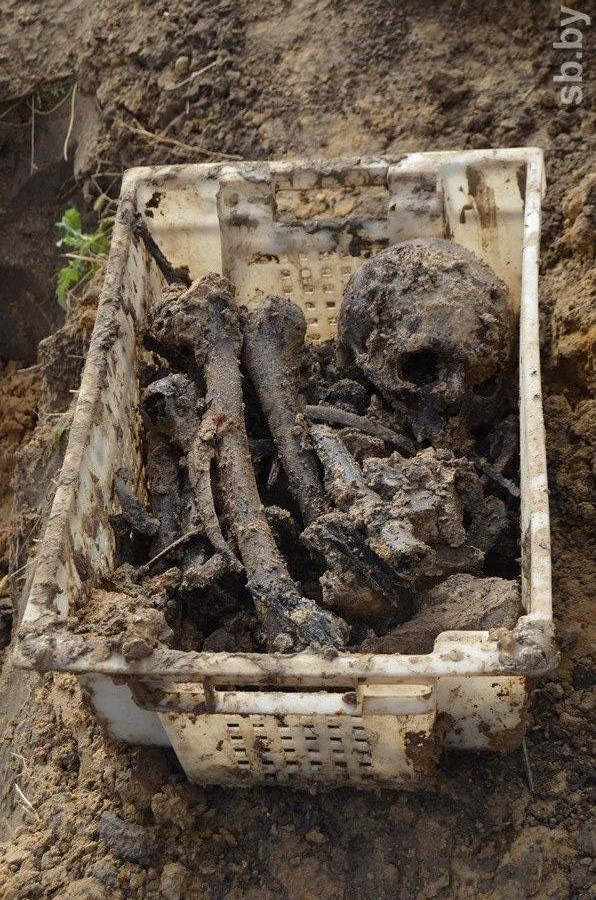
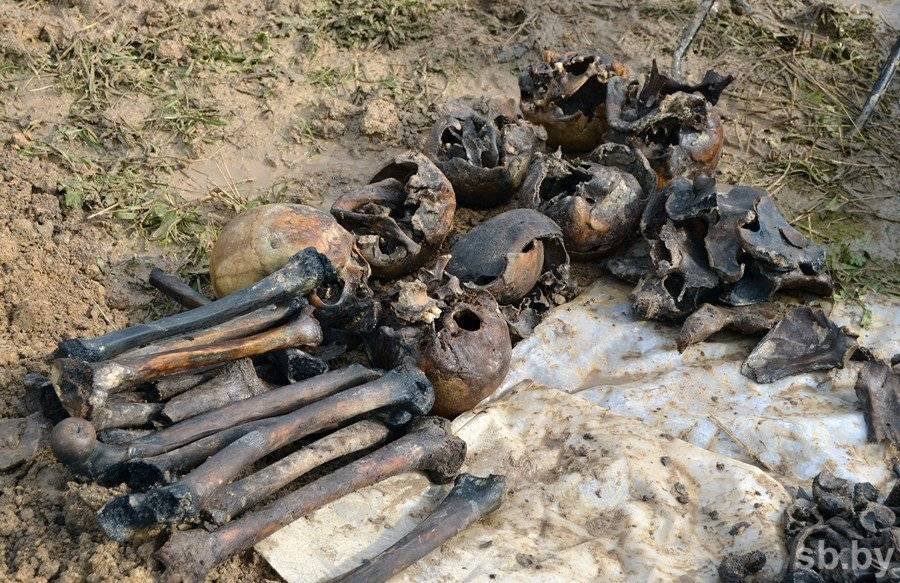
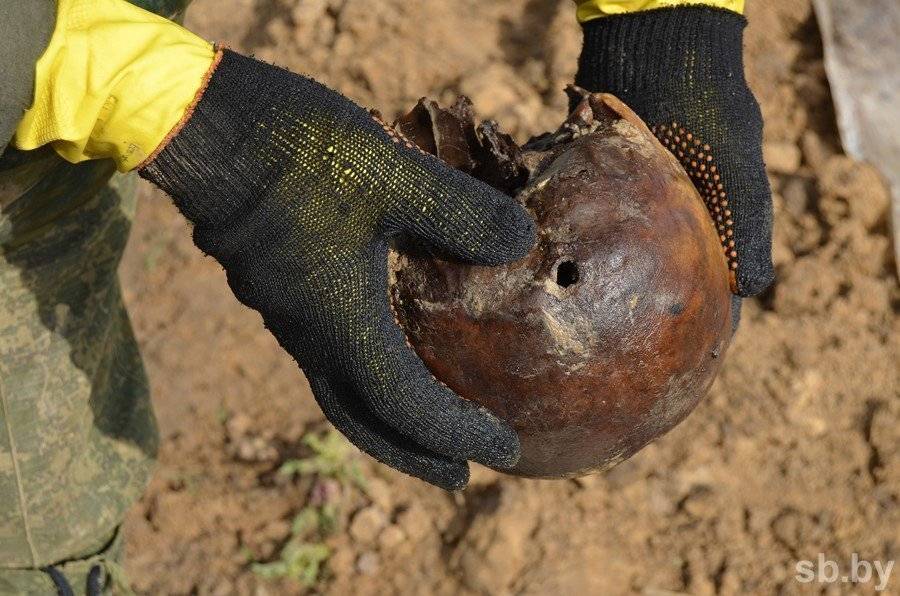
“Here, look, skull, there’s a bullet hole in it.” And I found five such skulls in a row. Obviously the bodies were stacked. You see, people killed like logs are not movie frames, but our story.
This story is a local legend. Along the village of Krasnoe (a suburb of Gomel) in 1941, an anti-tank moat was dug up - the city's line of defense. It was his invaders who used it as a finished grave. Eyewitness accounts were recorded immediately after the liberation of the city by Soviet troops. They were registered more likely to search for war criminals than to perpetuate the memory of the dead. The Gomel moat fell asleep in the early 1960s. There is almost no documentary data, only popular rumor, Gomel resident Vladimir Kotov shares his memories:
- This is the story of my father. In those days he was a teenager. In the fall of 1941, he accidentally saw several trucks in the distance. The Germans brought people to be shot. He was hiding in the bushes. When the shots and screams subsided, he began to make his way to the place of execution. The Germans left, but one of our soldiers was still alive. He crawled out of the ground and asked his father: “Someday, if the war ends, son, let them bury us.” My father told me this story, my friends and I decided to get to the bottom of the truth.
Rural legends checked by facts. Through the Internet, caring descendants acquired German photographs of the military aerial photography of Gomel and the environs of 1941. The village of Krasnoe and the anti-tank moat were clearly visible on them. Asked the tractor driver: dig. And there are bones ... They fell asleep back. We turned to the village council, and then to the 52nd separate specialized search battalion, which is engaged in military excavations.
Our dialogue interrupts the cry: “Found interesting! "
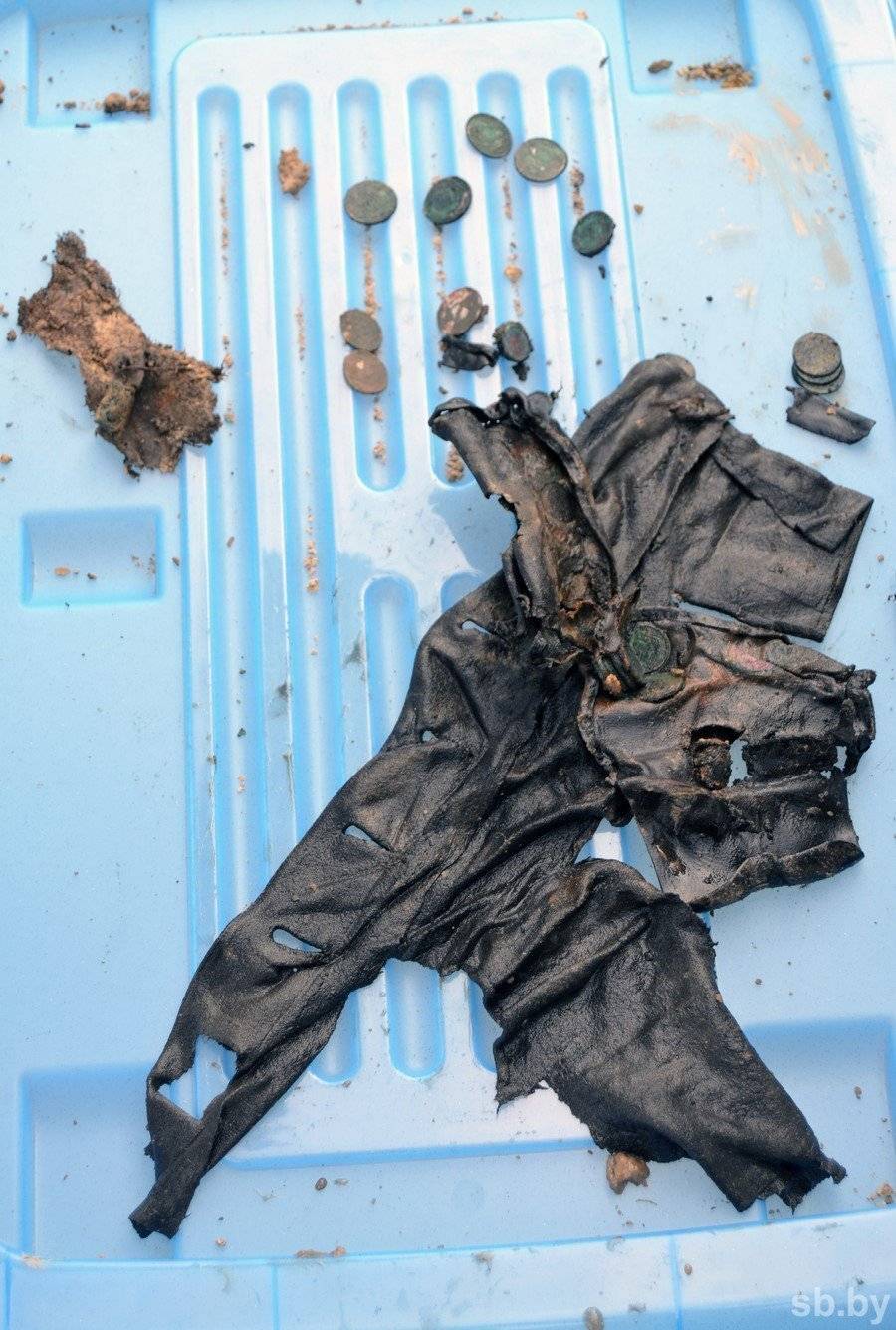
They bring part of the decayed clothes, and in it is a sewn-in purse with Soviet coins of the 1930s and 40s. A meager belongings for the future, which was taken away by the invaders. Different coins are found here, says the foreman of the 52nd separate specialized search battalion Denis Gribovsky:
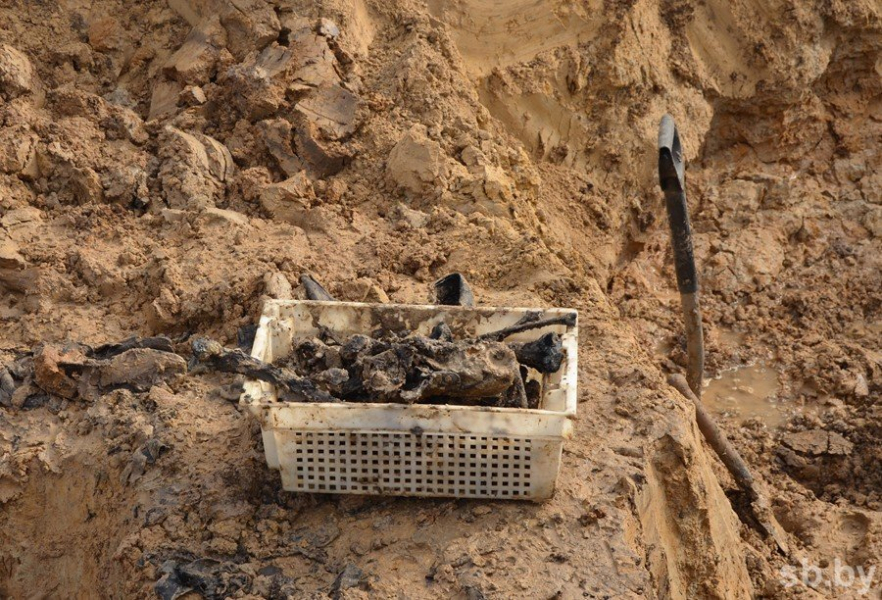
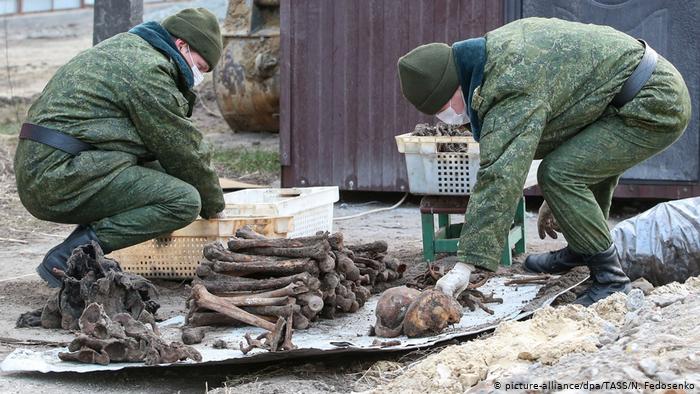
- Within a few days, the remains of presumably 20 people were discovered, all of the time of the Second World War, many skulls were shot. Also various personal items: glasses, clothing items, Soviet, Lithuanian, Polish coins. Perhaps those killed were refugees or prisoners displaced from these territories. There is a lot of work. So far, they have unearthed a trench of about 10-15 meters, and the length of the anti-tank ditch is 700. We plan to work until the end of October.
The scale of burial can shock contemporaries. Over two years, more than 110 thousand Soviet soldiers were destroyed in the dungeons of the Gomel camp "Dulag-121" During the years of occupation, the population of Gomel decreased by 10 times - from 150 to 15 thousand people. Military and civilian may be mixed here, the deputy director of the Gomel regional museum of military glory Konstantin Mishchenko puts forward the version:
- How many people are buried in this ditch is unknown. But the bill can go to thousands.
Facts from documents have been preserved that, for the destruction of Gomel residents and prisoners of Dulag-121, five mobile crematoriums and a brick factory kiln worked in the city. But they simply could not cope with the terrible tasks of the Nazis. People were massively buried at the site of the modern Central stadium, some were taken out of town. Most likely in this anti-tank moat.
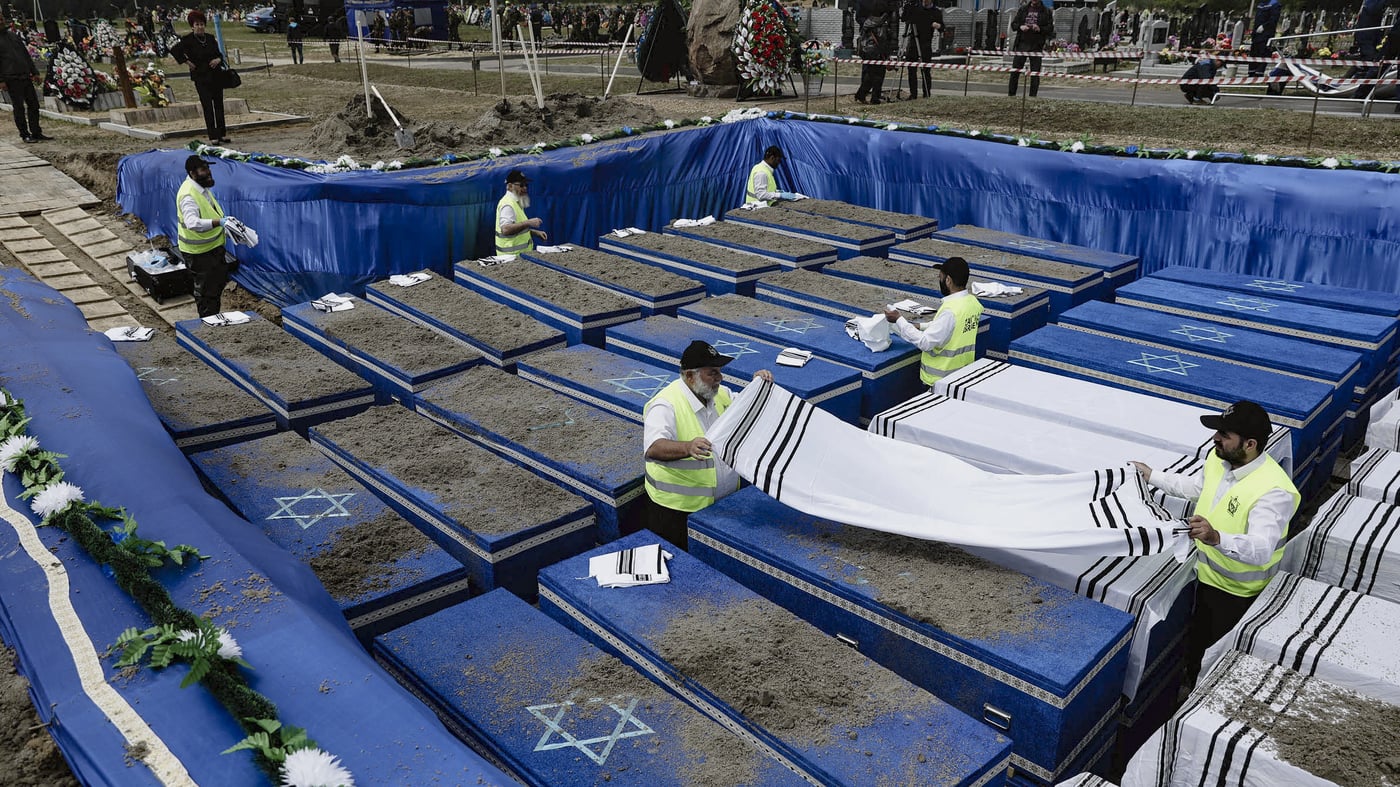
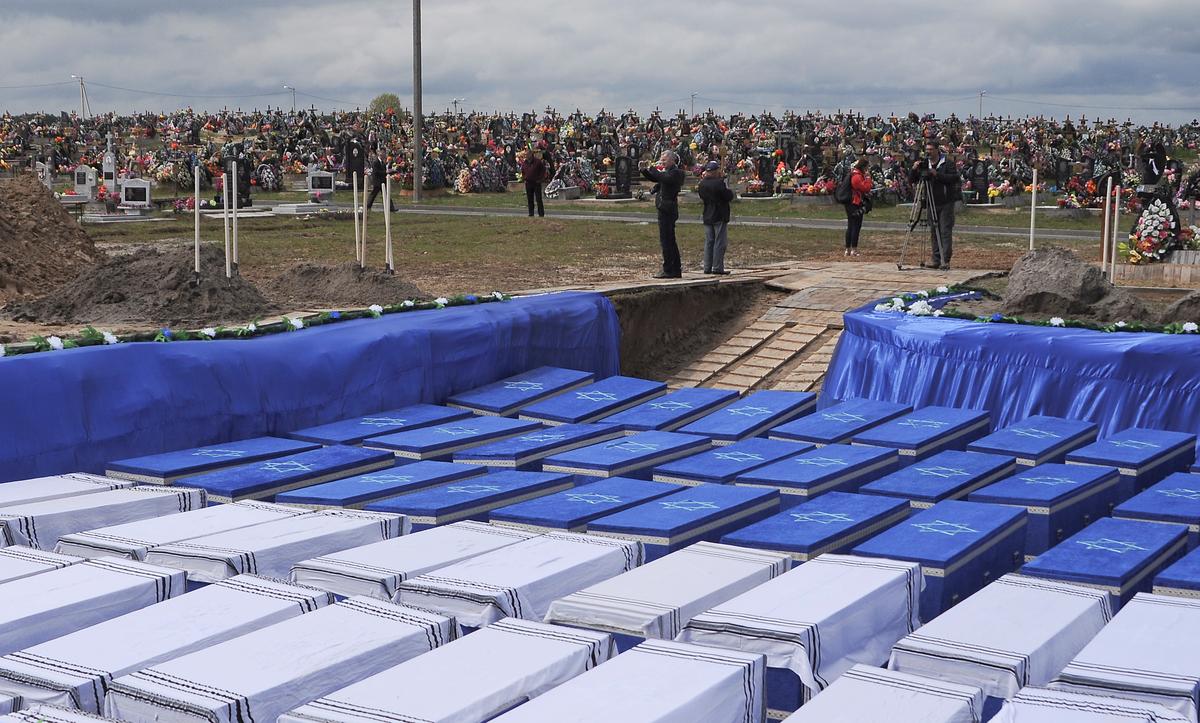
At the moment, soldiers of the 52nd battalion and volunteers of historical and patriotic clubs are working at the excavation site - 15-20 people. As local volunteers assure, there are not enough forces, the length of the ditch is 700 meters, the width is 4, so before the frost with shovels and enthusiasm does not have time, you need technology. Plus a trailer, even with hot tea, the weather is rainy. Activists hope that their work will lead not only to the reburial of the remains, but also to the creation of a small memorial with a chapel in memory of the victims of the war.
By the way, near the wooden cross installed on this place by the residents of the Krasnoye agro-town, a priest from the local church recited a prayer for the repose of the souls of the deceased, and then held a memorial service.