
|
#521
●
05-04-2024, 09:13 AM
| ||||||||
 ✝Mudderator from Hell✝ Poster Rank:11 e-mail Join Date: Oct 2006 Posts: 95,399
Contributions: 817
Mentioned: 473 Post(s) Quoted: 10154 Post(s)
| ||||||||
|
Re: Whiskey's Briefing Room III
JDAM-ER Winged Bombs With Seekers That Home In On GPS Jammers Headed To Ukraine Plans to give Ukraine JDAM-ERs with new seekers come as Western precision-guided munitions are reportedly suffering from Russian GPS jamming. The U.S. Air Force is buying add-on seekers designed to give Joint Direct Attack Munition-Extended Range (JDAM-ER) precision-guided bombs supplied to Ukraine the ability to zero in on GPS jammers. In effect, this would turn one of the weapons most impacted by this countermeasure into one used to directly attack it. This follows growing reports that Russian jamming is severely degrading the effectiveness of Western-supplied GPS-guided munitions, including JDAM-ERs. The Pentagon announced today that the U.S. Air Force Life Cycle Management Center (AFLCMC) had awarded Cypress, California-headquartered Scientific Applications and Research Associates Inc. a contract valued at $23,554,341 for "the acquisition of Home-on GPS Jam seekers" and the "integration of the extended range seekers into existing Joint Direct Attack Munition wing kits." "This contract involves Foreign Military Sales to Ukraine," the Pentagon's announcement also noted. JDAM-ERs have been in use in Ukraine since at least March 2023. The Ukrainian Air Force's Soviet-era MiG-29 Fulcrums and Su-27 Flankers are being used to employ these weapons with the help of specialized pylons and tablet-based control systems in their cockpits. Details about the seeker system itself are limited, but Scientific Applications and Research Associates Inc. (SARA) has been developing capabilities like this for integration onto various precision-guided munitions for years now. "Should an enemy strive to complicate the battlefield by stray or competitive RF energy, SARA’s HOJ subsystems can enable a host guided bomb or missile to engage it as the system or operator might prefer," according to a brochure the company put out circa 2018. "HOJ is compact and 1/10th the production cost of prior-generation systems. HOJ uses solid state components and a common munition interface which provides rapid, low-cost integration." Just last week, Bill LaPlante, U.S. Under Secretary of Defense for Acquisition and Sustainment, the Pentagon's top weapons buyer, talked about an unspecified precision-guided weapon system falling prey to a combination of GPS jamming and other factors. LaPlante, who was speaking at an open event hosted by the Center for Strategic and International Studies (CSIS) think tank, did not name the weapon system, but provided details that strongly implied it was the Ground-Launched Small Diameter Bomb (SDB) "Excalibur precision artillery rounds initially had a 70% efficiency rate hitting targets when first used in Ukraine. However, after six weeks, efficiency declined to only 6% as the Russians adapted their electronic warfare systems to counter it," Dr. Daniel Patt, a senior fellow at the Hudson Institute think tank in Washington, D.C., said in written testimony submitted ahead of a hearing before members of the House Armed Services Committee back in March. Patt said this data had come by way of Dr. Jack Watling, a senior research fellow at the Royal United Services Institute (RUSI) think tank in the United Kingdom. The 155mm Excalibur artillery shell uses a GPS-assisted guidance package. There had been even earlier reports that JDAM-ERs and ground-launched 227mm Guided Multiple Launch Rocket System (GMLRS) artillery rockets were also being negatively impacted by Russian GPS jamming. Russia's use of GPS jamming extends well beyond Ukraine. In the Baltic region, Russia's employment of such systems, likely to try to protect critical facilities and assets from long-range Ukrainian drone attacks, has become so pronounced that it is now having serious and potentially dangerous impacts on commercial aviation. The Baltic Jammer is in Kaliningrad. With all this in mind, arming Ukraine with munitions capable of homing in on Russian GPS jammers could be very valuable for targeting those systems and, by extension, helping to eliminate, or at least mitigate the impact, of the interference they cause. While destroying the emitters directly will certainly help other guided weapons get to their targets, the mere threat of being destroyed by a standoff weapon as a result of emitting should suppress the jammers' use. At the very least, it could result in them being activated for shorter periods of time before relocating. 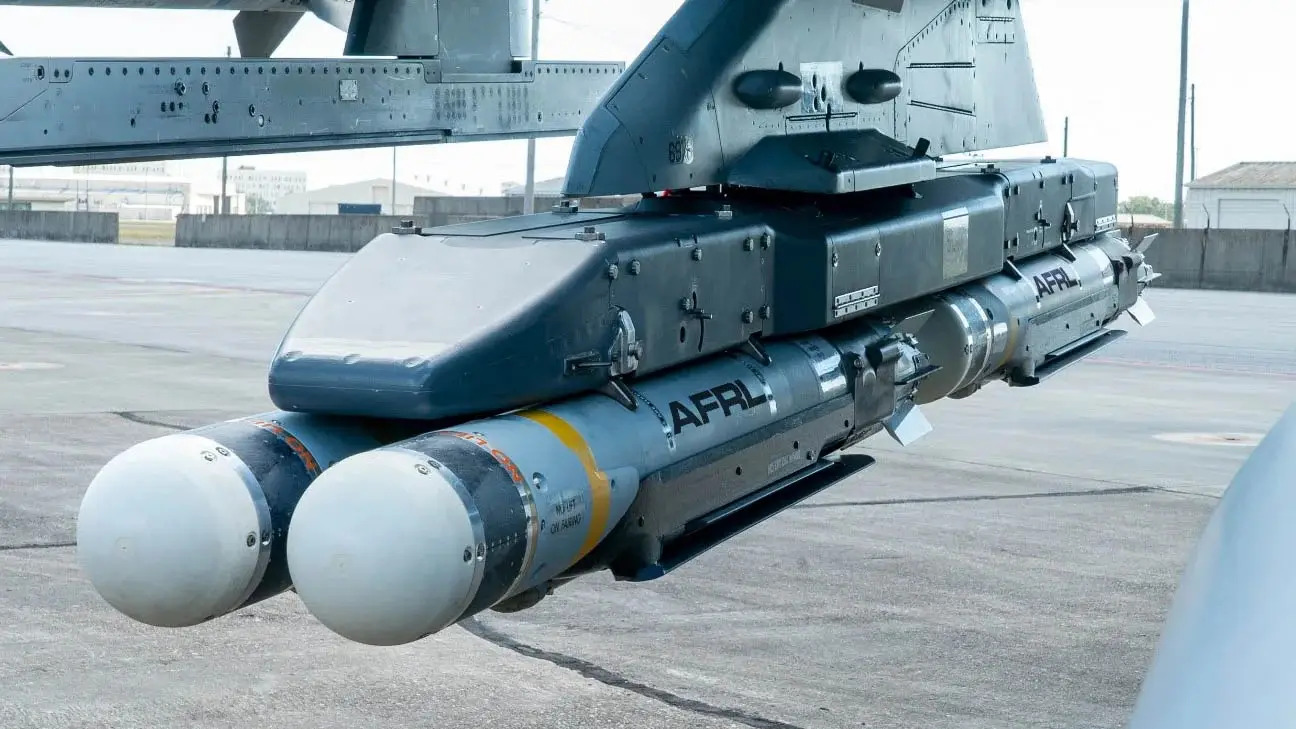 · 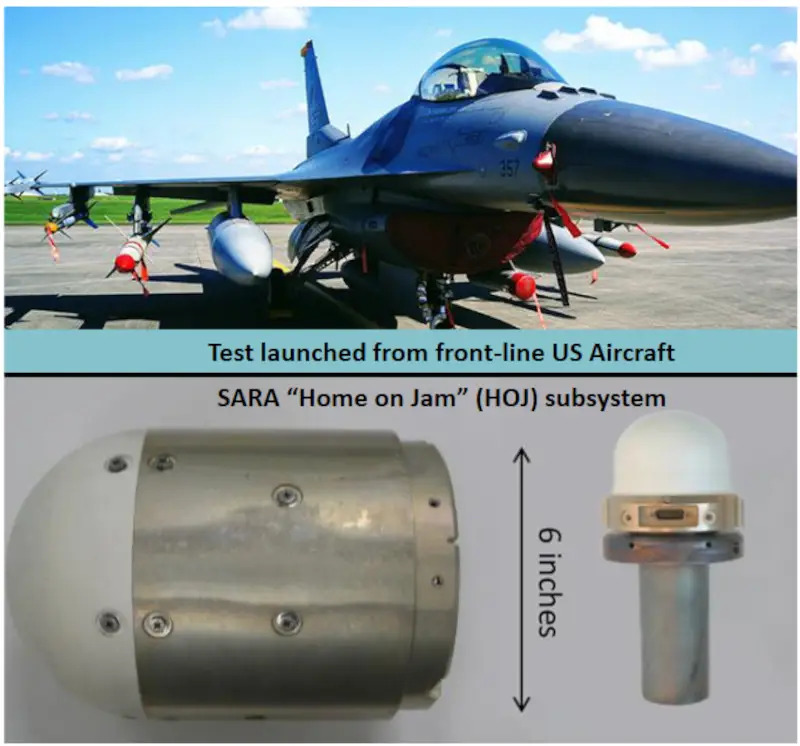 · 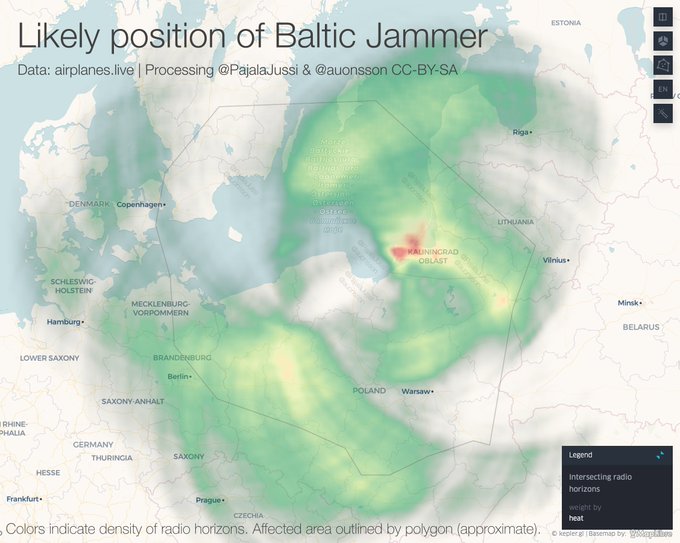 · |
|
#522
●
05-05-2024, 11:11 AM
| ||||||||
| ✝Mudderator from Hell✝ Poster Rank:11 e-mail Join Date: Oct 2006 Posts: 95,399
Contributions: 817
Mentioned: 473 Post(s) Quoted: 10154 Post(s)
| ||||||||
|
Re: Whiskey's Briefing Room III
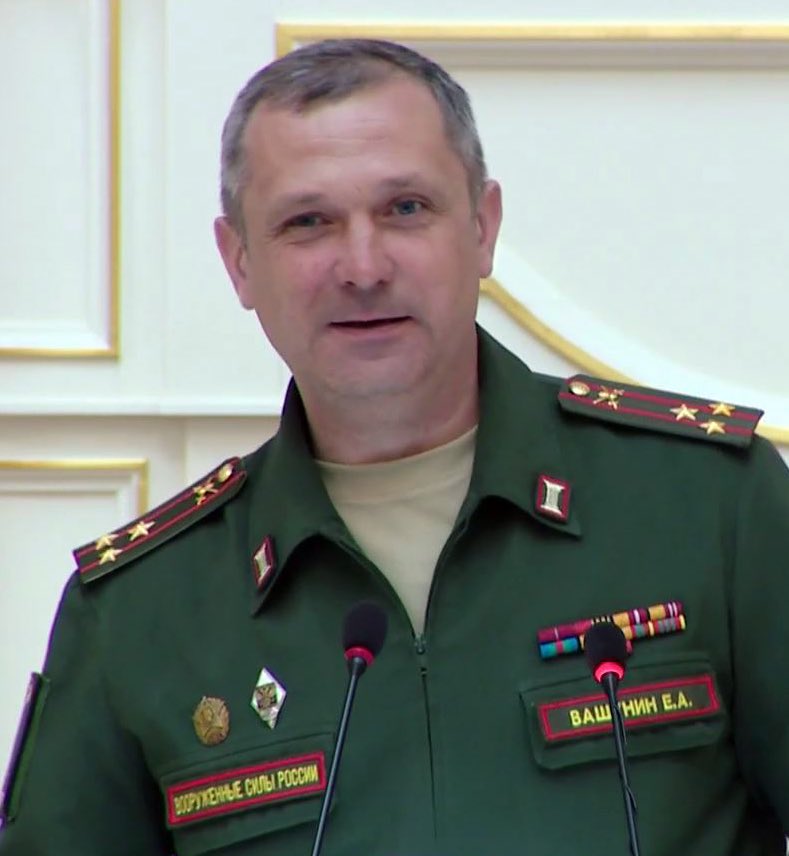
Russian sources and the media report that the commander of the "Leningrad Regiment", Colonel Yevhen Oleksandrovych Vashunin, died in Ukraine when his unit went to the rescue of another Russian unit "Storm". The collaborator who was destroyed in occupied Berdyansk is the organizer of the torture chamber The GUR confirmed the destruction of the collaborator. This is Yevhen Oleksandrovych Ananievskyi, whose Ford Kuga exploded today around 9:40 a.m. Ananievskyi is one of the organizers of death camps on the territory of Berdyansk Correctional Colony No. 77, where he held his occupation post, according to intelligence. |
|
#523
●
05-05-2024, 11:13 AM
| ||||||||
| ✝Mudderator from Hell✝ Poster Rank:11 e-mail Join Date: Oct 2006 Posts: 95,399
Contributions: 817
Mentioned: 473 Post(s) Quoted: 10154 Post(s)
| ||||||||
|
Re: Whiskey's Briefing Room III
Russia has concentrated approximately 25,000 military personnel near Chasovoy Yar, - the spokesman of the Khortytsia National Security Service Voloshin According to him, the Russian Federation involves both professional soldiers and former prisoners in hostilities. "The enemy has not changed its goal - to reach the administrative borders of Donetsk and Luhansk regions. According to our intelligence, Russia is trying to recruit and supplement units in various directions. For example, the enemy has concentrated 20,000-25,000 military personnel in the Chasovoyarivsky direction," he said. ========================================== Ukrainian Armed Forces shot down another Russian Su-25 striker bomber. |
|
#524
●
05-05-2024, 11:21 AM
| ||||||||
| ✝Mudderator from Hell✝ Poster Rank:11 e-mail Join Date: Oct 2006 Posts: 95,399
Contributions: 817
Mentioned: 473 Post(s) Quoted: 10154 Post(s)
| ||||||||
|
Re: Whiskey's Briefing Room III
The enemy occupied Arkhangelsk and Kotlyarivka, entered the administrative borders of Ocheretny and advanced near Novopokrovsky, Umansky, Pervomaysky and Krasnohorivka. =========================================== Latest update: 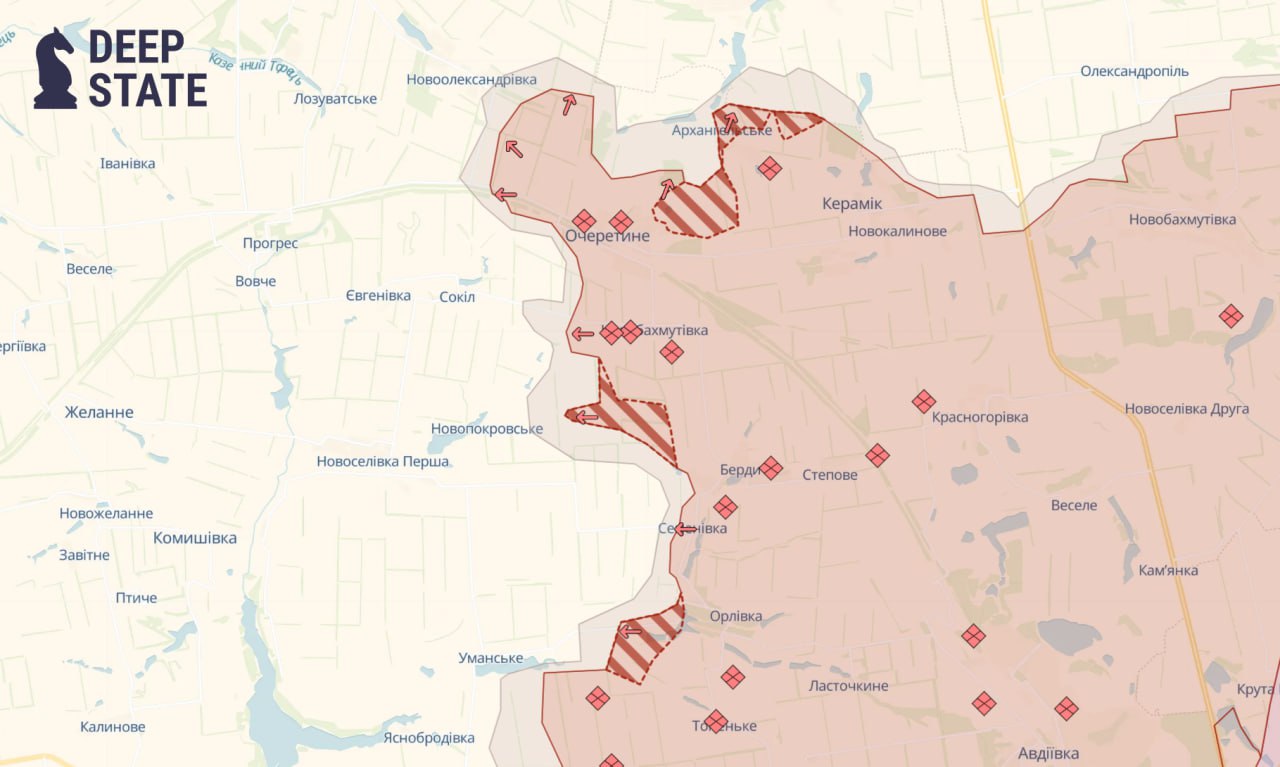 · 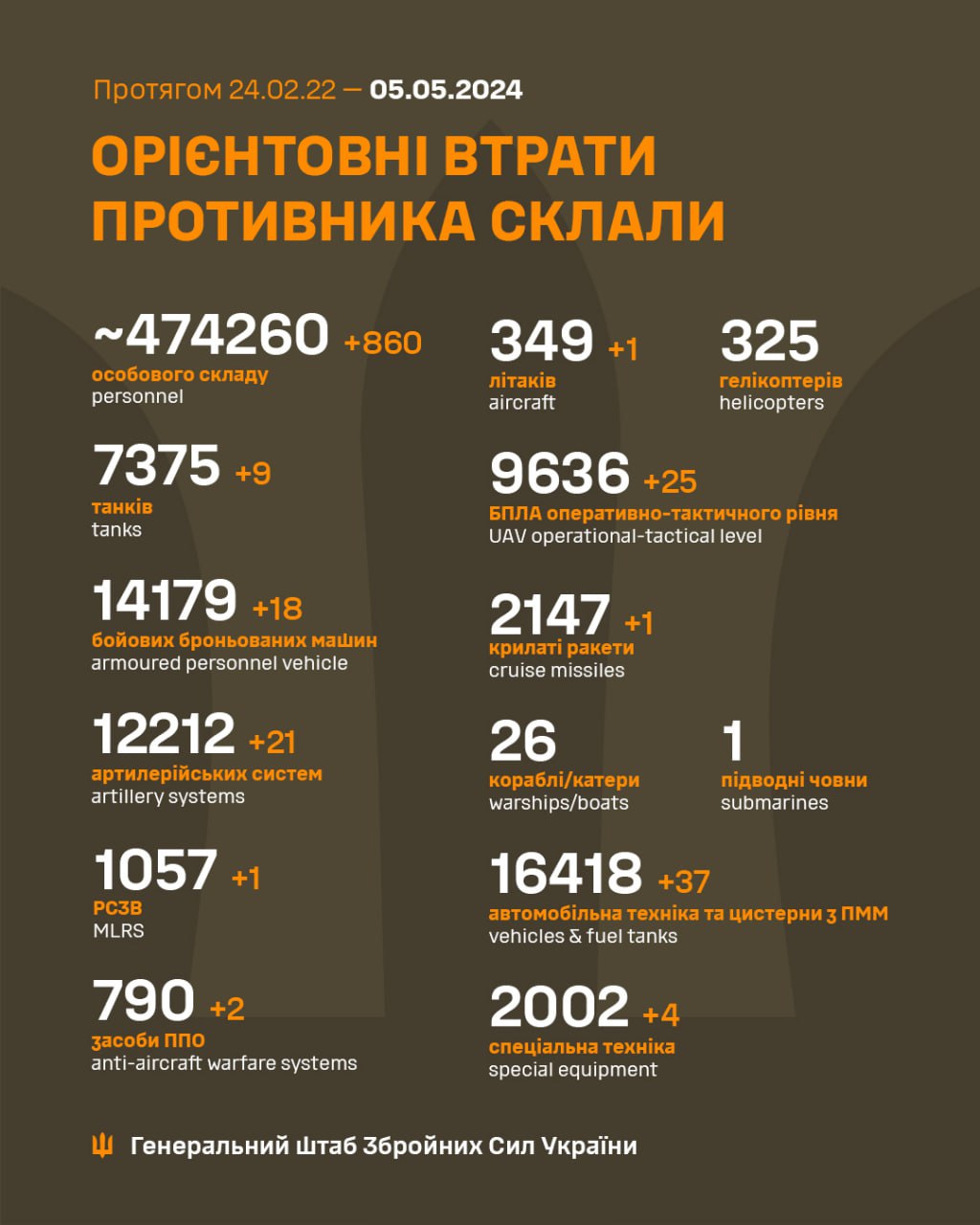 · |
|
#526
●
05-06-2024, 10:49 AM
| ||||||||
 My Rank: STAFF SERGEANT Poster Rank:720 Join Date: Jul 2009 Posts: 1,140 Mentioned: 2 Post(s) Quoted: 573 Post(s)
| ||||||||
|
Re: Whiskey's Briefing Room III
I can confirm that there have been flights that couldn't land due to interference and had to return to where they came from. This can end in a disaster. |
|
#527
●
05-07-2024, 05:12 AM
| ||||||||
| ✝Mudderator from Hell✝ Poster Rank:11 e-mail Join Date: Oct 2006 Posts: 95,399
Contributions: 817
Mentioned: 473 Post(s) Quoted: 10154 Post(s)
| ||||||||
|
Re: Whiskey's Briefing Room III
A shipment of Abrams tanks has arrived in Ukraine – eight months after the Pentagon ordered them and sooner than officials expected. The Defense Department in January delivered nearly three dozen M1 Abrams tanks to help Ukraine fight off invading Russian forces. “This is the first phase of Abrams that has arrived,” Pentagon spokeswoman Sabrina Singh said Monday. “But in terms of numbers or movement on the battlefield, that's something I'll let the Ukrainian side talk about.” Pentagon officials did not specify how many tanks were delivered but promised in January that Ukraine would receive 31 Abrams tanks. “Abrams is already in Ukraine and is preparing to reinforce our brigade,” Ukrainian President Volodymyr Zelenskyy said in a post on the Telegram messaging app. “I thank the allies for fulfilling the agreement.” |
|
#529
●
05-09-2024, 03:07 AM
| ||||||||
| ✝Mudderator from Hell✝ Poster Rank:11 e-mail Join Date: Oct 2006 Posts: 95,399
Contributions: 817
Mentioned: 473 Post(s) Quoted: 10154 Post(s)
| ||||||||
|
Re: Whiskey's Briefing Room III
About half of the North Korean missiles Russia has fired at Ukraine have failed, Ukraine's top prosecutor said, per new reporting. The high reported failure rate raises questions about the quality of North Korean-provided munitions and comes after months of concern about how an arms deal between the two countries could influence the war in Ukraine and North Korea's own efforts to improve its military capabilities. State prosecutors have been examining the debris of 21 out of 50 North Korean missiles fired at Ukraine by Russia between December and February. About half of the missiles "lost their programmed trajectories and exploded in the air," Ukraine's top prosecutor Andriy Kostin told, noting that debris was not collected for these weapons. This falls in line with previous assessments from Ukraine. Back in March, Yuriy Belousov, head of the war crimes department of Ukraine's office of the prosecutor general, said North Korean ballistic missiles were "very low" quality, boasting an accuracy rate of only around 20 percent. Beyond the missiles, North Korean rockets have also been called into question. Last summer, the Ukrainians got their hands on North Korean rockets that troops characterized as "very unreliable," noting they sometimes "do crazy things." They said it wasn't odd for them to misfire or explode. The reported problems add to suspicions about weaknesses in North Korea's stockpiles, as sanctions and dated production capabilities impact the quality of missiles and other munitions. The battlefield intelligence Pyongyang may be receiving about the performance and capabilities of its weapon systems could be invaluable though. When North Korean leader Kim Jong Un met with Russian President Vladimir Putin in September 2023 for a summit on a potential arms deal, officials and experts expressed concerns that such a partnership could be mutually beneficial. The concern was that Putin would get more ammo for his war in Ukraine, and North Korea would get field testing of its weapons to improve the quality of the country's munitions. In November 2023, South Korean lawmakers estimated a million North Korean shells had been sent to Russia, beating out the European Union's collective aid to Ukraine since Moscow's forces invaded. In addition to shells, North Korea has also sent rockets and ballistic missiles to Russia as well, helping sustain it as Ukraine struggled to do the same. One of the North Korean missiles sent to Russia appears to be KN-23s, known in North Korea as the short-range Hwasong 11. Hwasong 11s resemble Russian Iskander-M missiles and boast a range of around 430 miles. Ukrainian officials and experts have identified fragments of the Hwasong 11 in the aftermath of several attacks, including one in early January and one in early February, both in Kharkiv. Kostin told Reuters the last recorded use of the weapon was February 27. Along with Kharkiv, other cities, such as Kyiv, and regions, such as Donetsk and Kirovohrad, have been the targets of missile strikes. Since December 30, the attacks have killed 24 people and wounded 115, damaging various residential buildings. |
|
#530
●
05-10-2024, 05:20 PM
| ||||||||
| ✝Mudderator from Hell✝ Poster Rank:11 e-mail Join Date: Oct 2006 Posts: 95,399
Contributions: 817
Mentioned: 473 Post(s) Quoted: 10154 Post(s)
| ||||||||
|
Re: Whiskey's Briefing Room III
The Czech Republic handed over the first F-16 fighter simulator to the Ukrainian Armed Forces. Air Force Commander Oleschuk said that it was received by one of the tactical aviation brigades. The simulator is already being tested. He noted that Ukraine needs not only F-16s, but also a powerful educational and material base for young people, and therefore calls on its allies to join this initiative. |





 More Toys.