|
#1
●
02-13-2011, 03:09 PM
| ||||||||
 My Rank: GUNNERY SERGEANT Poster Rank:615 Male Join Date: Mar 2010 Posts: 1,473 Mentioned: 0 Post(s) Quoted: 3 Post(s)
| ||||||||
|
The War in Afghanistan. Soviet Edition.
The Soviet War in Afghanistan was a nine-year conflict involving the Soviet Union, supporting the Marxist-Leninist government of the Democratic Republic of Afghanistan at their own request against the Mujahideen Resistance when on December 27, 1979, 50,000 Soviet troopers dressed in Afghan uniforms, including KGB and GRU special force officers from the Alpha Group and Zenith Group, occupied major governmental, military and media buildings in Kabul, including their primary target—the Tajbeg Presidential Palace. The mujahideen found other support from a variety of sources including the Pakistan, United States, United Kingdom, Saudi Arabia, Egypt, China and other Muslim nations through the context of the Cold War. The initial Soviet deployment of the 40th Army in Afghanistan began on December 24, 1979 under Soviet leader Leonid Brezhnev. The final troop withdrawal started on May 15, 1988, and ended on February 15, 1989 under the last Soviet leader Mikhail Gorbachev. Due to the interminable nature of the war, the conflict in Afghanistan has sometimes been referred to as the Soviet Union's Vietnam War. The Afghan government, having secured a treaty in December 1978 that allowed them to call on Soviet forces, repeatedly requested the introduction of troops in Afghanistan in the spring and summer of 1979. They requested Soviet troops to provide security and to assist in the fight against the mujahideen rebels. On April 14, 1979, the Afghan government requested that the USSR send 15 to 20 helicopters with their crews to Afghanistan, and on June 16, the Soviet government responded and sent a detachment of tanks, BMPs, and crews to guard the government in Kabul and to secure the Bagram and Shindand airfields. In response to this request, an airborne battalion, commanded by Lieutenant Colonel A. Lomakin, arrived at the Bagram Air Base on July 7. They arrived without their combat gear, disguised as technical specialists. They were the personal bodyguards for President Taraki. The paratroopers were directly subordinate to the senior Soviet military advisor and did not interfere in Afghan politics. Several leading politicians at the time such as Alexei Kosygin and Andrei Gromyko were against intervention. After a month, the Afghan requests were no longer for individual crews and subunits, but for regiments and larger units. In July, the Afghan government requested that two motorized rifle divisions be sent to Afghanistan. The following day, they requested an airborne division in addition to the earlier requests. They repeated these requests and variants to these requests over the following months right up to December 1979. However, the Soviet government was in no hurry to grant them. Foreign ministers from 34 Islamic nations adopted a resolution which condemned the Soviet intervention and demanded "the immediate and unconditional withdrawal of Soviet troops" from the Muslim nation of Afghanistan. The U.N. General Assembly passed a resolution protesting the Soviet invasion of Afghanistan by a vote of 104-18. The arrival of Mikhail Gorbachev on the scene in 1985 and his 'new thinking' on foreign and domestic policy was probably the most important factor in the Soviet's decision to leave. Gorbachev was attempting to change the stagnant years of Brezhnev and reform the Soviet Union's economy and image across the board with Glasnost and Perestroika. Gorbachev was also trying to ease cold war tensions by signing the Intermediate-Range Nuclear Forces Treaty in 1987 with the U.S. and withdrawing the troops from Afghanistan whose presence had garnered so much international condemnation. Gorbachev regarded confrontation with China and resulting military build ups on that border as one of Brezhnev's biggest mistakes. Peking had stipulated that a normalization of relations would have to wait until Moscow withdrew its army from Afghanistan (among other things) and in 1989 the first Sino-Soviet summit in 30 years took place. At the same time, Gorbachev pressured his Cuban allies in Angola to scale down activities and withdraw even though Soviet allies there were faring somewhat better there. The Soviets also pulled many of their troops out of Mongolia in 1987 where they were also having a far easier time than in Afghanistan and restrained the Vietnamese invasion of Kampuchea to the point of an all out withdrawal in 1988. This mass withdrawal of Soviet forces from contested areas shows that the Soviet governments decision to leave Afghanistan was based on a general change over in Soviet foreign policy. In the last phase, Soviet troops prepared and executed their withdrawal from Afghanistan. They limited offensive operations, and were content to merely defend against mujahideen raids. The one exception was Operation Magistral, a successful sweep that cleared the road between Gardez and Khost. This operation did not have any lasting effect, but it allowed the Soviets to symbolically end their presence with a victory. Between December 25, 1979 and February 15, 1989, a total of 620,000 soldiers served with the forces in Afghanistan (though there were only 80,000-104,000 serving at one time): 525,000 in the Army, 90,000 with border troops and other KGB sub-units, 5,000 in independent formations of MVD Internal Troops, and police forces. A further 21,000 personnel were with the Soviet troop contingent over the same period doing various white collar and blue collar jobs. The total irrecoverable personnel losses of the Soviet Armed Forces, frontier, and internal security troops came to 14,453. Soviet Army formations, units, and HQ elements lost 13,833, KGB sub-units lost 572, MVD formations lost 28, and other ministries and departments lost 20 men. During this period 417 servicemen were missing in action or taken prisoner; 119 of these were later freed, of whom 97 returned to the USSR and 22 went to other countries, the rest were murdered by their captors. There were fewer than 150,000 troops deployed. 53,753, or 11.44 percent, were wounded, injured, or sustained concussion and 415,932 (88.56 percent) fell sick. A high proportion of casualties were those who fell ill. This was because of local climatic and sanitary conditions, which were such that acute infections spread rapidly among the troops. There were 115,308 cases of infectious hepatitis, 31,080 of typhoid fever, and 140,665 of other diseases. Of the 11,654 who were discharged from the army after being wounded, maimed, or contracting serious diseases, 92 percent, or 10,751 men, were left disabled. After the war ended, the Soviet Union published figures of dead Soviet soldiers: the total was 13,836 men, an average of 1,512 men a year. According to updated figures, the Soviet army lost 14,427, the KGB lost 576, with 28 people dead and missing. Estimates of the Afghan deaths vary from 1 million to 2 million. 5-10 million Afghans fled to Pakistan and Iran, 1/3 of the prewar population of the country. Another 2 million Afghans were displaced within the country. In the 1980s, half of all refugees in the world were Afghan. Along with fatalities were 1.2 million Afghans disabled (mujahideen, government soldiers and noncombatants) and 3 million maimed or wounded (primarily noncombatants). Irrigation systems, crucial to agriculture in Afghanistan's arid climate, were destroyed by aerial bombing and strafing by Soviet or government forces. In the worst year of the war, 1985, well over half of all the farmers who remained in Afghanistan had their fields bombed, and over one quarter had their irrigation systems destroyed and their livestock shot by Soviet or government troops, according to a survey conducted by Swedish relief experts. The population of Afghanistan's second largest city, Kandahar, was reduced from 200,000 before the war to no more than 25,000 inhabitants, following a months-long campaign of carpet bombing and bulldozing by the Soviets and Afghan communist soldiers in 1987. Land mines had killed 25,000 Afghans during the war and another 10–15 million land mines, most planted by Soviet and government forces, were left scattered throughout the countryside. A great deal of damage was done to the civilian children population by land mines. A 2005 report estimated 3–4% of the Afghan population were disabled due to Soviet and government land mines. In the city of Quetta, a survey of refugee women and children taken shortly after the Soviet withdrawal found over 80% of the children refugees unregistered and child mortality at 31%. Of children who survived, 67% were severely malnourished, with malnutrition increasing with age. 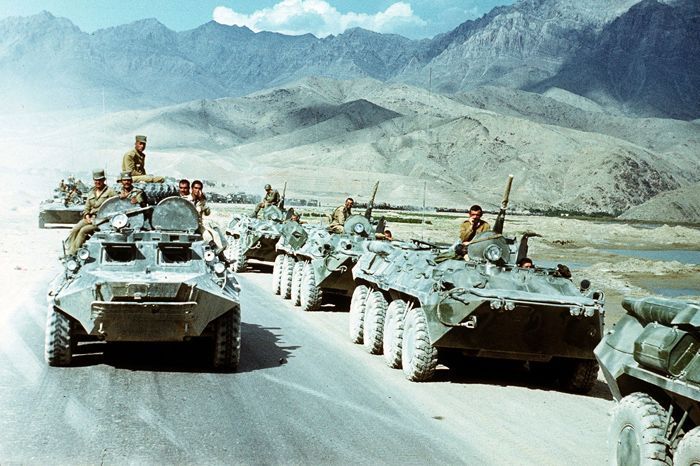 · 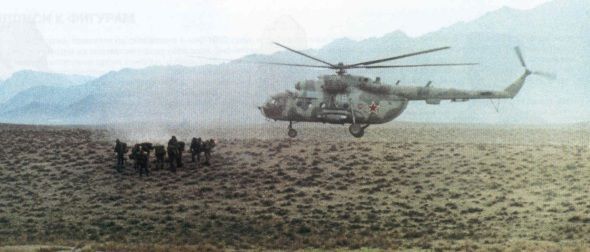 · 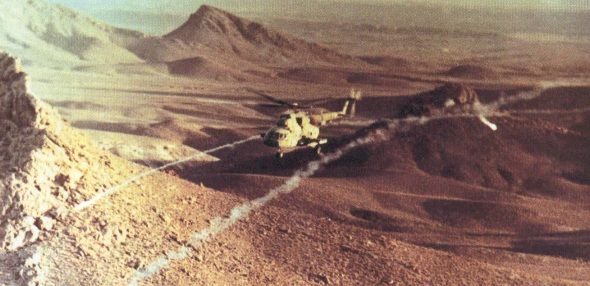 · 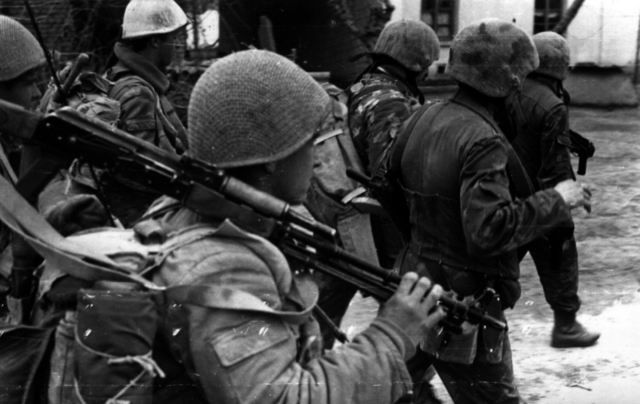 · 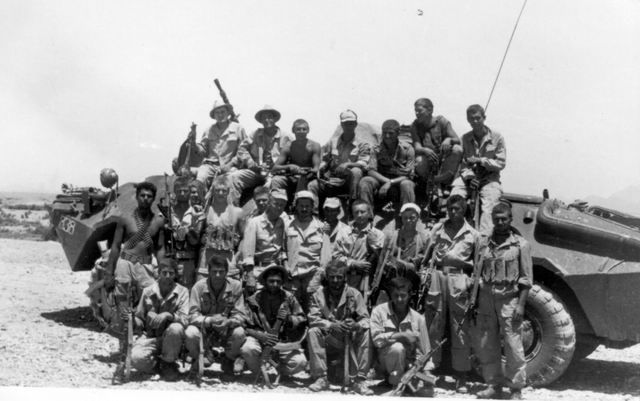 · 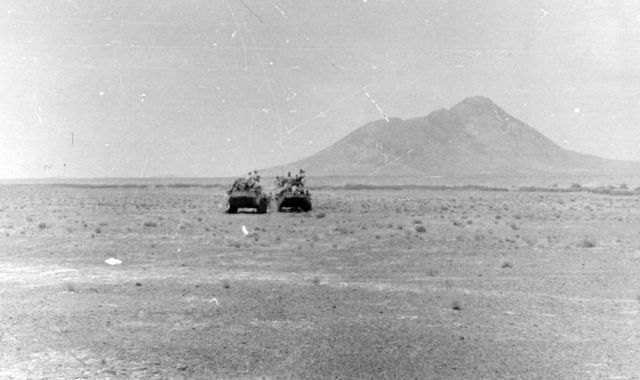 · 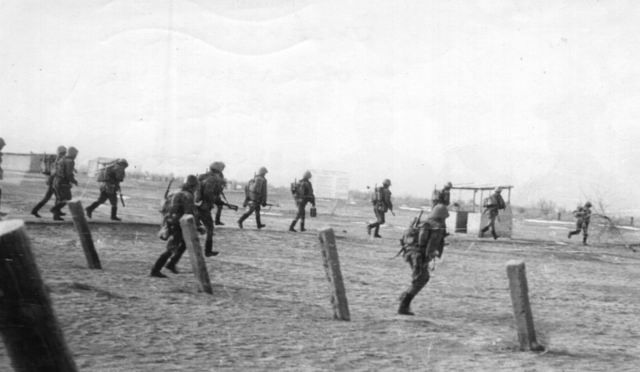 · 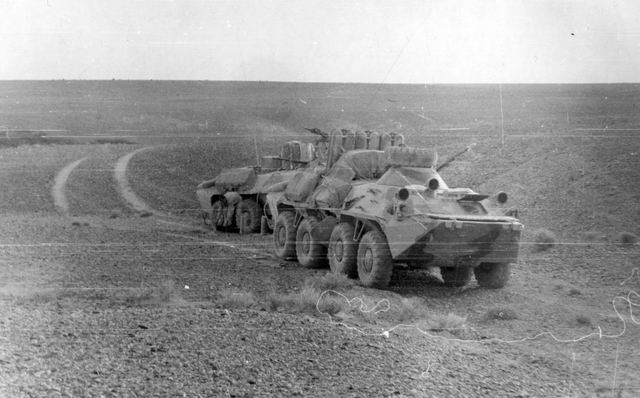 · 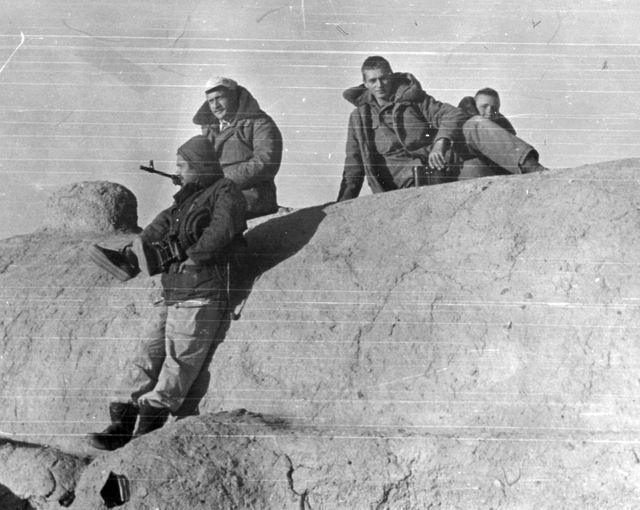 · 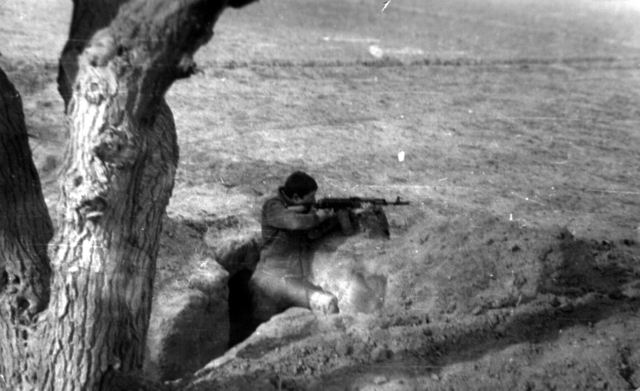 · 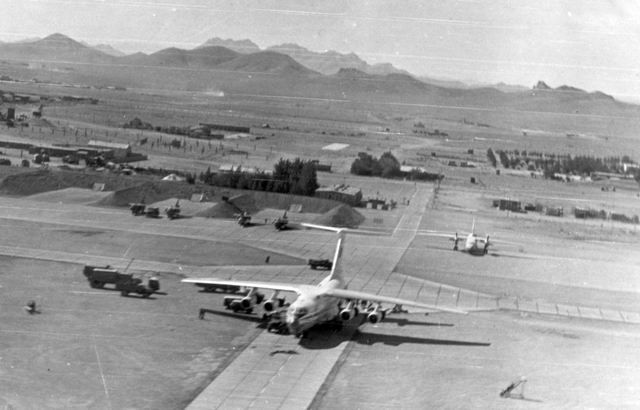 · 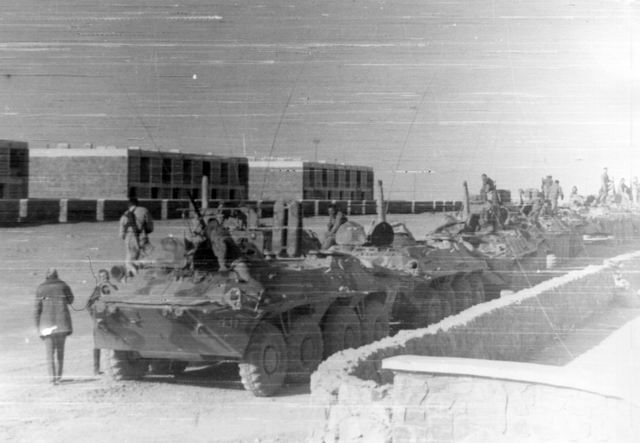 · 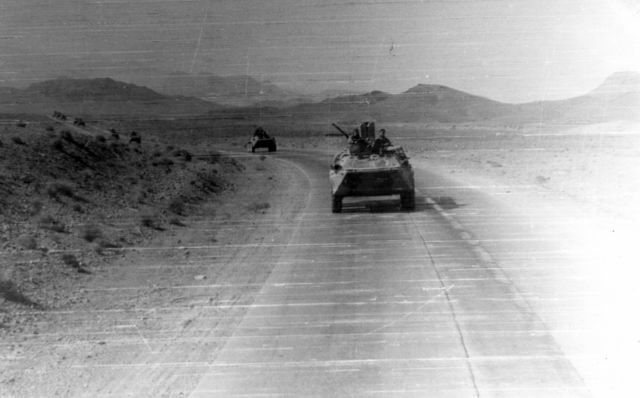 · 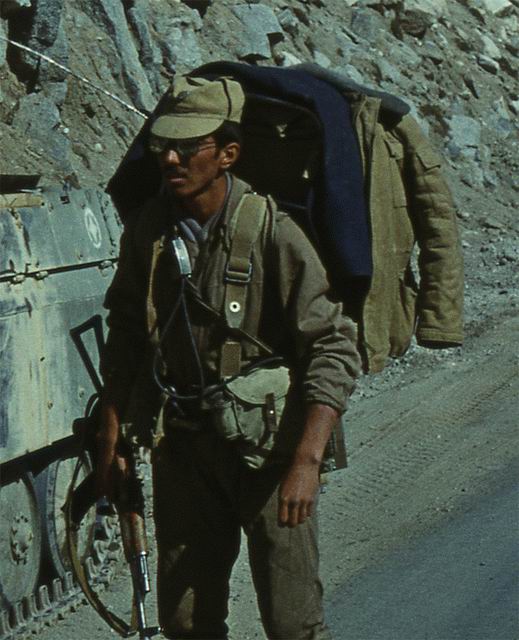 · 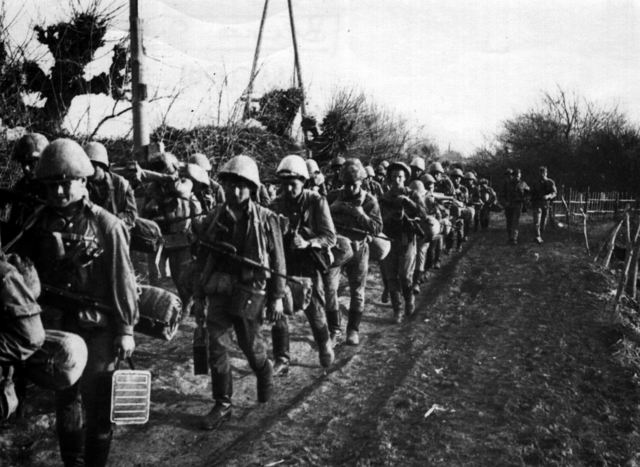 · 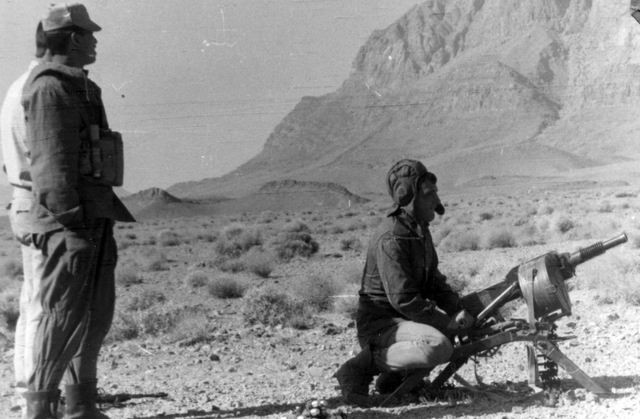 · 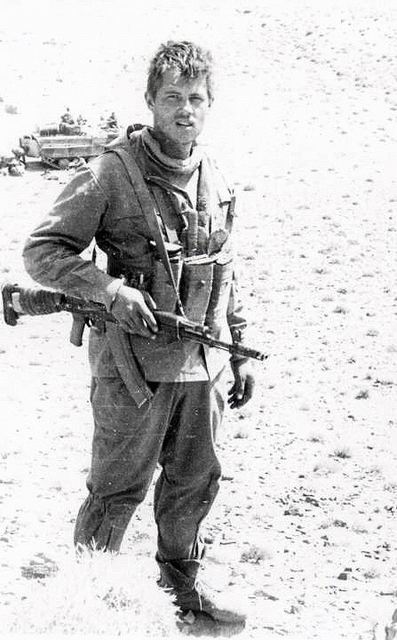 · 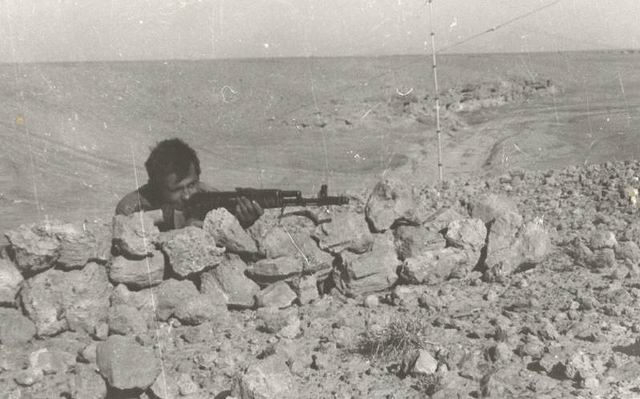 · 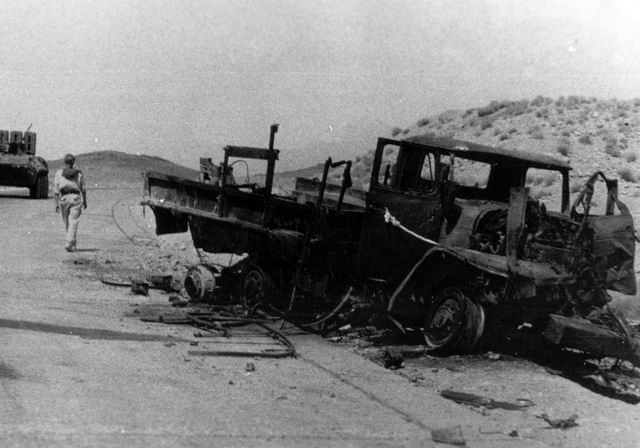 · 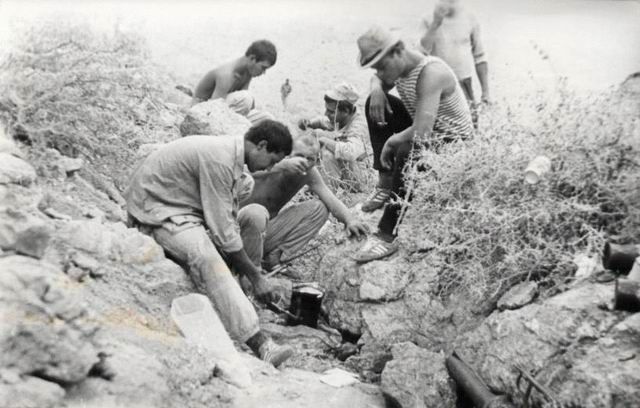 · 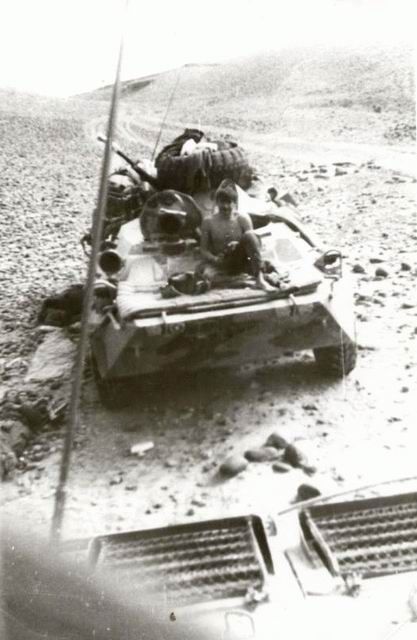 · 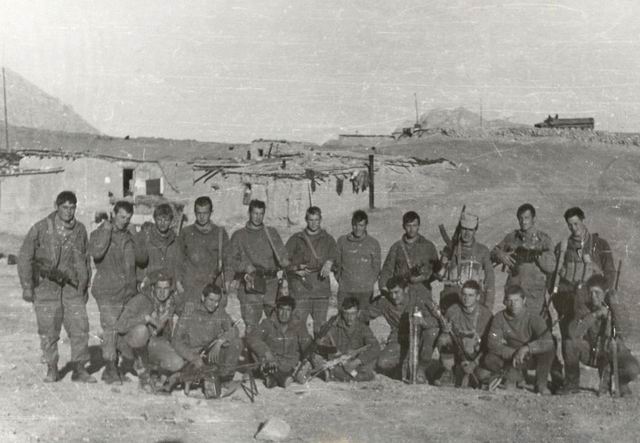 · 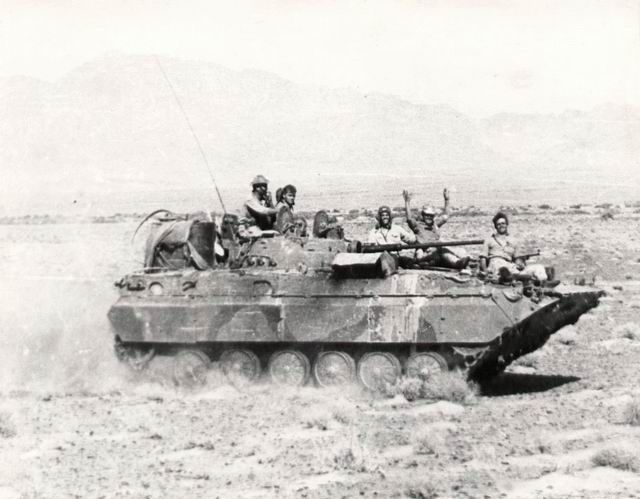 · 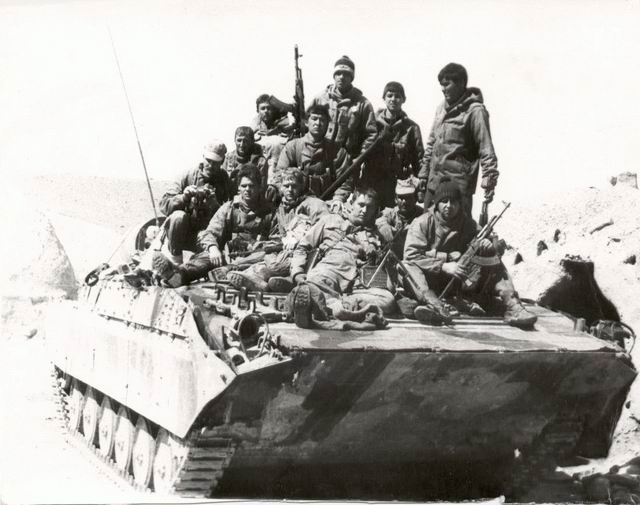 · 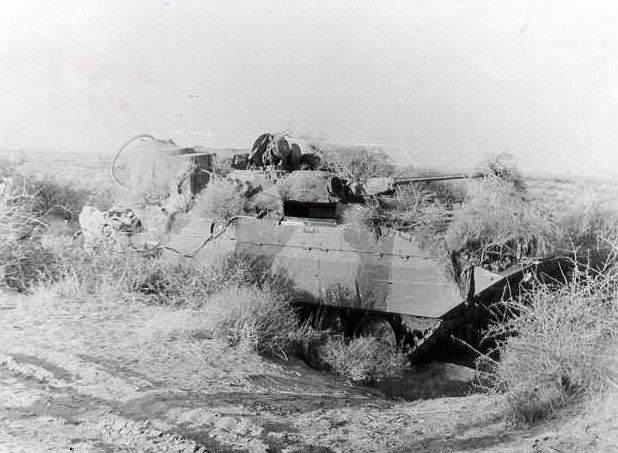 · 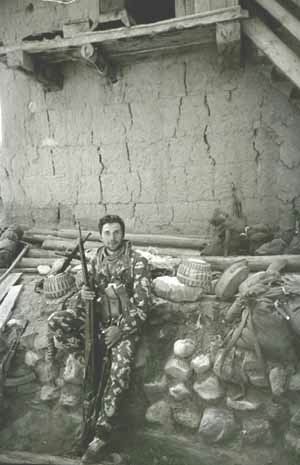 · 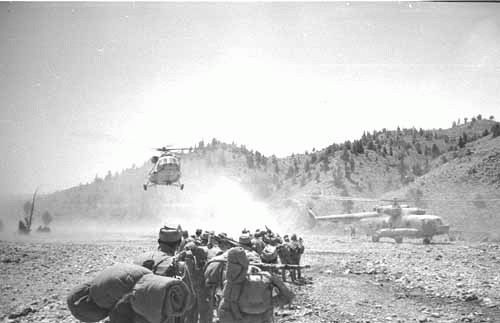 · 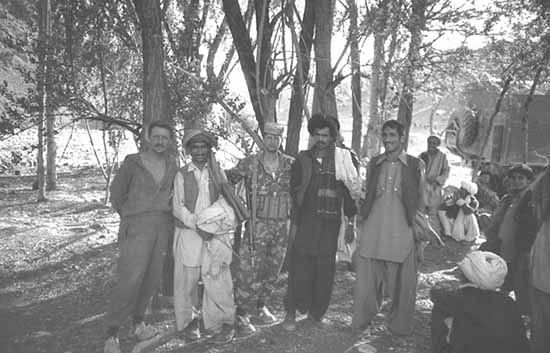 · 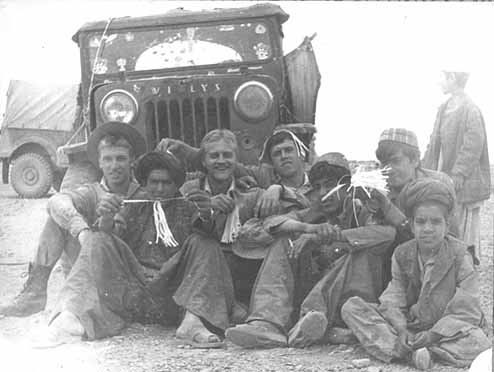 · 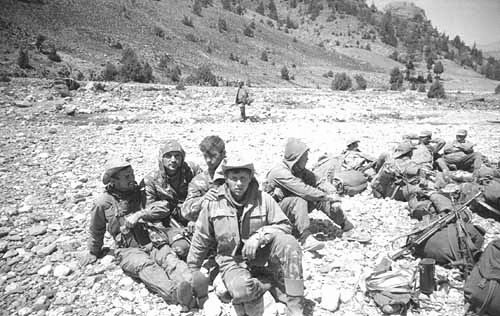 · 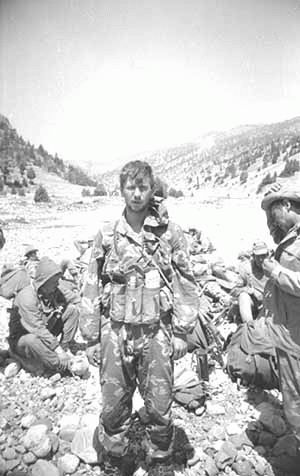 · 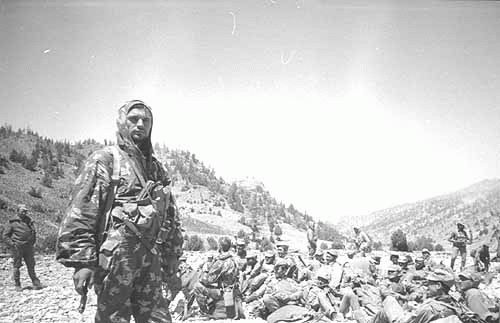 · 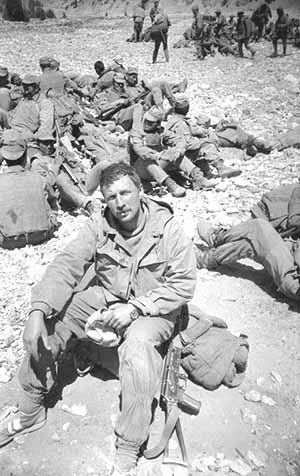 · 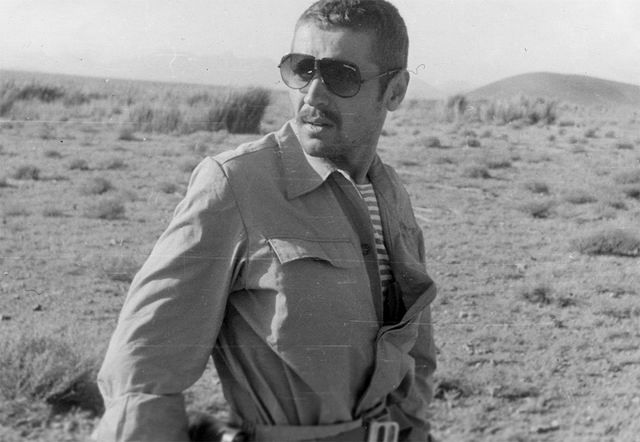 · 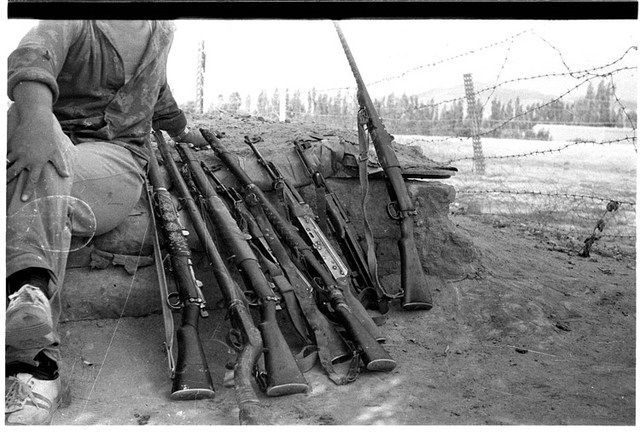 · 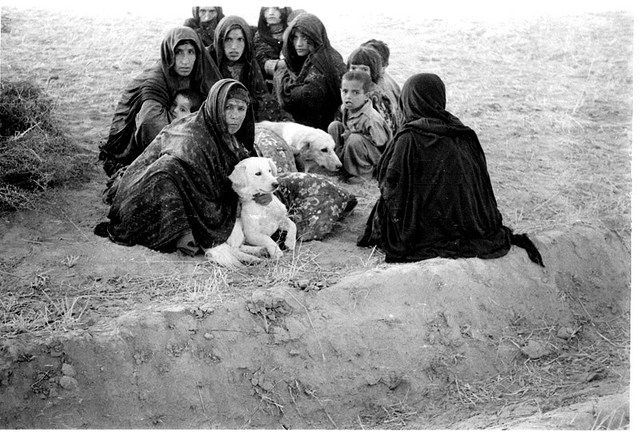 · 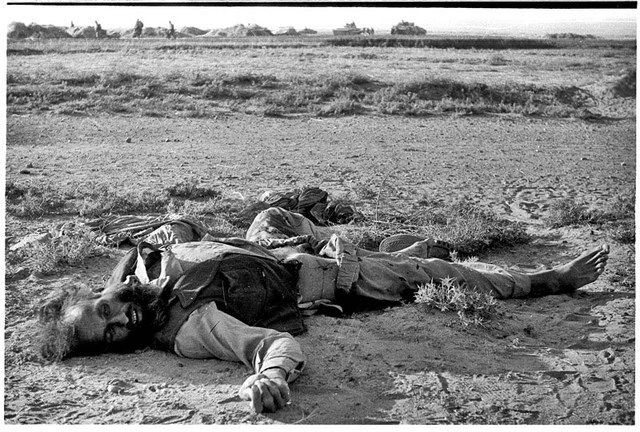 · 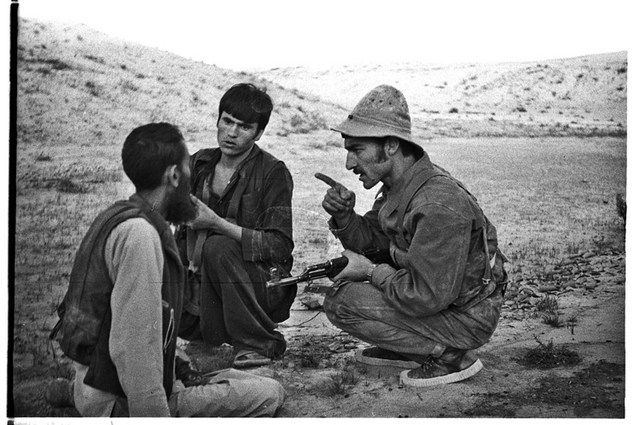 · 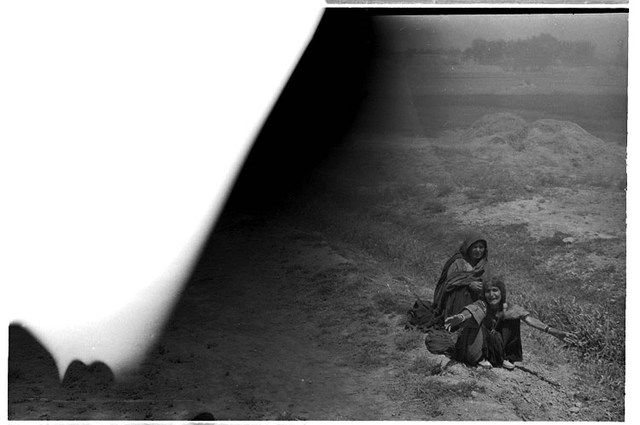 · 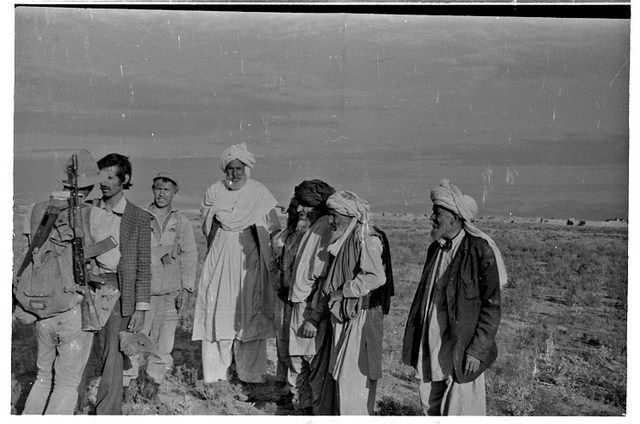 · 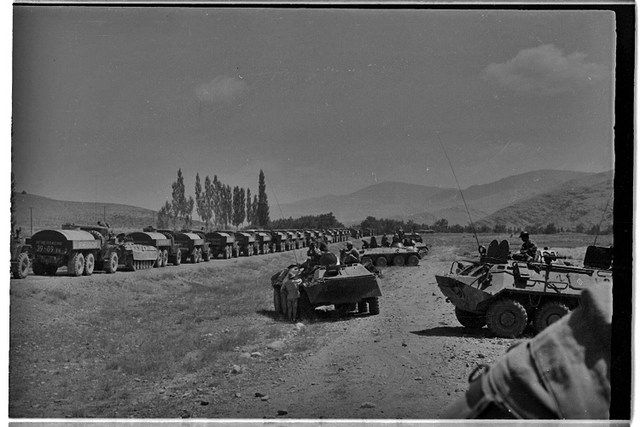 · 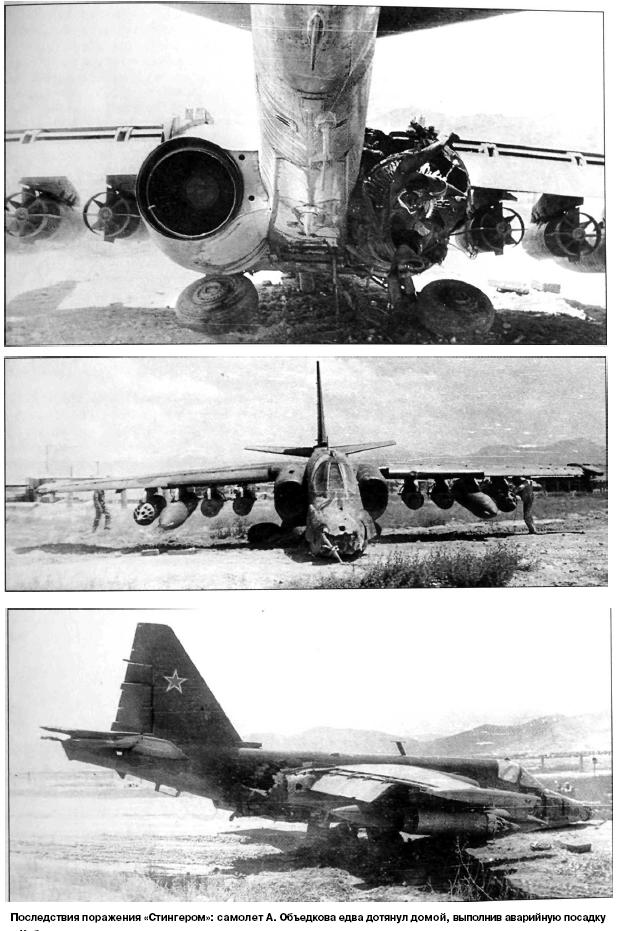 · 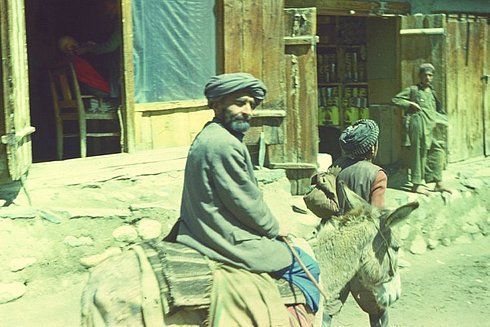 · 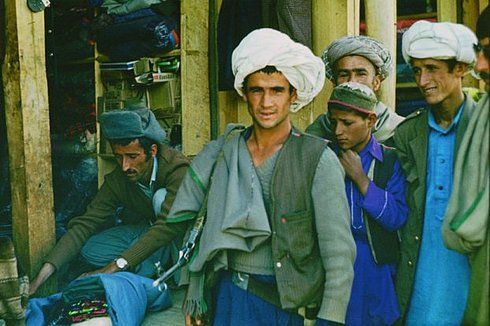 · 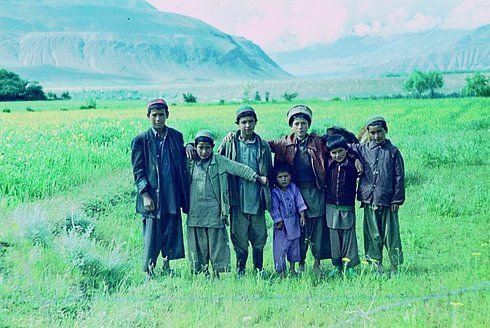 · 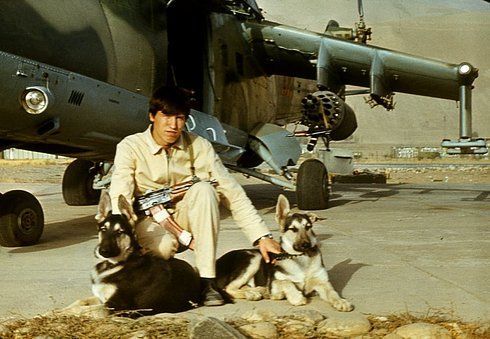 · 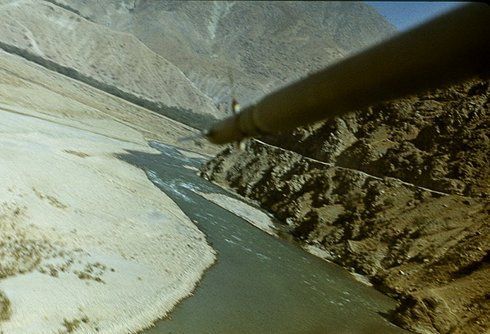 · 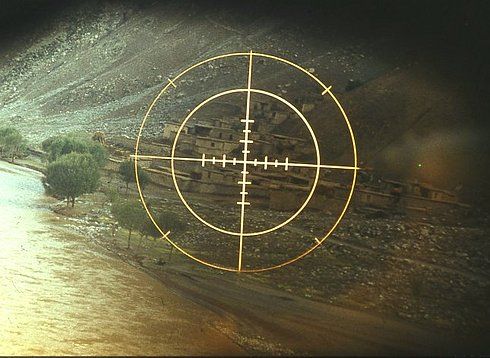 · 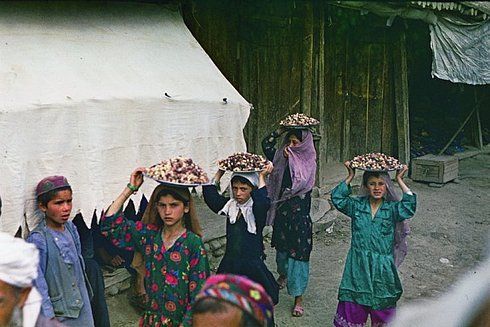 · 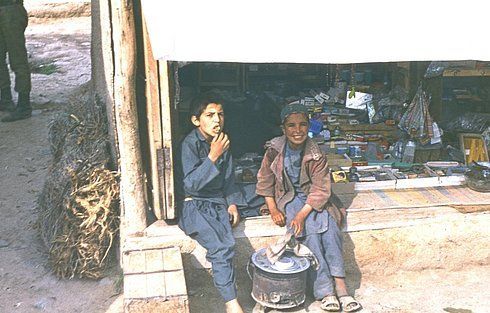 · 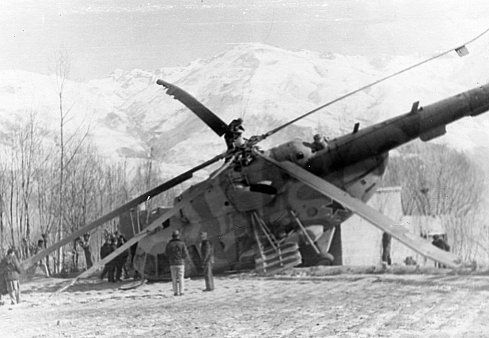 · 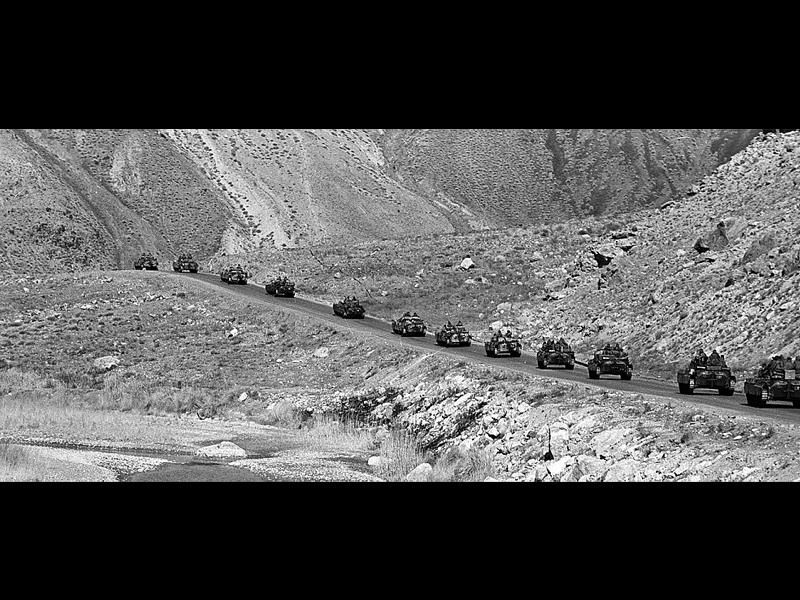 · 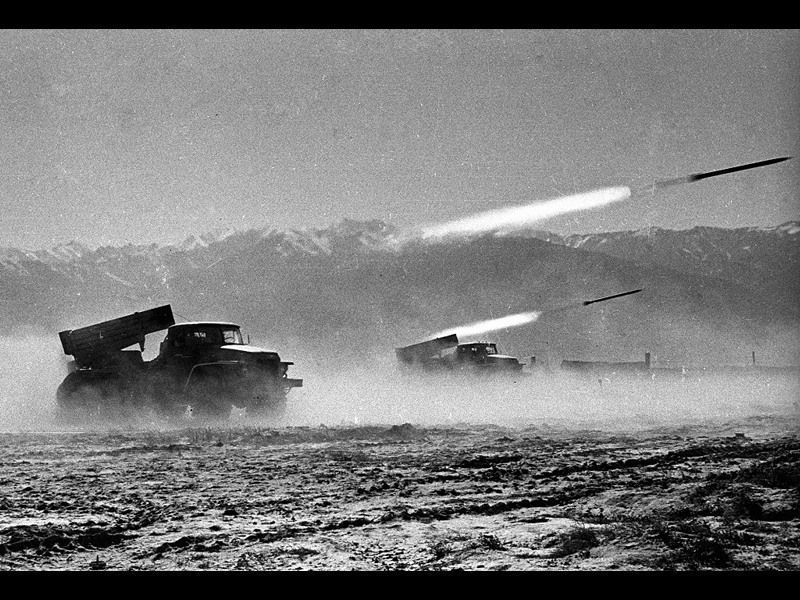 · 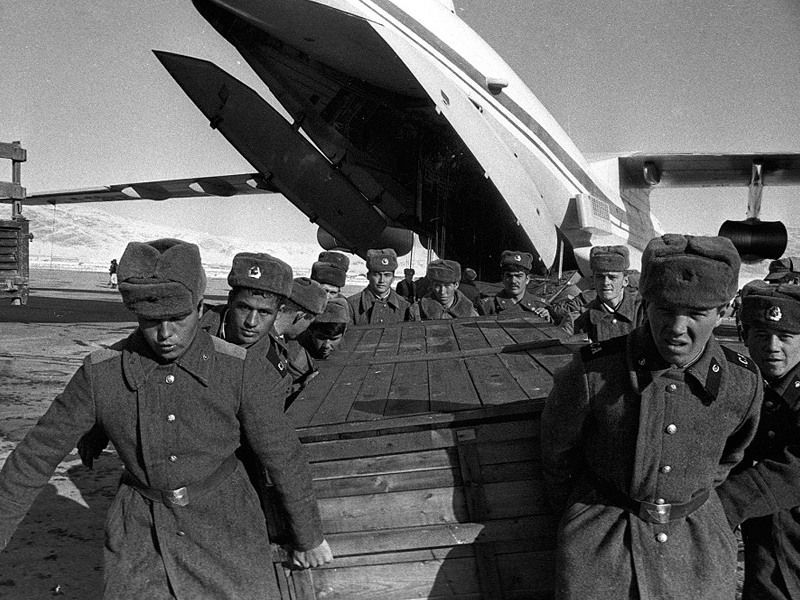 · 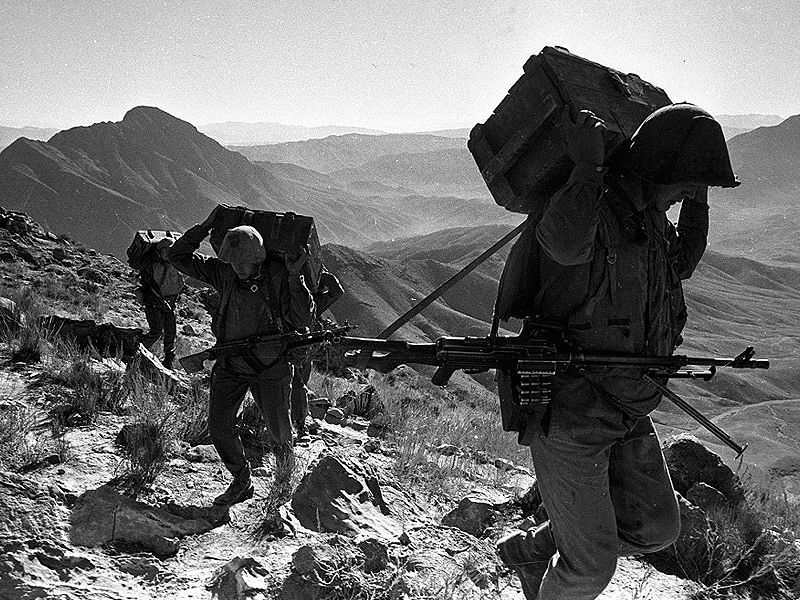 · 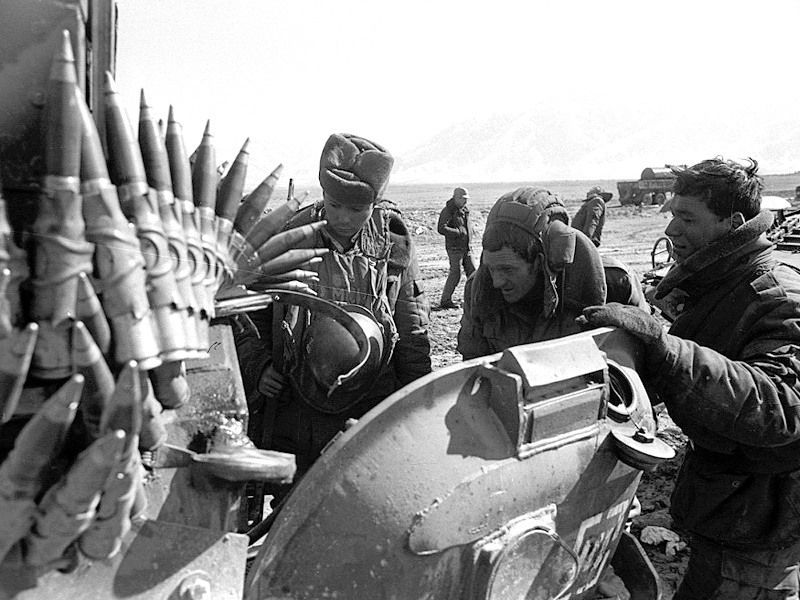 · 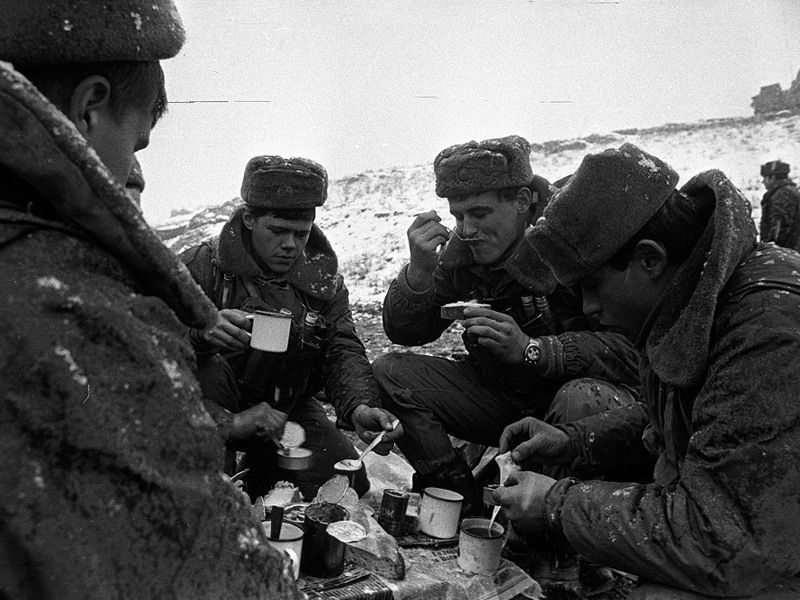 · 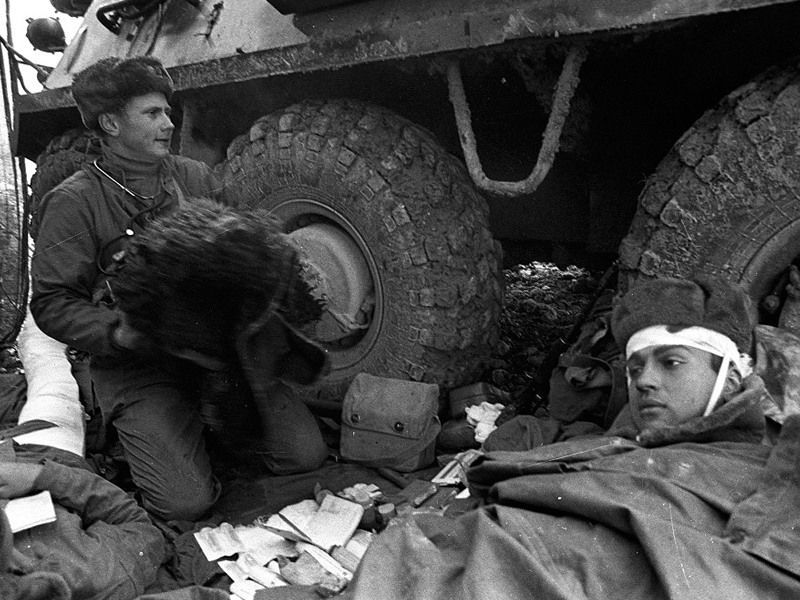 · 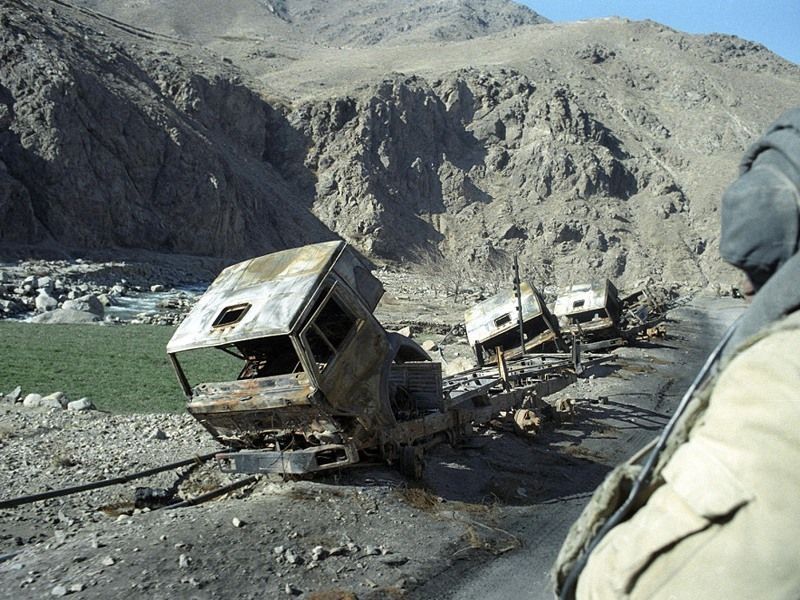 · 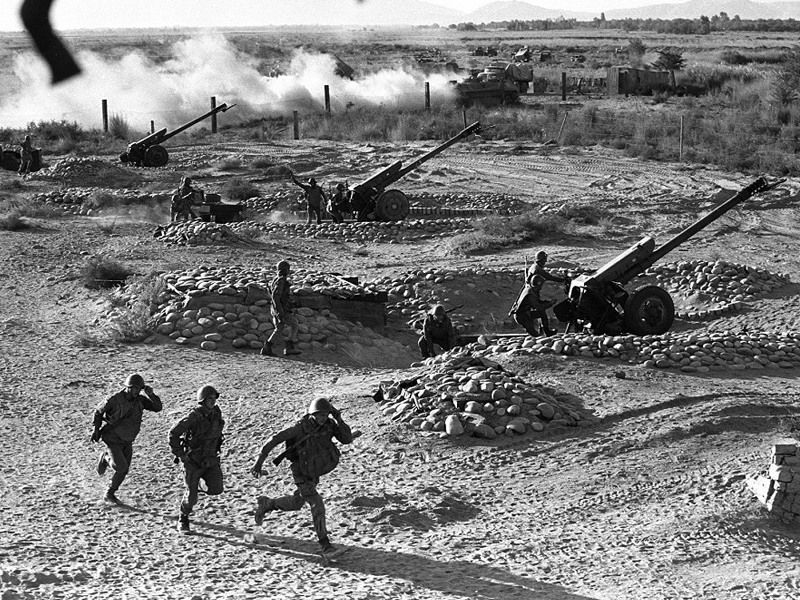 · 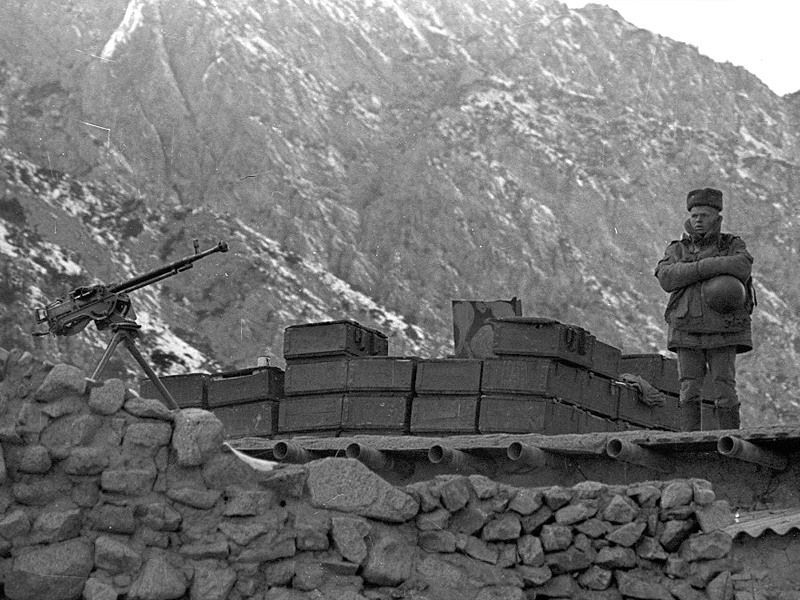 · 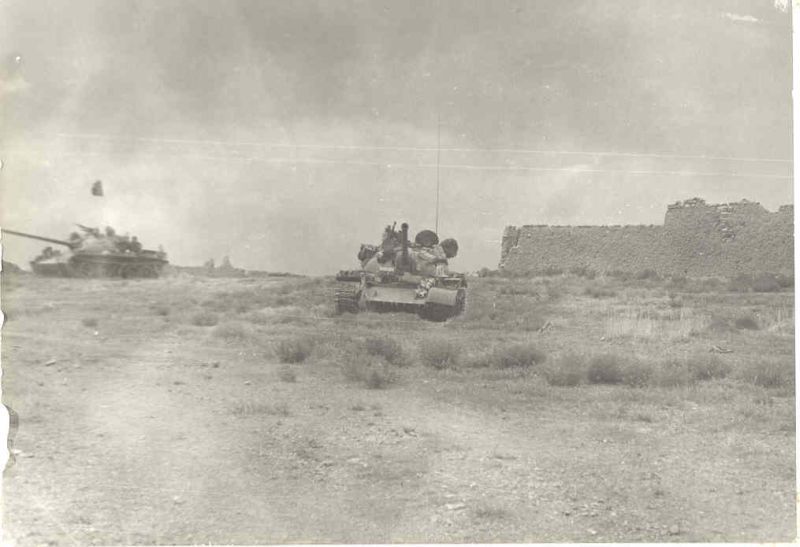 · 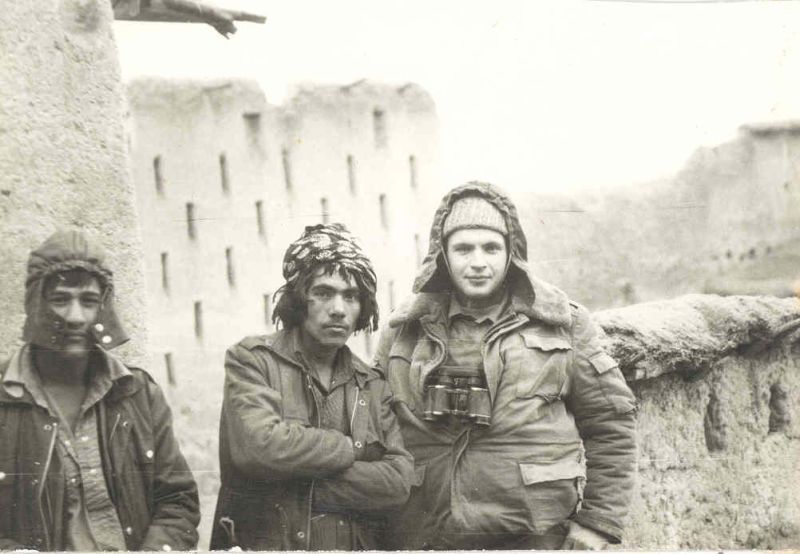 · 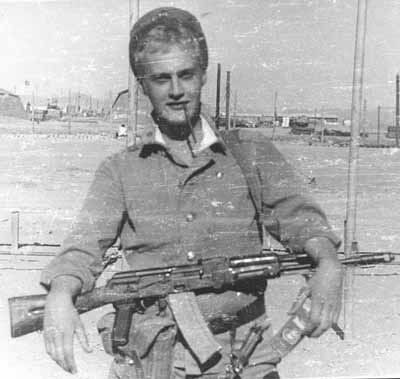 · |
|
#4
●
02-14-2011, 02:21 PM
| ||||||||
 My Rank: STAFF SERGEANT Poster Rank:750 male Join Date: Apr 2009 Posts: 1,080 Mentioned: 0 Post(s) Quoted: 7 Post(s)
| ||||||||
|
Re: The War in Afghanistan. Soviet Edition.
very good post. really like the old pix. things would be so different if the russians had actually taken over afghanistan.
|
|
#6
●
04-23-2011, 09:50 AM
| ||||||||
 Super ********* Poster Rank:88 Join Date: Nov 2008 Posts: 17,426 Mentioned: 5 Post(s) Quoted: 99 Post(s)
| ||||||||
|
Re: The War in Afghanistan. Soviet Edition.
good movie about this war, from the view point of a member of a soviet tank squad who disagrees with the brutality his people are enacting upon the afghan people http://www.imdb.com/title/tt0094716/ <iframe title="YouTube video player" width="480" height="390" src="http://www.youtube.com/embed/PxS3CL-IewY" frameborder="0" allowfullscreen></iframe> |
|
#8
●
04-23-2011, 02:13 PM
| ||||||||
 My Rank: MASTER SERGEANT Poster Rank:558 Horny Male Join Date: Jan 2010 Posts: 1,752 Mentioned: 0 Post(s) Quoted: 8 Post(s)
| ||||||||
|
Re: The War in Afghanistan. Soviet Edition.
It's funny how the west complained about the "Russians in Afghanistan" now we are fighting there against the terrorists who the west once called freedom fighters. Almost boggles the mind! Great pics!  |
|
#10
●
04-24-2011, 06:00 AM
| ||||||||
 My Rank: MAJOR Poster Rank:118 Male Join Date: Feb 2010 Posts: 13,430 Mentioned: 15 Post(s) Quoted: 3534 Post(s)
| ||||||||
|
Re: The War in Afghanistan. Soviet Edition.
A good movie! One of the most gory movie scenes i've seen is in this one - when the Muhjadeedin soldier is executed by running him over with a tank track. |