|
#1
●
12-30-2015, 01:43 PM
| ||||||||
 My Rank: CORPORAL Poster Rank:1677 Join Date: Dec 2013 Posts: 321 Mentioned: 2 Post(s) Quoted: 177 Post(s)
| ||||||||
|
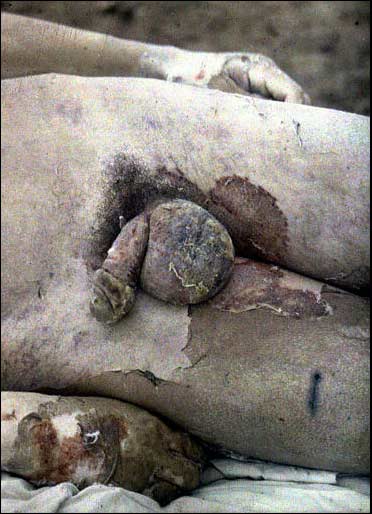
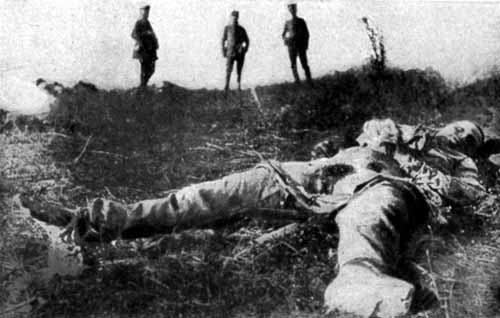
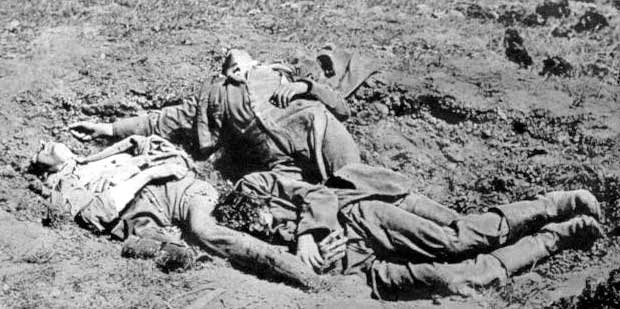
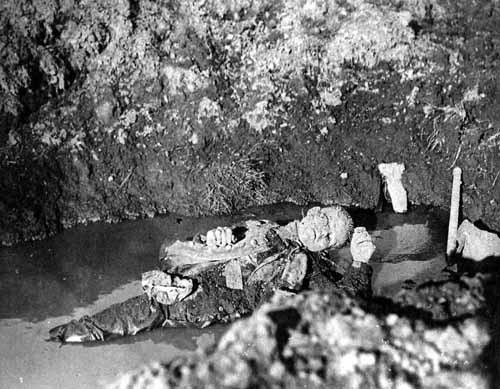
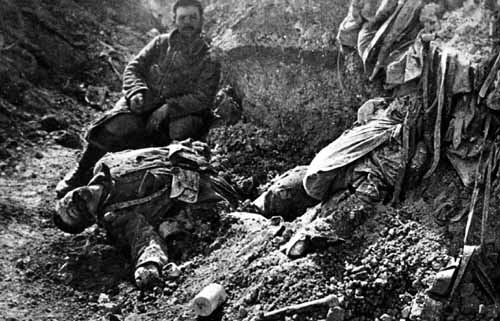
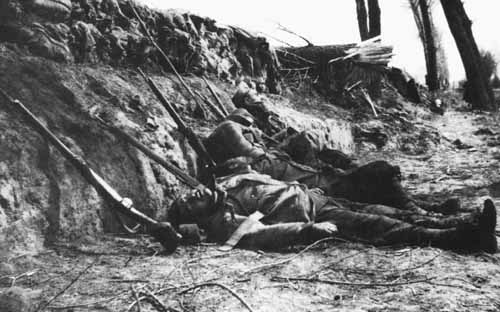
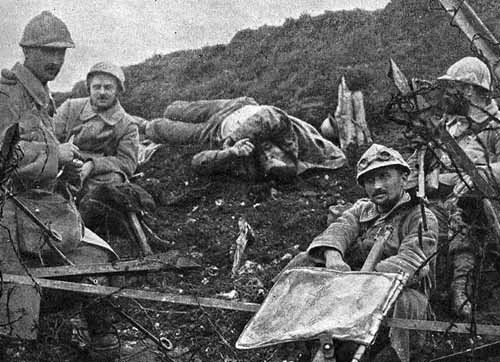
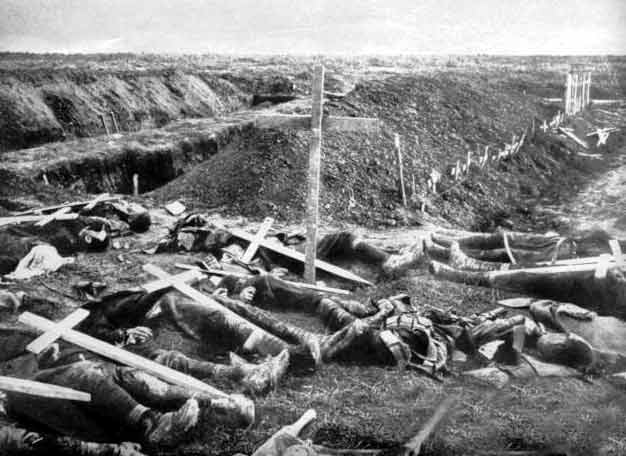
The True Face of World War I
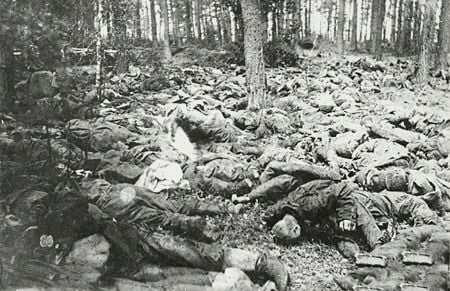
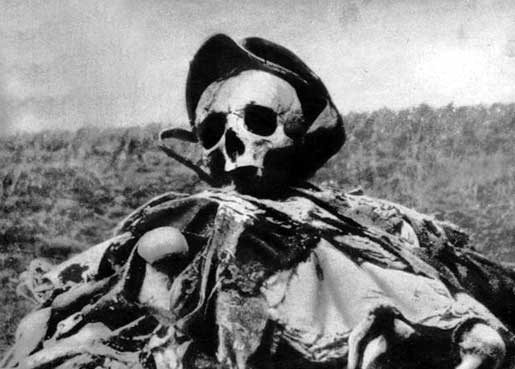
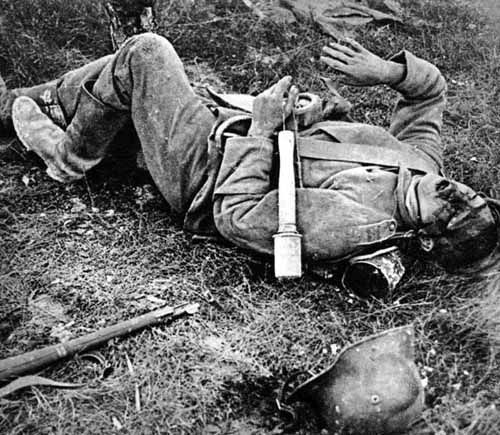
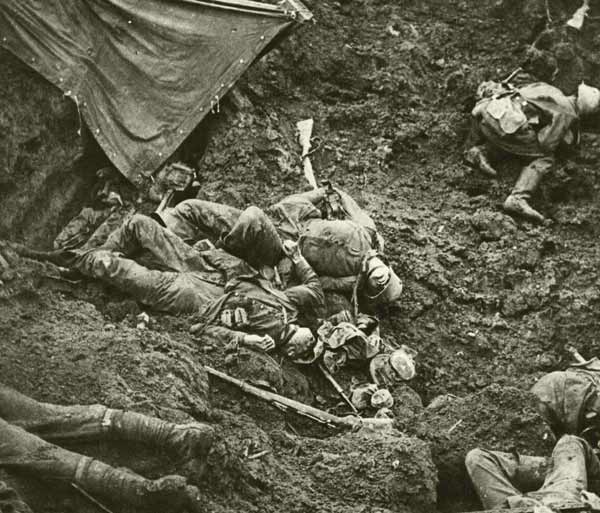
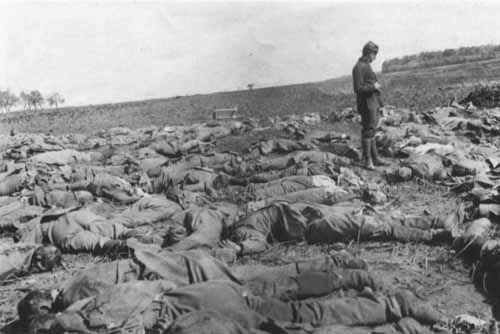
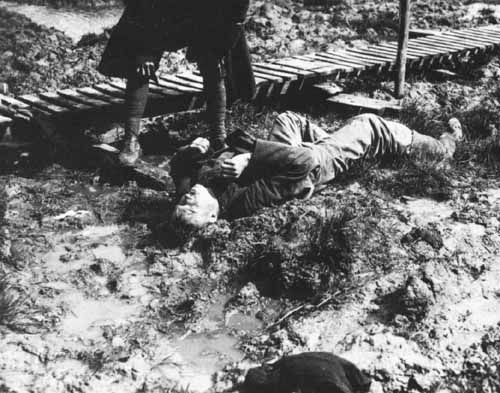
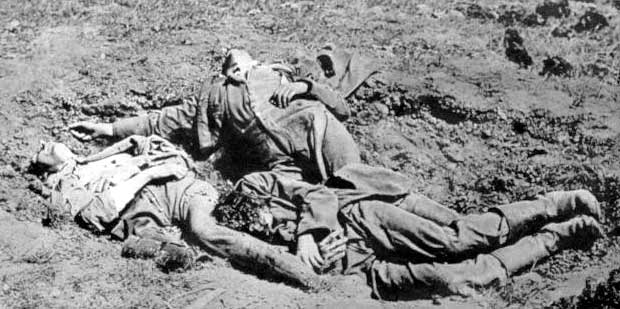
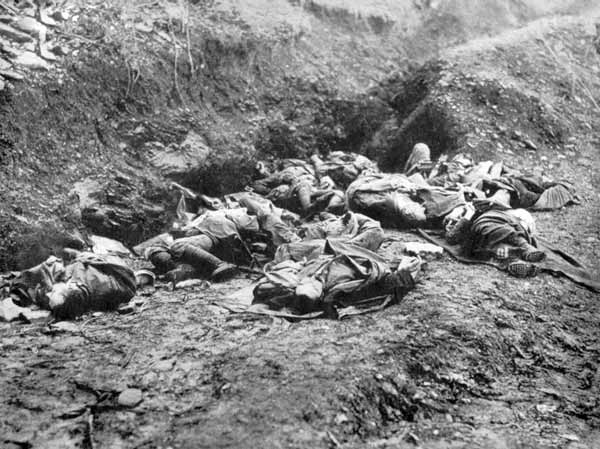
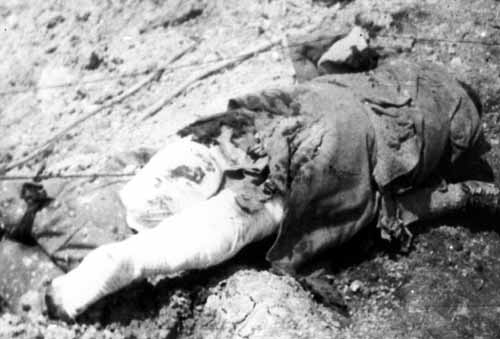
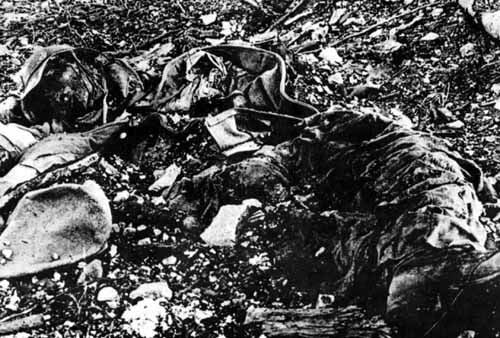
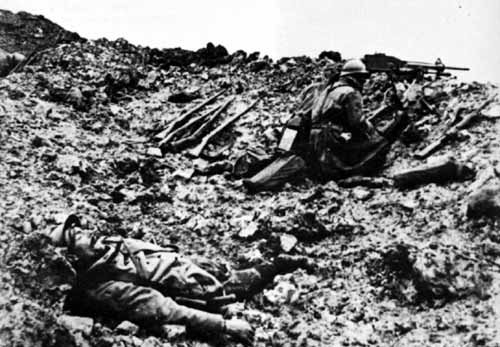
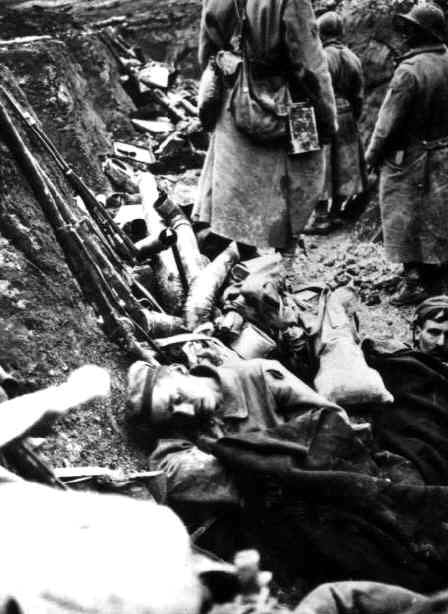
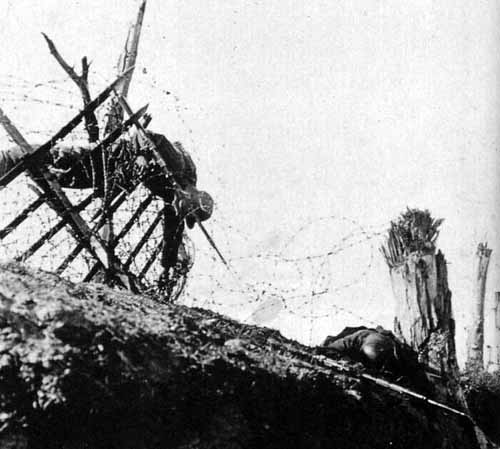
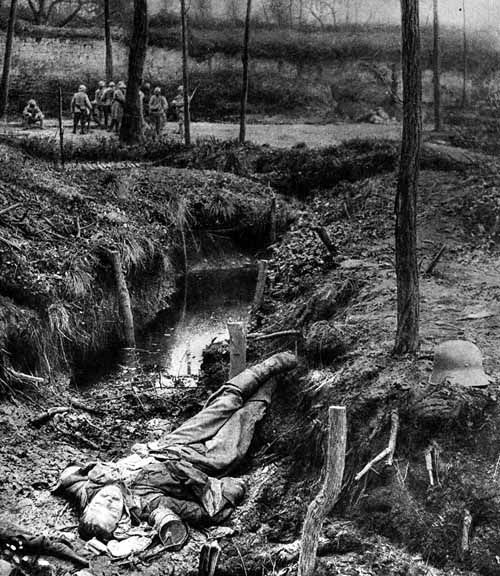
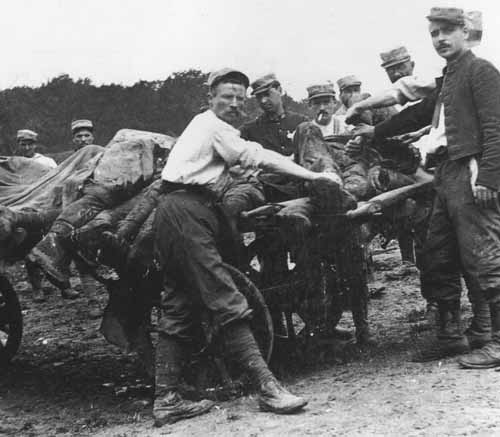
BLOODY PICNIC Caught up in the intensely nationalistic fervour that accompanied the outbreak of of the First World War in 1914, British officer*Julian Grenfell, a professional soldier and a poet who loved the army, his fellow officers and his dogs, wrote to his parents: "I adore war. It's like a big picnic without the objectlessness of a picnic. I've never been so well or happy. No one grumbles at one for being dirty." Grenfell wrote the letter in October 1914, a few days after his arrival on the battlefield in Northern France. His specialty, he revealed, was stalking German snipers and shooting them from very close range.*"One loves one's fellow-man so much more when one is bent on killing him",*he added. These were statements the men in power loved. They showed the public that the war was exciting, jolly and worth enlisting for. One can only wonder how much sooner the war would have ended if the public on both sides could have seen the true face of the battlefields. Even today the real horrors of this war are kept from us. Pictures in books and publications about the Great War – even after all this time has passed – still don't show the true face of this war. Even today a hundred years later, displaying the real picture of the bestiality and the suffering in and out the trenches is still "not done" or considered "unethical." People therefore often do not realize that the impression they get from current WW1 pictures is not correct, at least incomplete. Morale The official war photographers were not supposed to photograph the vast numbers of dead or the ugly way soldiers died. The reason was simple. Their pictures had but one purpose: keeping up morale. Their pictures were checked and*destroyed*if they set the wrong tone. Of the*five million*photographs in the Imperial War Museum in London*none*would give you the impression that there were ever more than a couple of dozen dead to be seen at any one place. And how silly it may seem: researchers looking for pictures of dead soldiers are still not very welcome in the Imperial War Museum ('We are looked upon as traitors or freaks', one of these scholars recently wrote). As a result of this old and new censorship romantic and heroic illusions about the Great War still widely exist. So-called re-enacting groups even replay war scenes like it was some kind of children's play. Some Pictures Survived Soldiers nor officers were allowed to use or even have cameras at the front: "As the intention of General Routine Order No.1137 appears in some cases to be misunderstood, it is notified that no Officer or soldier (or other person subject to Military law) is permitted to be in possession of a camera." Some however, disobeyed this order and took their camera (the small 'Vest Pocket Kodak' was especially popular) with them into the trenches. Some of their pictures survived. You can view these pictures below, after this post. Still existing too are gruesome*stereographic*photos made by French war photographers and cinematographers. You can also view some of these pictures below as well. These stereo pictures can still be viewed in two small WW1-museums in Flanders, Belgium. Originally they were part of one large collection. The Belgian Schier family who owned the collection separated and the pictures were divided between two brothers. Each of the brothers now exploits his own dusty museum annex café (at*Hill 60and at*Hill 62*respectively, southeast of Ypres). Over the years many of these unique pictures have been scratched, torn or broken by the visitors. The pictures won't live long anymore. War Against War In Germany, after the war, pacifist and writer Ernst Friedrich, from Berlin, gathered private pictures that showed dead and horribly mutilated soldiers. He published them in 1924 in a book called*Krieg dem Kriege*("War Against War"), in the hope that confronting the world with this misery would prevent another war. The book got worldwide attention - but prevented little. And then there is the work of two British journalists, T.A. Innes and Ivor Castle, who gathered some authentic and horrible photographs that were never published before. They put together a book, Covenants with Death, that was published in 1934 by the Daily Express in England. When you view the images below, you will see photographs that you won't find easily anywhere else. These pictures are not a pretty sight. Even for viewers of this site, some may shock you. If you think it's bad taste showing them, please consider: what they reveal is still just a small part of the immense horrific suffering experienced by an entire generation of young men who fought in the Great War. By the way: Julian Grenfell's picnic was soon over. He died from wounds on April 30th, 1915. He was 27 years old. |
|
#2
●
12-30-2015, 02:02 PM
| ||||||||
| My Rank: CORPORAL Poster Rank:1677 Join Date: Dec 2013 Posts: 321 Mentioned: 2 Post(s) Quoted: 177 Post(s)
| ||||||||
|
Re: The True Face of World War I
Documenting the True Faces of Death in World War I
 ·  ·  ·  ·  ·  ·  ·  · |
|
#3
●
12-30-2015, 02:06 PM
| ||||||||
| My Rank: CORPORAL Poster Rank:1677 Join Date: Dec 2013 Posts: 321 Mentioned: 2 Post(s) Quoted: 177 Post(s)
| ||||||||
|
Re: The True Face of World War I
Gallery 2
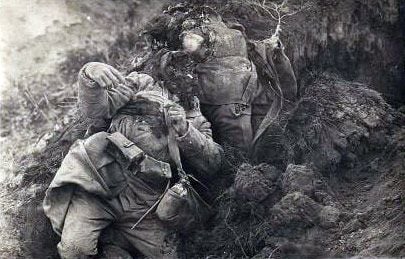 · 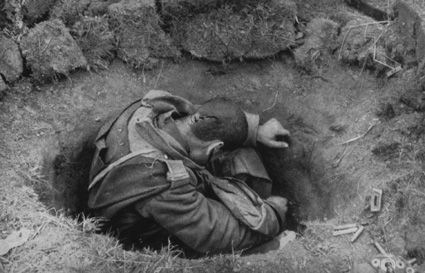 · 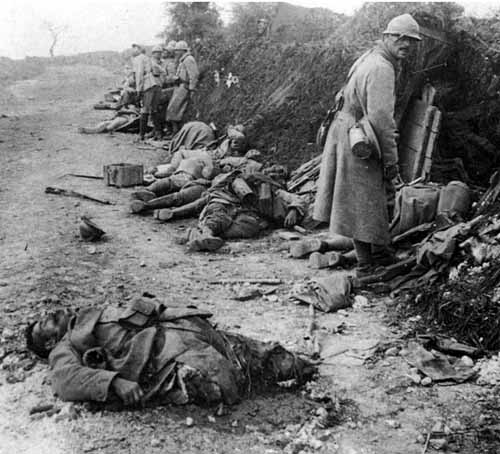 · 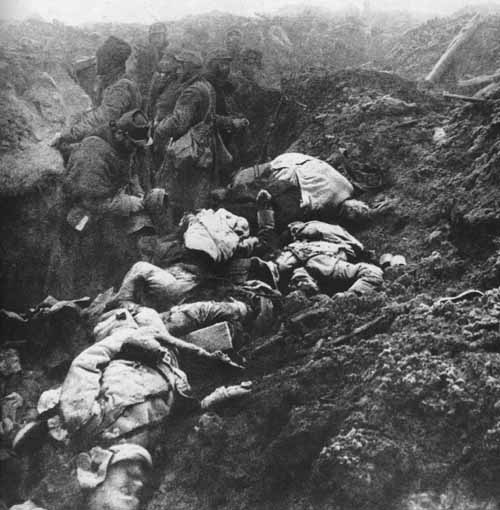 · 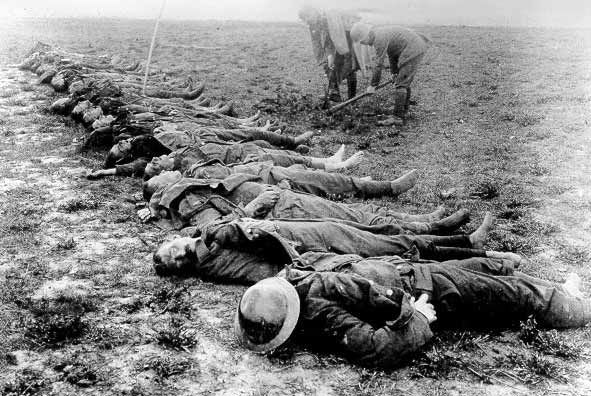 · 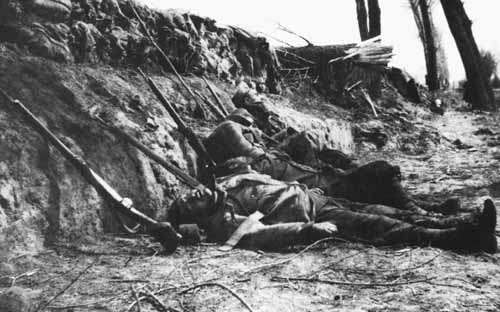 · 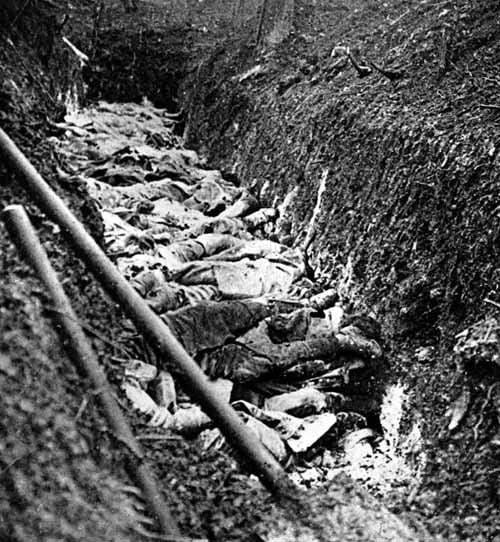 · |
|
#4
●
12-30-2015, 03:00 PM
| ||||||||
| My Rank: CORPORAL Poster Rank:1677 Join Date: Dec 2013 Posts: 321 Mentioned: 2 Post(s) Quoted: 177 Post(s)
| ||||||||
|
Re: The True Face of World War I
Gallery 3
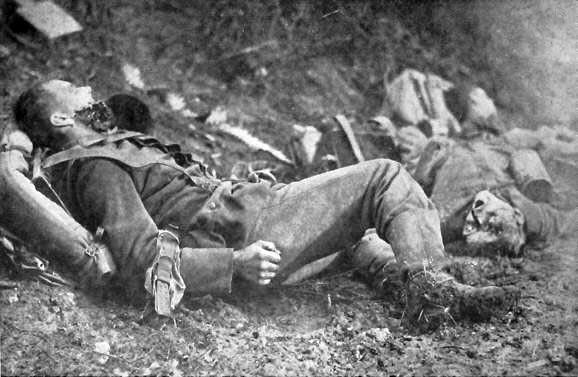 · 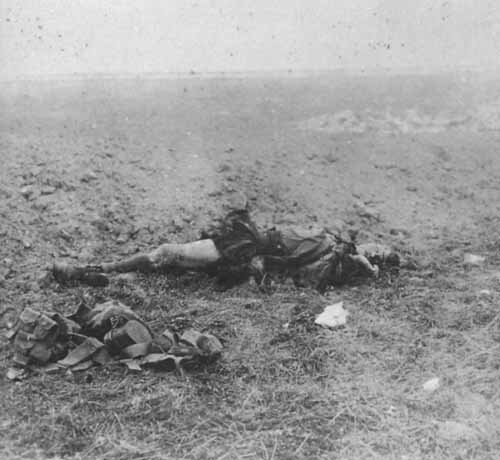 · 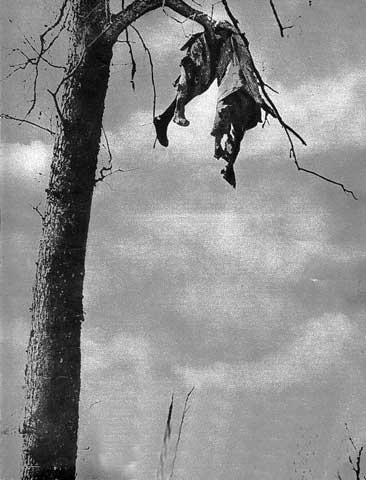 · 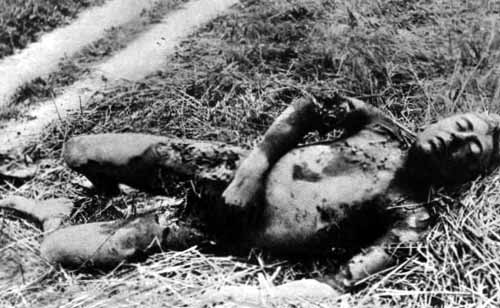 · 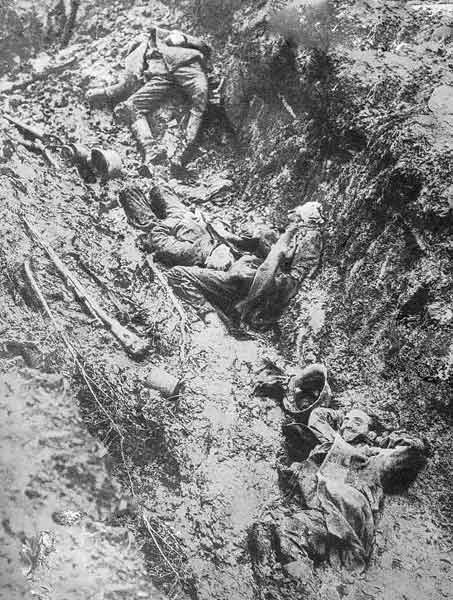 ·  ·  ·  · |
|
#5
●
12-30-2015, 03:05 PM
| ||||||||
| My Rank: CORPORAL Poster Rank:1677 Join Date: Dec 2013 Posts: 321 Mentioned: 2 Post(s) Quoted: 177 Post(s)
| ||||||||
|
Re: The True Face of World War I
Gallery 4
 ·  ·  ·  ·  · 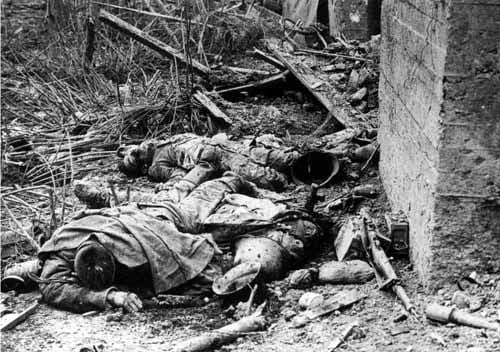 · 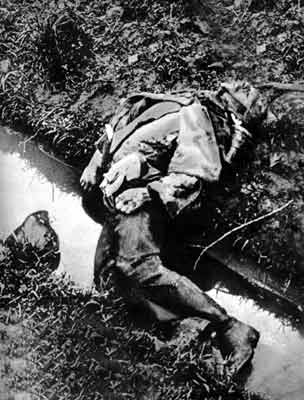 · |
|
#6
●
12-30-2015, 03:07 PM
| ||||||||
| My Rank: CORPORAL Poster Rank:1677 Join Date: Dec 2013 Posts: 321 Mentioned: 2 Post(s) Quoted: 177 Post(s)
| ||||||||
|
Re: The True Face of World War I
Gallery 5
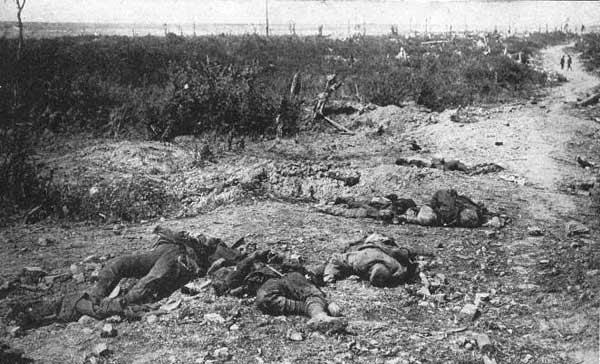 · 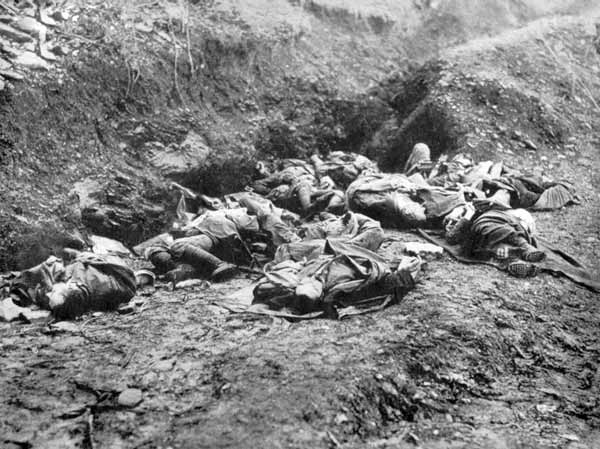 · 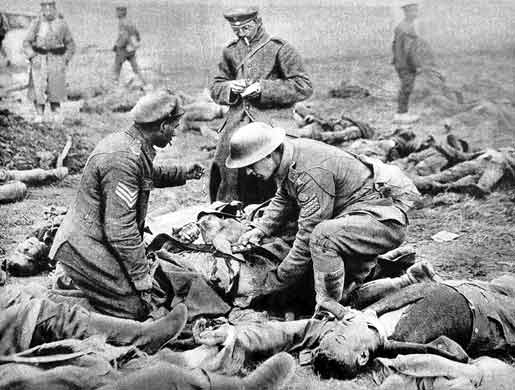 · 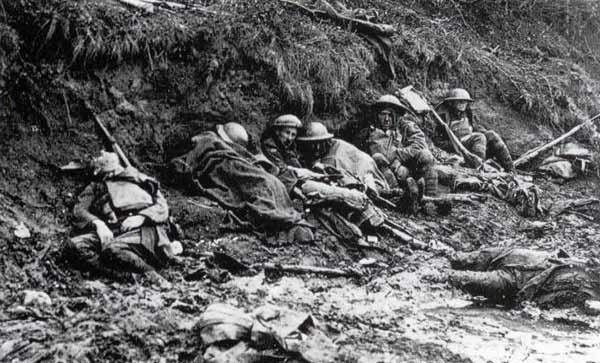 · 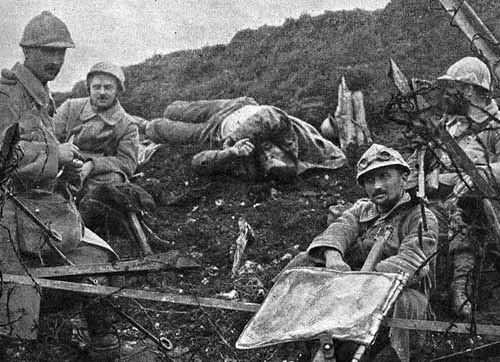 · 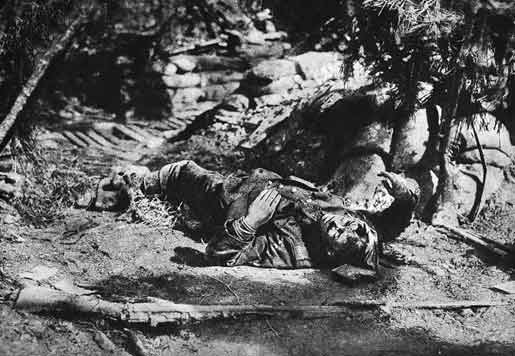 · 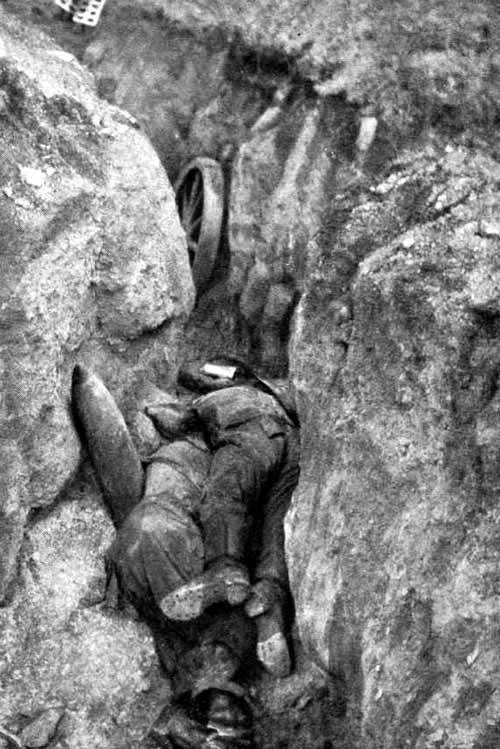 · 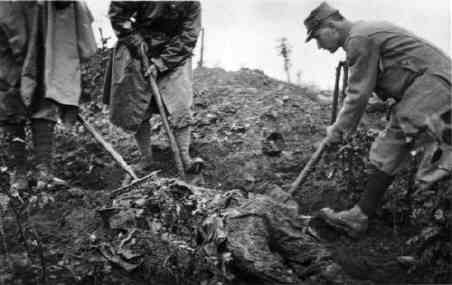 · 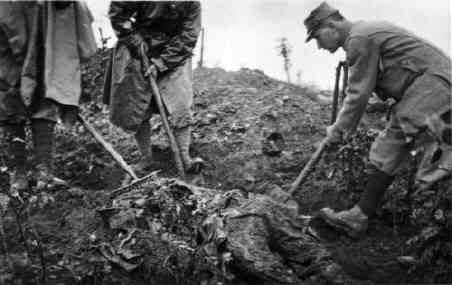 · 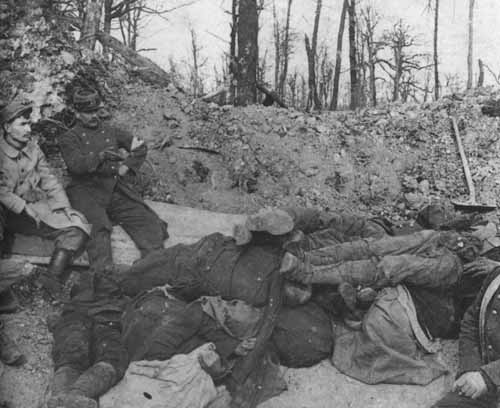 · 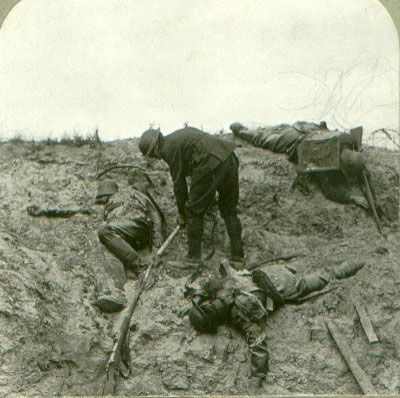 · |
|
#7
●
12-30-2015, 03:11 PM
| ||||||||
| My Rank: CORPORAL Poster Rank:1677 Join Date: Dec 2013 Posts: 321 Mentioned: 2 Post(s) Quoted: 177 Post(s)
| ||||||||
|
Re: The True Face of World War I
Gallery 6
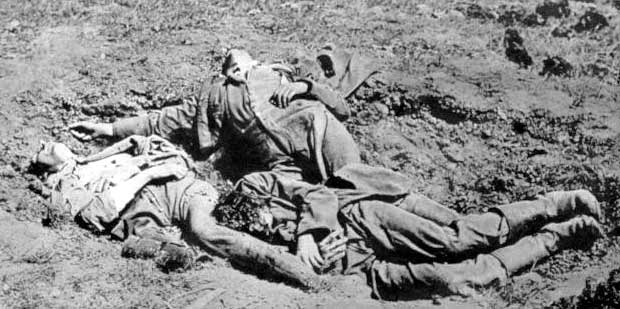 · 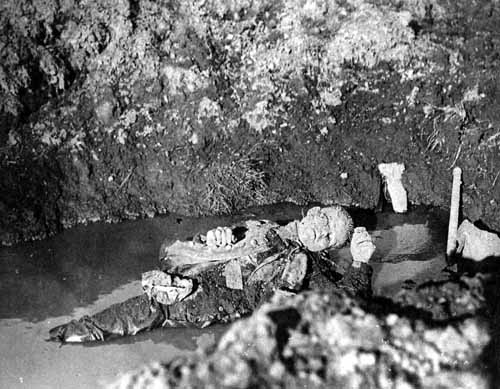 · 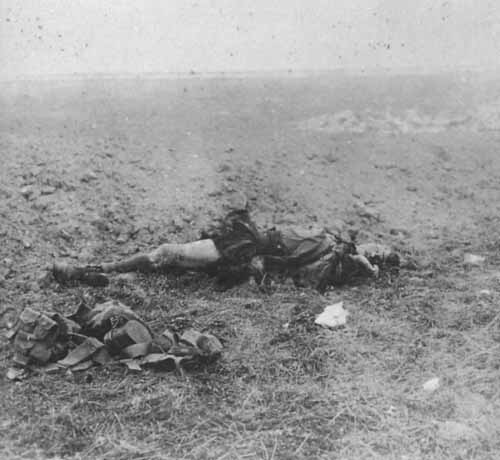 ·  ·  ·  ·  ·  ·  ·  ·  · |
|
#9
●
12-31-2015, 07:48 PM
| ||||||||
 ★ Legacy Member ★ Poster Rank:63 male Join Date: Jun 2012 Posts: 24,213 Mentioned: 169 Post(s) Quoted: 11648 Post(s)
| ||||||||
|
Re: The True Face of World War I
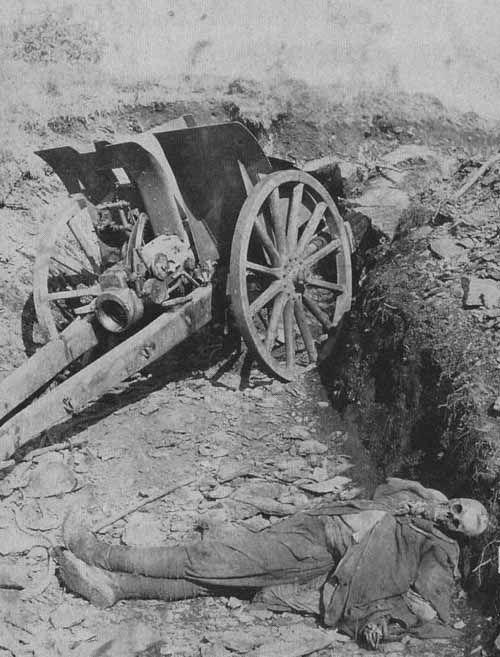
Amazing images, the skeleton beside the artillery piece is a crazy shot. Gotta wonder how long that had been abandoned or why the guy was left so long to rot.
|