|
#1
●
09-18-2008, 02:37 PM
|
 ★ ★ GENERAL ★ ★ Poster Rank:37 male Join Date: Oct 2006 Posts: 42,294
Contributions: 36
42,294Posts 101,657Thanked 21,281Quoted 2,282Mentioned 36Contrib. |
|
Tiananmen Square Massacre: June 3-4, 1989 Beijing Crackdown
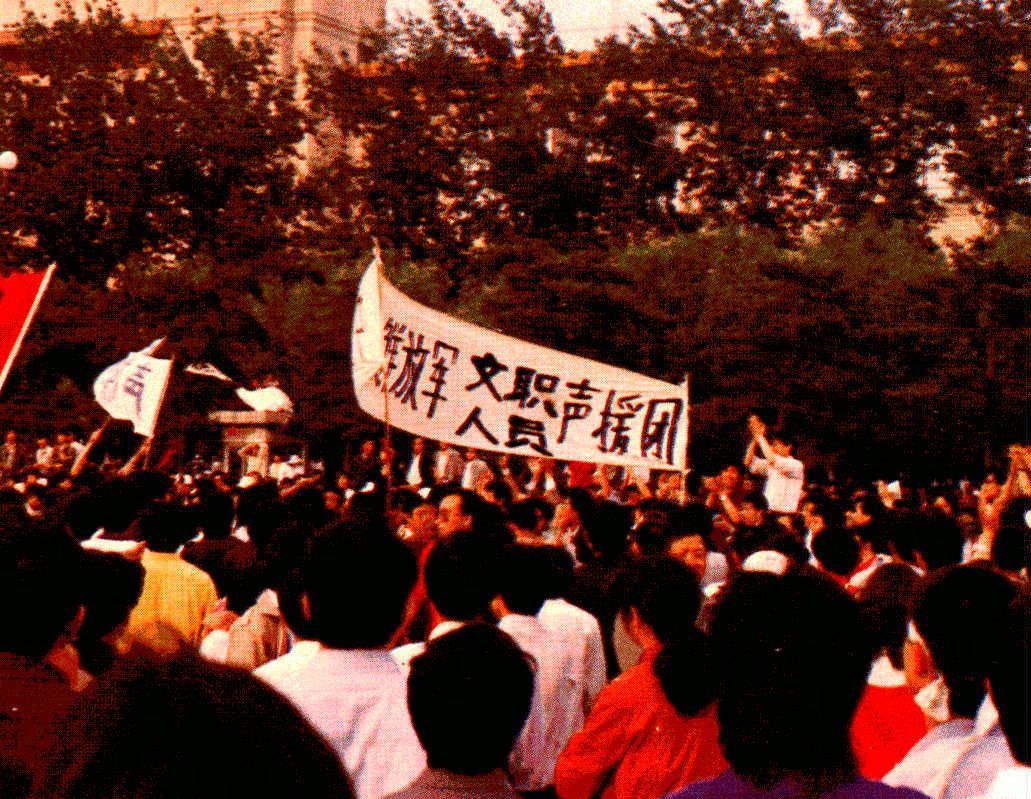
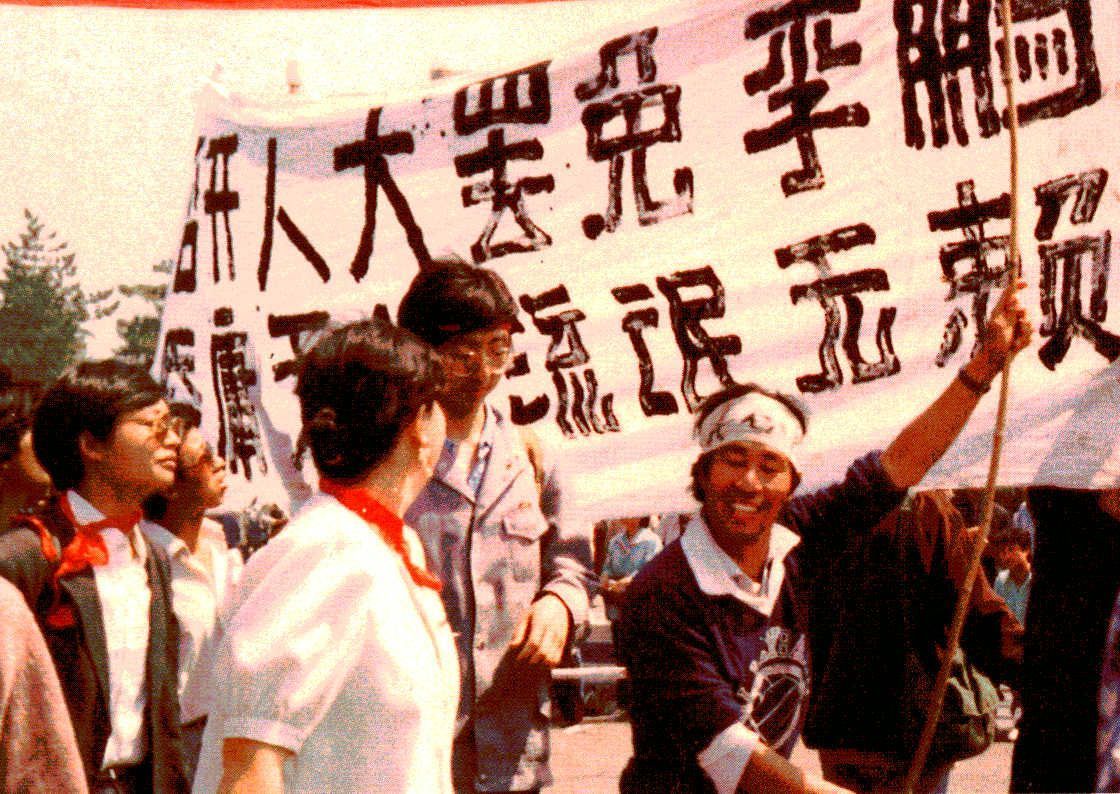
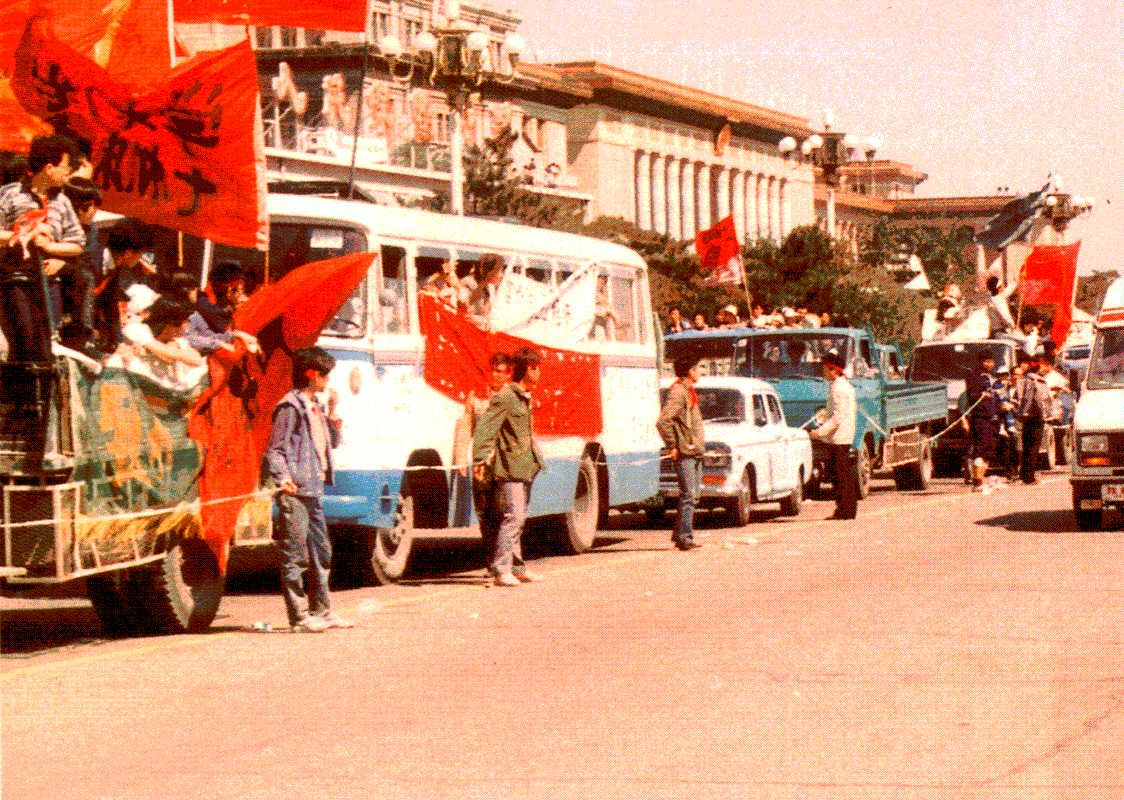
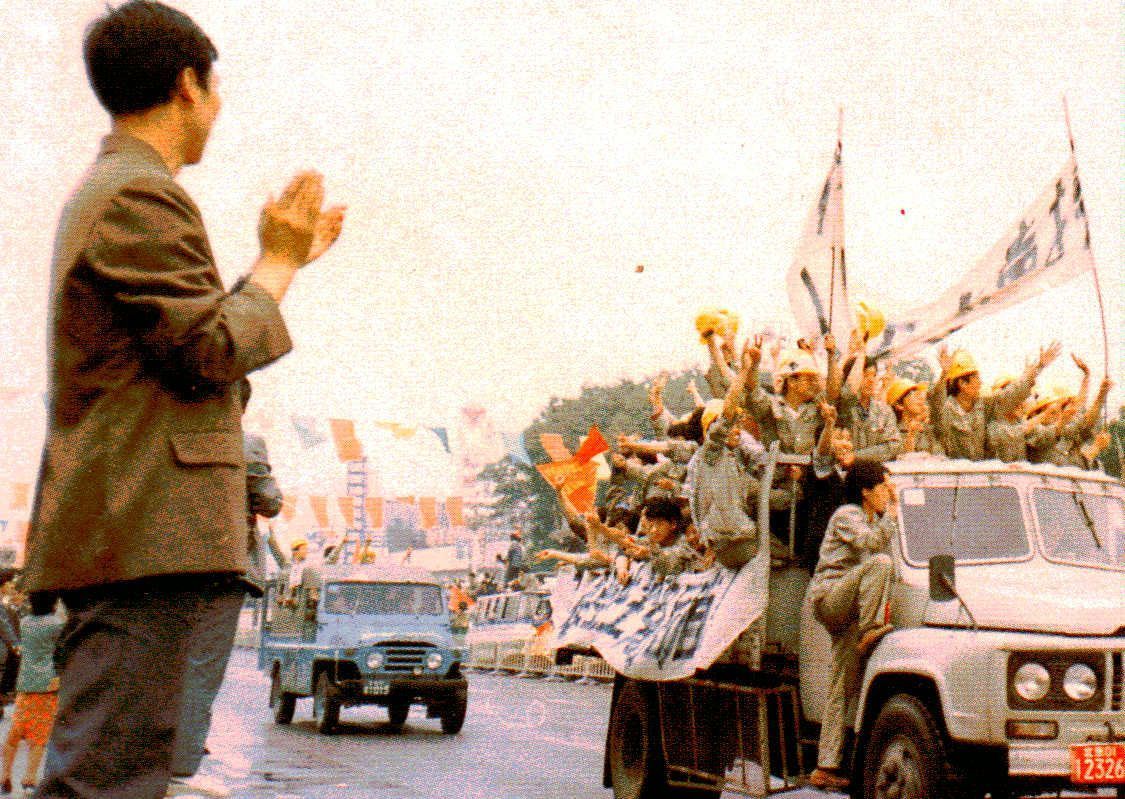
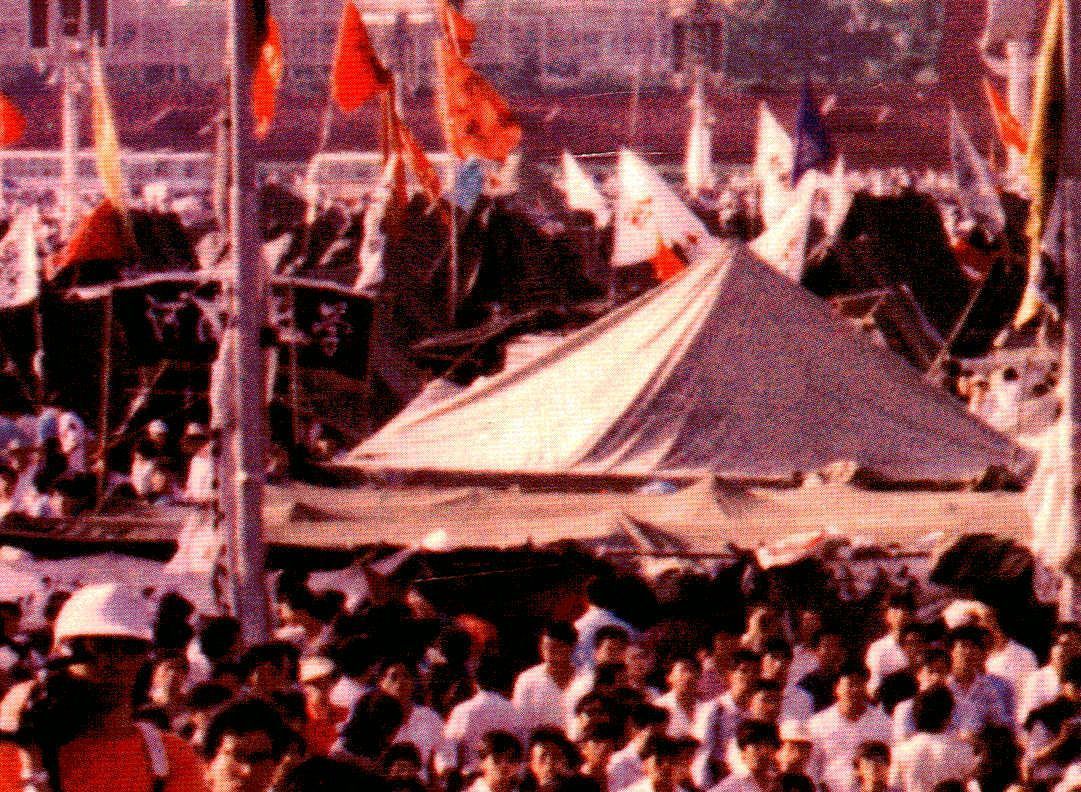
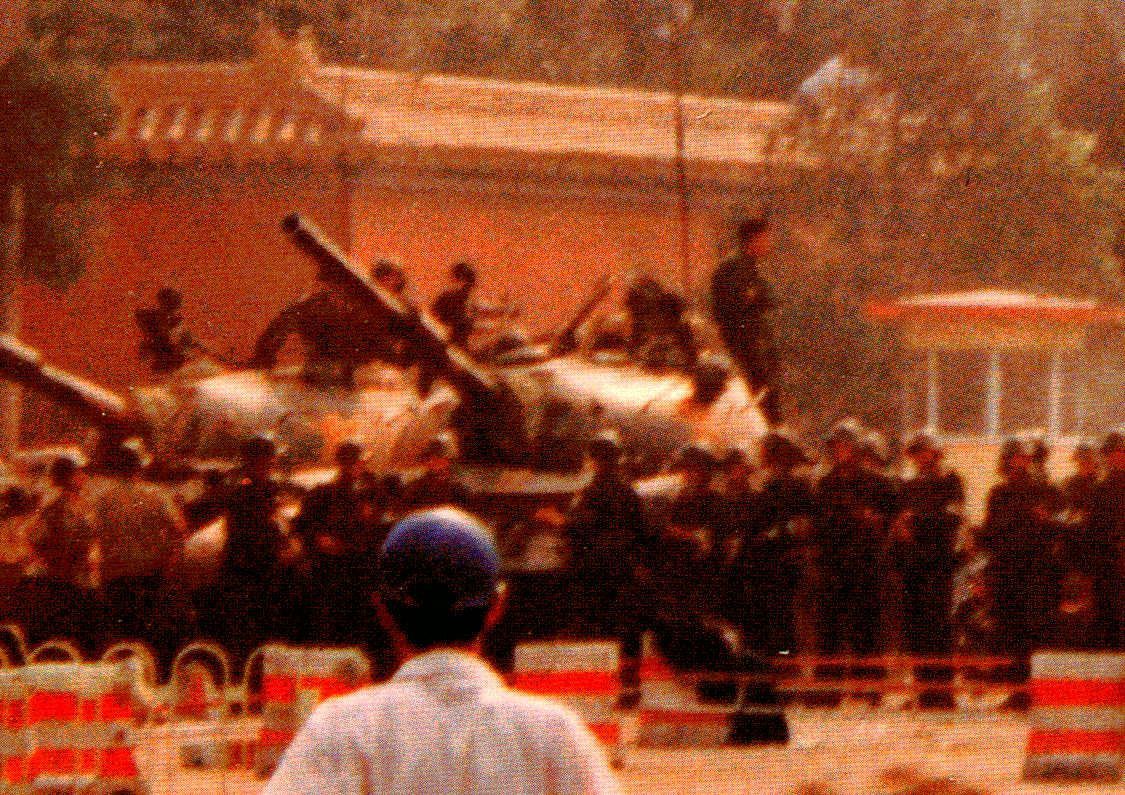
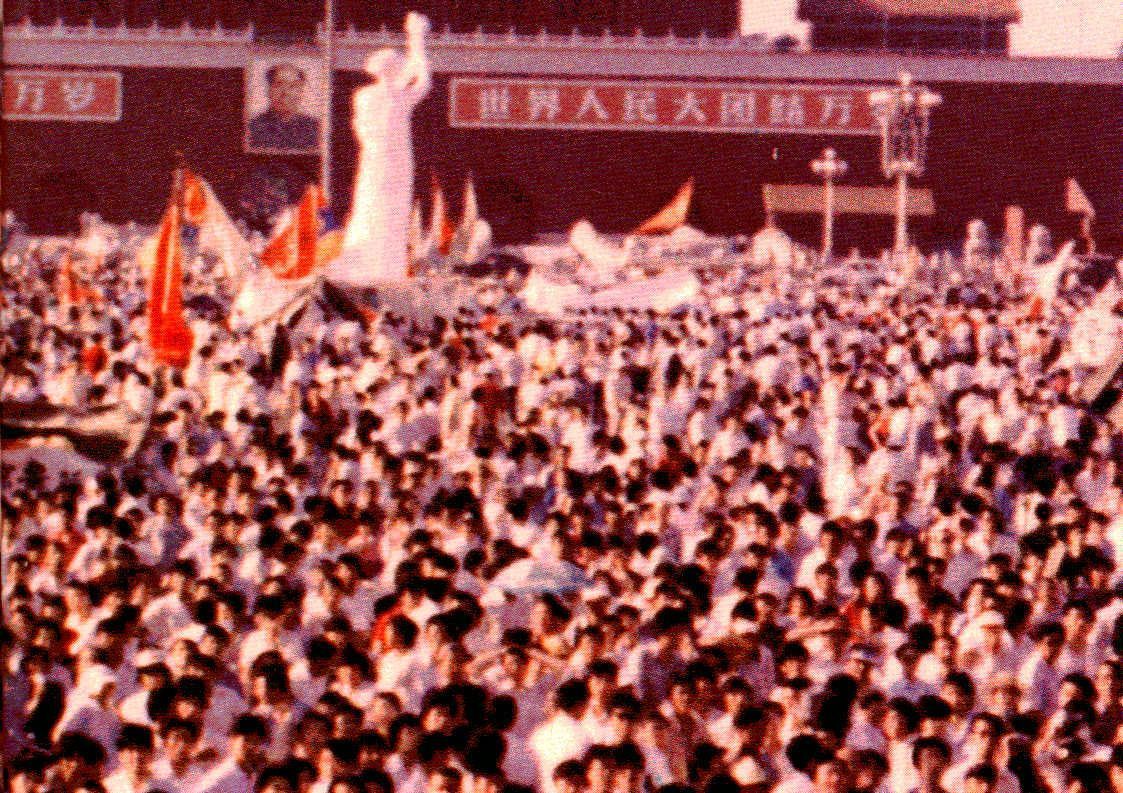
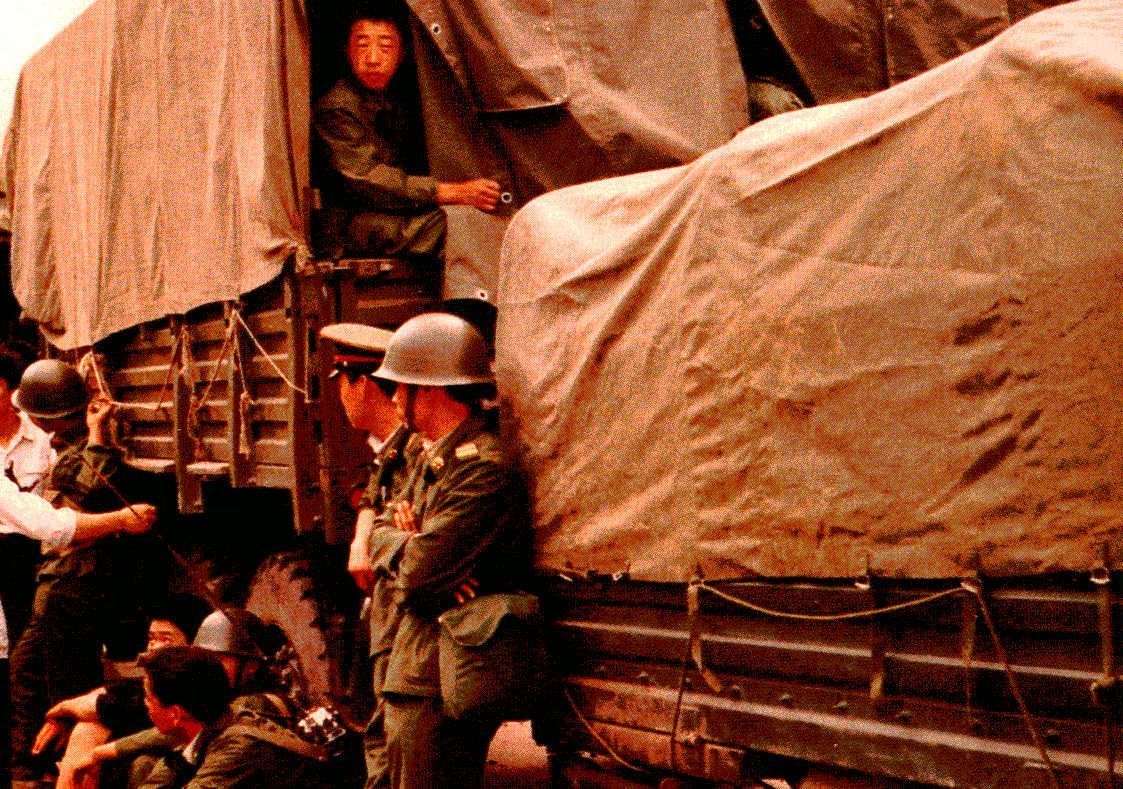
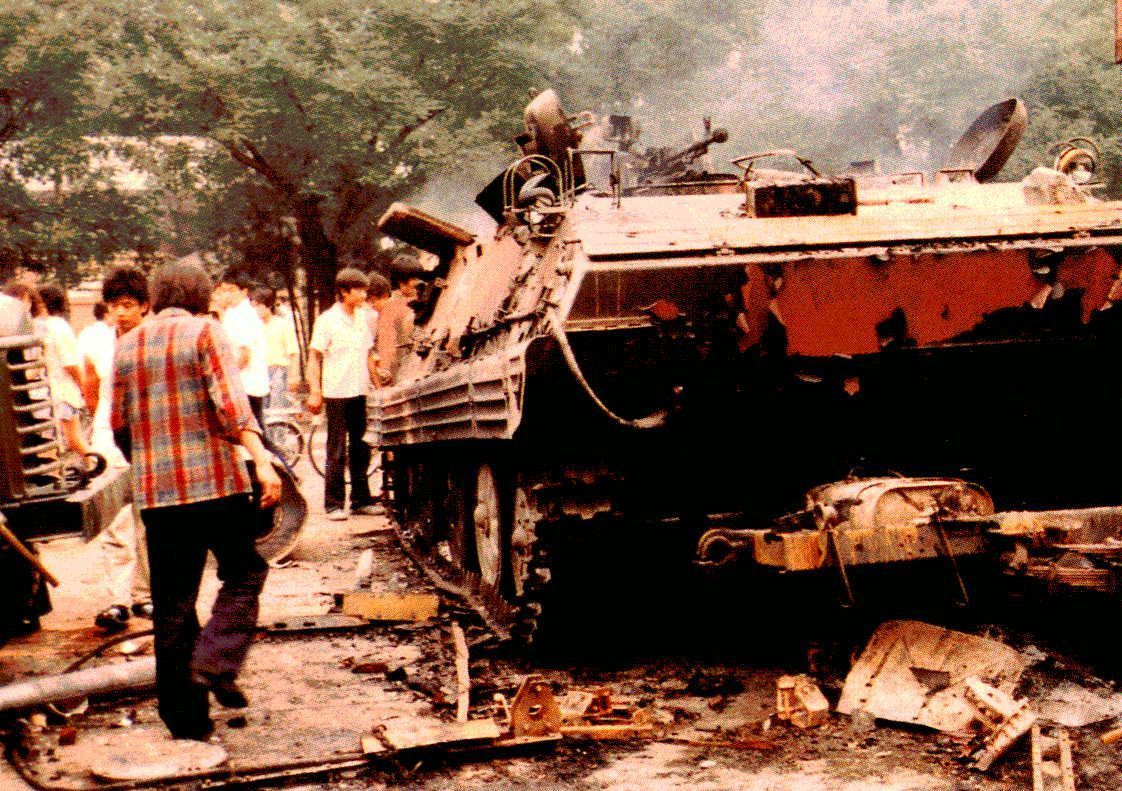
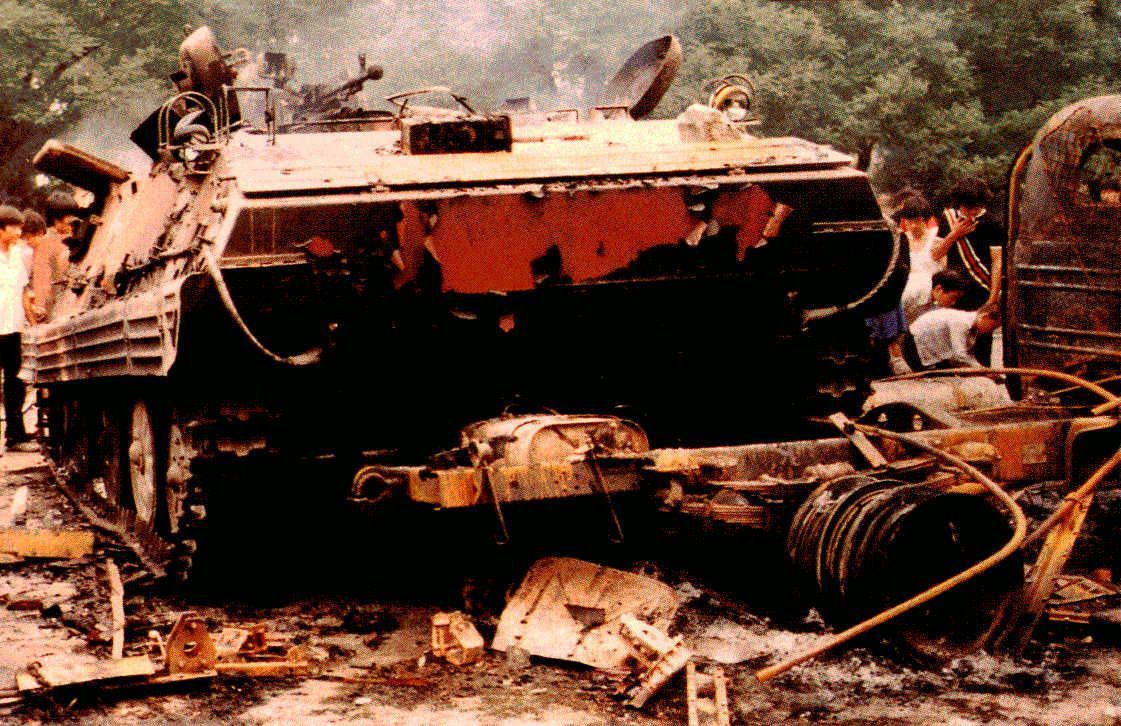
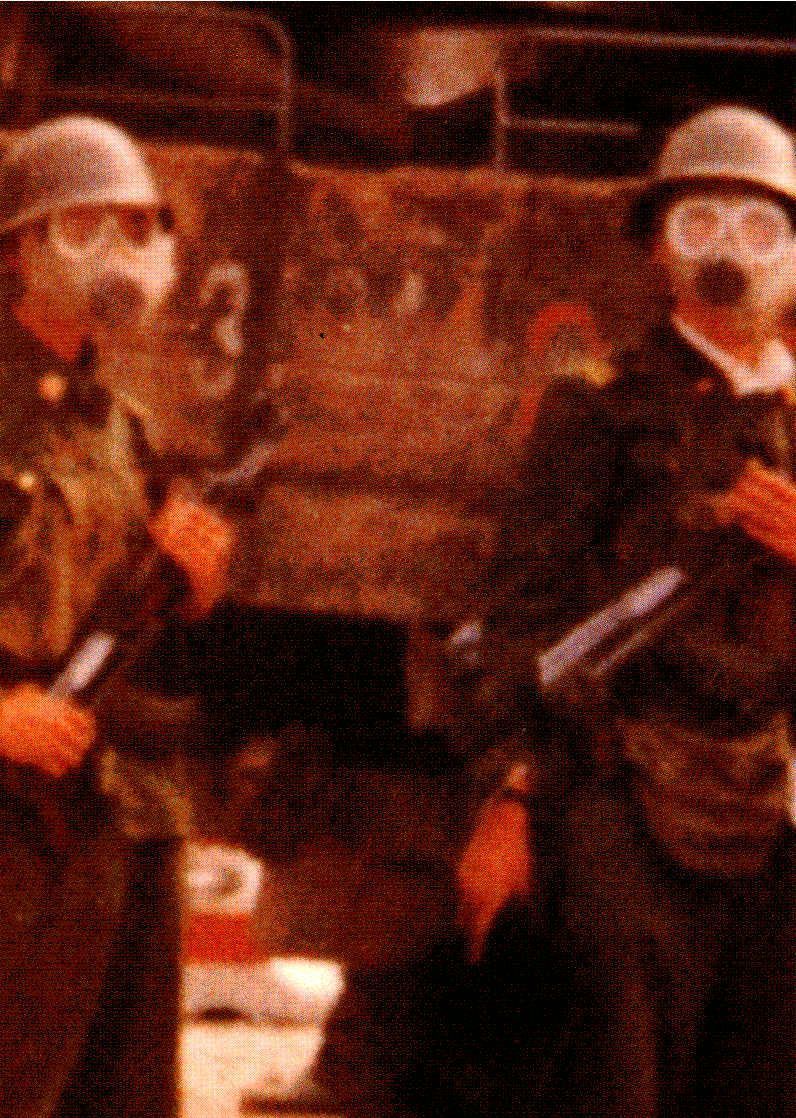
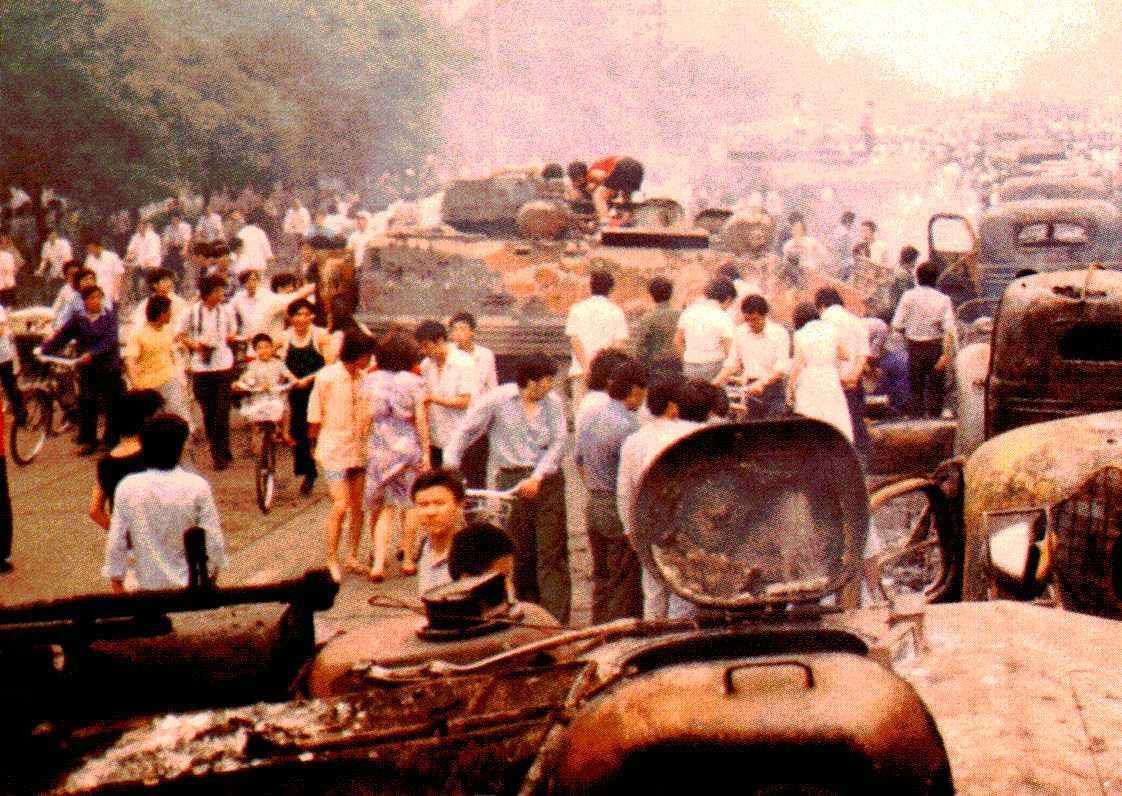
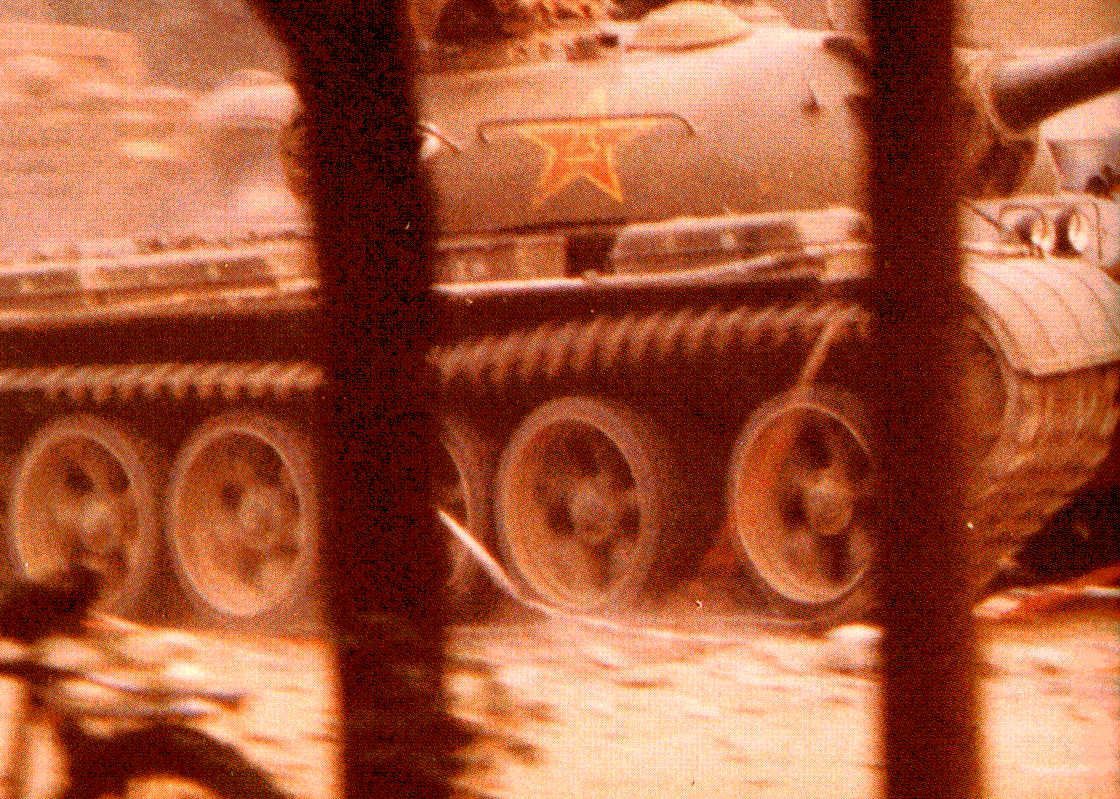
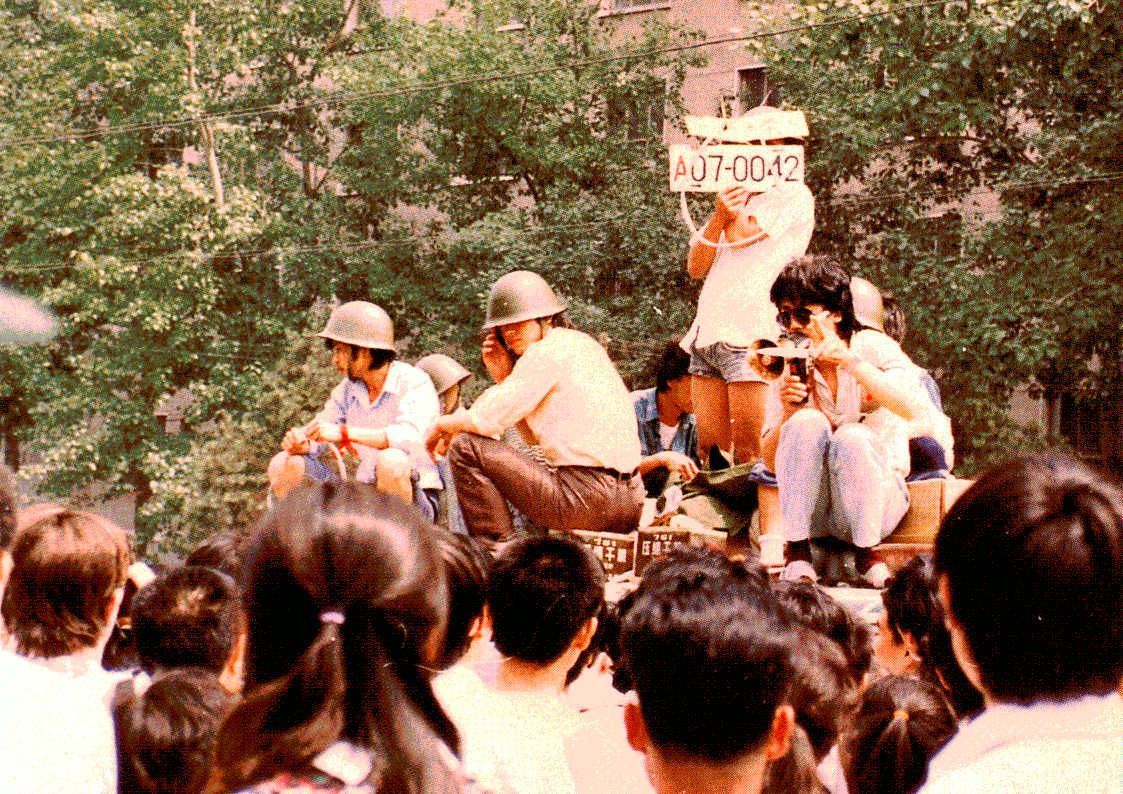
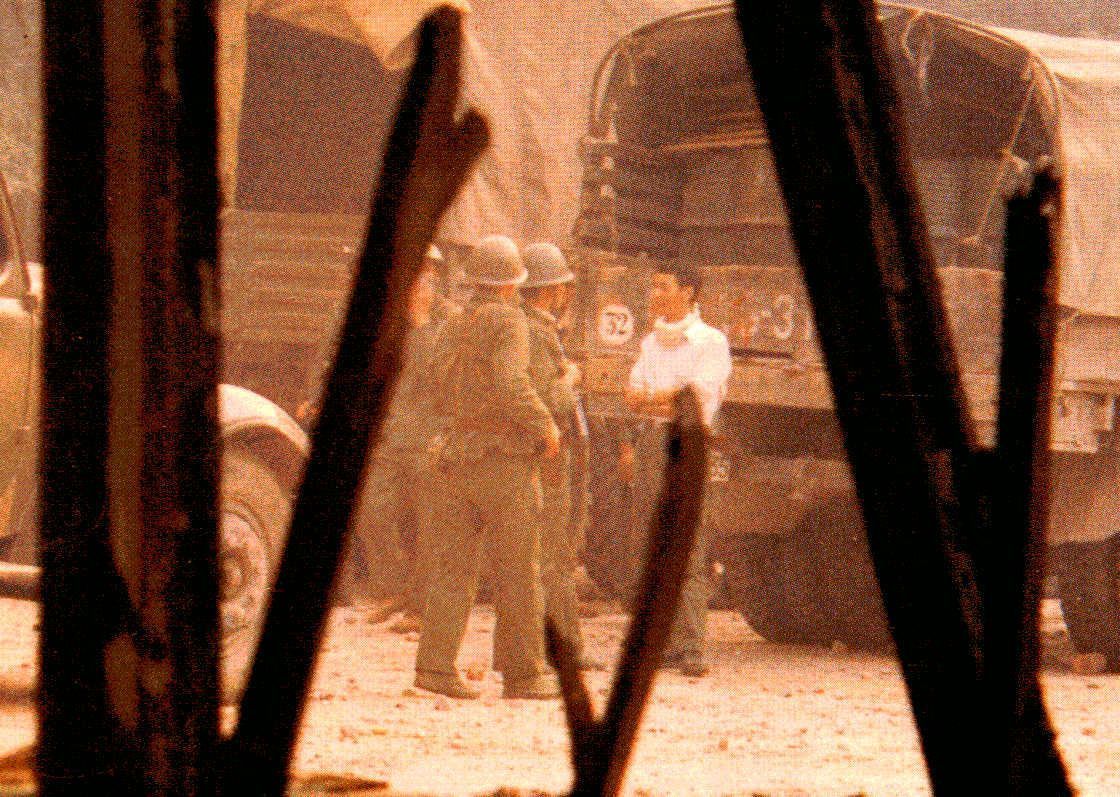
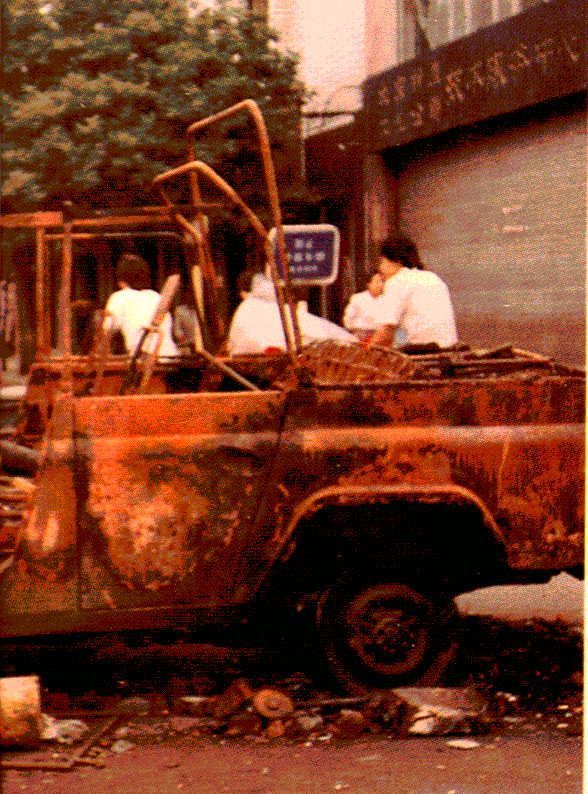
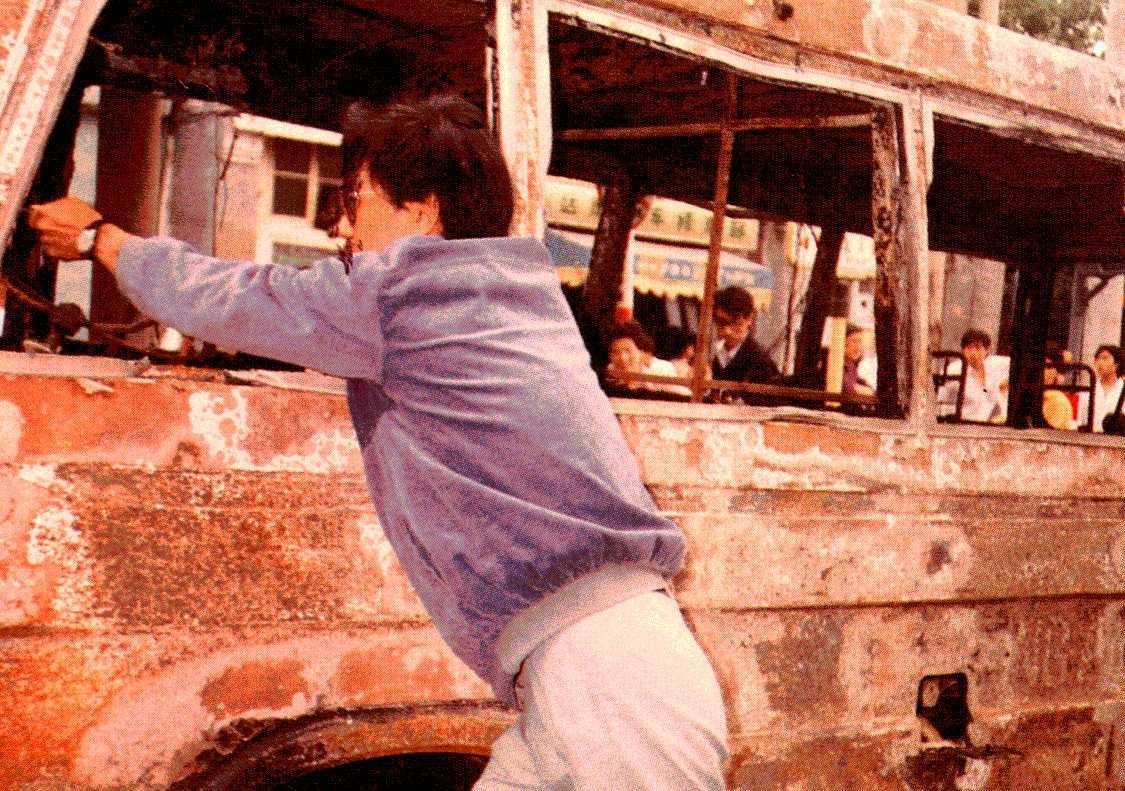
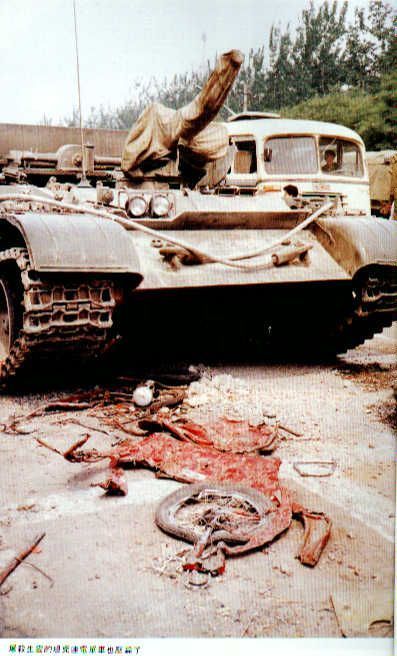
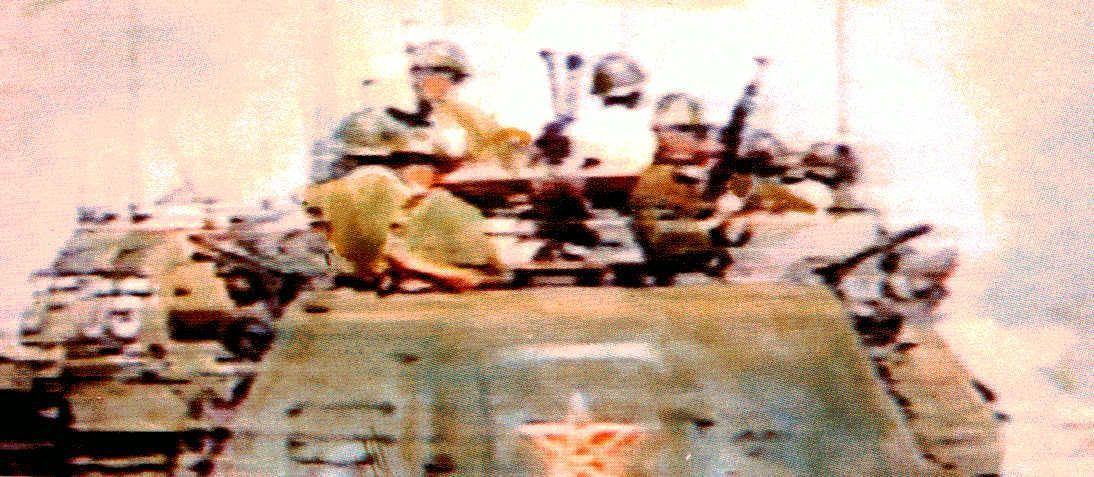
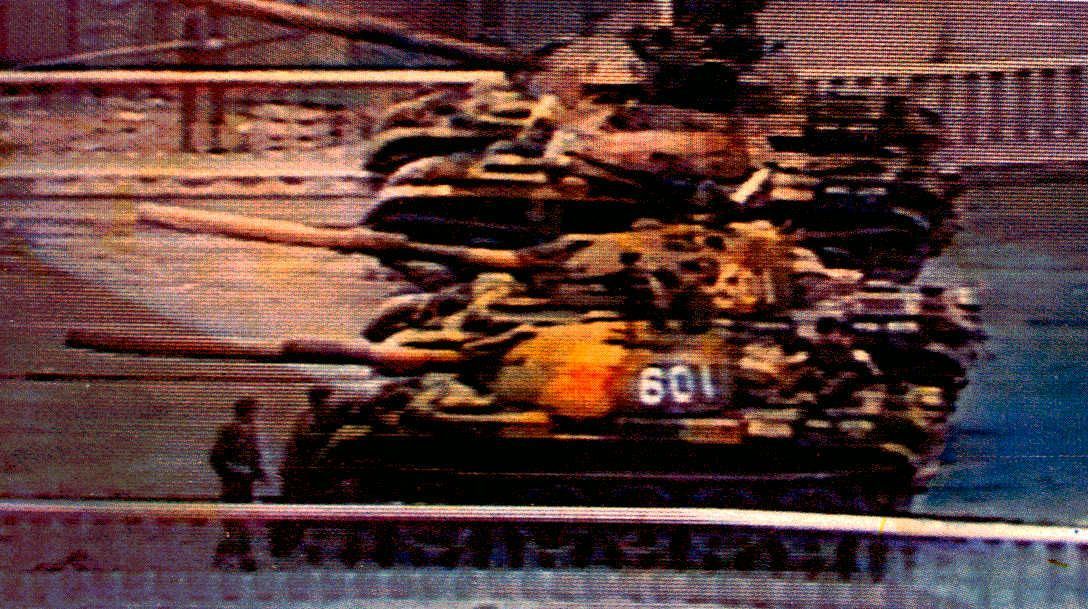
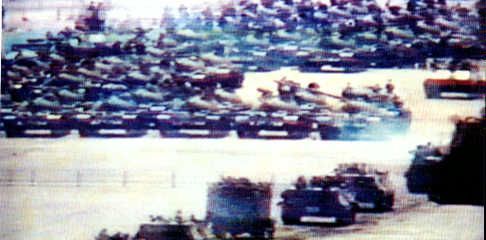
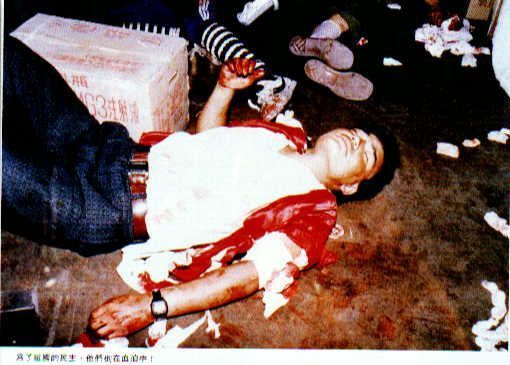
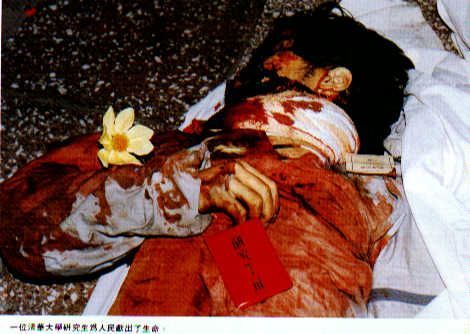
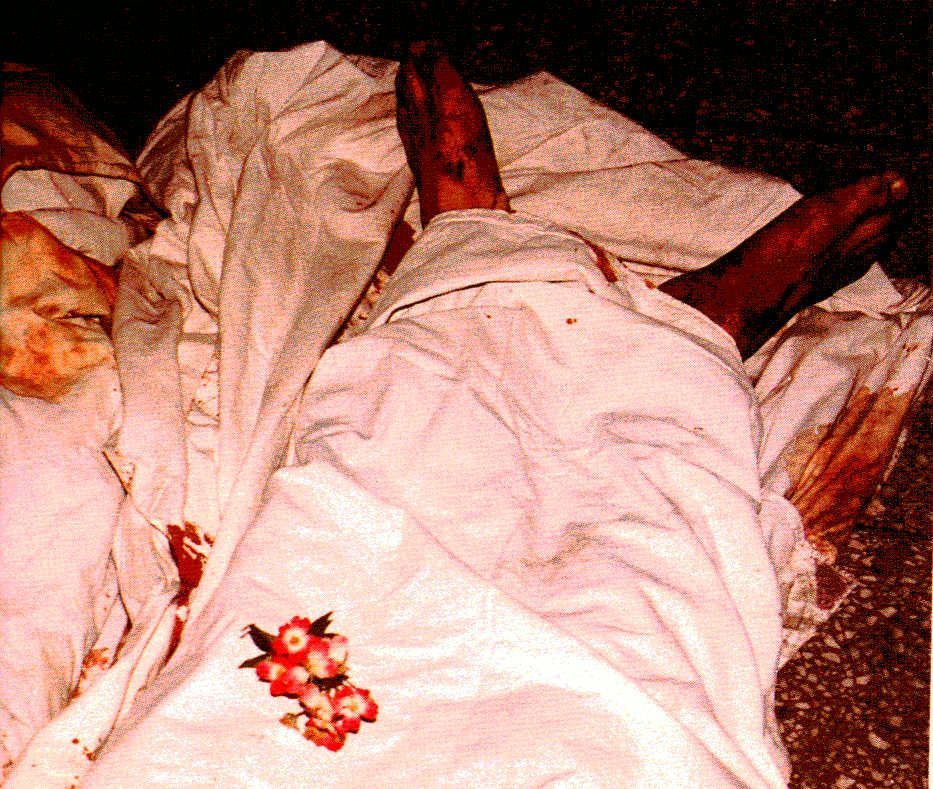
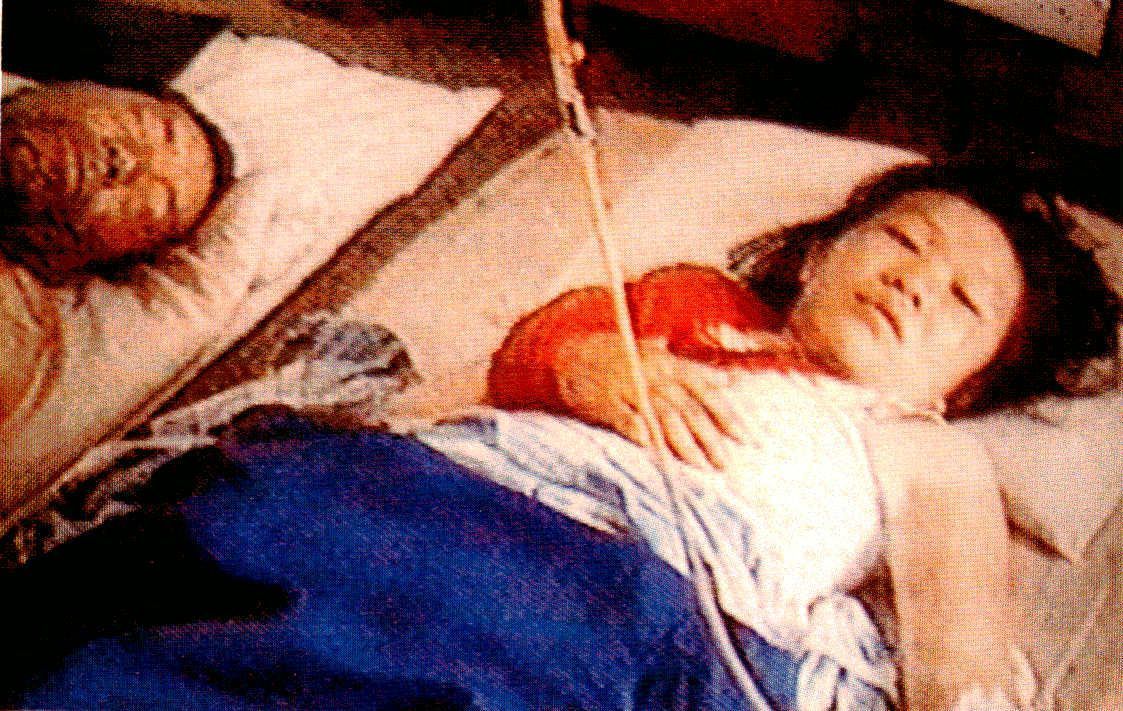
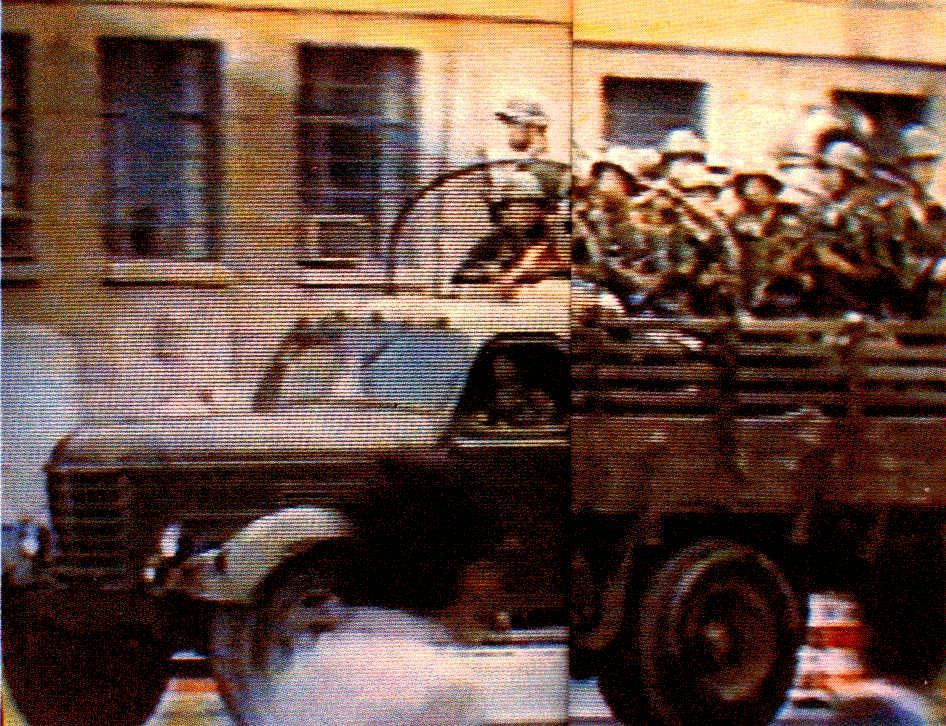
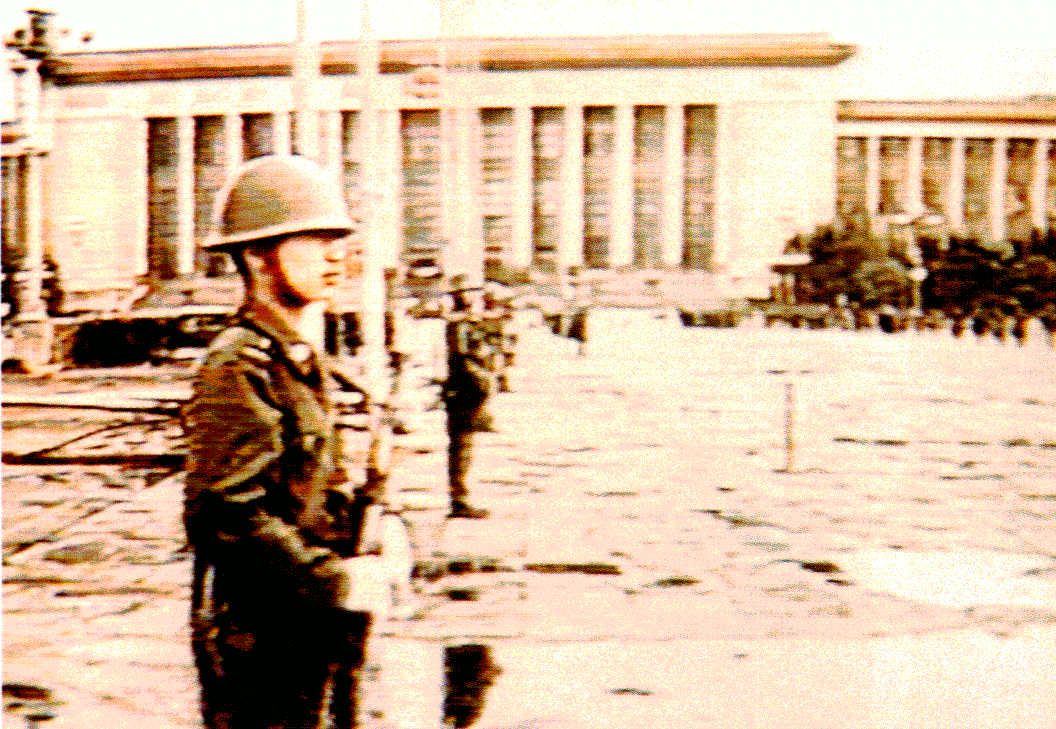
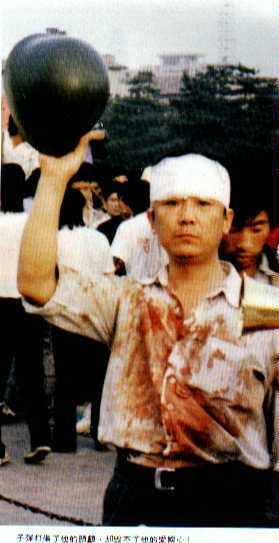
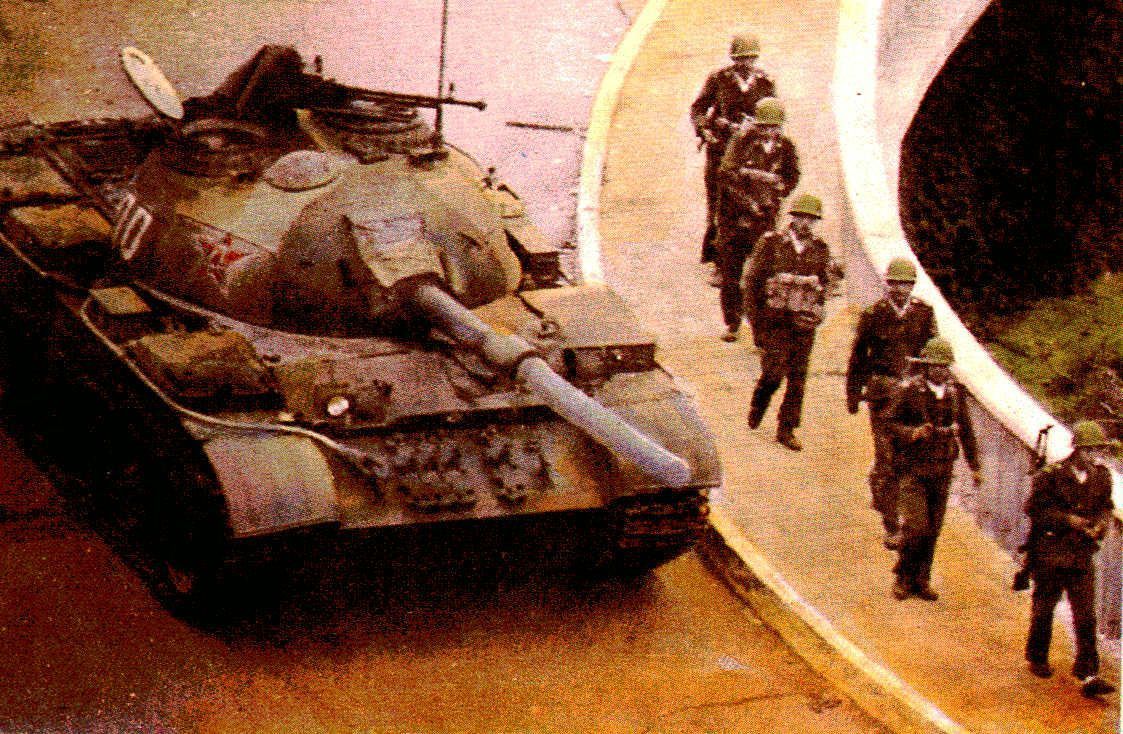
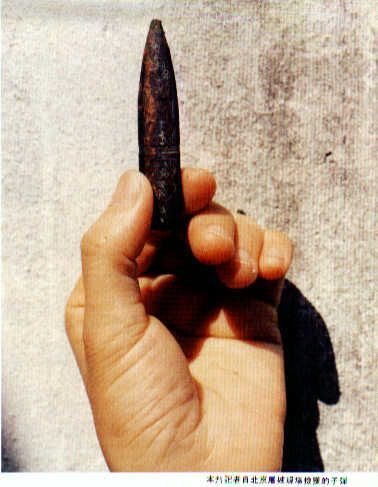
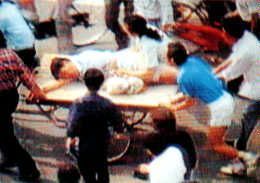
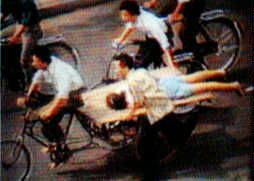
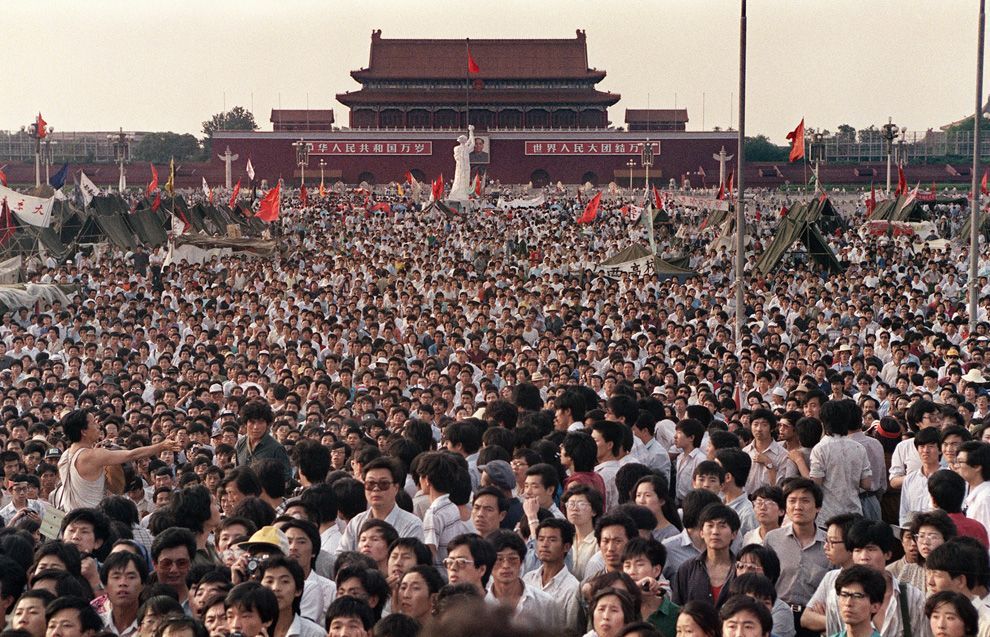
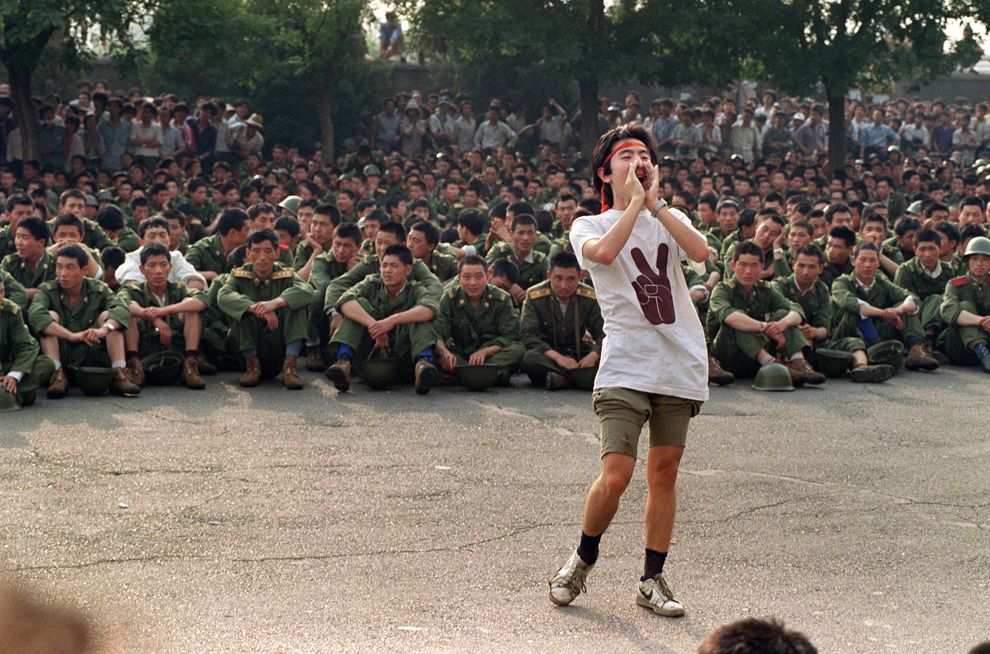
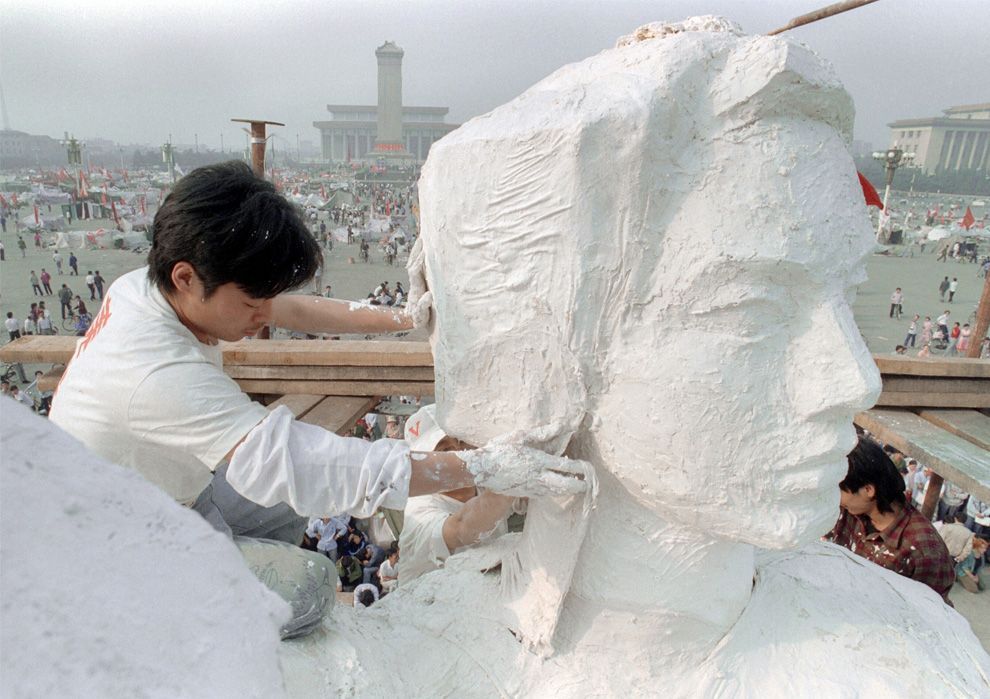
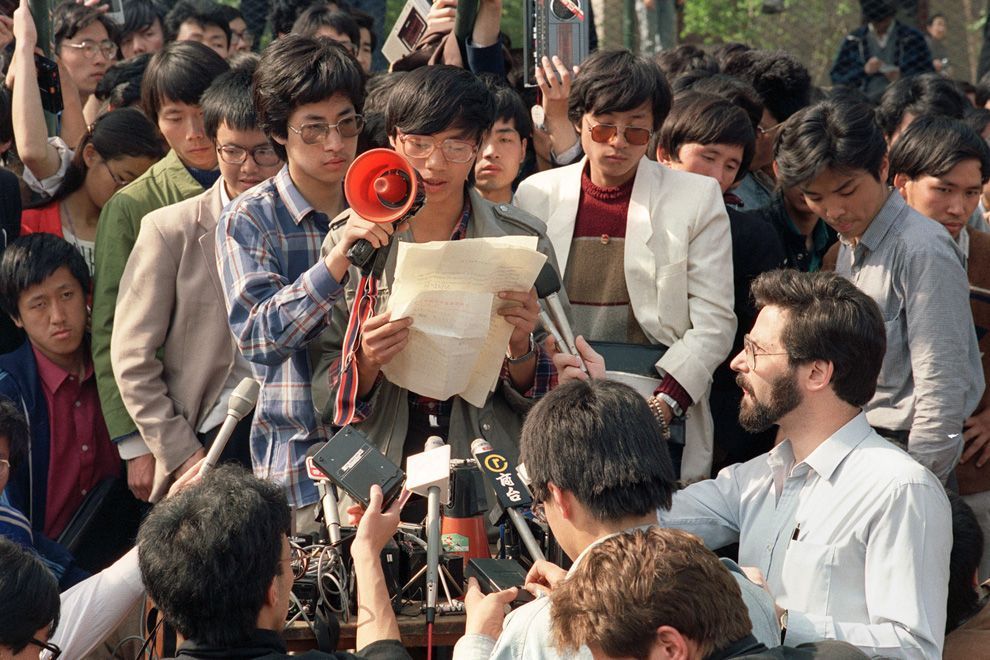
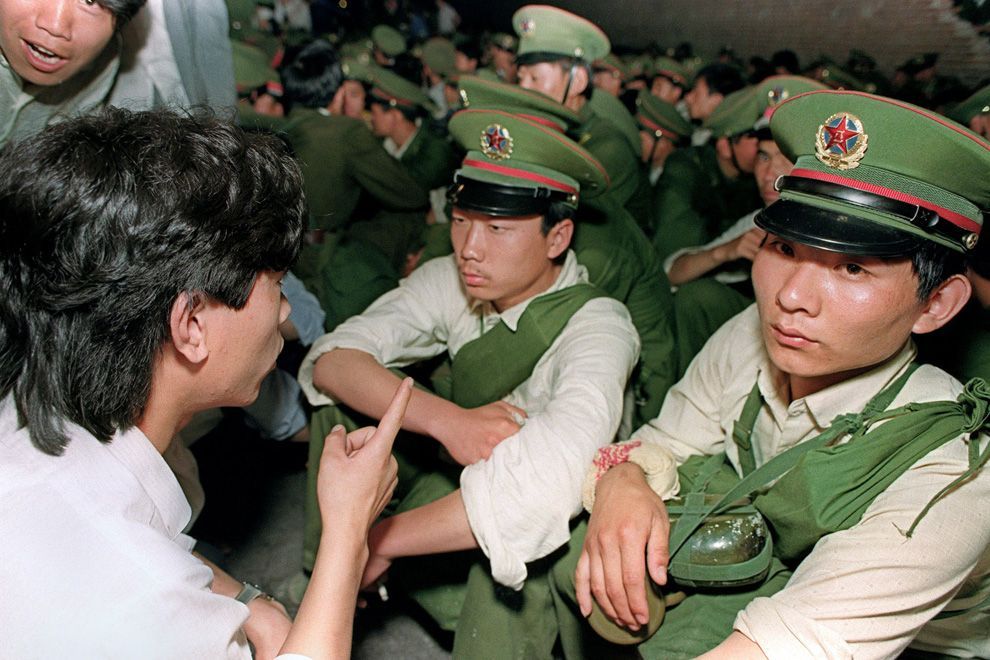
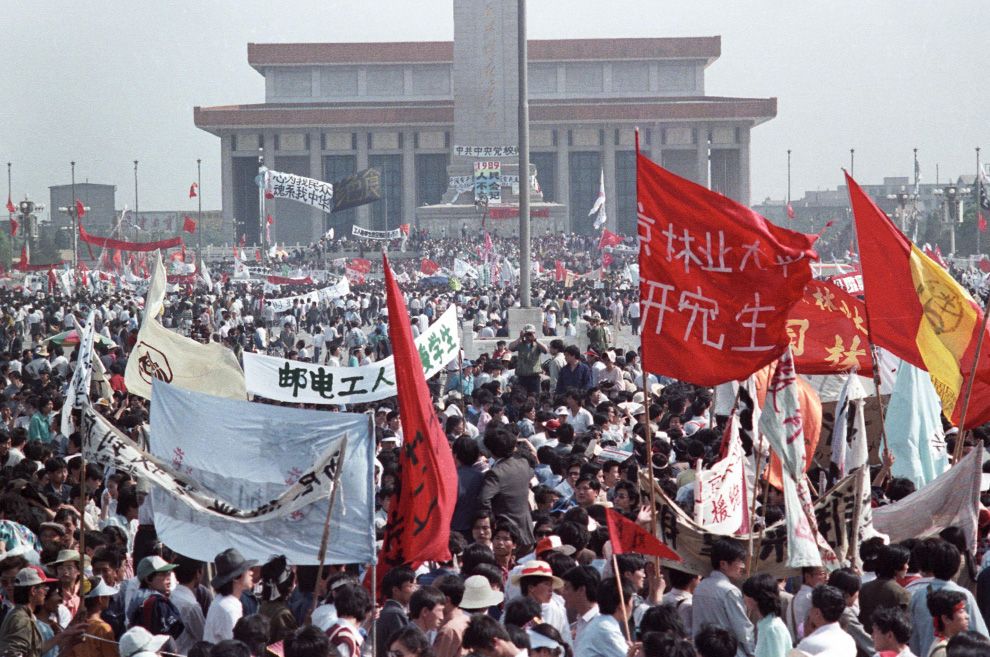
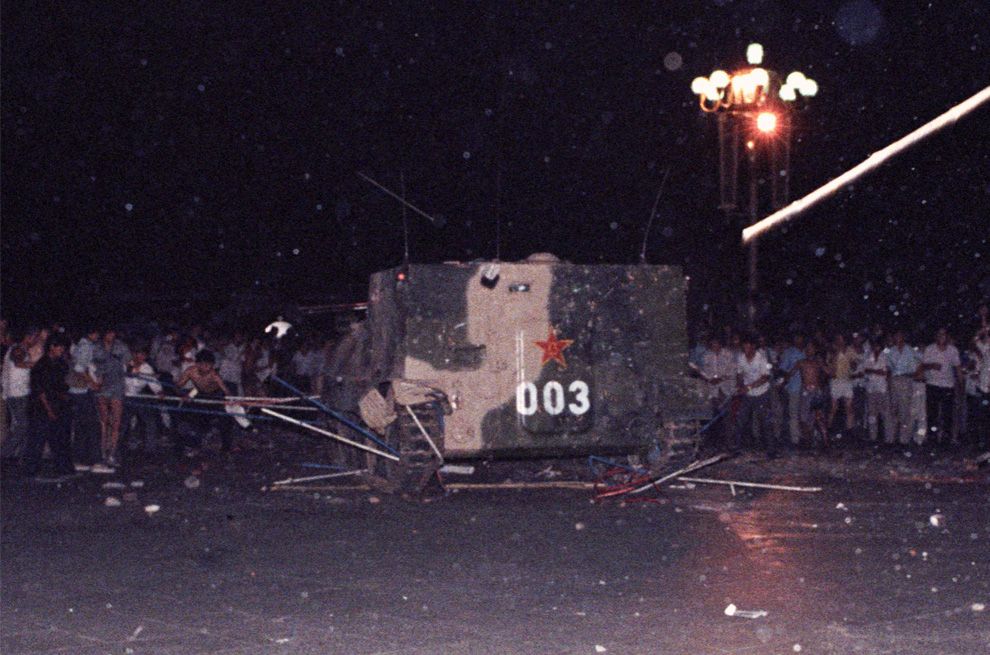
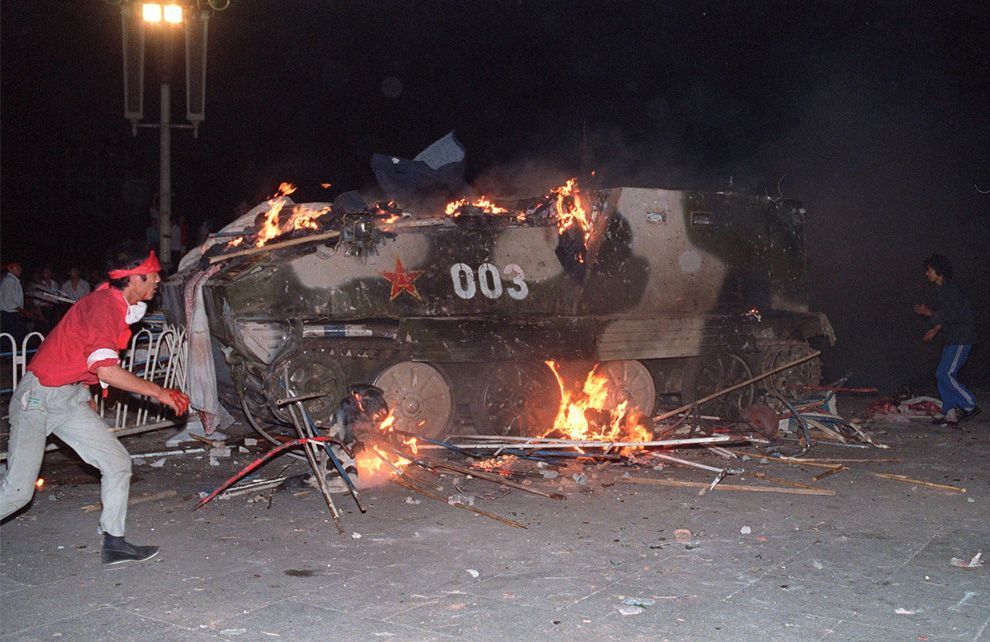
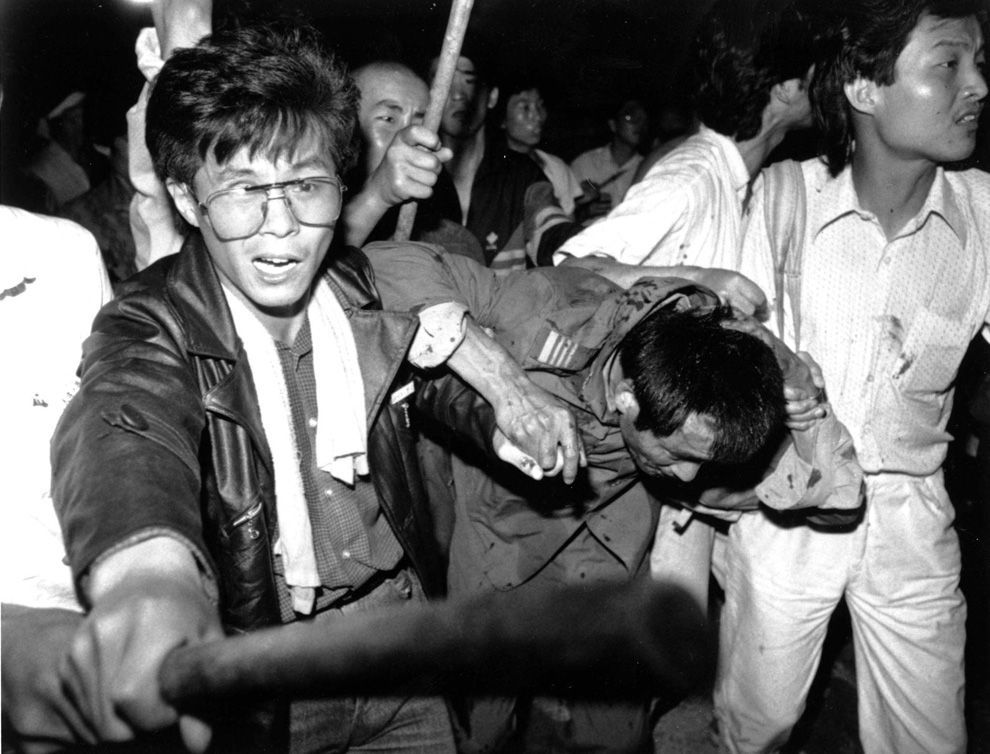
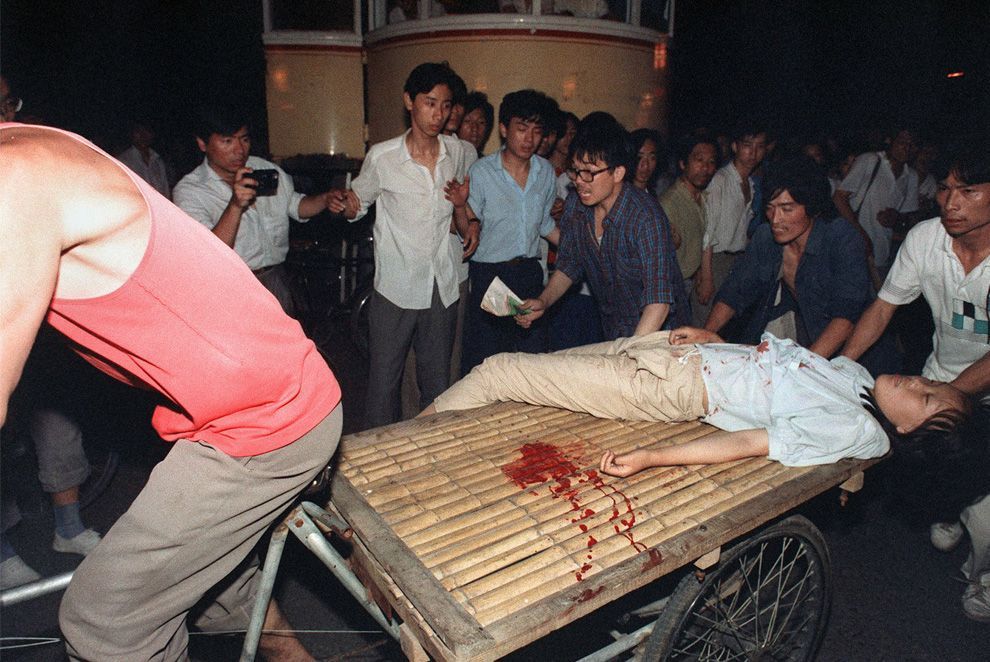
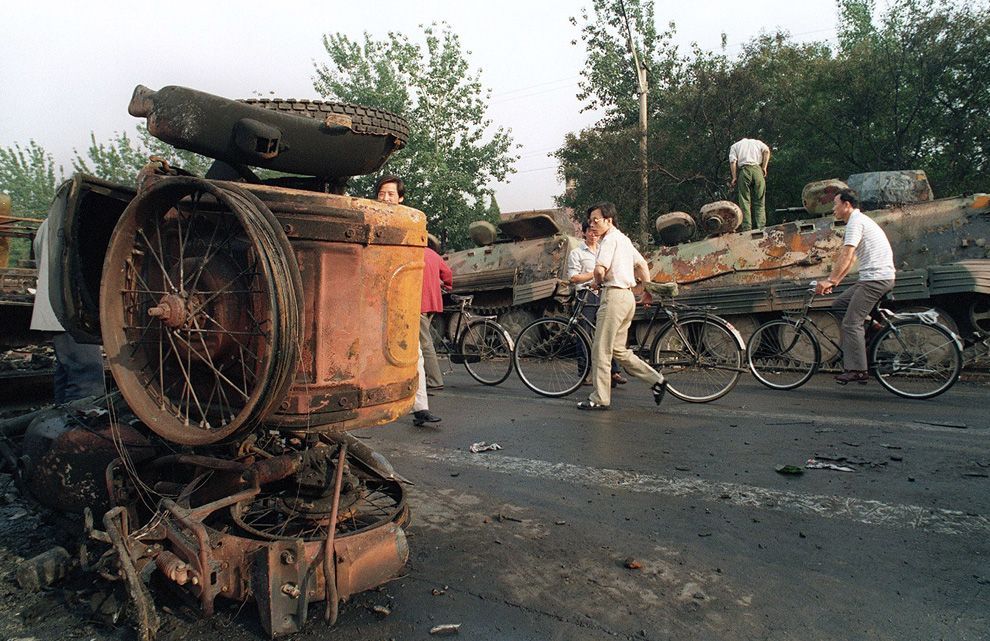
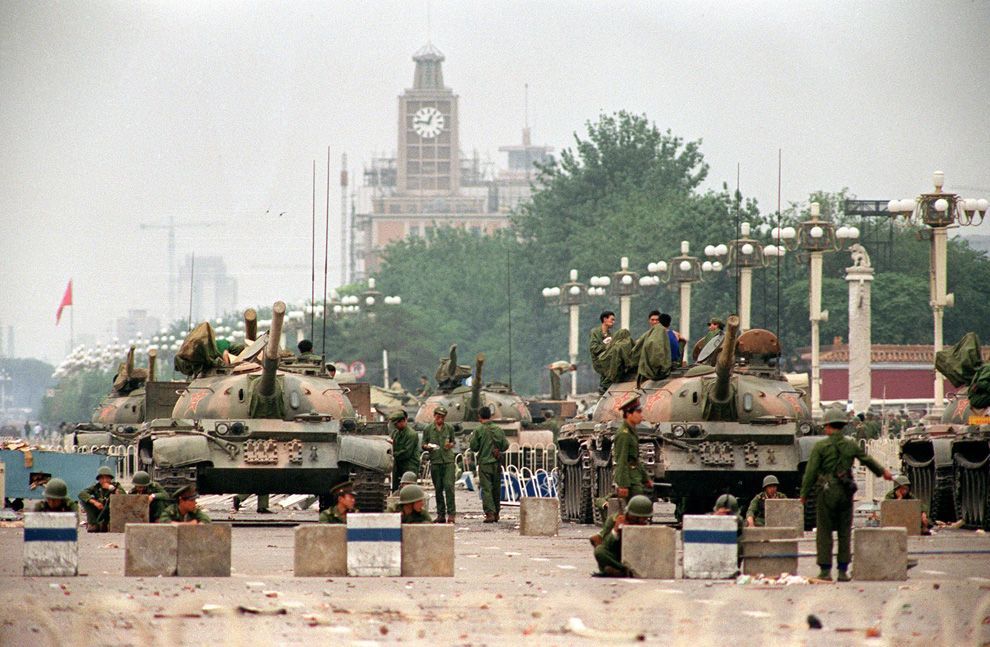
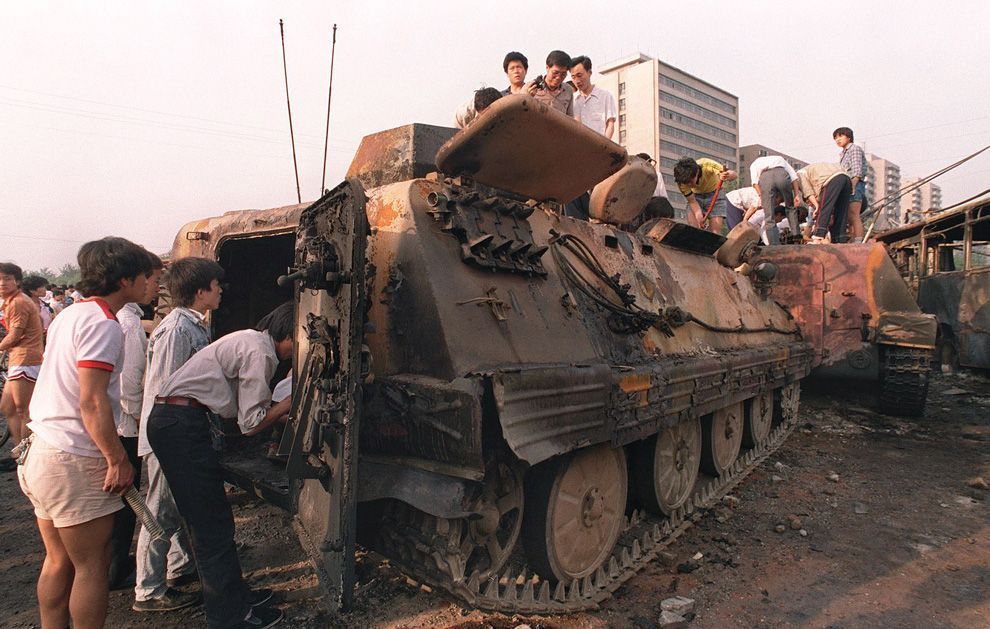
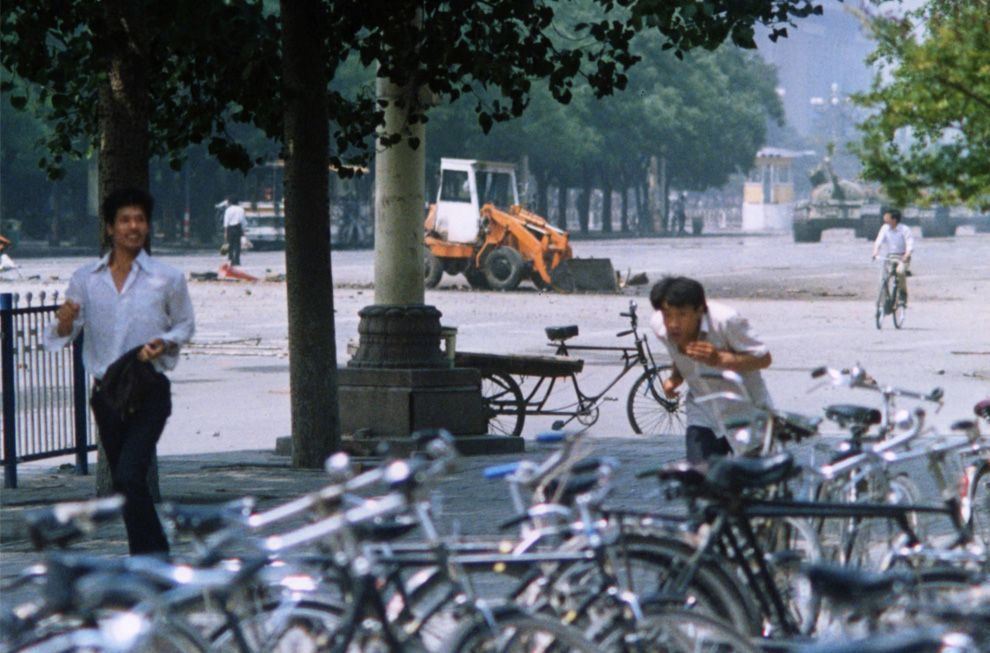
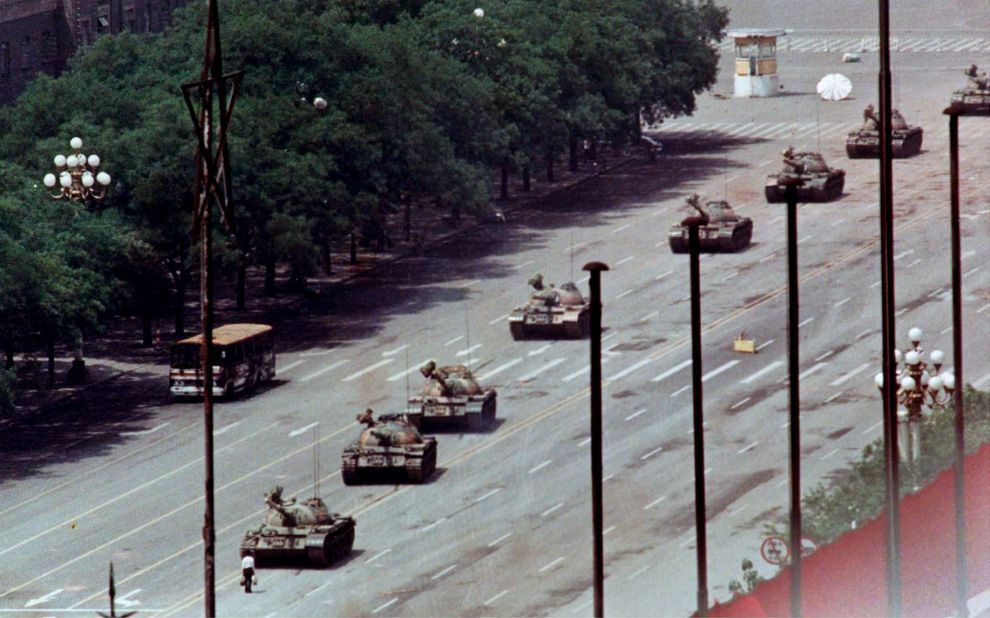
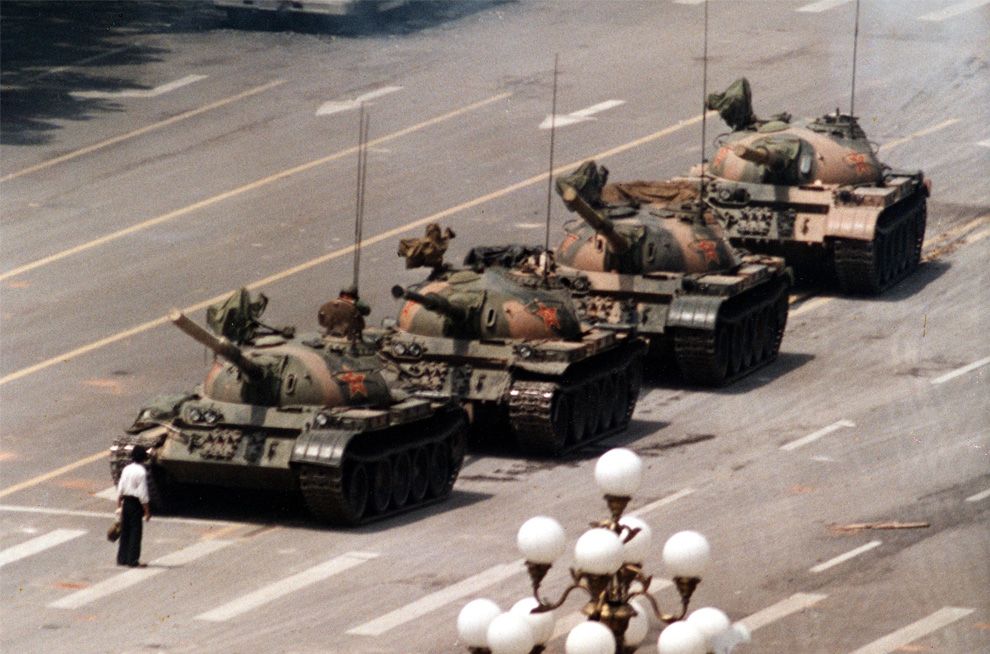
The Chinese military crushed the Beijing protest movement on the night of June 3-4, 1989, clearing routes into Tiananmen Square and then the square itself. The movement had begun after former Communist Party General Secretary Hu Yaobang died on April 15. Martial law was declared on May 20, but demonstrations continued. Much of the worst killing occurred along the western approach on Chang'an Avenue rather than within the square itself. The death toll remains disputed. State Council spokesman Yuan Mu said nearly 300 people, including soldiers, were killed. Beijing Mayor Chen Xitong later reported about 200 civilian deaths, although he subsequently disowned that report. Other estimates ranged from 400 to 800 civilians to at least 10,000 people. The Tiananmen Mothers have identified more than 200 victims and say their list is incomplete. Photographs show the protest camps, crowds blocking military vehicles, the Goddess of Democracy facing Tiananmen Gate, wounded people and bodies in a Beijing hospital and on city streets. Other images show tanks, soldiers, burned armored vehicles and buses, and the aftermath of the crackdown. On June 5, a lone man carrying shopping bags stood before a column of tanks. Jeff Widener, Charlie Cole, Stuart Franklin and Arthur Tsang photographed the confrontation from the Beijing Hotel. Also covered here: Photographic Time Line 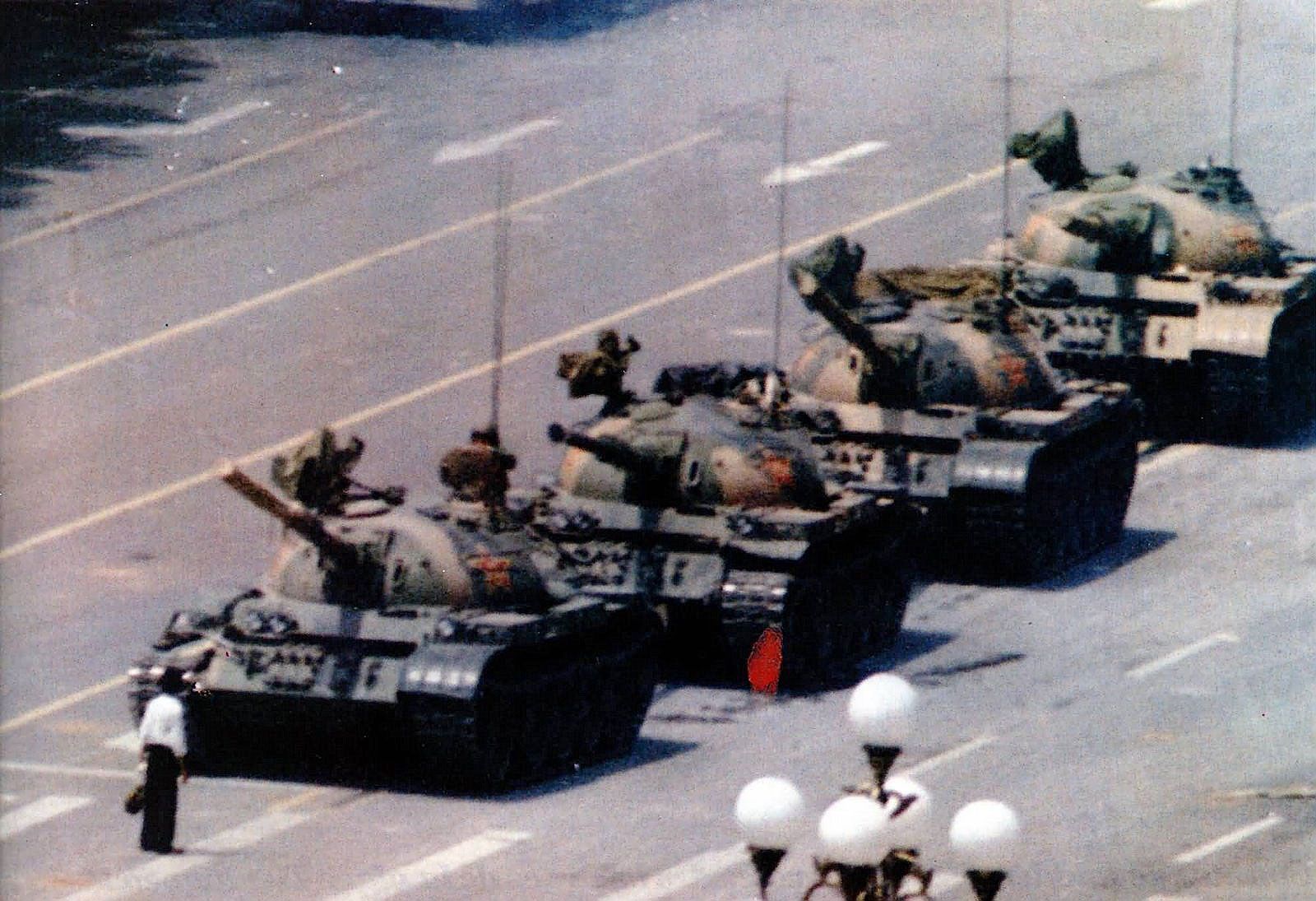 ·
__________________ Support the site and our continued existance by upgrading to a Green Name |
|
#2
●
08-06-2009, 01:01 AM
|
| So Fucking Banned Poster Rank:973 male Join Date: Jul 2009 Posts: 734 734Posts 525Thanked 0Quoted 0Mentioned 0Contrib. |
|
Re: Tiananmen Square Massacre: June 3-4, 1989 Beijing Crackdown
The Tiananmen Square protests of 1989, culminating in a violent conflict referred to in the United States as the Tiananmen Square massacre and in China as the June Fourth Incident (ostensibly to avoid confusion with two prior Tiananmen Square protests), were a series of demonstrations in and near Tiananmen Square in Beijing in the People's Republic of China (PRC) beginning on 14 April. Led mainly by students and intellectuals, the protests occurred in a year that saw the collapse of a number of communist governments around the world. The protests were sparked by the death of a pro-market, pro-democracy, and anti-corruption official, Hu Yaobang, whom protesters wanted to mourn. By the eve of Hu's funeral, 1,000,000 people had gathered on the Tiananmen square. The protests lacked a unified cause or leadership; participants included disillusioned Communist Party members and Trotskyists as well as free market reformers, who were generally against the government's authoritarianism and voiced calls for economic change and democratic reform within the structure of the government. The demonstrations centered on Tiananmen Square, in Beijing, but large-scale protests also occurred in cities throughout China, including Shanghai, which remained peaceful throughout the protests. The movement lasted seven weeks, from Hu's death on 15 April until tanks cleared Tiananmen Square on 4 June. In Beijing, the resulting military response to the protesters by the PRC government left many civilians dead or severely injured. The number of deaths is not known and many different estimates exist. Nicholas D. Kristof of the New York Times estimated the death toll at 400-800 based on information he gathered from multiple medical sources. Following the violence, the government conducted widespread arrests of protesters and their supporters, cracked down on other protests around China, banned the foreign press from the country and strictly controlled coverage of the events in the PRC press. Members of the Party who had publicly sympathized with the protesters were purged, with several high-ranking members placed under house arrest, such as General Secretary Zhao Ziyang. There was widespread international condemnation of the PRC government's use of force against the protesters. 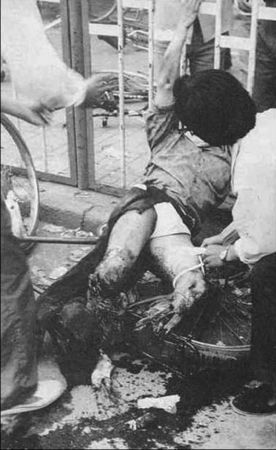 · 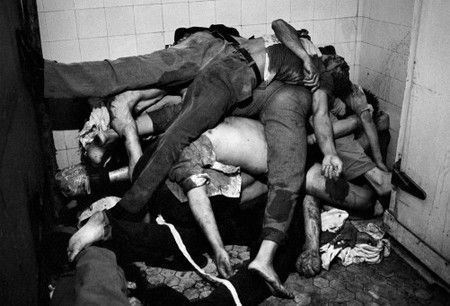 · 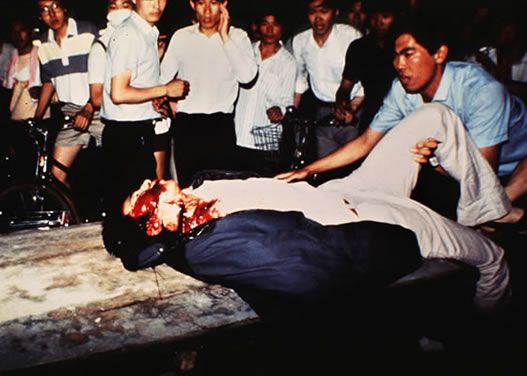 · 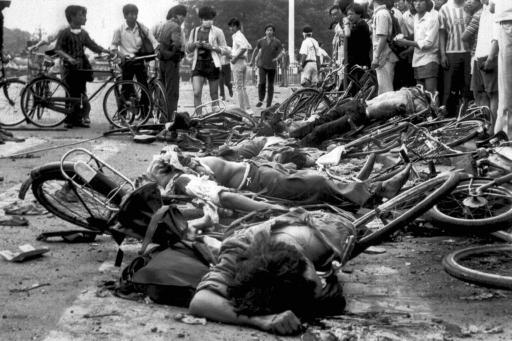 · 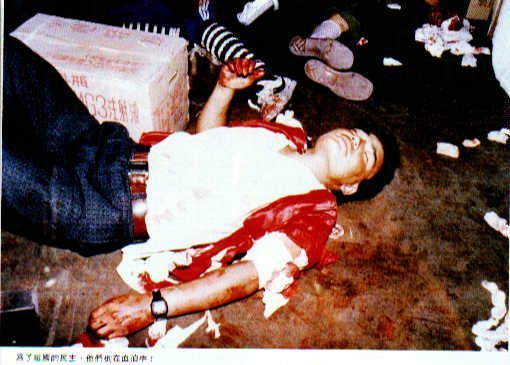 · 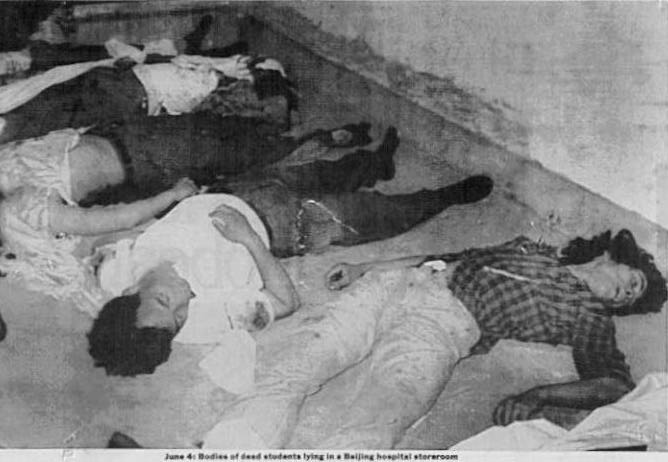 · 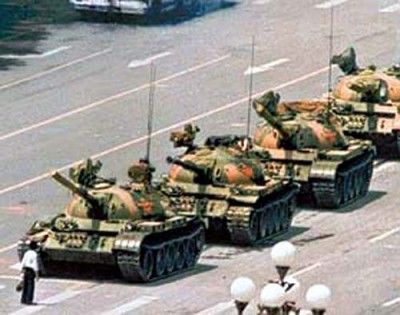 · |
|
#4
●
04-06-2010, 07:56 PM
|
 Super ********* Poster Rank:90 Join Date: Nov 2008 Posts: 17,370 17,370Posts 13,735Thanked 99Quoted 5Mentioned 0Contrib. |
|
Re: Tiananmen Square Massacre: June 3-4, 1989 Beijing Crackdown
some more pix
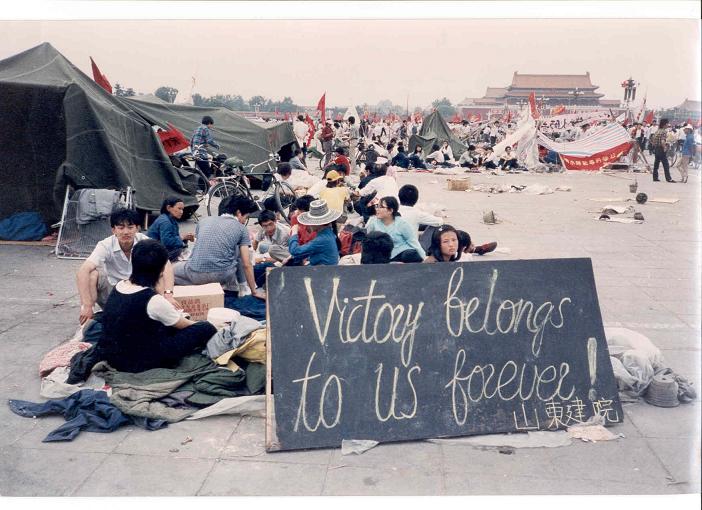 · 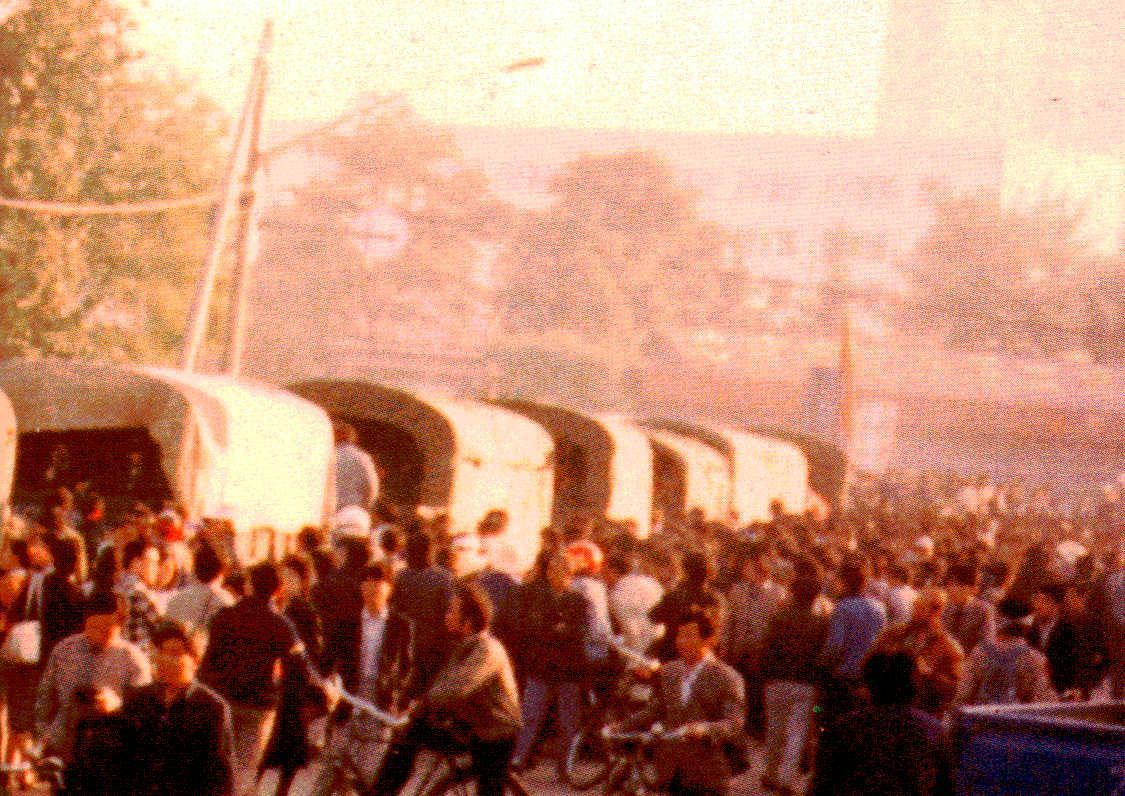 · 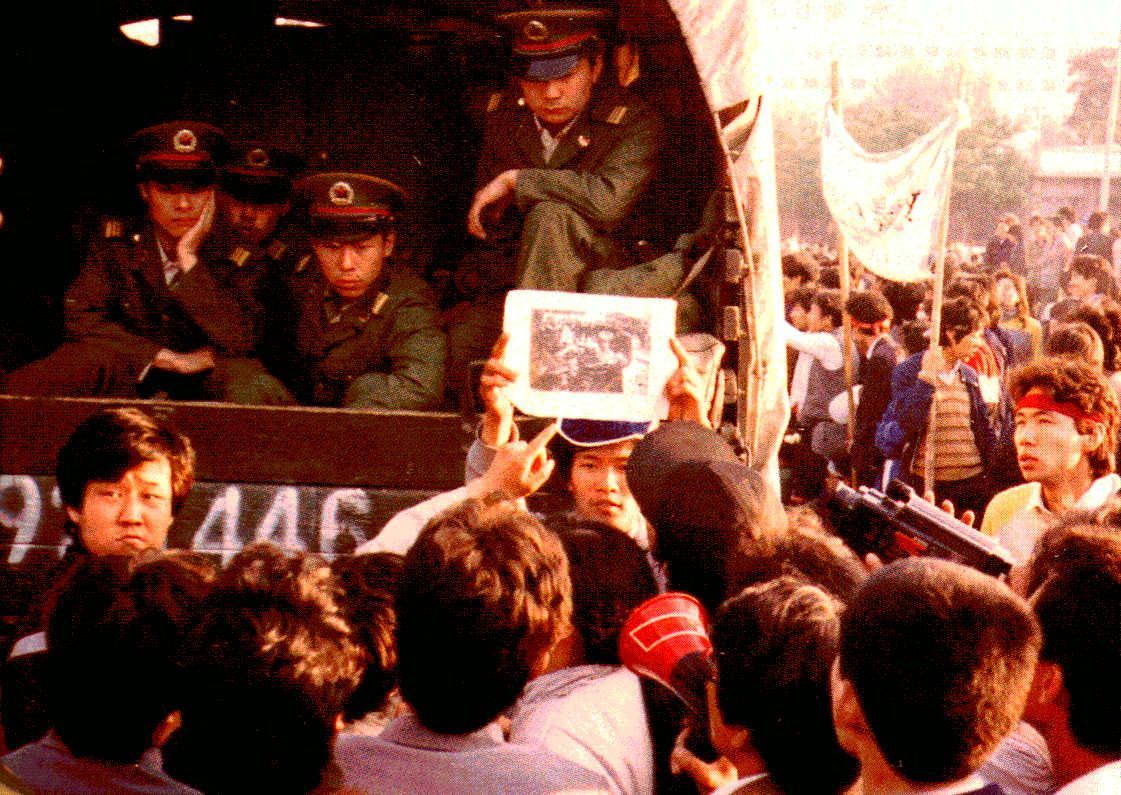 · 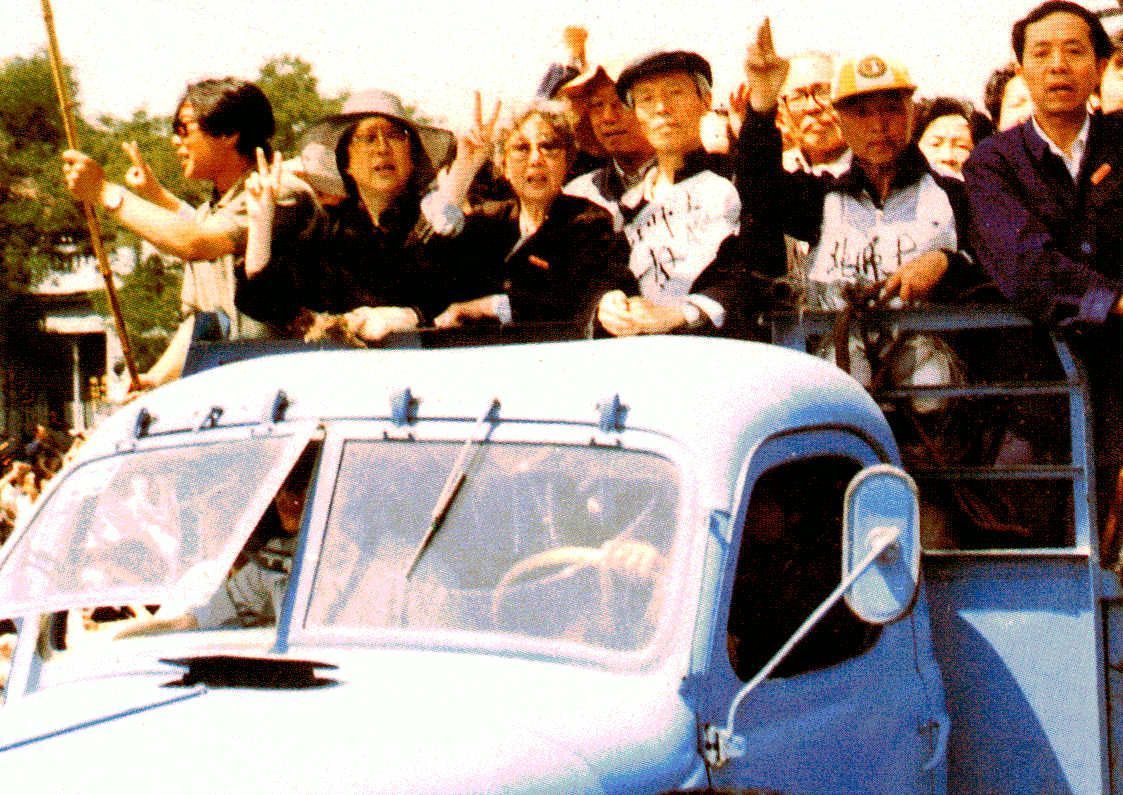 · 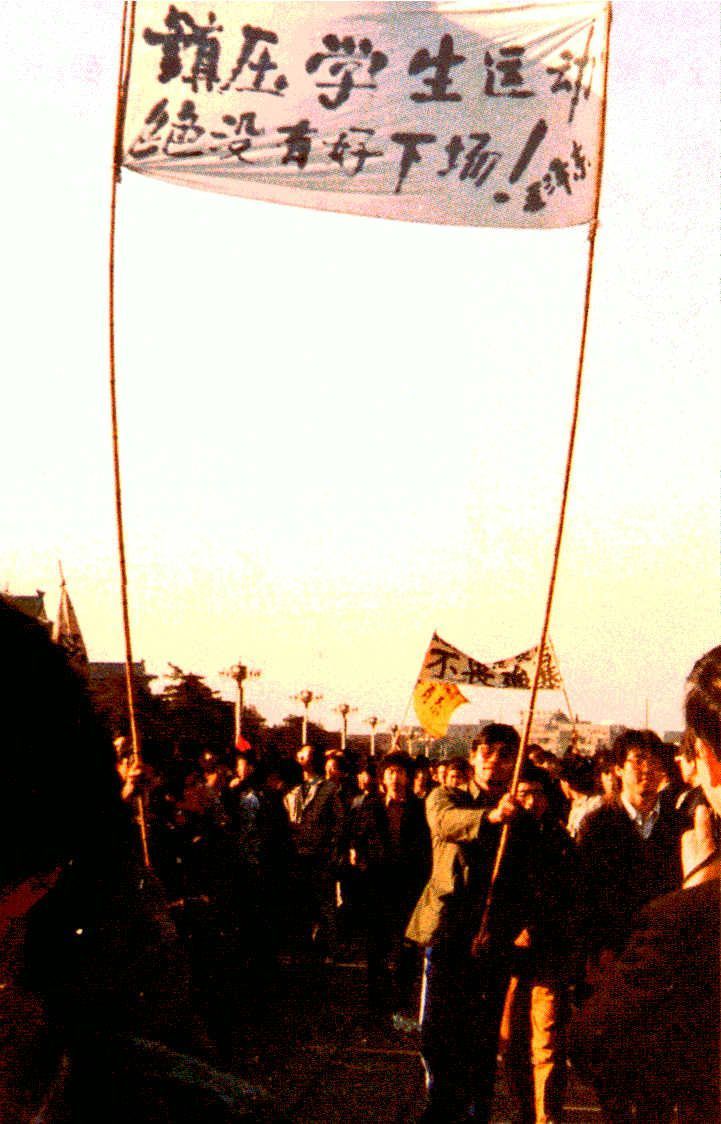 · 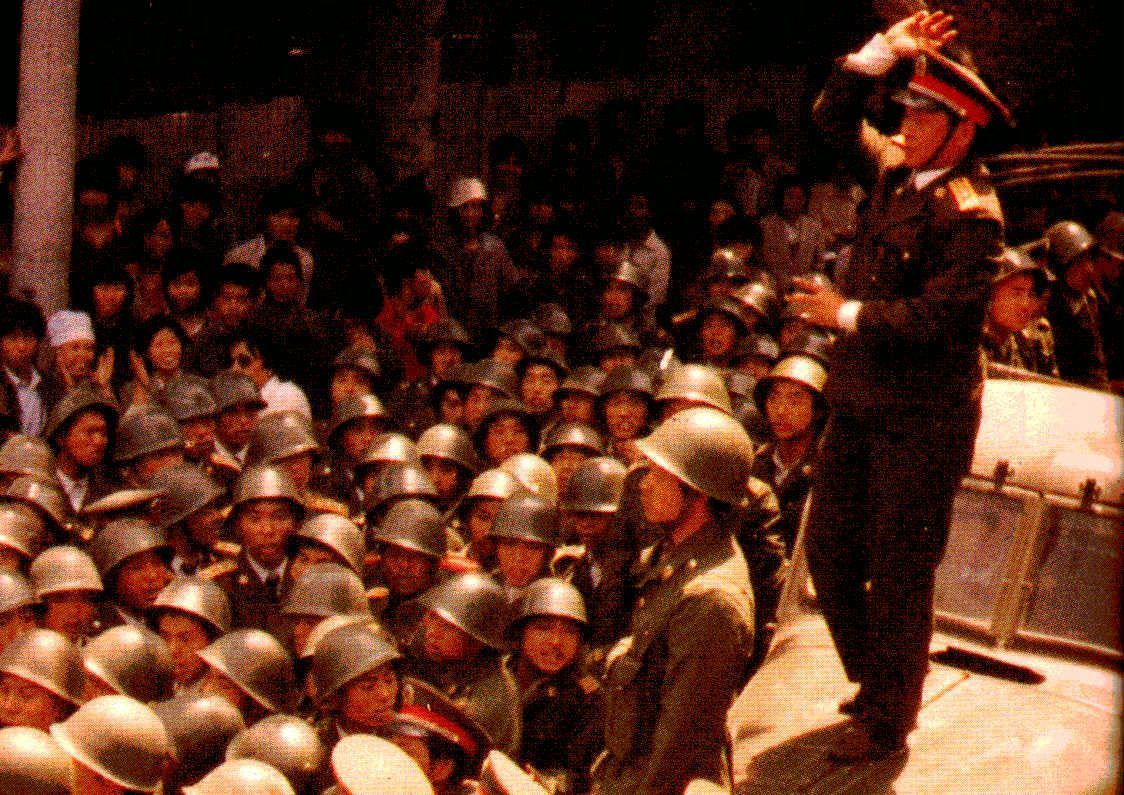 · 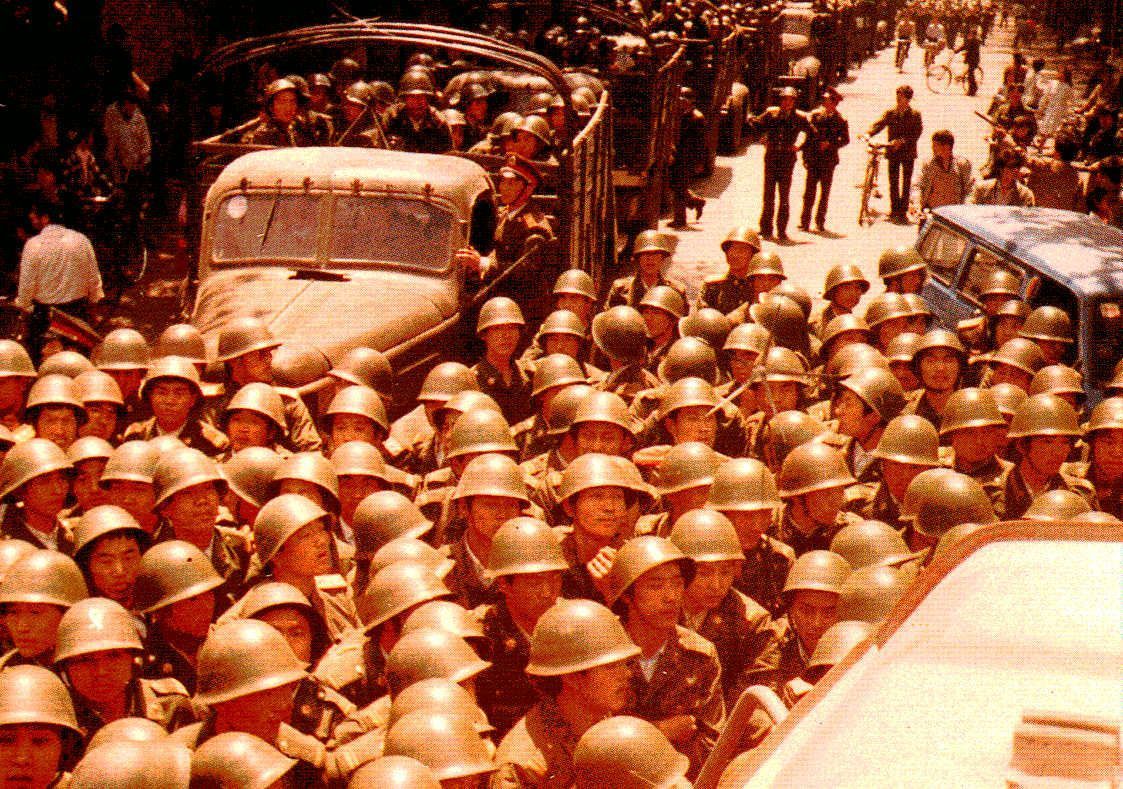 · 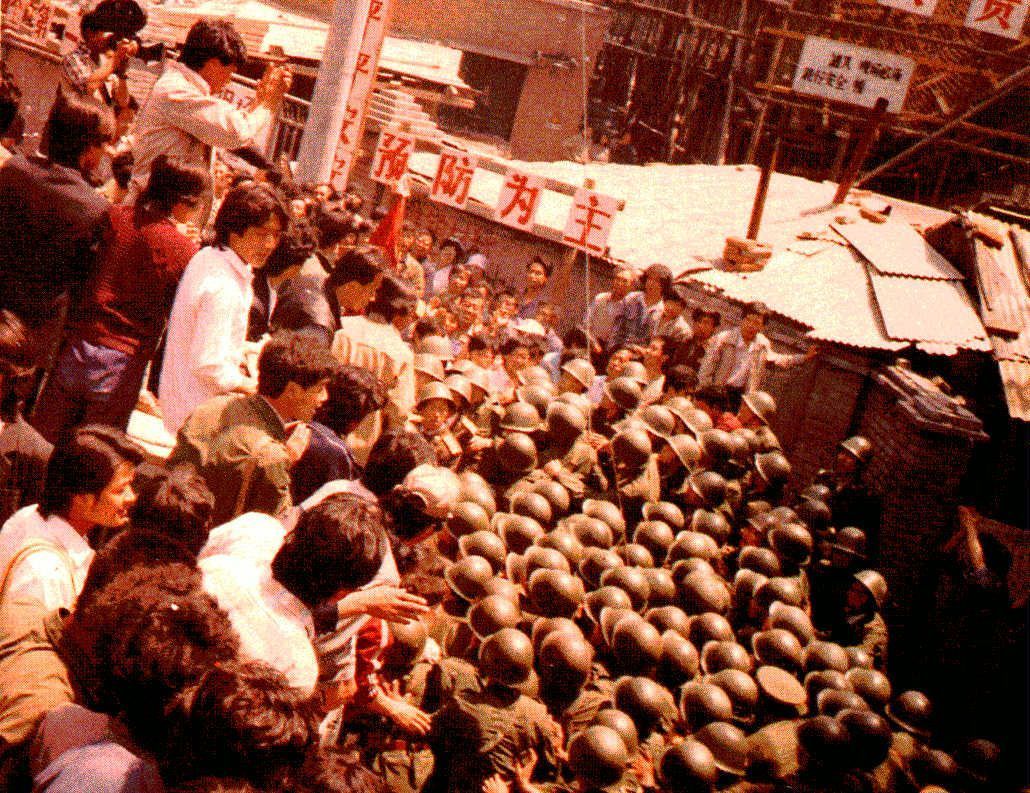 ·  ·  ·  ·  ·  ·  ·  ·  · 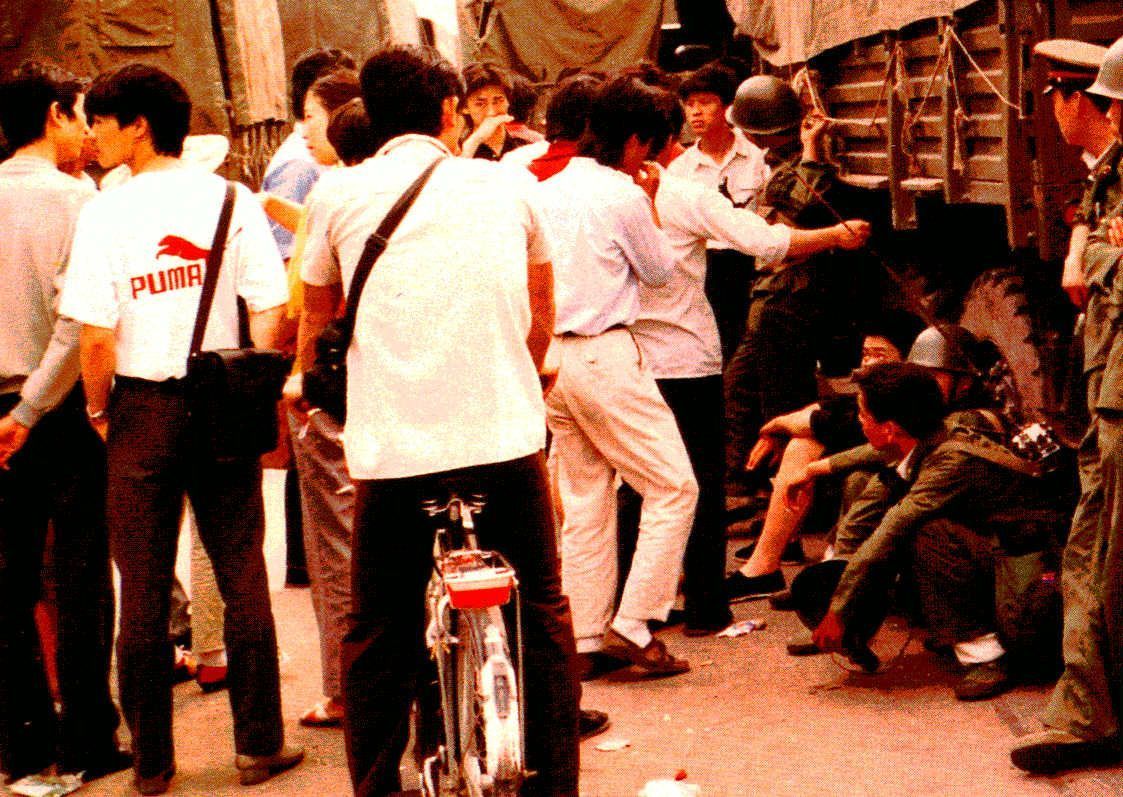 · 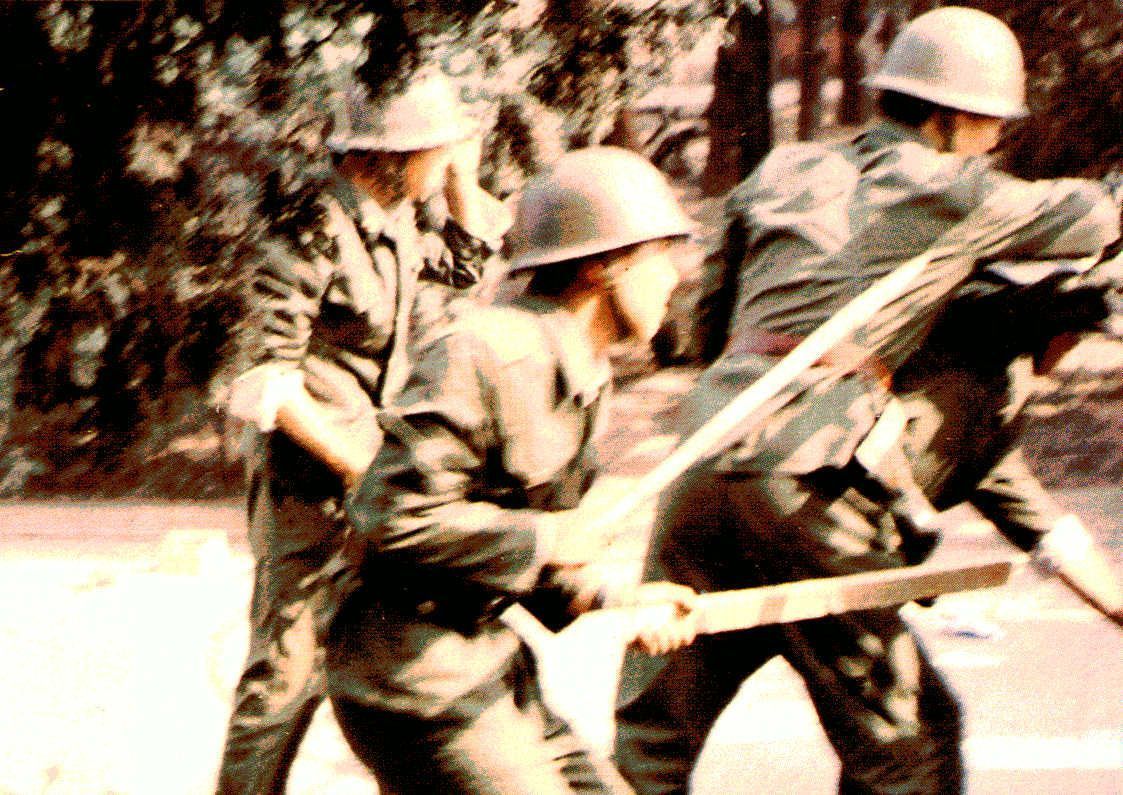 · 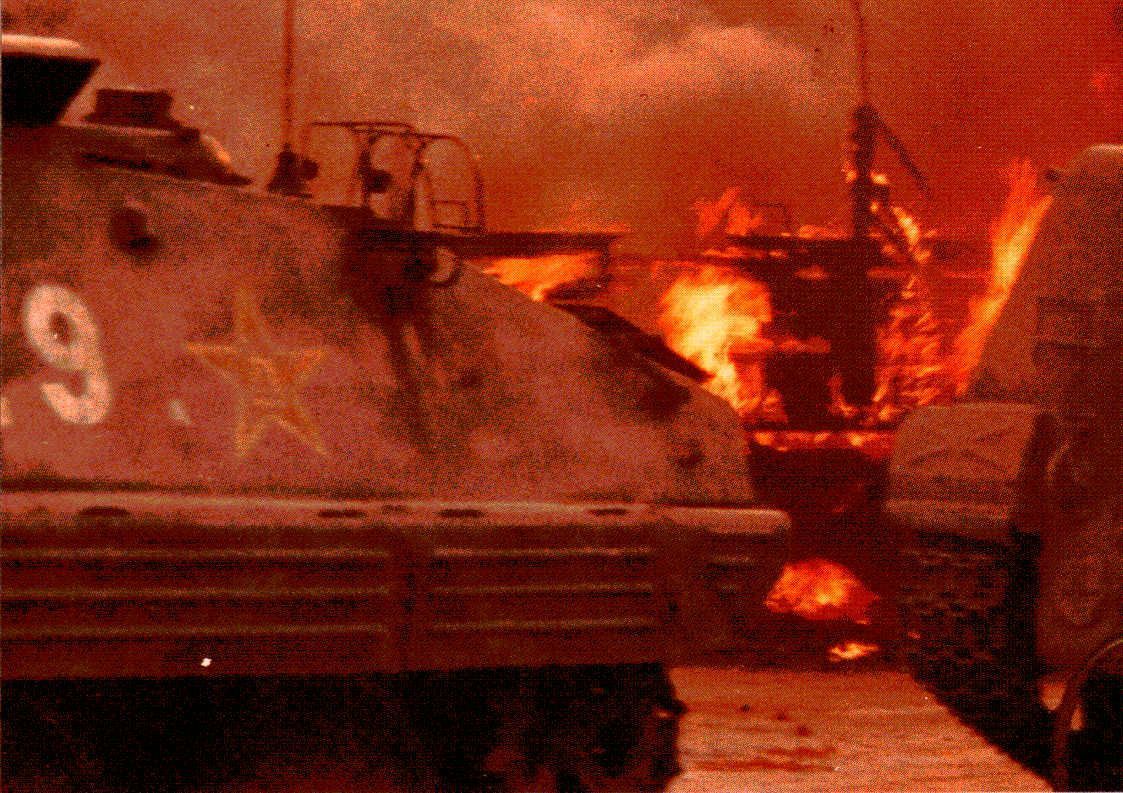 · 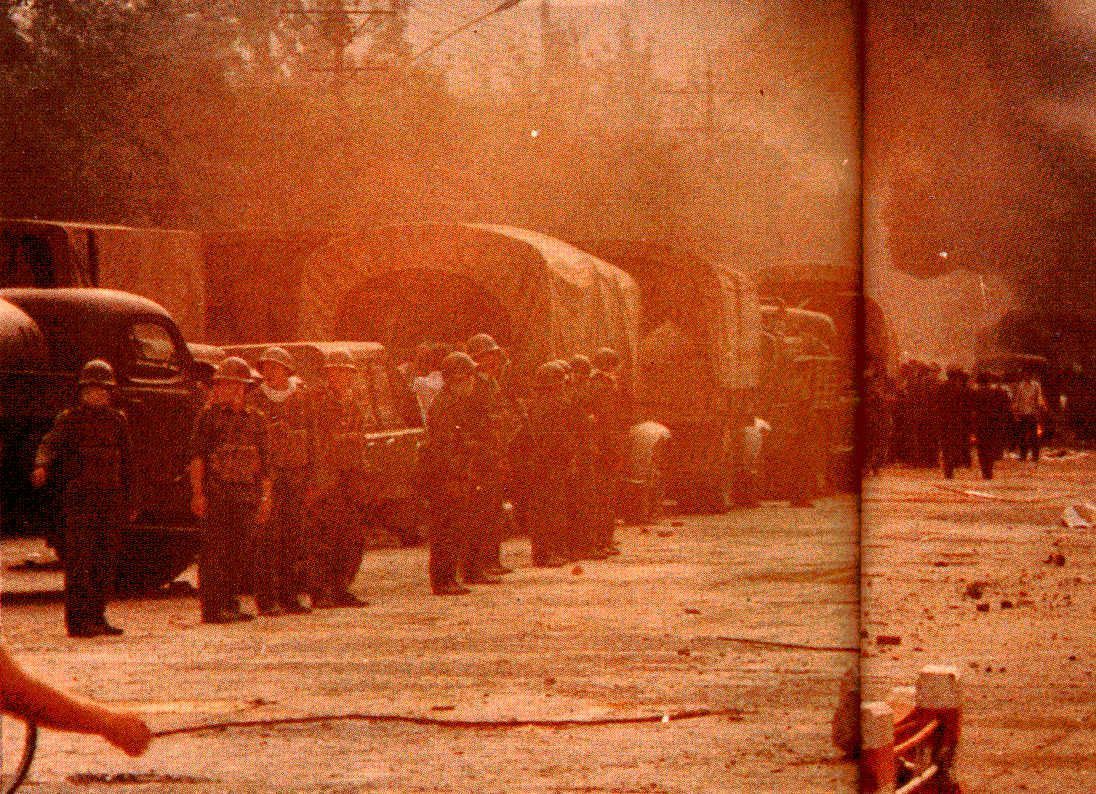 ·  ·  ·  ·  ·  ·  ·  ·  ·  ·  ·  ·  ·  ·  ·  ·  ·  ·  ·  ·  ·  ·  ·  ·  ·  · |
|
#5
●
04-08-2010, 06:52 PM
|
| Super ********* Poster Rank:90 Join Date: Nov 2008 Posts: 17,370 17,370Posts 13,735Thanked 99Quoted 5Mentioned 0Contrib. |
|
Re: Tiananmen Square Massacre: June 3-4, 1989 Beijing Crackdown
i thought there would be more people interested in the tiananmen square massacre. for those who do have an interest i also recommend checking out this documentary, some of what they say is pretty astonishing. http://www.documentingreality.com/fo...ank-man-36348/ |
|
#7
●
04-08-2010, 09:03 PM
|
| Super ********* Poster Rank:90 Join Date: Nov 2008 Posts: 17,370 17,370Posts 13,735Thanked 99Quoted 5Mentioned 0Contrib. |
|
Re: Tiananmen Square Massacre: June 3-4, 1989 Beijing Crackdown
i recommend Tora! Tora! Tora! it's about pearl harbour without some gay love story and just about the japs blowing up the harbour. it's a great film |
|
#8
●
04-27-2010, 12:01 PM
|
| Super ********* Poster Rank:90 Join Date: Nov 2008 Posts: 17,370 17,370Posts 13,735Thanked 99Quoted 5Mentioned 0Contrib. |
|
Re: Tiananmen Square Massacre: June 3-4, 1989 Beijing Crackdown
more pix
 ·  ·  ·  ·  ·  ·  ·  ·  ·  ·  ·  ·  ·  ·  ·  · |
|
#9
●
04-27-2010, 03:14 PM
|
 Server Supporter Poster Rank:196 Male Join Date: Feb 2010 Posts: 7,788 7,788Posts 3,825Thanked 230Quoted 1Mentioned 0Contrib. |
|
Re: Tiananmen Square Massacre: June 3-4, 1989 Beijing Crackdown
Great photos, a lot of passion in the peoples faces and I'm sure like most people I've always revered the nameless person who stood up to the tanks in Tiananmen. The color in the photos is really beautiful as well. Great thread. |
|
#10
●
04-27-2010, 03:32 PM
|
| Super ********* Poster Rank:90 Join Date: Nov 2008 Posts: 17,370 17,370Posts 13,735Thanked 99Quoted 5Mentioned 0Contrib. |
|
Re: Tiananmen Square Massacre: June 3-4, 1989 Beijing Crackdown
yes, i love the picture of the guy in front of the tanks,i have a big poster of it on my wall, though my poster is in black & white
|