|
#1
●
05-17-2012, 11:15 AM
| ||||||||
 My Rank: MAJOR Poster Rank:12 Join Date: Jun 2009 Posts: 93,130
Contributions: 226
Mentioned: 91 Post(s) Quoted: 2009 Post(s)
| ||||||||
|
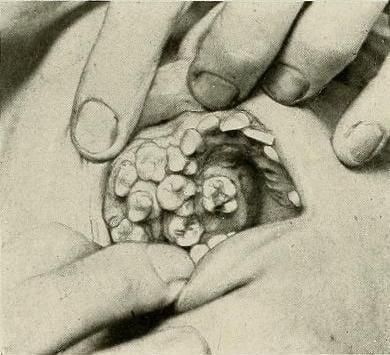
Supernumerary Teeth In Upper Palate Of 1 Yo Boy
 · |
|
#3
●
05-17-2012, 02:37 PM
| ||||||||
 ★Wizard Of Gore★ Poster Rank:2 Join Date: Aug 2009 Posts: 126,935
Contributions: 1
Mentioned: 450 Post(s) Quoted: 30201 Post(s)
| ||||||||
|
Re: Supernumerary Teeth In Upper Palate Of 1 Yo Boy
"Sorry that I am late for school, teacher. I brushed my teeth and missed the bus because I was running late."
|