|
#1
●
06-15-2011, 08:55 PM
| ||||||||
 Patron Saint of Filth Poster Rank:3 Fem Join Date: Mar 2010 Posts: 116,089
Contributions: 8
Mentioned: 695 Post(s) Quoted: 35670 Post(s)
| ||||||||
|
Earth May Be Headed into a Mini Ice Age Within a Decade
Physicists say sunspot cycle is 'going into hibernation' By Lewis Page 14th June 2011 17:00 GMT What may be the science story of the century is breaking this evening, as heavyweight US solar physicists announce that the Sun appears to be headed into a lengthy spell of low activity, which could mean that the Earth – far from facing a global warming problem – is actually headed into a mini Ice Age. 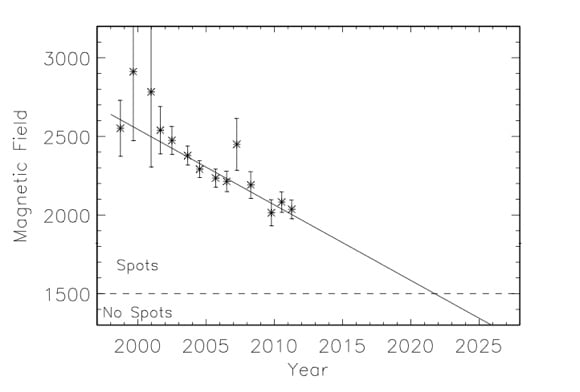 Ice skating on the Thames by 2025? The announcement made on 14 June (18:00 UK time) comes from scientists at the US National Solar Observatory (NSO) and US Air Force Research Laboratory. Three different analyses of the Sun's recent behaviour all indicate that a period of unusually low solar activity may be about to begin. The Sun normally follows an 11-year cycle of activity. The current cycle, Cycle 24, is now supposed to be ramping up towards maximum strength. Increased numbers of sunspots and other indications ought to be happening: but in fact results so far are most disappointing. Scientists at the NSO now suspect, based on data showing decades-long trends leading to this point, that Cycle 25 may not happen at all. This could have major implications for the Earth's climate. According to a statement issued by the NSO, announcing the research: As NASA notes: During the Maunder Minimum and for periods either side of it, many European rivers which are ice-free today – including the Thames – routinely froze over, allowing ice skating and even for armies to march across them in some cases. "This is highly unusual and unexpected," says Dr Frank Hill of the NSO. "But the fact that three completely different views of the Sun point in the same direction is a powerful indicator that the sunspot cycle may be going into hibernation." Good news for Mars astronauts – Less good for carbon traders, perhaps Hill's own research focuses on surface pulsations of the Sun and their relationship with sunspots, and his team has already used their methods to successfully predict the late onset of Cycle 24. "We expected to see the start of the zonal flow for Cycle 25 by now," Hill explained, "but we see no sign of it. This indicates that the start of Cycle 25 may be delayed to 2021 or 2022, or may not happen at all." Hill's results match those from physicists Matt Penn and William Livingston, who have gone over 13 years of sunspot data from the McMath-Pierce Telescope at Kitt Peak in Arizona. They have seen the strength of the magnetic fields which create sunspots declining steadily. According to the NSO: In parallel with this comes research from the US Air Force's studies of the solar corona. Richard Altrock, in charge of this, has found a 40-year decline in the "rush to the poles" – the poleward surge of magnetic activity in the corona. "Those wonderful, delicate coronal features are actually powerful, robust magnetic structures rooted in the interior of the Sun," Altrock says. "Changes we see in the corona reflect changes deep inside the Sun ... "Cycle 24 started out late and slow and may not be strong enough to create a rush to the poles, indicating we'll see a very weak solar maximum in 2013, if at all. If the rush to the poles fails to complete, this creates a tremendous dilemma for the theorists ... No one knows what the Sun will do in that case." According to the collective wisdom of the NSO, another Maunder Minimum may very well be on the cards. "If we are right," summarises Hill, "this could be the last solar maximum we'll see for a few decades. That would affect everything from space exploration to Earth's climate." The effects on space exploration would be benign, as fewer or no solar storms would make space a much less hostile environment for human beings. At the moment, anyone venturing beyond the Earth's protective magnetic field (the only people to have done so were the Apollo moon astronauts of the 1960s and '70s) runs a severe risk of dangerous or fatal radiation exposure during a solar storm. Manned missions beyond low Earth orbit, a stated aspiration of the USA and other nations, might become significantly safer and cheaper to mount (cheaper as there would be no requirement for possibly very heavy shielding to protect astronauts, so reducing launch costs). The big consequences of a major solar calm spell, however, would be climatic. The next few generations of humanity might not find themselves trying to cope with global warming but rather with a significant cooling. This could overturn decades of received wisdom on such things as CO2 emissions, and lead to radical shifts in government policy worldwide. ® http://www.theregister.co.uk/2011/06/14/ice_age/ |
|
#2
●
06-15-2011, 09:18 PM
| ||||||||
| My Rank: PRIVATE Poster Rank:7531 Join Date: Oct 2009 Posts: 25 Mentioned: 0 Post(s) Quoted: 1 Post(s)
| ||||||||
|
Re: Earth May Be Headed into a Mini Ice Age Within a Decade
Well I never liked the heat anyway :P time to get my ice skates out
|
|
#3
●
06-15-2011, 09:29 PM
| ||||||||
| Patron Saint of Filth Poster Rank:3 Fem Join Date: Mar 2010 Posts: 116,089
Contributions: 8
Mentioned: 695 Post(s) Quoted: 35670 Post(s)
| ||||||||
|
Re: Earth May Be Headed into a Mini Ice Age Within a Decade
 I hate cold weather. big thumbs down....*runs and grabs Aquanet and sprays wildly* I hate cold weather. big thumbs down....*runs and grabs Aquanet and sprays wildly*
|
|
#4
●
06-15-2011, 10:14 PM
| ||||||||
 Benevolent dictator Poster Rank:57 Arse fucker Join Date: May 2009 Posts: 25,643 Mentioned: 17 Post(s) Quoted: 1450 Post(s)
| ||||||||
|
Re: Earth May Be Headed into a Mini Ice Age Within a Decade
This is actually good news, i have never seen snow fall from the sky before.
|
|
#8
●
06-16-2011, 12:45 AM
| ||||||||
 Eaton the Pooh Poster Rank:89 Join Date: Mar 2010 Posts: 17,300 Mentioned: 26 Post(s) Quoted: 1036 Post(s)
| ||||||||
|
Re: Earth May Be Headed into a Mini Ice Age Within a Decade
You have not lived until you have spent at least a 24 hour day in a snow covered forest. The peacefulness is beyond compare. 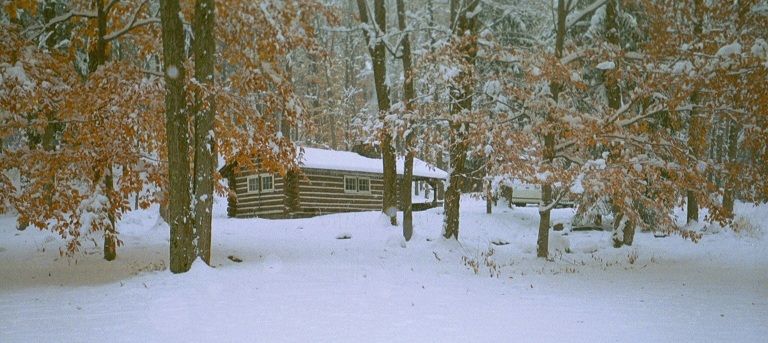 · |