|
#1
●
09-09-2012, 01:27 PM
| ||||||||
 My Rank: PRIVATE FIRST CLASS Poster Rank:4847 Join Date: Jul 2009 Posts: 56 Mentioned: 0 Post(s) Quoted: 2 Post(s)
| ||||||||
|
Some Dude Living in His Car for 7 Years
Also, a W-class appreciation thread. <iframe width="560" height="315" src="http://www.youtube.com/embed/-RKKK1UEB1M" frameborder="0" allowfullscreen></iframe> 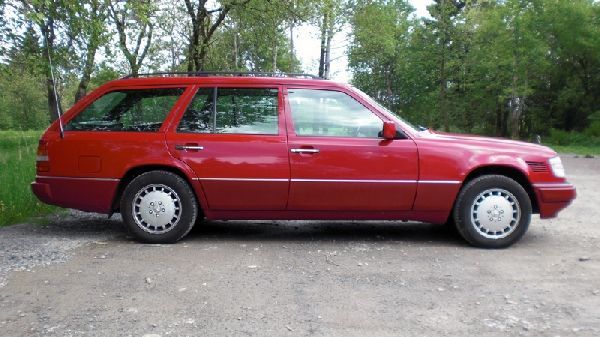 · 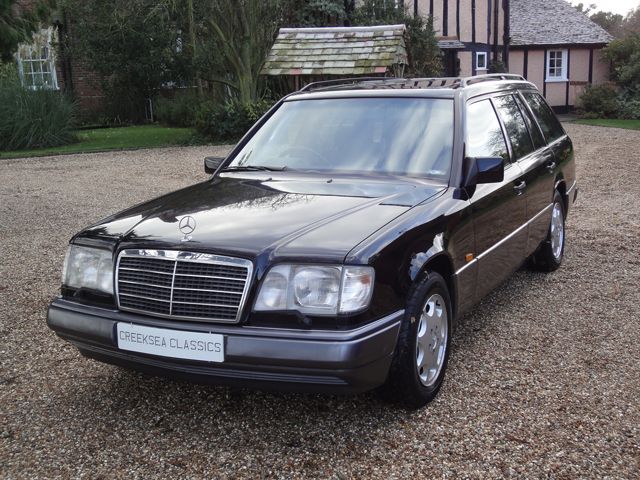 ·  · |
|
#2
●
09-09-2012, 05:17 PM
| ||||||||
 ★ PSYCHOPOMP ★ Poster Rank:104 Man Join Date: Oct 2009 Posts: 15,927 Mentioned: 9 Post(s) Quoted: 1294 Post(s)
| ||||||||
|
Re: Some Dude Living in His Car for 7 Years
I actually watched the whole thing. Very interesting and sad. It may sound odd and crazy to most but he did have some zen qualities. I could see something in him that almost reminded me of myself at onetime or another. Yet that is no way to live a life, and he will soon be dead from a heart attack or disease  |
|
#5
●
09-09-2012, 09:05 PM
| ||||||||
 ★ Legacy Member ★ Poster Rank:410 Join Date: Feb 2011 Posts: 2,873
Contributions: 18
Mentioned: 11 Post(s) Quoted: 140 Post(s)
| ||||||||
|
Re: Some Dude Living in His Car for 7 Years
so he's basically a hobo with a car and job.. though, i dont see this as a medical issue.. its his choice of life.
|
|
#7
●
09-09-2012, 11:08 PM
| ||||||||
 ★The Queen★ Poster Rank:67 Female Join Date: Jun 2011 Posts: 23,498
Contributions: 120
Mentioned: 95 Post(s) Quoted: 3083 Post(s)
| ||||||||
|
Re: Some Dude Living in His Car for 7 Years
What a weirdo with a strange laugh! I watched about half and got bored. I don't think staying in that nasty stale air all day and night is good for any living creature that isn't a bug. |
|
#8
●
09-10-2012, 07:35 AM
| ||||||||
 My Rank: MAJOR Poster Rank:11 Join Date: Jun 2009 Posts: 93,130
Contributions: 226
Mentioned: 91 Post(s) Quoted: 2009 Post(s)
| ||||||||
|
Re: Some Dude Living in His Car for 7 Years
Sad sad life. He talks about his parents don't speak to him as he wont change his ways and stop the driving etc. They will die one day, he'll have regrets. His father says he has no son though. Sitting in a car 24/7, 365 days of the year. I'd crack up. He doesn't even know if his legs work any more, if he could walk. He must smell, wiping himself with tissues wont clean a body correctly. Bet his arsehole is proper festering   Love to know how he goes for a shit btw or where he keeps it. Love to know how he goes for a shit btw or where he keeps it.What a sad lonely life. |
|
#9
●
09-10-2012, 07:42 AM
| ||||||||
 ★Wizard Of Gore★ Poster Rank:1 Join Date: Aug 2009 Posts: 126,399
Contributions: 1
Mentioned: 445 Post(s) Quoted: 30201 Post(s)
| ||||||||
|
Re: Some Dude Living in His Car for 7 Years
I have a W-124 (400E V-8). I love it, but I wouldn't want to live in it.  |